

What is the White Fuzz on My Oscar Fish?
The italic white fuzz on your Oscar fish is most likely a sign of a italic fungal infection, typically italic Saprolegnia, or, less commonly, a italic bacterial infection. Understanding the cause and acting quickly is crucial for your fish’s survival.

Understanding the White Fuzz on Your Oscar Fish
Discovering a italic white fuzz on your beloved Oscar fish can be alarming. This isn’t just a cosmetic issue; it’s often a symptom of an underlying problem that needs immediate attention. Let’s delve into the common causes, prevention, and treatment of this concerning condition.

How intelligent are fish?
Are fish heads good for the garden?
Can fish hear water?
What is cotton rot in fish?
Common Causes of White Fuzz
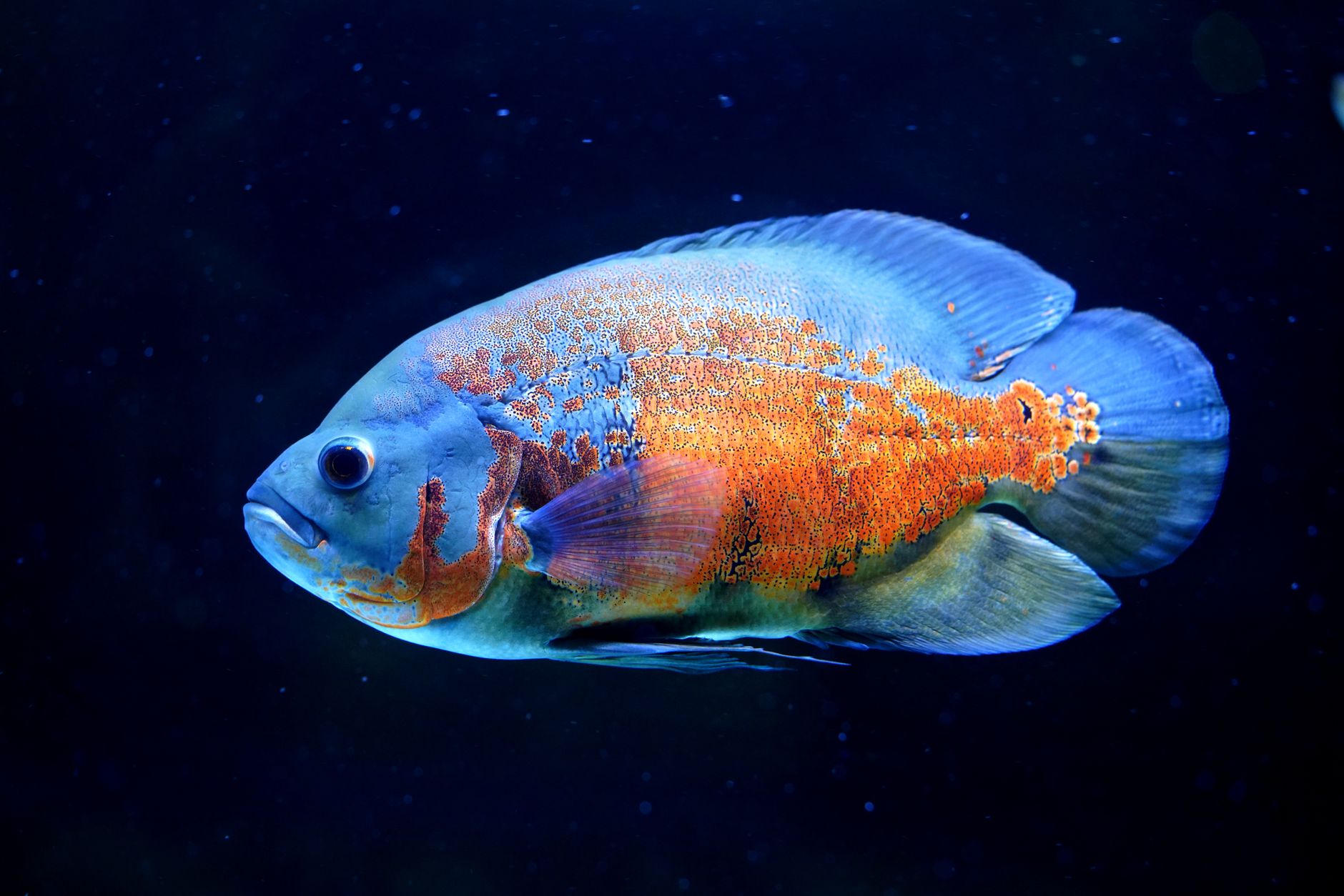
Several factors can contribute to the appearance of italic white fuzz on your Oscar. It’s important to accurately identify the root cause to provide the correct treatment.
- Fungal Infections (Saprolegnia): This is the most frequent culprit. italic Saprolegnia thrives in aquariums with poor water quality, especially when the fish has an injury or weakened immune system. The fuzz often appears cotton-like.
- Bacterial Infections: While less common, certain italic bacterial infections can also manifest as a italic white, fuzzy coating. These are typically associated with open wounds or ulcers.
- Poor Water Quality: High levels of ammonia, nitrites, and nitrates stress the fish and compromise its immune system, making it more susceptible to both fungal and bacterial infections.
- Injury: Any scratch, scrape, or fin nip can create an entry point for pathogens. Oscars, being relatively large and sometimes boisterous fish, are prone to minor injuries.
- Stress: Stress weakens the immune system. Common stressors include rapid temperature changes, overcrowding, aggressive tankmates, and inadequate tank size.
Identifying the Cause: Fungus vs. Bacteria
Differentiating between fungal and bacterial infections can be challenging but helpful in choosing the appropriate treatment.
| Feature | Fungal Infection (Saprolegnia) | Bacterial Infection |
|---|---|---|
| Appearance | Cotton-like, fuzzy | Slimy, may have a grayish tint |
| Color | Typically white, sometimes grayish | White, yellowish, or reddish |
| Location | Often on damaged tissue | Can appear anywhere on the body |
| Speed of Spread | Spreads relatively quickly | Can spread rapidly or slowly |
| Odor | May have a musty odor | Sometimes a foul odor |
Prevention is Key
Prevention is always better than cure. Maintaining a healthy aquarium environment significantly reduces the risk of your Oscar developing italic white fuzz.
- Maintain Excellent Water Quality: Regularly test and maintain appropriate water parameters (ammonia, nitrite, nitrate). Perform regular water changes (25-50% weekly). Use a high-quality filter.
- Provide Adequate Space: Oscars require large tanks (75 gallons minimum for a single Oscar, larger for a pair or community). Overcrowding leads to stress and poor water quality.
- Feed a Nutritious Diet: Offer a varied diet of high-quality flakes or pellets, supplemented with live or frozen foods. Avoid overfeeding.
- Quarantine New Fish: Isolate any new fish in a separate quarantine tank for several weeks before introducing them to your main tank. This prevents the introduction of diseases.
- Minimize Stress: Create a stable environment with consistent temperature, appropriate lighting, and compatible tankmates.
- Observe Your Fish Regularly: Early detection is crucial for successful treatment. Watch for changes in behavior, appetite, or appearance.
Treatment Options
If you observe italic white fuzz on your Oscar, prompt treatment is necessary.
- Quarantine the Affected Fish: Move the infected Oscar to a separate quarantine tank to prevent the spread of the infection to other fish.
- Improve Water Quality: Perform a large water change (50%) in both the main tank and the quarantine tank.
- Increase Water Temperature: Gradually raise the water temperature in the quarantine tank by a few degrees (within the Oscar’s tolerance range) to help boost its immune system.
- Salt Treatment: Adding aquarium salt (sodium chloride) to the quarantine tank can help combat both fungal and bacterial infections. Use a dosage of 1 tablespoon per 5 gallons of water.
- Medications: Several medications are available to treat fungal and bacterial infections in fish. Popular choices include:
- italic Antifungal medications: Containing methylene blue, malachite green, or formalin. Follow the manufacturer’s instructions carefully.
- italic Antibacterial medications: Containing erythromycin, tetracycline, or kanamycin. Again, follow the instructions diligently.
- Monitor Closely: Observe the fish’s response to treatment and adjust accordingly. Continue treatment for the recommended duration, even if the symptoms appear to improve.
Common Mistakes to Avoid
- Delaying Treatment: The longer you wait, the harder it will be to treat the infection.
- Overmedicating: Using too much medication can be harmful to the fish. Always follow the manufacturer’s instructions carefully.
- Not Addressing the Underlying Cause: Treating the italic white fuzz without addressing the underlying water quality issues or stressors will only lead to recurring infections.
- Using Tap Water Directly: Always dechlorinate tap water before adding it to the aquarium.
- Ignoring Secondary Infections: Fungal and bacterial infections can sometimes lead to secondary infections. Watch for signs of other illnesses and treat them accordingly.
Frequently Asked Questions (FAQs) About White Fuzz on Oscar Fish
Why is my Oscar suddenly developing white fuzz?
The sudden appearance of italic white fuzz usually indicates a rapid decline in water quality or a recent injury that has allowed a fungal or bacterial infection to take hold. Investigate your water parameters and look for any signs of physical trauma.
Can I treat white fuzz in the main tank?
While possible, it is generally recommended to quarantine the affected fish. Treating the main tank can be more difficult and may negatively impact beneficial bacteria in the filter. Plus, some medications are not safe for all tank inhabitants.
What water parameters are ideal for preventing white fuzz on Oscars?
Maintain ammonia and nitrite levels at 0 ppm. Keep nitrate levels below 20 ppm. Aim for a pH between 6.0 and 7.5, and a temperature between 74°F and 80°F. Consistent monitoring and water changes are crucial.
How often should I perform water changes to prevent white fuzz?
Typically, a 25-50% water change should be performed weekly. However, the frequency and volume may need to be adjusted based on the size of your tank, the number of fish, and the filtration system. Regular testing of water parameters will help you determine the optimal water change schedule.
Is salt treatment safe for all fish?
While aquarium salt is generally safe for Oscars, some fish species are sensitive to salt. Always research the tolerance of all fish in your tank before adding salt.
How long does it take to treat white fuzz on an Oscar?
Treatment duration varies depending on the severity of the infection and the chosen treatment method. It can take anywhere from a few days to several weeks to completely resolve the infection. Continue treatment for the recommended duration even if symptoms improve.
Can white fuzz be caused by parasites?
While less common, certain italic parasitic infections can sometimes mimic the appearance of italic white fuzz. A microscopic examination of skin scrapings can help rule out parasites.
What are some signs of a secondary infection in an Oscar with white fuzz?
Signs of a secondary infection include lethargy, loss of appetite, clamped fins, labored breathing, and the appearance of ulcers or lesions on the body.
Is it possible for white fuzz to spread to other fish in the tank?
Yes, both fungal and bacterial infections can spread to other fish, especially if the water quality is poor or the fish have weakened immune systems. Quarantine the affected fish promptly to prevent the spread of infection.
What should I do if the initial treatment doesn’t work?
If the italic white fuzz persists despite initial treatment, re-evaluate the diagnosis. It may be a different infection, or the chosen medication may not be effective. Consider consulting with a veterinarian specializing in aquatic animals for further guidance. Also, double check water parameters and ensure that they are in the optimal range.
Can stress from moving an Oscar cause white fuzz?
Yes, the stress of moving can weaken an Oscar’s immune system, making it more susceptible to infections. Minimize stress during relocation by maintaining consistent water parameters and handling the fish gently.
Are there any natural remedies for white fuzz on Oscar fish?
While some natural remedies like tea tree oil (Melaleuca) are sometimes used, their effectiveness is not scientifically proven, and they can potentially harm the fish if not used correctly. It’s best to stick to proven medications and maintain optimal water quality.