
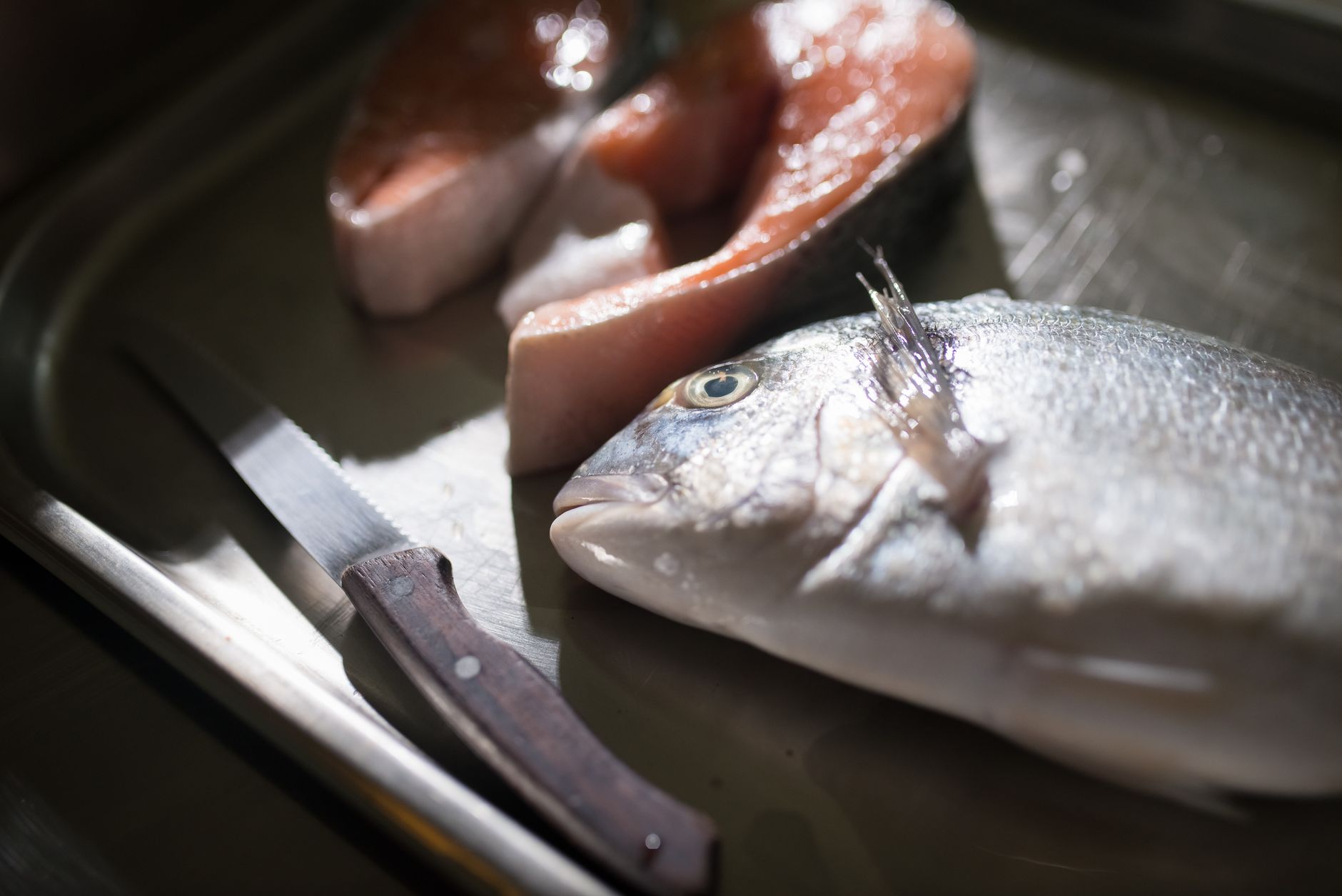
What is the Safest Fish to Eat Raw?
The safest fish to eat raw is generally considered to be ocean-farmed salmon, due to stringent regulations and quality control measures that minimize the risk of parasites and bacteria. However, responsible sourcing and proper preparation are crucial regardless of the fish type.

Understanding the Risks of Consuming Raw Fish
Eating raw fish, while a culinary delight in many cultures, carries inherent risks. These risks primarily revolve around the potential presence of parasites, bacteria, and toxins. Understanding these dangers is paramount before considering which fish is the safest to consume raw.
- Parasites: Anisakis (nematodes or roundworms) are a common concern. These parasites can cause anisakiasis, an infection of the digestive tract. While freezing fish for a specified period effectively kills these parasites, improper handling can negate this benefit.
- Bacteria: Salmonella, Vibrio, and Listeria are examples of bacteria that can contaminate raw fish. These bacteria can cause food poisoning, with symptoms ranging from mild discomfort to severe illness.
- Toxins: Some fish species naturally contain toxins, such as ciguatera in certain reef fish. These toxins are not destroyed by cooking and can cause serious health problems. Scombroid poisoning, caused by high levels of histamine in improperly stored fish like tuna and mackerel, is another concern.
How intelligent are fish?
Are fish heads good for the garden?
Can fish hear water?
What is cotton rot in fish?
Factors Determining Fish Safety for Raw Consumption

Several factors influence the safety of eating raw fish. These include:
- Source: Fish from different environments carry different levels of risk. Ocean-farmed fish often undergo rigorous testing for contaminants. Wild-caught fish, while potentially more flavorful, may have a higher risk of parasite infection.
- Handling and Storage: Proper handling and storage are crucial to prevent bacterial growth. Fish should be kept at a consistent cold temperature throughout the supply chain, from harvest to consumption.
- Preparation: Skilled preparation techniques, such as carefully removing bones and skin, can minimize the risk of contamination. Inspecting the fish for signs of parasites is also essential.
- Freezing: Freezing fish to -4°F (-20°C) for at least 7 days is a highly effective method of killing parasites. This process is required by the FDA for fish intended for raw consumption. However, freezing doesn’t eliminate bacterial or toxin risks.
Best Practices for Minimizing Risk
Even with the “safest” fish, precautions are necessary.
- Choose a Reputable Source: Buy fish from trusted vendors who prioritize quality and safety. Ask about their sourcing practices and handling procedures.
- Inspect the Fish: Look for signs of freshness, such as bright, clear eyes, firm flesh, and a clean, sea-like smell. Avoid fish with a fishy or ammonia-like odor.
- Proper Storage: Store fish in the coldest part of your refrigerator, ideally between 32°F and 38°F (0°C and 3°C). Use a thermometer to ensure the correct temperature.
- Prepare Correctly: Use clean utensils and cutting boards. Avoid cross-contamination with other foods. Freeze the fish if it is not already flash-frozen, to eliminate parasites.
- Consume Promptly: Eat raw fish as soon as possible after preparation. Avoid storing it for extended periods, even in the refrigerator.
Fish Commonly Considered Safe for Raw Consumption (With Caveats)
While ocean-farmed salmon is often cited as the safest, other fish can also be consumed raw with proper precautions:
- Tuna: High-quality, sushi-grade tuna is a popular choice. However, tuna is susceptible to scombroid poisoning if not handled correctly.
- Yellowtail (Hamachi): Known for its buttery flavor, yellowtail is often served as sashimi or nigiri.
- Sea Bream (Tai): A delicate and flavorful fish, sea bream is commonly used in Japanese cuisine.
- Eel (Unagi/Anago): While often served cooked, certain types of eel can be prepared raw by skilled chefs. However, wild eel can harbor parasites. Therefore caution is advised.
- Scallops: Fresh scallops, especially those labeled “dry-packed,” can be enjoyed raw.
Table: Risk Levels of Common Raw Fish
| Fish Type | Risk Level (Parasites) | Risk Level (Bacteria) | Risk Level (Toxins) | Notes |
|---|---|---|---|---|
| Ocean-Farmed Salmon | Low | Low | Very Low | Look for certified sustainable farms. |
| Wild Salmon | Moderate | Low | Very Low | Requires freezing to eliminate parasites. |
| Tuna | Low to Moderate | Moderate | Moderate | Scombroid poisoning is a concern. Must be handled with the utmost care. |
| Yellowtail | Low | Low | Very Low | Typically ocean-farmed and closely monitored. |
| Sea Bream | Low | Low | Very Low | Usually obtained from responsible aquaculture, but check for source. |
| Scallops | Low | Low | Very Low | Look for “dry-packed” scallops. |
Common Mistakes to Avoid
Several common mistakes can increase the risk of consuming raw fish:
- Assuming all “sushi-grade” fish is safe: “Sushi-grade” is not a regulated term, and it does not guarantee safety.
- Ignoring the source: Choosing the cheapest option without considering the source or handling practices is risky.
- Improper storage: Leaving fish at room temperature for even a short period can promote bacterial growth.
- Lack of freezing: Not freezing the fish to eliminate parasites when necessary.
- Disregarding smell or appearance: Ignoring signs of spoilage, such as a fishy odor or slimy texture.
The Future of Raw Fish Consumption
Advancements in aquaculture and food safety technologies are continually improving the safety of raw fish consumption. Continued research into parasite control, bacterial monitoring, and toxin detection will further reduce the risks associated with this culinary practice. Consumers must remain informed and vigilant, choosing responsible sources and following safe handling practices. Determining what is the safest fish to eat raw? continues to be an evolving question, requiring ongoing awareness and adaptation.
Frequently Asked Questions (FAQs)
Is it ever 100% safe to eat raw fish?
No, it is never 100% safe to eat raw fish. There is always some degree of risk involved, regardless of the species or preparation method. However, the risk can be significantly minimized by following proper guidelines and choosing reputable sources.
Does freezing fish kill all parasites and bacteria?
Freezing fish effectively kills most parasites, but it does not eliminate all bacteria or toxins. Bacteria can still grow after thawing if the fish is not handled properly. Certain toxins are heat-stable and not affected by freezing.
What is “sushi-grade” fish, and does it guarantee safety?
“Sushi-grade” is not a legally defined term and can vary widely. It generally indicates that the fish is considered high-quality and suitable for raw consumption, but it does not guarantee safety. Always prioritize reputable sources and safe handling practices.
Can I get sick from eating raw salmon?
Yes, you can get sick from eating raw salmon if it is contaminated with parasites, bacteria, or toxins. However, ocean-farmed salmon that undergoes rigorous testing is generally considered safer than wild-caught salmon.
What are the symptoms of parasitic infection from raw fish?
Symptoms of parasitic infection from raw fish can include abdominal pain, nausea, vomiting, diarrhea, and severe allergic reactions. In some cases, the parasite can burrow into the stomach or intestinal wall, causing intense pain.
How long should I freeze fish to kill parasites?
The FDA recommends freezing fish at -4°F (-20°C) for a minimum of 7 days to kill parasites. Some states have even stricter requirements.
Is wild-caught salmon safe to eat raw if frozen properly?
Wild-caught salmon can be safe to eat raw if frozen properly to eliminate parasites. However, it is crucial to ensure the fish is frozen at the correct temperature for the recommended duration and sourced from a reputable supplier.
Are certain people more susceptible to illness from raw fish?
Yes, individuals with weakened immune systems, pregnant women, young children, and older adults are more susceptible to illness from raw fish and should exercise extra caution or avoid it altogether.
What should I do if I suspect I have a parasitic infection from eating raw fish?
If you suspect you have a parasitic infection from eating raw fish, consult a doctor immediately. Early diagnosis and treatment are crucial to prevent complications.
Is it safe to eat raw fish if I purchase it from a grocery store?
It depends on the grocery store. Some grocery stores sell “sushi-grade” fish specifically intended for raw consumption. Check with the fishmonger to ensure the fish has been properly handled and stored and whether the fish was previously frozen.
Does marinating fish kill parasites?
No, marinating fish does not kill parasites. The acidity of marinades can inhibit bacterial growth, but it is ineffective against parasites. Freezing remains the most effective method.
What is the single most important factor to consider when determining what is the safest fish to eat raw?
The single most important factor is the source and handling of the fish. Choosing a reputable supplier who prioritizes quality control, safe handling practices, and proper storage is essential for minimizing the risk of illness.