

What is the Most Common Sparrow in the World? Unveiling the Global Champion
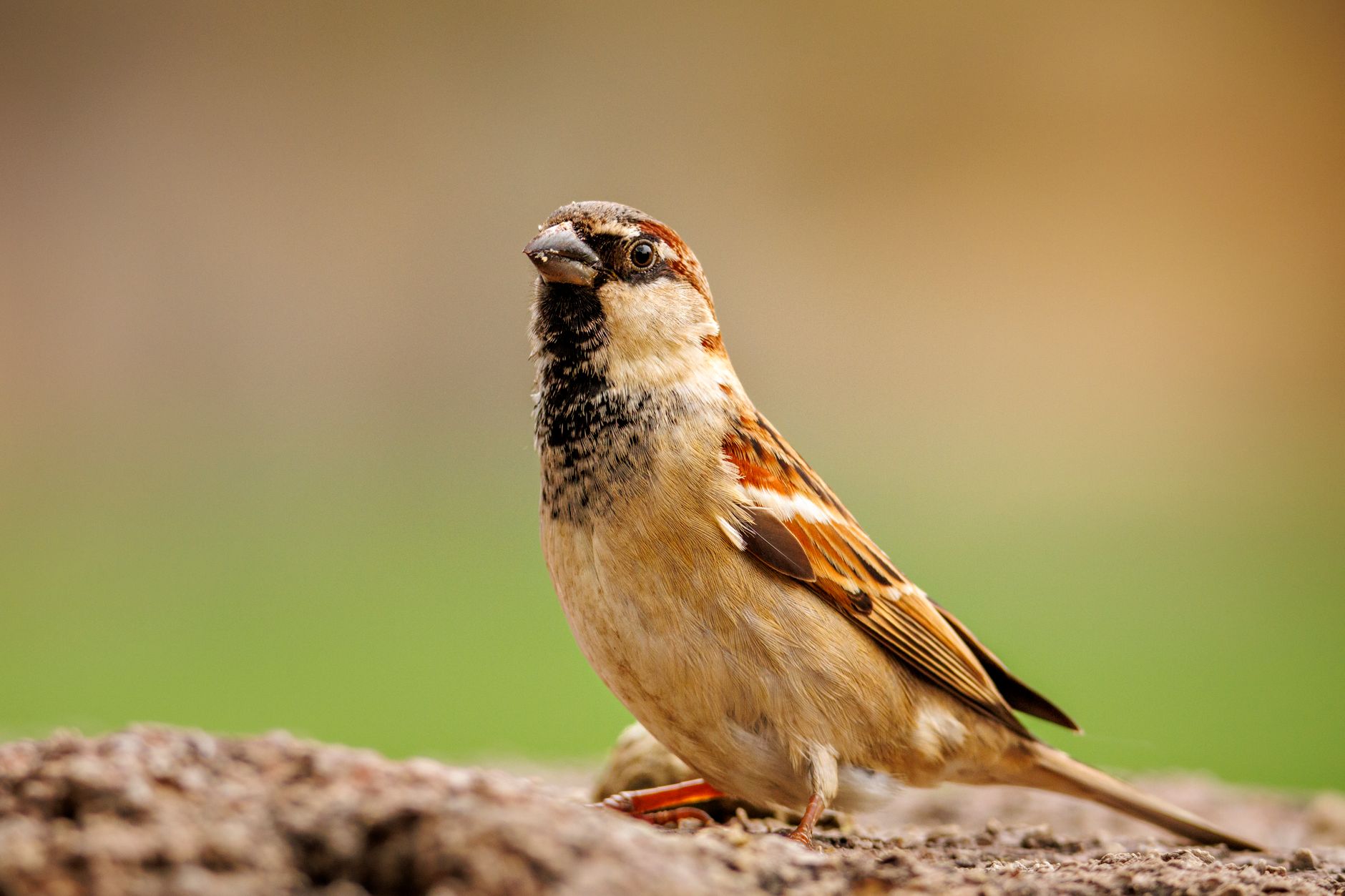
The House Sparrow stands as the undisputed titleholder; this ubiquitous bird is the most common sparrow in the world, found across nearly every continent and deeply intertwined with human civilization.
Introduction: A Global Avian Citizen
The question, What is the most common sparrow in the world?, often evokes a range of possible answers. While numerous sparrow species grace our planet, one reigns supreme in terms of sheer population size and geographic distribution: the House Sparrow (Passer domesticus). This seemingly unassuming bird, often overlooked in favor of more flamboyant species, holds a fascinating story of adaptation, dispersal, and co-existence with humanity.

What is the GREY African clawed frog?
Is distilled water good for goldfish?
Can you put your finger in a trout's mouth?
Is methylene blue anti bacterial?
Historical Background: A Symbiotic Relationship

The House Sparrow’s journey alongside humans began millennia ago, likely originating in the Middle East. As agriculture spread, so did the sparrow, taking advantage of grain stores and human settlements. This close association forged a symbiotic relationship that continues to this day.
- Ancient Origins: Evidence suggests their presence near early agricultural settlements.
- Global Expansion: They followed human migration routes, colonizing new territories.
- Adaptability: Their diet and nesting habits allowed them to thrive in diverse environments.
Distribution: A Truly Global Species
The House Sparrow’s global distribution is a testament to its adaptability. From the bustling cities of North America to the remote islands of the Pacific, this sparrow has made itself at home. Its range encompasses:
- Europe: Native to most of the continent.
- Asia: Widespread throughout much of Asia.
- Africa: Found primarily in regions with human habitation.
- North America: Introduced and now established across the continent.
- South America: Introduced and expanding its range.
- Australia: Introduced and widespread.
Identifying the House Sparrow: Key Characteristics
While often referred to simply as “sparrows,” it’s crucial to distinguish the House Sparrow from other similar species. Key identifying characteristics include:
- Size: Small to medium-sized bird, typically 14-18 cm in length.
- Plumage (Male): Gray crown, chestnut back, black bib, and white cheeks.
- Plumage (Female): More uniform brown coloration, lacking the distinctive black bib.
- Call: A distinctive “cheep” or “chirp” vocalization.
Habitat and Diet: Urban Adaptability
The House Sparrow’s success lies in its ability to thrive in human-modified environments. They are commonly found in:
- Urban Areas: Parks, gardens, and residential areas.
- Agricultural Lands: Farms and fields, feeding on grains and seeds.
- Suburban Environments: A mix of urban and rural features.
Their diet is equally adaptable, consisting of:
- Seeds and Grains: A primary food source.
- Insects: Especially important for feeding young.
- Human Food Scraps: A supplementary food source in urban areas.
Conservation Status: A Tale of Two Continents
Interestingly, while globally considered the most common sparrow, the House Sparrow’s populations are declining in some regions, particularly in Western Europe. The reasons for this decline are complex and may include:
- Habitat Loss: Changes in agricultural practices and urbanization.
- Pesticide Use: Reduction in insect populations, impacting food availability.
- Competition: Increased competition from other bird species.
- Disease: Outbreaks of avian diseases.
In contrast, populations in other parts of the world remain stable or even increasing. This highlights the importance of monitoring and understanding regional population trends.
Ecological Role: A Double-Edged Sword
The House Sparrow plays a complex role in the ecosystem. While they can contribute to seed dispersal and insect control, they can also:
- Outcompete Native Species: Aggressively compete for nesting sites.
- Damage Crops: Can cause damage to agricultural crops.
- Spread Diseases: Potential carriers of avian diseases.
Understanding their ecological impact is crucial for managing their populations and minimizing negative consequences.
Table: Comparing House Sparrows to Other Common Sparrow Species
| Species | Distinguishing Features | Habitat | Distribution |
|---|---|---|---|
| House Sparrow | Black bib (male), gray crown, chestnut back | Urban, suburban, agricultural areas | Nearly worldwide |
| Song Sparrow | Heavily streaked breast, central dark spot | Brushy areas, marshes, edges of woodlands | North America |
| White-crowned Sparrow | Black and white striped crown | Brushy areas, thickets, tundra | North America |
| American Tree Sparrow | Bicolored bill (dark above, yellow below), rusty cap | Open areas, brushy fields, forest edges | North America (breeds in Arctic, winters further south) |
Frequently Asked Questions (FAQs)
What is the lifespan of a House Sparrow?
The lifespan of a House Sparrow is relatively short. On average, they live for 2-3 years in the wild. However, some individuals have been known to live longer, up to 10 years, in captivity or under favorable conditions. Survival rates are often higher in urban environments where food is more readily available.
Are House Sparrows native to North America?
No, House Sparrows are not native to North America. They were introduced from Europe in the mid-19th century. They quickly established themselves and spread across the continent, becoming one of the most abundant bird species.
How do House Sparrows impact native bird populations?
House Sparrows can negatively impact native bird populations by competing for nesting sites and food. They are known to aggressively evict other birds, such as Bluebirds and Purple Martins, from their nests.
What is the conservation status of the House Sparrow?
Globally, the House Sparrow is classified as Least Concern by the International Union for Conservation of Nature (IUCN). However, populations are declining in some parts of Europe, raising concerns about their long-term survival in those regions.
What can I feed House Sparrows in my backyard?
House Sparrows are not picky eaters and will consume a variety of foods. They are particularly fond of seeds, grains, and bread crumbs. Providing a consistent source of food can help them thrive, especially during the winter months.
Do House Sparrows migrate?
House Sparrows are generally non-migratory birds. They tend to stay in the same area year-round, although some individuals may move short distances in search of food or better nesting sites.
How many eggs do House Sparrows lay?
House Sparrows typically lay 4-5 eggs per clutch. They can have multiple broods per year, especially in warmer climates. The incubation period is approximately 11-14 days.
What is the scientific name of the House Sparrow?
The scientific name of the House Sparrow is Passer domesticus. This name reflects their close association with humans, as “domesticus” refers to their habit of living near human habitations.
Are House Sparrows considered pests?
In some situations, House Sparrows can be considered pests. They can damage crops, contaminate food stores, and spread diseases. However, they also play a role in controlling insect populations.
How can I attract House Sparrows to my yard?
To attract House Sparrows to your yard, you can provide food, water, and shelter. Offer a variety of seeds, such as sunflower seeds and millet. Install birdhouses or nesting shelves to provide suitable nesting sites.
What is the difference between a House Sparrow and a Field Sparrow?
House Sparrows and Field Sparrows are distinct species with different appearances and habitats. Field Sparrows have a rusty cap, a pink bill, and a white eye-ring, while House Sparrows have a gray crown (male), a black bib (male) and lack the eye ring.
Why are House Sparrow populations declining in some areas?
The reasons for House Sparrow population declines are complex and not fully understood. Factors may include habitat loss, pesticide use, competition with other bird species, and disease outbreaks. Further research is needed to fully understand these declines.