

What Is The Most Aggressive Piranha? Unveiling the Razor-Toothed Reign
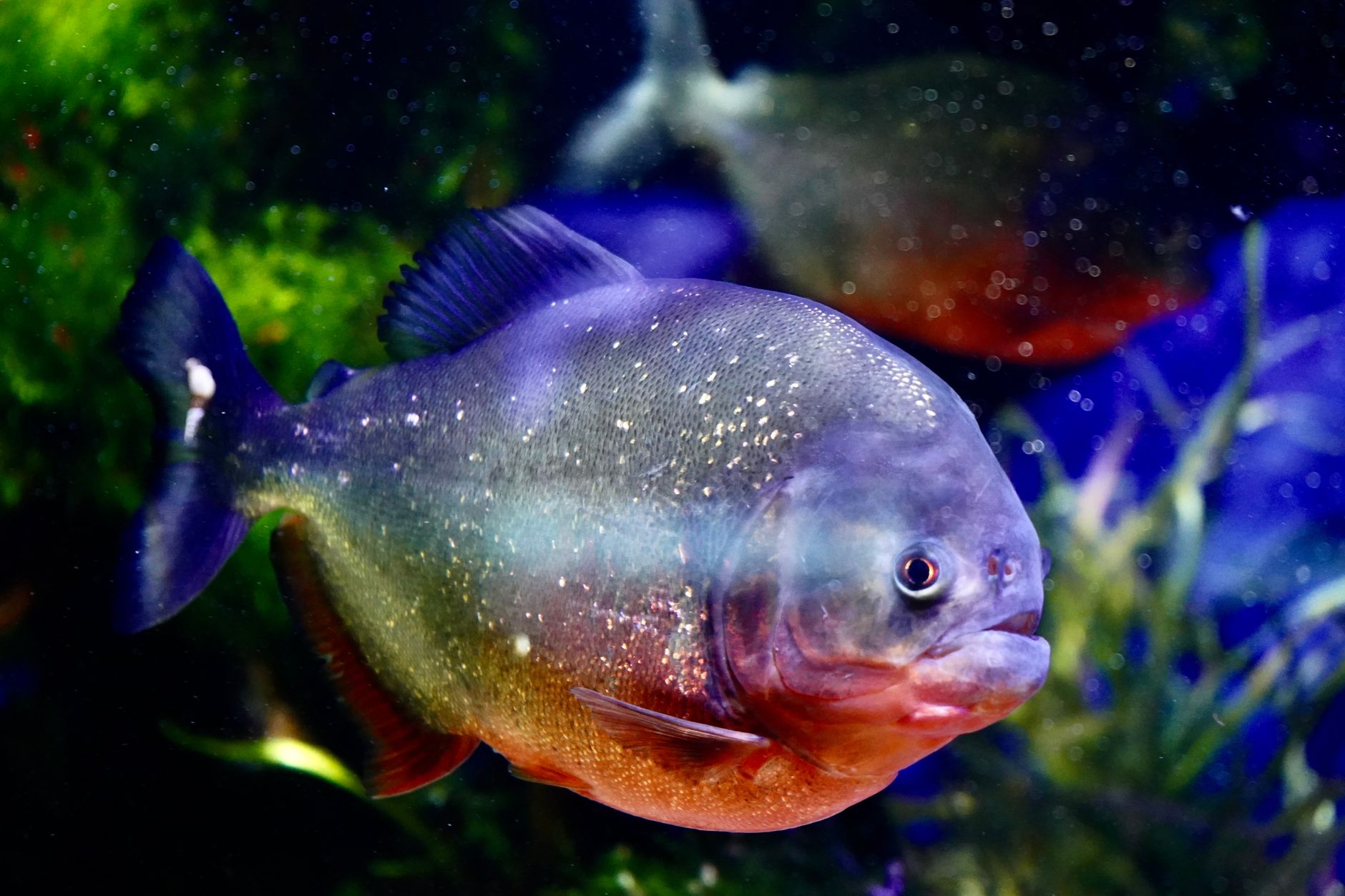
The most aggressive piranha is generally considered to be the red-bellied piranha (Pygocentrus nattereri), infamous for its schooling behavior and powerful jaws, capable of inflicting serious damage.

Introduction: The Fearsome Piranha
The image of the piranha, a small fish with an insatiable appetite and razor-sharp teeth, has been etched into the collective consciousness through popular culture. These freshwater fish, native to South America, inspire both fear and fascination. But what is the most aggressive piranha? Answering this question requires a nuanced understanding of piranha behavior, ecology, and the factors that contribute to their aggression. While sensationalized portrayals often exaggerate their ferocity, certain species do exhibit more aggressive tendencies than others.

What is the GREY African clawed frog?
Is distilled water good for goldfish?
Can you put your finger in a trout's mouth?
Is methylene blue anti bacterial?
Understanding Piranha Behavior
Piranha behavior is complex and influenced by several factors, including:
- Species: Different piranha species have varying levels of aggression.
- Environment: Water conditions, food availability, and habitat size can all influence behavior.
- Social Dynamics: Schooling behavior and hierarchy within a group can contribute to aggressive displays.
- Individual Variation: Just like any animal, individual piranhas can display different temperaments.
The Red-Bellied Piranha: A Prime Suspect
The red-bellied piranha (Pygocentrus nattereri) frequently tops the list when discussing piranha aggression. This notoriety stems from several key characteristics:
- Schooling Behavior: Red-bellied piranhas typically form large schools, which can amplify their predatory efficiency. This schooling behavior, although offering protection, can also lead to increased competition and aggression within the group.
- Powerful Jaws and Teeth: Their jaws are incredibly strong and armed with sharp, interlocking teeth, capable of delivering a powerful bite.
- Opportunistic Feeding: While not exclusively carnivorous, red-bellied piranhas are opportunistic feeders, readily consuming carrion, insects, crustaceans, and smaller fish. This adaptability contributes to their survival in diverse environments.
Other Contenders for the Aggression Title
While the red-bellied piranha is often considered the most aggressive piranha, other species also exhibit aggressive behaviors:
- Black Piranha (Serrasalmus rhombeus): Known for their solitary hunting habits and large size, black piranhas are formidable predators. Although less inclined to school, they are considered territorial and can be aggressive when defending their space.
- Wimple Piranha (Catoprion mento): This species exhibits a unique scale-eating behavior, which often involves aggressive encounters with other fish.
Factors Influencing Piranha Aggression
Several factors can influence the aggression levels of piranhas:
- Food Scarcity: When food is scarce, competition increases, leading to heightened aggression.
- Water Conditions: Poor water quality (e.g., low oxygen levels) can stress piranhas, making them more prone to aggressive behavior.
- Breeding Season: During breeding season, piranhas can become more territorial and aggressive as they defend their nests and young.
- Human Activity: Habitat destruction and pollution can disrupt piranha ecosystems, potentially altering their behavior.
Debunking Piranha Myths
It’s important to debunk some common myths surrounding piranhas:
- Piranhas are not mindless killers: They are opportunistic feeders that primarily scavenge or prey on smaller animals.
- Piranhas rarely attack humans: Attacks on humans are rare and typically occur when individuals enter the water with open wounds or during times of extreme food scarcity.
- Piranhas are not always aggressive: Their behavior depends on various factors, and they can coexist peacefully with other fish in the right conditions.
Conclusion: What is the most aggressive piranha?
While generalizations can be misleading, the red-bellied piranha most consistently demonstrates the traits associated with aggressive behavior. Its schooling behavior, powerful jaws, and opportunistic feeding habits make it a formidable predator in its native habitat. However, it’s crucial to remember that piranha behavior is complex and influenced by a variety of factors. Understanding these factors is essential for appreciating these fascinating creatures and dispelling common misconceptions.
Frequently Asked Questions (FAQs)
How strong is a piranha bite?
A piranha’s bite force is remarkably strong for its size. Studies have shown that the black piranha, in particular, possesses one of the most powerful bites relative to body size among bony fishes. This powerful bite allows them to consume tough prey items.
Are piranhas dangerous to humans?
While piranhas can inflict painful bites, attacks on humans are relatively rare. Most incidents involve individuals entering the water with open wounds or during periods of extreme drought when food is scarce. It’s generally safe to swim in areas where piranhas are present if precautions are taken.
What do piranhas eat?
Piranhas are opportunistic feeders with a varied diet. They consume a wide range of food items, including fish, insects, crustaceans, carrion, and occasionally plant matter. Their diet depends on their size, species, and the availability of food in their environment.
Do piranhas only eat meat?
While piranhas are primarily known for their carnivorous diet, some species also consume plant matter. This makes them omnivores to some extent. Red-bellied piranhas, for instance, have been observed to consume seeds and other plant material.
How do piranhas hunt?
Piranha hunting strategies vary depending on the species. Some piranhas, like the black piranha, are solitary hunters that ambush their prey. Others, like the red-bellied piranha, form large schools that can overwhelm larger animals.
What is the lifespan of a piranha?
The lifespan of a piranha varies depending on the species and environmental conditions. In the wild, piranhas typically live for around 8-10 years. In captivity, they can live longer, sometimes exceeding 15 years, given proper care and a suitable environment.
What kind of habitat do piranhas prefer?
Piranhas inhabit warm, freshwater rivers and streams in South America. They prefer areas with dense vegetation, which provides shelter and hunting opportunities. They are commonly found in the Amazon and Orinoco river basins.
Are piranhas kept as pets?
Yes, piranhas are sometimes kept as pets, but it’s a challenging and potentially dangerous undertaking. They require large tanks, specific water conditions, and a suitable diet. Furthermore, owning piranhas may be restricted or prohibited in some areas due to their potential invasiveness.
What role do piranhas play in their ecosystem?
Piranhas play an important role in maintaining the balance of their ecosystem. As scavengers, they help to remove carrion and prevent the spread of disease. As predators, they help to control populations of smaller fish and other animals.
How can piranha attacks be prevented?
Piranha attacks can be prevented by taking certain precautions, such as avoiding swimming in areas known to be infested with piranhas, especially during periods of low water levels or if you have open wounds. Avoid splashing or making sudden movements that could attract their attention.
Are all piranhas aggressive?
Not all piranhas are equally aggressive. While some species, like the red-bellied piranha, are known for their aggressive behavior, others are relatively peaceful. Aggression levels can also vary depending on environmental conditions and individual temperament.
Are piranhas endangered?
Most piranha species are not currently considered endangered. However, habitat destruction and pollution pose a threat to their populations. Conservation efforts are needed to protect their natural habitats and ensure their long-term survival.