

What is the Best Guard Animal?
Determining the best guard animal depends on your specific needs and environment, but for versatility, trainability, and overall effectiveness, the German Shepherd Dog often ranks as the top choice.

Introduction: Beyond the Burglar Alarm
The quest for safety and security is deeply ingrained in human nature. While modern technology offers sophisticated security systems, many still seek the primal assurance of a watchful guardian. But what is the best guard animal? The answer isn’t a simple one, as the ideal choice hinges on a variety of factors: the property size, the type of threat, the owner’s experience, and even the local climate. This exploration will delve into the world of guard animals, examining various contenders and providing the information necessary to make an informed decision.
Canine Considerations: The Reigning Champions
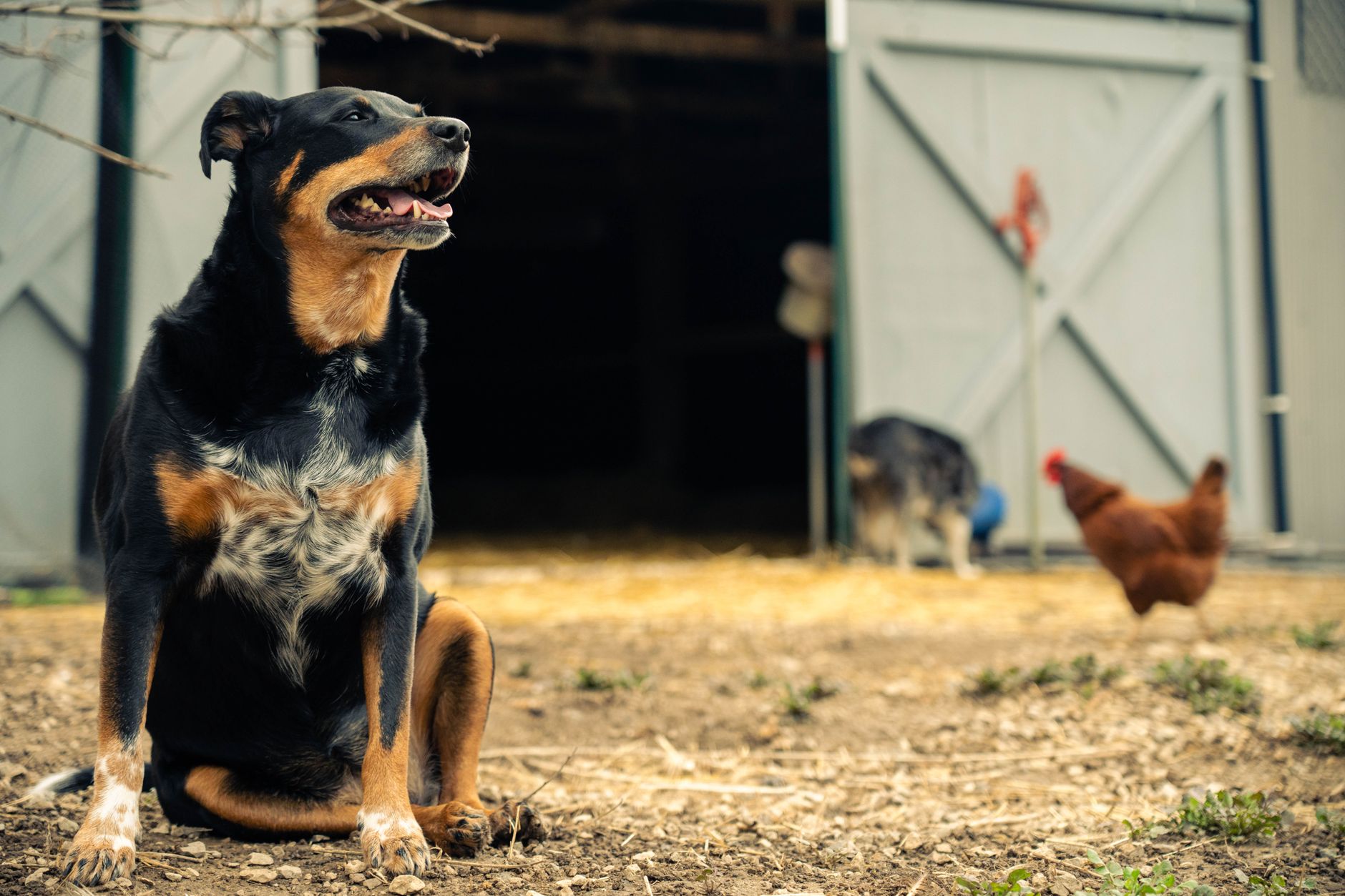
Dogs have long been humanity’s steadfast protectors, and several breeds excel in the role of guard animal. Their keen senses, inherent loyalty, and trainability make them formidable deterrents.
- German Shepherd Dog: Intelligent, courageous, and highly trainable, they are an excellent all-around choice.
- Rottweiler: Powerful and confident, Rottweilers possess a natural guarding instinct.
- Doberman Pinscher: Alert and agile, Dobermans are known for their speed and protectiveness.
- Giant Schnauzer: A robust and intelligent breed, the Giant Schnauzer makes an effective guard dog.
- Akita: Dignified and courageous, Akitas are fiercely loyal to their families and wary of strangers.
Beyond Canines: Alternative Guardians
While dogs dominate the guard animal landscape, other species can also provide valuable protection.
- Livestock Guardian Dogs (LGDs): Breeds like the Great Pyrenees, Anatolian Shepherd, and Komondor are specifically bred to protect livestock from predators. They form strong bonds with their charges and are highly effective in rural settings.
- Geese: Surprisingly effective, geese are highly territorial and vocal, alerting their owners to any intrusion.
- Llamas: In some agricultural settings, llamas can be used to guard sheep or other livestock. They are vigilant and will chase away predators.
Factors to Consider: Making the Right Choice
Choosing the right guard animal requires careful consideration. Here are some key factors:
- Your needs: Are you protecting a home, livestock, or a business?
- Your experience: Do you have experience training animals?
- Your environment: Is your property rural or urban? What is the climate like?
- Local laws and regulations: Are there breed restrictions or leash laws in your area?
- Budget: Can you afford the cost of food, vet care, and training?
Training is Key: Unleashing the Potential
Regardless of the species or breed, proper training is essential for a successful guard animal. This includes:
- Obedience training: Establishing basic commands like sit, stay, and come.
- Socialization: Exposing the animal to various people, places, and situations.
- Guard dog training: Teaching the animal to bark at strangers and deter intruders. This requires a professional trainer to ensure responsible and ethical methods are used.
Common Mistakes: Avoiding Pitfalls
- Choosing a breed based solely on appearance: Select a breed that is suitable for your needs and lifestyle.
- Neglecting socialization: A poorly socialized guard animal can become aggressive and dangerous.
- Using aggressive training methods: This can create fear and anxiety in the animal.
- Failing to provide adequate exercise and mental stimulation: A bored or frustrated guard animal can develop behavioral problems.
Comparing Popular Guard Animal Choices
| Animal | Pros | Cons | Ideal Environment |
|---|---|---|---|
| German Shepherd | Intelligent, trainable, versatile, loyal | Requires consistent training and socialization, prone to certain health issues | Suburban or rural, active families |
| Rottweiler | Powerful, protective, confident | Strong-willed, requires experienced owner, potential for liability issues | Rural, experienced owners |
| Great Pyrenees | Excellent livestock guardian, gentle with family | Requires large property, not suitable for urban environments, heavy shedding | Rural, farms, ranches |
| Geese | Alert, vocal, low-maintenance | No physical attack capability, noisy, can be aggressive towards strangers | Farms, large gardens |
| Llamas | Vigilant, protective of livestock, relatively low-maintenance | Requires large pasture, may not be effective against all predators | Farms, ranches, livestock operations |
The Bottom Line: Finding the Right Fit
Ultimately, the best guard animal is the one that best suits your individual needs and circumstances. Careful research, responsible training, and a commitment to the animal’s well-being are essential for a successful partnership.
Frequently Asked Questions (FAQs)
What is the best breed of dog for home protection?
While several breeds excel at home protection, the German Shepherd, Rottweiler, and Doberman Pinscher are consistently ranked among the top choices due to their intelligence, trainability, and natural guarding instincts. Choosing the right breed for you depends on your experience, lifestyle, and the specific threats you face.
Are guard dogs aggressive?
A well-trained guard dog should be protective, not aggressively vicious. Their primary purpose is to deter intruders through barking and intimidation, not to inflict harm unless absolutely necessary. Aggression is often a sign of poor training or a lack of socialization.
How much does it cost to train a guard dog?
The cost of guard dog training can vary significantly depending on the trainer’s experience, the location, and the length of the training program. Expect to pay anywhere from several hundred to several thousand dollars for professional guard dog training.
Can any dog be trained to be a guard dog?
While some breeds are naturally predisposed to guarding, most dogs can be trained to provide a level of protection. However, breeds with strong guarding instincts and high trainability are generally more successful in guard dog training programs.
Are geese good guard animals?
Yes, geese can be surprisingly effective guard animals. They are highly territorial and vocal, alerting their owners to any intrusion. While they lack physical attack capabilities, their loud honking can be a strong deterrent.
What is a livestock guardian dog (LGD)?
Livestock Guardian Dogs (LGDs) are breeds specifically bred to protect livestock from predators. They form strong bonds with their charges and are highly effective in rural settings. Common LGD breeds include the Great Pyrenees, Anatolian Shepherd, and Komondor.
Are llamas effective guard animals?
Llamas can be effective guard animals for sheep and other livestock. They are vigilant and will chase away predators. However, they may not be effective against all types of predators.
What are the legal considerations of owning a guard animal?
Owning a guard animal comes with legal responsibilities. It is essential to be aware of local leash laws, breed restrictions, and liability laws regarding dog bites. Consulting with an attorney to understand your legal obligations is recommended.
How do I choose a reputable guard dog trainer?
When choosing a guard dog trainer, look for someone with experience, certification, and a proven track record. Ask for references and observe the trainer’s methods to ensure they are ethical and humane.
What is the difference between a guard dog and a protection dog?
While the terms are often used interchangeably, a guard dog typically protects a property, while a protection dog is trained to protect an individual. Both require extensive training and socialization.
What are the alternatives to guard animals for home security?
Besides animals, homeowners have various security options, including alarm systems, security cameras, motion-activated lights, and strong door and window locks. Combining these technologies with a guard animal can provide a comprehensive security solution.
How important is socialization for a guard animal?
Socialization is crucial for a guard animal. A well-socialized guard animal is less likely to be aggressive towards strangers and will be better able to distinguish between a genuine threat and a harmless visitor. Early and consistent socialization is essential for a well-balanced and effective guard animal.