

What Farmers Use to Keep Mice Away: A Comprehensive Guide
Farmers employ a multifaceted approach to rodent control, incorporating everything from natural predators and physical barriers to strategic planting and, in some cases, carefully selected rodenticides. Understanding these strategies is crucial for protecting crops, livestock, and farm infrastructure from the destructive impact of mice.

Introduction: The Persistent Threat of Rodents on Farms
Rodents, particularly house mice (Mus musculus), pose a significant and ongoing challenge for farmers worldwide. Their relentless appetite leads to crop damage, feed contamination, and structural damage to buildings and equipment. What do farmers use to keep mice away? The answer is not a single solution but rather an integrated pest management (IPM) strategy tailored to the specific farm environment. This article delves into the diverse methods farmers employ to effectively manage and minimize rodent populations, ensuring the health and productivity of their agricultural operations.
Understanding the Rodent Problem
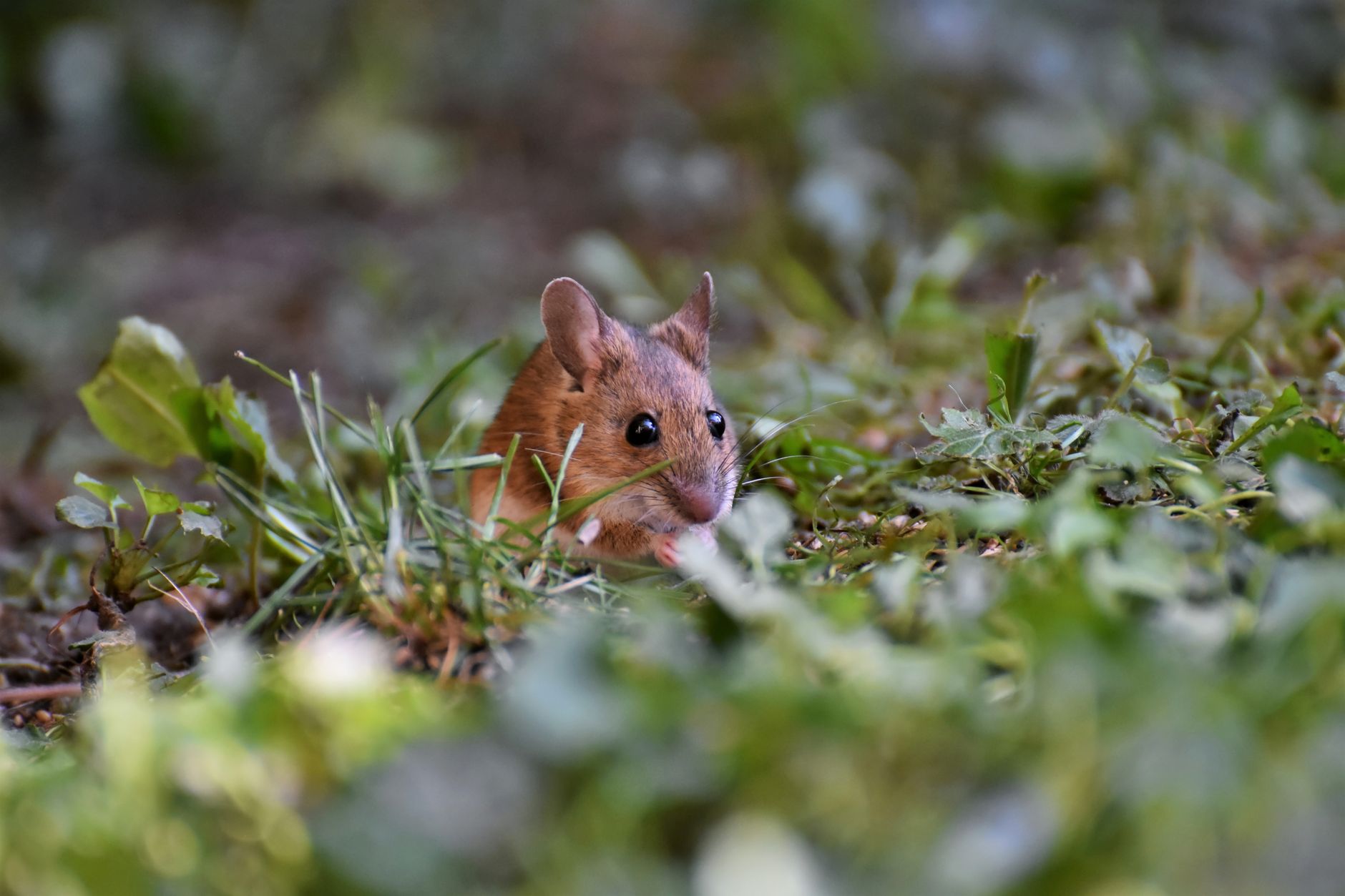
Mice are highly adaptable and prolific breeders, making them difficult to control. A single female mouse can produce multiple litters per year, with each litter containing several offspring. This rapid reproduction rate allows populations to explode quickly under favorable conditions, especially when food sources are abundant.
The damage inflicted by mice can be substantial:
- Crop damage: Mice consume seeds, seedlings, and mature crops in fields and storage.
- Feed contamination: Rodent droppings and urine contaminate animal feed, leading to illness and reduced productivity.
- Structural damage: Mice gnaw on electrical wiring, insulation, and wooden structures, creating fire hazards and compromising building integrity.
- Disease transmission: Mice can carry and transmit various diseases to humans and livestock.
Integrated Pest Management (IPM) for Rodent Control
IPM emphasizes a holistic approach that combines multiple control methods to minimize reliance on chemical pesticides. The key principles of IPM for rodent control include:
- Prevention: Implementing measures to prevent rodents from entering buildings and accessing food sources.
- Monitoring: Regularly monitoring rodent populations to assess the effectiveness of control measures.
- Sanitation: Maintaining a clean and clutter-free environment to reduce food and harborage sites.
- Exclusion: Sealing entry points to prevent rodents from entering buildings.
- Trapping: Using traps to capture and remove rodents.
- Biological control: Encouraging natural predators to help control rodent populations.
- Rodenticides: Using rodenticides as a last resort, selecting the least toxic options and applying them safely and responsibly.
Physical Barriers and Exclusion Techniques
One of the most effective strategies to keep mice away is to prevent them from entering buildings in the first place. Physical barriers and exclusion techniques are crucial components of any rodent control program.
- Seal entry points: Seal cracks and holes in foundations, walls, and roofs with concrete, metal flashing, or caulk.
- Install door sweeps: Install door sweeps on exterior doors to prevent rodents from entering under the door.
- Cover windows and vents: Cover windows and vents with wire mesh to prevent rodents from entering through these openings.
- Maintain vegetation: Keep vegetation trimmed back from buildings to reduce harborage sites and access routes.
- Elevate feed and grain: Store feed and grain in rodent-proof containers or elevate them off the ground.
Natural Predators and Biological Control
Encouraging natural predators of mice, such as owls, hawks, and cats, can help control rodent populations. Farmers can create habitats that attract these predators by providing nesting sites and roosting perches.
- Install owl boxes: Owl boxes provide nesting sites for owls, which are highly effective rodent predators.
- Maintain hedgerows and wooded areas: Hedgerows and wooded areas provide habitat for natural predators.
- Employ barn cats: Barn cats can help control rodent populations in and around farm buildings, but they should be properly cared for and vaccinated.
- Consider avian perches: Installing perches provides hawks and other birds of prey with vantage points for hunting rodents.
Trapping Techniques
Trapping is a common and effective method for controlling rodent populations. Various types of traps are available, including snap traps, glue traps, and live traps.
- Snap traps: Snap traps are a traditional and effective method for killing mice.
- Glue traps: Glue traps capture mice on a sticky surface, but they can be inhumane.
- Live traps: Live traps capture mice without killing them, allowing them to be relocated. However, relocation can be stressful for the animals, and they may not survive in a new environment.
- Placement is key: Place traps in areas where mice are active, such as along walls, behind appliances, and in corners.
- Use bait effectively: Bait traps with peanut butter, cheese, or other attractants.
Strategic Planting and Crop Management
Certain agricultural practices can deter rodents or reduce their access to food. These strategies often involve careful planning and crop selection.
- Crop rotation: Rotating crops can disrupt rodent feeding patterns and reduce their populations.
- Weed control: Controlling weeds reduces harborage sites and food sources for rodents.
- Prompt harvesting: Harvesting crops promptly reduces the amount of food available to rodents.
- Clean up spills: Clean up spilled grain and feed promptly to prevent attracting rodents.
- Composting Practices: Compost piles can attract rodents. Maintain them far away from buildings and ensure the piles are properly managed (turned frequently, appropriate ratios of green and brown material) to reduce attractants.
Rodenticides: A Last Resort
Rodenticides should be used as a last resort when other control methods have failed. It is crucial to select the least toxic option and apply it safely and responsibly.
- Anticoagulant rodenticides: Anticoagulant rodenticides interfere with blood clotting, causing internal bleeding.
- Acute rodenticides: Acute rodenticides are fast-acting poisons that can kill mice quickly.
- Use bait stations: Place rodenticides in bait stations to prevent non-target animals from accessing them.
- Follow label instructions: Always follow label instructions carefully when using rodenticides.
- Consider professional help: Consult with a pest control professional for guidance on using rodenticides safely and effectively.
Comparing Different Methods: Pros and Cons
The following table summarizes the pros and cons of different methods farmers use to keep mice away:
| Method | Pros | Cons |
|---|---|---|
| Physical Barriers | Effective prevention, long-term solution | Requires thorough inspection and maintenance, can be costly initially |
| Natural Predators | Environmentally friendly, sustainable | May not provide immediate control, effectiveness varies |
| Trapping | Targeted control, can be used in sensitive areas | Requires regular monitoring and emptying, can be labor-intensive |
| Strategic Planting | Integrates with existing farming practices, environmentally friendly | May not be effective in all situations, requires careful planning |
| Rodenticides | Quick control, effective for large infestations | Potential for non-target poisoning, environmental concerns |
Common Mistakes in Rodent Control
- Failing to identify entry points: Inadequate sealing of entry points renders other control efforts ineffective.
- Poor sanitation: Neglecting sanitation provides rodents with food and harborage.
- Improper trap placement: Placing traps in areas where rodents are not active reduces their effectiveness.
- Over-reliance on rodenticides: Overusing rodenticides can lead to resistance and environmental contamination.
- Ignoring monitoring: Failing to monitor rodent populations prevents early detection of problems and assessment of control effectiveness.
Conclusion: An Integrated Approach to Rodent Management
What do farmers use to keep mice away? Effective rodent control requires a comprehensive and integrated approach. By implementing IPM strategies that combine prevention, exclusion, trapping, biological control, and, when necessary, the responsible use of rodenticides, farmers can minimize the impact of rodents on their operations and protect their crops, livestock, and livelihoods. A proactive and adaptable approach is essential for long-term success in rodent management.

Frequently Asked Questions (FAQs)
How can I tell if I have a mouse infestation?
Signs of a mouse infestation include droppings, gnaw marks, footprints, nesting materials, and a musky odor. You may also hear scratching or scurrying sounds, especially at night.
What is the best bait to use in mouse traps?
Peanut butter is a highly effective bait for mouse traps, as it is attractive, readily available, and difficult for mice to remove without triggering the trap. Other effective baits include cheese, chocolate, and bacon.
Are ultrasonic pest repellers effective for keeping mice away?
The effectiveness of ultrasonic pest repellers is highly debated, and many studies have shown them to be ineffective at repelling mice. Mice often become accustomed to the ultrasonic sounds, rendering the devices useless.
How often should I check mouse traps?
You should check mouse traps at least once a day, or even more frequently if you suspect a heavy infestation. Remove dead mice promptly to prevent odors and attract other pests.
What should I do with a mouse after I catch it in a live trap?
If you catch a mouse in a live trap, relocate it to a suitable habitat at least a mile away from your property. However, be aware that relocated mice may not survive in a new environment and may simply return to their original location. It is also important to check local regulations regarding the release of live animals.
Can mice climb walls?
Yes, mice are excellent climbers and can easily climb rough surfaces, such as brick or wood. They can also squeeze through very small openings, as small as a dime.
How long do mice live?
The average lifespan of a house mouse is about one year in the wild, but they can live longer in captivity.
What diseases can mice transmit?
Mice can transmit various diseases to humans, including Hantavirus, Salmonella, and Leptospirosis.
Are some types of farms more prone to mouse infestations?
Yes, farms that store large quantities of grain or feed are particularly prone to mouse infestations. Dairy farms and poultry farms can also be attractive to mice due to the availability of food and water.
How can I prevent mice from nesting in my hay bales?
Store hay bales off the ground on pallets or gravel to prevent mice from nesting in them. Regularly inspect hay bales for signs of rodent activity.
What are the environmental concerns associated with rodenticides?
Rodenticides can pose a risk to non-target animals, such as owls, hawks, and pets, if they consume poisoned rodents. They can also contaminate soil and water. Consider using rodenticides within secure, tamper-resistant bait stations.
Is it possible to completely eliminate mice from a farm?
Completely eliminating mice from a farm is often difficult, if not impossible, but effective IPM strategies can significantly reduce their populations and minimize their impact. Consistent monitoring and proactive measures are key to long-term success.