

How to Keep Your Anemone Happy: A Comprehensive Guide
Want to know how do I keep my anemone happy? The key to a thriving anemone lies in meticulous attention to water quality, proper lighting, appropriate feeding, and creating a stable environment resembling its natural habitat. Following these guidelines will drastically increase your chances of success.
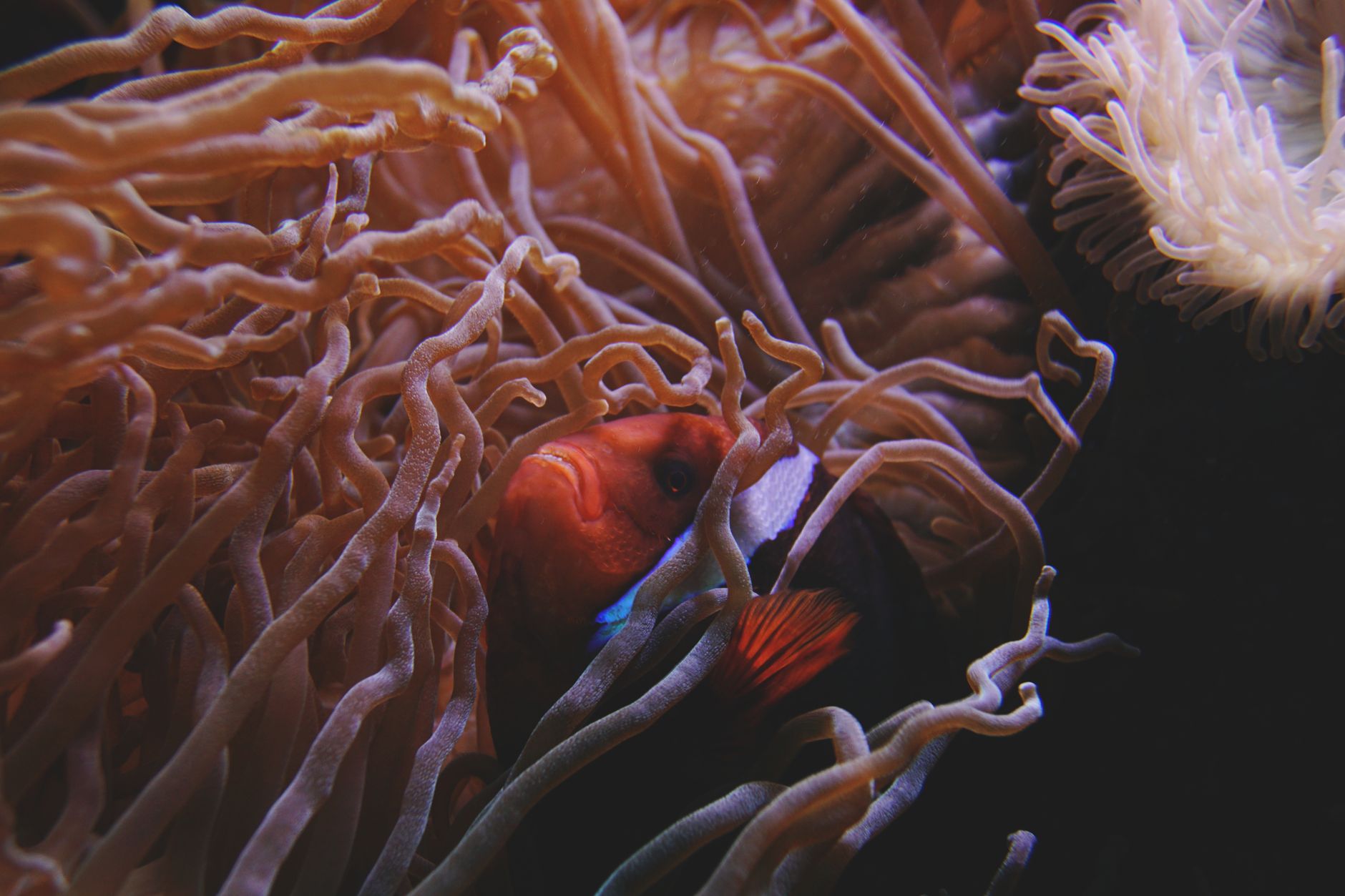
Anemones are captivating additions to saltwater aquariums, bringing vibrant color and movement. However, these delicate invertebrates demand specific care to thrive. Understanding their needs is crucial for ensuring their long-term health and happiness, preventing stress and potential death. This comprehensive guide will equip you with the knowledge and practical steps needed to create an ideal environment for your anemone, so you can answer the question, “How do I keep my anemone happy?” with confidence.
The Natural Habitat: Understanding Your Anemone’s Needs
Before diving into the specifics of aquarium care, it’s vital to understand the natural environment of anemones. Most anemones are found in tropical and subtropical waters, attached to rocks or the seabed. They rely on symbiotic relationships with zooxanthellae, algae living within their tissues, which provide them with energy through photosynthesis. This dependence on light and clean water dictates the fundamental requirements for their captive care.
Essential Aquarium Parameters

Maintaining stable and optimal water parameters is paramount for anemone health. Fluctuations in temperature, salinity, and pH can quickly stress these sensitive creatures.
- Temperature: Keep the water temperature between 76°F and 82°F (24°C to 28°C).
- Salinity: Maintain a stable salinity level between 1.024 and 1.026 specific gravity.
- pH: The pH should be kept within a range of 8.1 to 8.4.
- Ammonia, Nitrite, and Nitrate: These should ideally be zero. Nitrates should be kept as low as possible, ideally below 5 ppm.
- Alkalinity: Maintain alkalinity between 8 and 12 dKH.
- Calcium: Target calcium levels between 400 and 450 ppm.
Regular water testing and adjustments are essential. Invest in a reliable test kit and perform water changes regularly to maintain these parameters within the optimal range.
The Importance of Lighting
As mentioned earlier, anemones rely on zooxanthellae for energy production. Therefore, providing adequate lighting is crucial for their survival. The type and intensity of lighting required will vary depending on the species of anemone.
Here’s a basic guide:
| Anemone Type | Lighting Requirement |
|---|---|
| Bubble Tip Anemone | Moderate to High |
| Carpet Anemone | High |
| Long Tentacle Anemone | Moderate |
| Rock Flower Anemone | Low to Moderate |
Research the specific lighting requirements for your anemone species. Metal halide, LED, and T5 fluorescent lights are all viable options, but choose a fixture that provides the appropriate spectrum and intensity. Slowly acclimate the anemone to the new lighting to prevent shocking it.
Feeding Your Anemone
While anemones obtain energy from zooxanthellae, they also benefit from supplemental feeding. This is especially important for newly introduced anemones or those showing signs of stress.
- Feed small pieces of meaty food, such as mysis shrimp, brine shrimp, or finely chopped seafood, directly to the anemone’s mouth using tongs or a turkey baster.
- Feed once or twice a week, depending on the anemone’s size and species.
- Observe the anemone’s feeding response. A healthy anemone will readily accept food.
Overfeeding can lead to water quality issues, so be mindful of the amount of food you provide.
Creating a Safe and Stable Environment
Anemones are susceptible to stress from rapid changes in their environment. To ensure their well-being:
- Acclimation: Acclimate new anemones slowly to your aquarium’s water parameters. Drip acclimation is the preferred method.
- Flow: Provide moderate water flow. Anemones need flow to bring them food and remove waste. Avoid strong, direct flow, as this can damage their tissues.
- Tank Mates: Choose tank mates carefully. Aggressive fish or invertebrates may harass or even eat anemones. Clownfish are natural symbionts with many anemone species and can help keep them clean.
- Prevent Wandering: Ensure the aquarium is stable and large enough for the anemone. Wandering anemones can get caught in powerheads or overflow boxes, leading to injury or death. Consider using anemone guards or rockwork to create a designated area for the anemone.
Recognizing Signs of Stress
Early detection of stress is crucial for preventing serious health problems in anemones. Be vigilant for the following signs:
- Shrinking or Deflated Tentacles: This is often a sign of poor water quality, insufficient lighting, or starvation.
- Loss of Color: Bleaching, or loss of color, indicates that the zooxanthellae are being expelled from the anemone’s tissues due to stress.
- Failure to Attach: A healthy anemone will attach firmly to a rock or the substrate.
- Excessive Mucus Production: This can be a sign of irritation or infection.
- Withdrawal: An anemone that remains closed for extended periods is likely stressed.
If you observe any of these signs, immediately assess your water parameters, lighting, and flow, and make adjustments as needed. Prompt action can often save a struggling anemone.
Common Mistakes to Avoid
Many new reef aquarists make common mistakes that can harm their anemones. Avoid these pitfalls to increase your chances of success:
- Introducing Anemones Too Early: Wait until your aquarium is well-established (at least six months) before introducing an anemone. This allows the biological filter to mature and stabilize water parameters.
- Ignoring Water Quality: Neglecting regular water testing and changes is a recipe for disaster.
- Inadequate Lighting: Using insufficient lighting is a common cause of anemone bleaching and starvation.
- Improper Acclimation: Rushing the acclimation process can shock the anemone and increase its susceptibility to disease.
- Using Copper-Based Medications: Copper is toxic to anemones and other invertebrates. Avoid using medications containing copper in your reef aquarium.

Frequently Asked Questions (FAQs)
What type of anemone is best for a beginner?
The Bubble Tip Anemone (Entacmaea quadricolor) is generally considered the easiest anemone for beginners to keep. It’s relatively hardy, adaptable to a range of lighting conditions, and readily hosts clownfish. However, remember that even “easy” anemones require proper care and stable water parameters.
How long does it take for an anemone to attach to a rock?
It can take anywhere from a few hours to several days for an anemone to attach to a rock. Provide a suitable surface, such as a smooth rock or piece of rubble. Avoid forcing the anemone to attach, as this can damage its foot. Ensure the anemone is in an area with moderate flow and not being disturbed by other tank inhabitants.
Why is my anemone moving around the tank?
Anemones move around the tank for several reasons, including insufficient lighting, poor water flow, or unfavorable water parameters. They are searching for a more suitable location. Ensure your lighting and water parameters are optimal. If the movement persists, consider creating a more stable environment or providing additional rockwork for attachment.
What do I do if my anemone gets stung by coral?
Coral stings can harm anemones. Observe the affected area for signs of tissue damage or infection. If the stinging is severe, consider moving the anemone to a separate quarantine tank to allow it to recover. Improve water quality and provide supplemental feeding to support healing. Consider relocating corals away from the anemone.
Can I touch my anemone?
While brief, accidental contact is generally harmless, avoid prolonged or repeated touching of your anemone. This can stress the anemone and remove its protective mucus layer, making it more susceptible to infection. Handle anemones only when absolutely necessary, such as when moving them to a new location.
How often should I change the water in my anemone tank?
Regular water changes are crucial for maintaining optimal water quality. Perform water changes of 10-20% every one to two weeks. Use saltwater that is properly mixed and matched to the existing aquarium parameters (temperature, salinity, pH). Larger tanks will often experience fewer fluctuations and may not require as frequent changes, but testing should always be performed to dictate water change schedule.
Is it normal for my anemone to close up sometimes?
Yes, it’s normal for anemones to close up occasionally. This can be due to a variety of factors, such as changes in lighting, water flow, or feeding. As long as the anemone opens up again within a reasonable amount of time (a few hours to a day) and shows no other signs of stress, there’s usually no cause for concern. However, prolonged closure warrants investigation of the aquarium conditions.
What are the best clownfish to pair with anemones?
Many clownfish species will readily host in anemones. Popular choices include Ocellaris Clownfish (Amphiprion ocellaris), Percula Clownfish (Amphiprion percula), and Maroon Clownfish (Premnas biaculeatus). Research the specific anemone-clownfish compatibility to ensure a harmonious pairing. Be aware that not all clownfish will immediately host in an anemone.
What are the signs of an anemone splitting?
Anemones reproduce asexually through a process called fission, or splitting. Signs that an anemone is splitting include a constriction in the middle of the anemone’s body, the formation of two separate mouths, and ultimately, the separation of the anemone into two identical individuals. Maintaining stable water parameters and providing adequate lighting and feeding can encourage anemone splitting.
How do I prevent my anemone from getting sucked into a powerhead?
Anemones can be injured or killed if they get sucked into a powerhead. To prevent this, use powerhead guards or create a designated area for the anemone using rockwork. Position powerheads in a way that minimizes the risk of the anemone coming into contact with them. Regularly inspect your aquarium equipment to ensure it is functioning properly.
Can I keep different types of anemones together?
It’s generally not recommended to keep different types of anemones together, as they may compete for space and resources. Some anemones can also sting or chemically irritate other species. If you choose to keep multiple anemones, provide ample space and ensure that they are compatible with each other.
What are the best foods to feed my anemone?
The best foods to feed anemones are small, meaty items such as mysis shrimp, brine shrimp, finely chopped seafood, and commercially available anemone foods. Target feed the anemone directly with tongs or a turkey baster. Vary the diet to ensure the anemone receives a balanced nutritional intake. How do I keep my anemone happy? By providing a varied and high-quality diet, along with consistent aquarium care.