
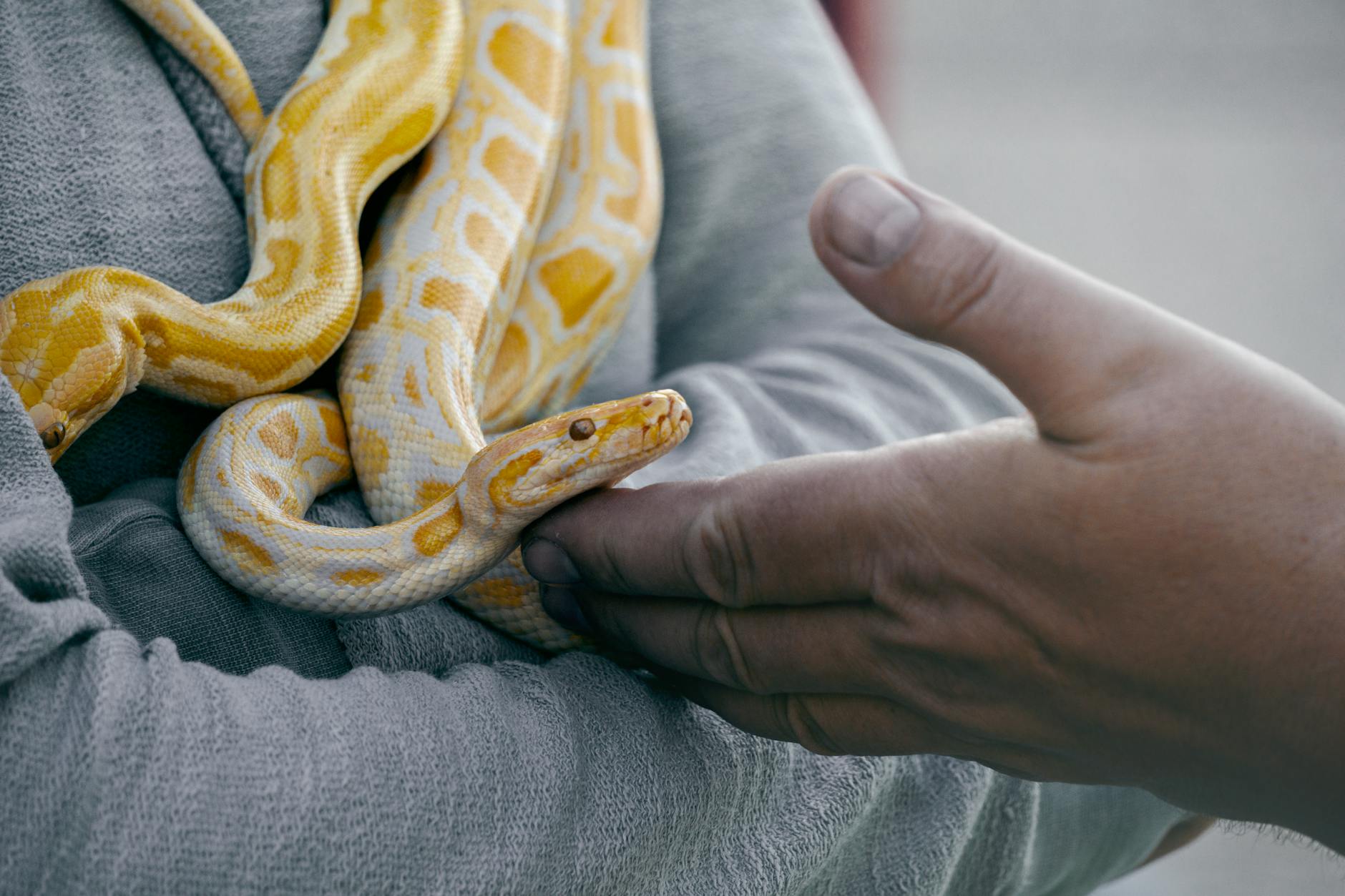
What is a Zoophobia of Snakes? Unveiling Ophidiophobia
Ophidiophobia, or the fear of snakes, is a prevalent zoophobia characterized by an extreme, irrational, and persistent fear of snakes. What is a Zoophobia of snakes? It’s more than just a dislike; it’s a debilitating anxiety that can significantly impact a person’s life.
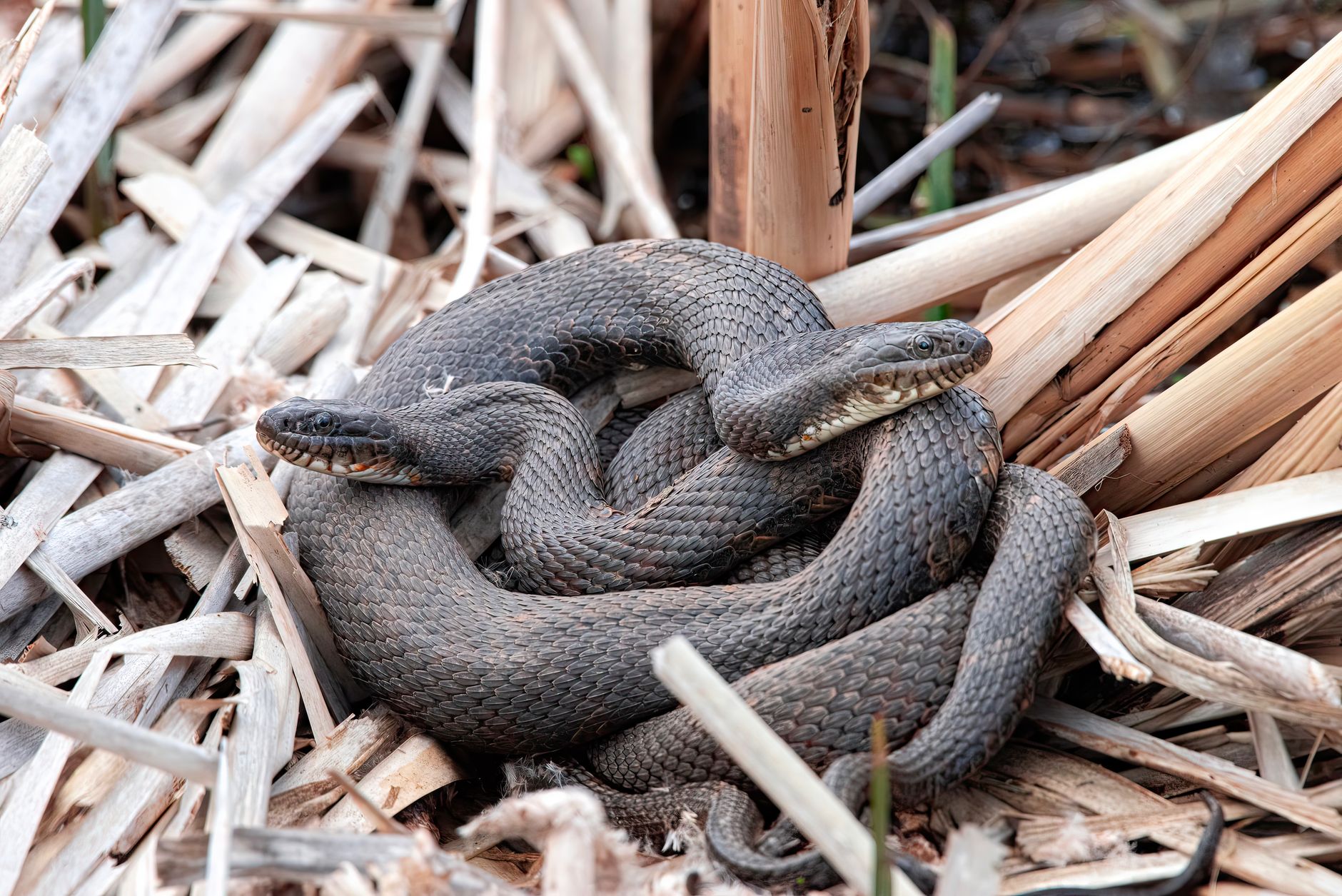
Understanding Ophidiophobia
Ophidiophobia, the specific zoophobia concerning snakes, ranks among the most common phobias worldwide. It’s important to distinguish between a healthy caution around snakes and a genuine phobia. While caution is a reasonable response to potentially dangerous animals, a phobia involves an overwhelming and irrational fear that can trigger panic attacks, avoidance behaviors, and significant distress even in the absence of a real threat.

What is the GREY African clawed frog?
Is distilled water good for goldfish?
What colours are fish most attracted to?
Can you put your finger in a trout's mouth?
Origins and Causes

The roots of ophidiophobia are multifaceted and likely involve a combination of evolutionary predispositions, learned behaviors, and personal experiences.
- Evolutionary Predisposition: Some researchers suggest that humans may be genetically predisposed to fear snakes due to their historical danger. Snakes have posed a threat to humans throughout evolution, and this threat may have ingrained a fear response in our DNA.
- Learned Behavior: Fear of snakes can also be learned through observation. Children who witness their parents or other significant figures reacting with fear to snakes may develop the same phobia.
- Traumatic Experiences: A direct negative encounter with a snake, such as being bitten or startled, can trigger a phobia. However, even indirect experiences, like hearing frightening stories about snakes, can contribute to its development.
- Cultural Influences: In some cultures, snakes are depicted as symbols of evil or danger, which can contribute to the prevalence of ophidiophobia.
Symptoms of Ophidiophobia
The symptoms of ophidiophobia can vary in intensity from mild anxiety to full-blown panic attacks. These symptoms can be triggered by seeing a snake in real life, in a picture, or even by thinking about snakes. Common symptoms include:
- Physical Symptoms:
- Increased heart rate
- Sweating
- Trembling
- Shortness of breath
- Nausea
- Dizziness
- Chest pain
- Psychological Symptoms:
- Intense anxiety or panic
- Overwhelming fear
- A sense of unreality
- Fear of losing control
- Avoidance behaviors (e.g., avoiding zoos, nature documentaries, or even certain geographical areas)
Diagnosis and Treatment
Ophidiophobia is typically diagnosed by a mental health professional based on a thorough assessment of the individual’s symptoms, history, and the impact of the phobia on their daily life.
Effective treatments are available and can significantly reduce or eliminate the fear. Common treatment approaches include:
- Exposure Therapy: This involves gradually exposing the individual to snakes in a controlled and safe environment. The exposure can start with pictures or videos of snakes and progress to real snakes. The goal is to help the individual learn to manage their anxiety and realize that their fear is not justified.
- Cognitive Behavioral Therapy (CBT): CBT focuses on identifying and challenging negative thoughts and beliefs about snakes. The therapist helps the individual develop more realistic and rational ways of thinking about snakes.
- Medication: In some cases, medication may be used to manage anxiety symptoms associated with the phobia. This is usually used in conjunction with therapy.
- Relaxation Techniques: Techniques such as deep breathing, meditation, and progressive muscle relaxation can help individuals manage their anxiety symptoms.
Distinguishing Ophidiophobia from a Normal Fear of Snakes
| Feature | Normal Fear of Snakes | Ophidiophobia |
|---|---|---|
| Intensity | Mild to moderate anxiety | Extreme anxiety, panic attacks |
| Rationality | Based on a realistic assessment of danger | Irrational and disproportionate to the actual threat |
| Impact on Life | Minimal impact on daily activities | Significant disruption to daily life, avoidance behaviors |
| Control | Able to manage fear | Feeling out of control, overwhelmed by fear |
| Distress | Discomfort, but not overwhelming | Severe distress, impacting overall well-being |
Management and Coping Strategies
In addition to professional treatment, there are several strategies that individuals with ophidiophobia can use to manage their fear:
- Education: Learning about snakes can help to demystify them and reduce fear. Understanding their behavior, habitat, and importance in the ecosystem can make them seem less frightening.
- Mindfulness: Practicing mindfulness can help individuals stay present in the moment and manage their anxiety.
- Support Groups: Connecting with others who have similar phobias can provide support and encouragement.
- Self-Exposure: Gradually exposing oneself to snakes in a controlled manner (e.g., watching videos, visiting a zoo) can help to desensitize the individual to their fear.
Frequently Asked Questions
What is the difference between a fear of snakes and ophidiophobia?
A fear of snakes is a common and often rational reaction to a potentially dangerous animal. Ophidiophobia, however, is an extreme, irrational, and persistent fear that significantly impacts a person’s life, often causing panic attacks and avoidance behaviors.
Is ophidiophobia a common phobia?
Yes, ophidiophobia is one of the most common phobias, affecting a significant portion of the population. The prevalence rates vary depending on the study, but it’s consistently ranked among the top phobias.
What causes ophidiophobia to develop?
The development of ophidiophobia is likely a result of a combination of factors, including evolutionary predisposition, learned behaviors, traumatic experiences, and cultural influences. There’s no single cause, and it can vary from person to person.
What are the physical symptoms of ophidiophobia?
Physical symptoms can include increased heart rate, sweating, trembling, shortness of breath, nausea, dizziness, and chest pain. These symptoms are triggered by the perceived threat of snakes.
What are the psychological symptoms of ophidiophobia?
Psychological symptoms include intense anxiety or panic, overwhelming fear, a sense of unreality, fear of losing control, and avoidance behaviors. These symptoms can be extremely distressing and disruptive.
How is ophidiophobia diagnosed?
Ophidiophobia is diagnosed by a mental health professional through a thorough assessment of the individual’s symptoms, history, and the impact of the phobia on their daily life. Specific diagnostic criteria are used to determine if the fear meets the threshold for a phobia.
What is exposure therapy for ophidiophobia?
Exposure therapy involves gradually exposing the individual to snakes in a controlled and safe environment. This can start with pictures or videos and progress to real snakes. The goal is to help the individual manage their anxiety and realize their fear is often not justified.
How effective is cognitive behavioral therapy (CBT) for treating ophidiophobia?
CBT is a highly effective treatment for ophidiophobia. It focuses on identifying and challenging negative thoughts and beliefs about snakes, helping individuals develop more realistic and rational ways of thinking.
Are there medications that can help with ophidiophobia?
While medication isn’t a cure, it can help manage anxiety symptoms associated with the phobia. It’s usually used in conjunction with therapy.
Can I overcome ophidiophobia on my own?
While self-help strategies can be helpful, overcoming ophidiophobia is best achieved with professional guidance. A therapist can provide support, structure, and evidence-based techniques to effectively manage the phobia.
What is a Zoophobia of snakes for children?
For children, understanding ophidiophobia involves explaining that fear is a normal emotion, but that the phobia is an exaggerated fear that can be managed. Simple explanations and gradual exposure can be helpful, but professional help is often recommended.
Where can I find help for my ophidiophobia?
You can find help by contacting a mental health professional specializing in anxiety disorders. You can also search for local therapists or online resources that offer support and treatment for phobias.
By understanding what is a Zoophobia of snakes, individuals can seek appropriate help and take steps to manage and overcome their fear.