

What is a Rare Coral? Unveiling Ocean’s Hidden Gems
A rare coral refers to a coral species with extremely limited distribution, small population sizes, unique genetic makeup, or facing significant threats to its survival, making them exceptionally valuable and vulnerable components of marine ecosystems.

Introduction: A Dive into the Depths of Rarity
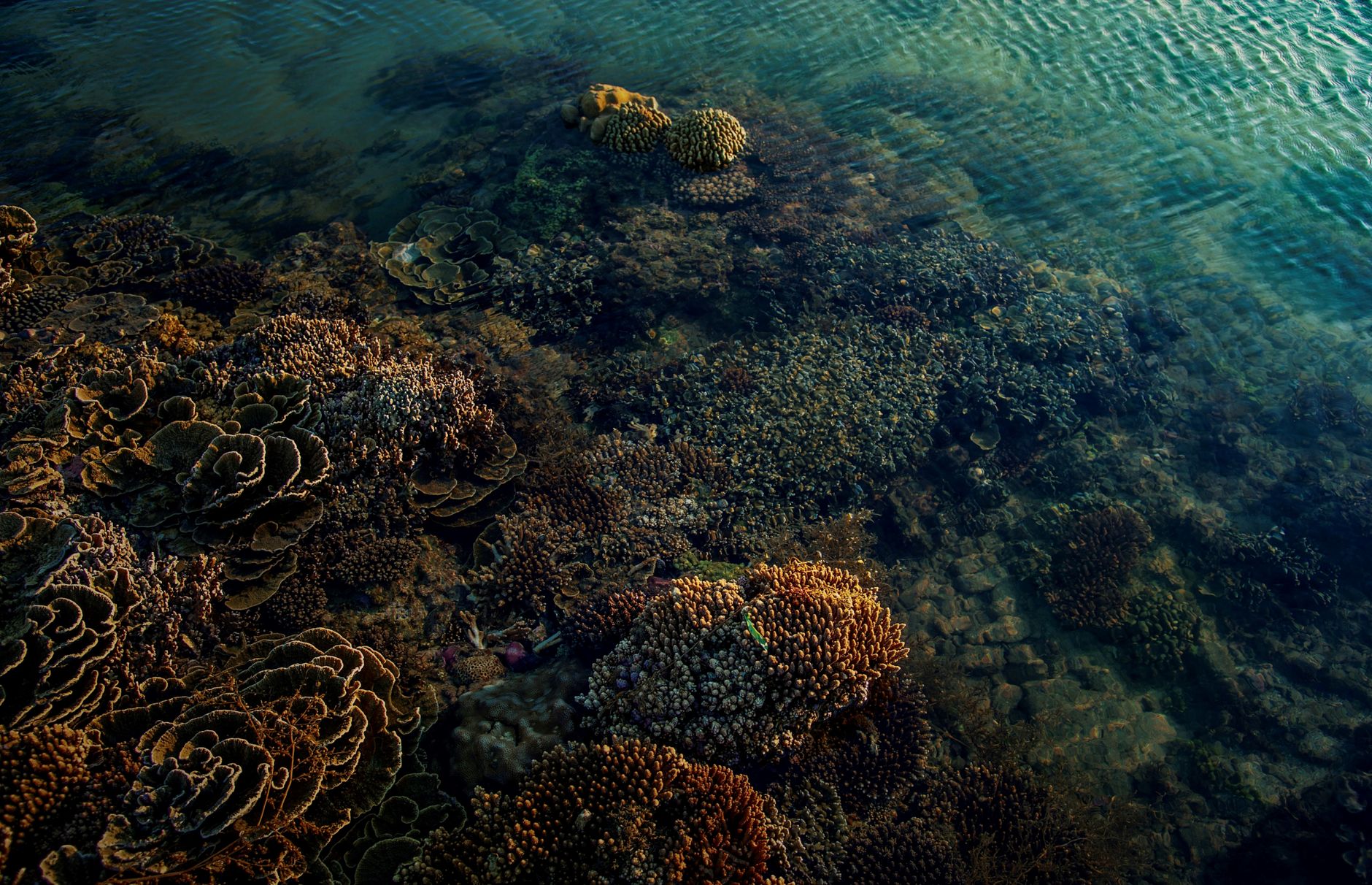
Coral reefs, often dubbed the rainforests of the sea, are vibrant ecosystems teeming with life. Within these underwater metropolises, a select few coral species stand out due to their rarity. What is a rare coral? The answer isn’t as simple as counting numbers. Rarity encompasses several factors, from limited geographic range to specialized habitat requirements, making these corals particularly susceptible to environmental changes and human activities. Understanding the characteristics and conservation needs of rare corals is crucial for preserving the biodiversity and health of our oceans.
Is distilled water good for goldfish?
What colours are fish most attracted to?
Can you put your finger in a trout's mouth?
Is methylene blue anti bacterial?
Defining Rarity in the Coral World

Defining rarity in corals is complex and nuanced. Unlike easily countable organisms, coral colonies can vary greatly in size and interconnectedness. Furthermore, deep-sea corals are notoriously difficult to survey, leading to potential underestimation of their true abundance. Generally, a coral is considered rare if it exhibits one or more of the following traits:
- Limited Geographic Distribution: Species found only in a specific region or a few isolated locations are considered rare. This restricted range makes them vulnerable to localized threats.
- Small Population Size: Even if widely distributed, a coral species with a low overall population is considered rare. These species are prone to genetic bottlenecks and inbreeding depression.
- Specialized Habitat Requirements: Corals that thrive only in specific conditions (e.g., particular depth, light levels, or water flow) are rare because suitable habitats are limited.
- Unique Genetic Lineage: Some corals represent unique evolutionary branches. Their rarity lies not just in their numbers but in their irreplaceable genetic information.
- Threatened Status: If a coral species is facing significant threats (e.g., climate change, pollution, overfishing) that dramatically reduce its population, it can be considered functionally rare, even if it’s relatively common currently.
Factors Contributing to Coral Rarity
Several factors can contribute to a coral species becoming rare:
- Climate Change: Rising ocean temperatures and ocean acidification are major drivers of coral bleaching and mortality, disproportionately affecting susceptible species.
- Pollution: Runoff from land-based sources, including agricultural fertilizers and industrial waste, can pollute coastal waters and harm coral reefs.
- Overfishing: Removing key herbivores, like parrotfish, can lead to algal overgrowth, which smothers corals.
- Habitat Destruction: Coastal development, destructive fishing practices (e.g., dynamite fishing), and dredging can physically damage or destroy coral reefs.
- Disease: Coral diseases, often exacerbated by environmental stress, can rapidly decimate coral populations.
Why Protecting Rare Corals Matters
The preservation of rare corals is paramount for several reasons:
- Biodiversity Conservation: Rare corals contribute to the overall biodiversity of coral reef ecosystems. Their loss can trigger cascading effects throughout the food web.
- Ecosystem Function: Even rare species can play unique roles in their ecosystems, contributing to nutrient cycling, habitat provision, and other essential functions.
- Genetic Resources: Rare corals may possess unique genetic adaptations that could be valuable for future research or conservation efforts, especially in the face of climate change.
- Potential for Discovery: Many rare corals are poorly understood. Studying them could lead to new discoveries about coral biology, ecology, and evolution.
- Ethical Considerations: We have an ethical responsibility to protect all species, including rare corals, from extinction.
Conservation Strategies for Rare Corals
Effective conservation strategies are crucial for protecting rare corals from extinction. These strategies include:
- Reducing Climate Change Impacts: Globally, reducing greenhouse gas emissions is essential for mitigating ocean warming and acidification.
- Managing Local Threats: Locally, efforts to reduce pollution, control overfishing, and prevent habitat destruction are vital.
- Marine Protected Areas (MPAs): Establishing and effectively managing MPAs can provide refuge for rare corals and allow their populations to recover.
- Coral Restoration: Active coral restoration efforts, such as coral gardening and translocation, can help to restore damaged reefs and re-establish rare coral populations.
- Research and Monitoring: Continued research and monitoring are essential for understanding the distribution, abundance, and health of rare corals, as well as the effectiveness of conservation efforts.
- Public Awareness: Educating the public about the importance of coral reefs and the threats they face can help to galvanize support for conservation efforts.
Examples of Rare Coral Species
Several coral species are considered rare due to the factors outlined above. These include:
- Dendrogyra cylindrus (Pillar Coral): Found in the Caribbean, this iconic coral has suffered drastic population declines due to disease and climate change.
- Acropora cervicornis (Staghorn Coral): Once a dominant species in the Caribbean, staghorn coral populations have been decimated by disease and bleaching.
- Pachyseris rugosa (Elephant Skin Coral): Found in the Indo-Pacific, this deep-water coral is slow-growing and vulnerable to habitat destruction.
- Leptoseris fragilis (Fragile Lettuce Coral): Found in the Pacific, this coral is named for its delicate, easily-broken form. It’s found at deeper depths, making it vulnerable to deep-sea trawling.
Table: Comparing Common and Rare Coral Traits
| Feature | Common Coral Species | Rare Coral Species |
|---|---|---|
| Geographic Range | Wide | Limited |
| Population Size | Large | Small |
| Habitat Requirements | Broad | Specific |
| Genetic Diversity | Relatively High | Potentially Lower |
| Vulnerability | Generally More Resilient | Highly Vulnerable to Disturbances |
The Future of Rare Corals
The future of rare corals hangs in the balance. While the challenges are significant, there is hope. By implementing effective conservation strategies and raising public awareness, we can help to protect these ocean gems and ensure that they continue to thrive for generations to come. Understanding what is a rare coral? is the first step in protecting these fragile ecosystems.
Frequently Asked Questions About Rare Corals
What makes a coral “rare” biologically?
Biologically, a coral is considered rare if it possesses unique genetic characteristics or exhibits traits not commonly found in other coral species. This can include distinct physiological adaptations or specialized symbiotic relationships, making them vulnerable to environmental changes that other corals might withstand.
Are all rare corals also endangered?
Not necessarily, but most rare corals are at an increased risk of endangerment. While rarity refers to a limited population or distribution, endangerment signifies an imminent threat of extinction. A rare coral might be naturally uncommon, but if facing stressors like habitat loss or climate change, it quickly becomes endangered.
How do scientists determine if a coral species is rare?
Scientists use various methods, including field surveys, genetic analysis, and historical data comparisons, to determine coral rarity. They assess population size, geographic distribution, and habitat specificity. Genetic studies are crucial for identifying unique lineages and understanding the evolutionary history of these corals.
Can rare corals be found in both shallow and deep-sea environments?
Yes, rare corals can be found in both shallow and deep-sea environments. Shallow-water reefs may harbor rare species with specific habitat needs, while deep-sea environments often contain corals with limited distributions due to the challenges of exploration and the unique conditions required for their survival.
What role do rare corals play in the overall health of coral reef ecosystems?
Even though rare corals are not abundant, they can play essential roles in the ecosystem. They can contribute unique genetic diversity, provide specialized habitats for other species, and potentially offer resilience to environmental changes. Losing these rare species can reduce the overall complexity and stability of the reef ecosystem.
What are the biggest threats to rare corals?
The biggest threats to rare corals are generally the same as those facing coral reefs globally, but their rarity makes them more vulnerable. These include climate change (ocean warming and acidification), pollution, overfishing, habitat destruction, and coral diseases. Because their populations are small or localized, these threats can have devastating impacts.
How can divers and snorkelers help protect rare corals?
Divers and snorkelers can play a crucial role in protecting rare corals by practicing responsible diving techniques. This includes avoiding contact with corals, maintaining good buoyancy control, not touching or feeding marine life, and reporting any unusual coral sightings or damage to local authorities.
Are there specific areas in the world where rare corals are more commonly found?
Yes, some regions are hotspots for rare coral species. These include parts of the Indo-Pacific, the Caribbean, and isolated island reefs. These areas often have unique environmental conditions or have been historically isolated, leading to the evolution of specialized coral species.
What is being done to protect rare corals from extinction?
Conservation efforts for rare corals include establishing marine protected areas (MPAs), implementing coral restoration projects, conducting research and monitoring, and raising public awareness. Reducing carbon emissions to mitigate climate change is also critically important for their long-term survival.
Can rare corals be successfully propagated in aquariums or coral farms?
Yes, some rare corals can be successfully propagated in aquariums and coral farms. This can help to increase their populations and provide a source for restoration efforts. However, it requires specialized knowledge and care to replicate the conditions that these corals need to thrive. Furthermore, it must be done legally, sustainably, and ethically.
What can individuals do to support the conservation of rare corals in their daily lives?
Individuals can support coral conservation by reducing their carbon footprint, supporting sustainable seafood choices, avoiding products that harm coral reefs (e.g., certain sunscreens), and donating to or volunteering with coral reef conservation organizations. Every action, no matter how small, can make a difference.
What happens to coral reef ecosystems if rare corals disappear completely?
If rare corals were to disappear completely, coral reef ecosystems would become less diverse, less resilient, and potentially less functional. The loss of these unique species could disrupt ecological processes, reduce habitat availability for other organisms, and ultimately weaken the overall health and stability of the reef.