
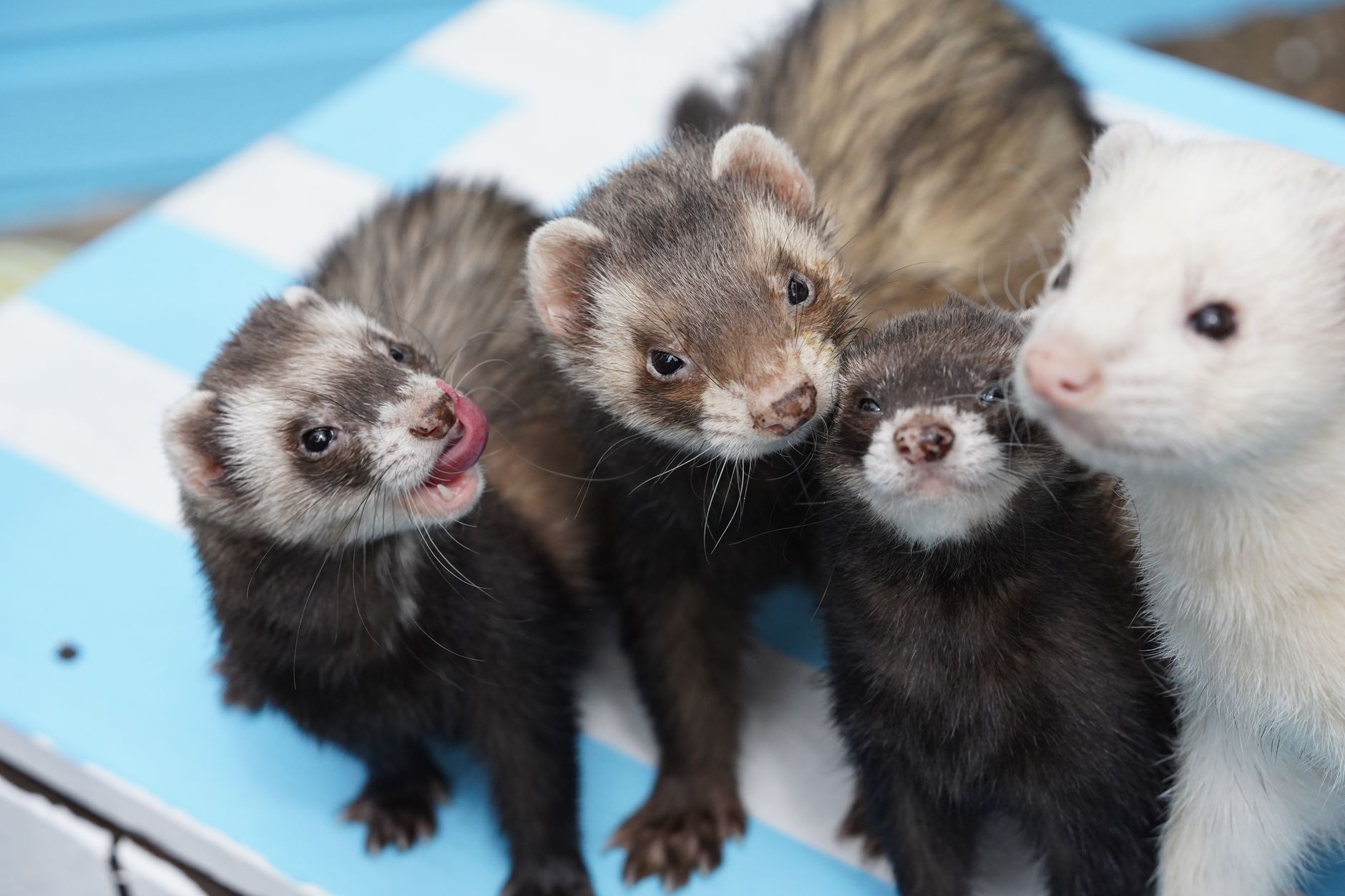
What Insects Can Ferrets Eat?
Ferrets can eat certain insects as a treat or supplemental food, but it’s crucial to understand which insects are safe and nutritious, and which pose risks. This guide provides essential information on offering insects to your ferret, ensuring their well-being.
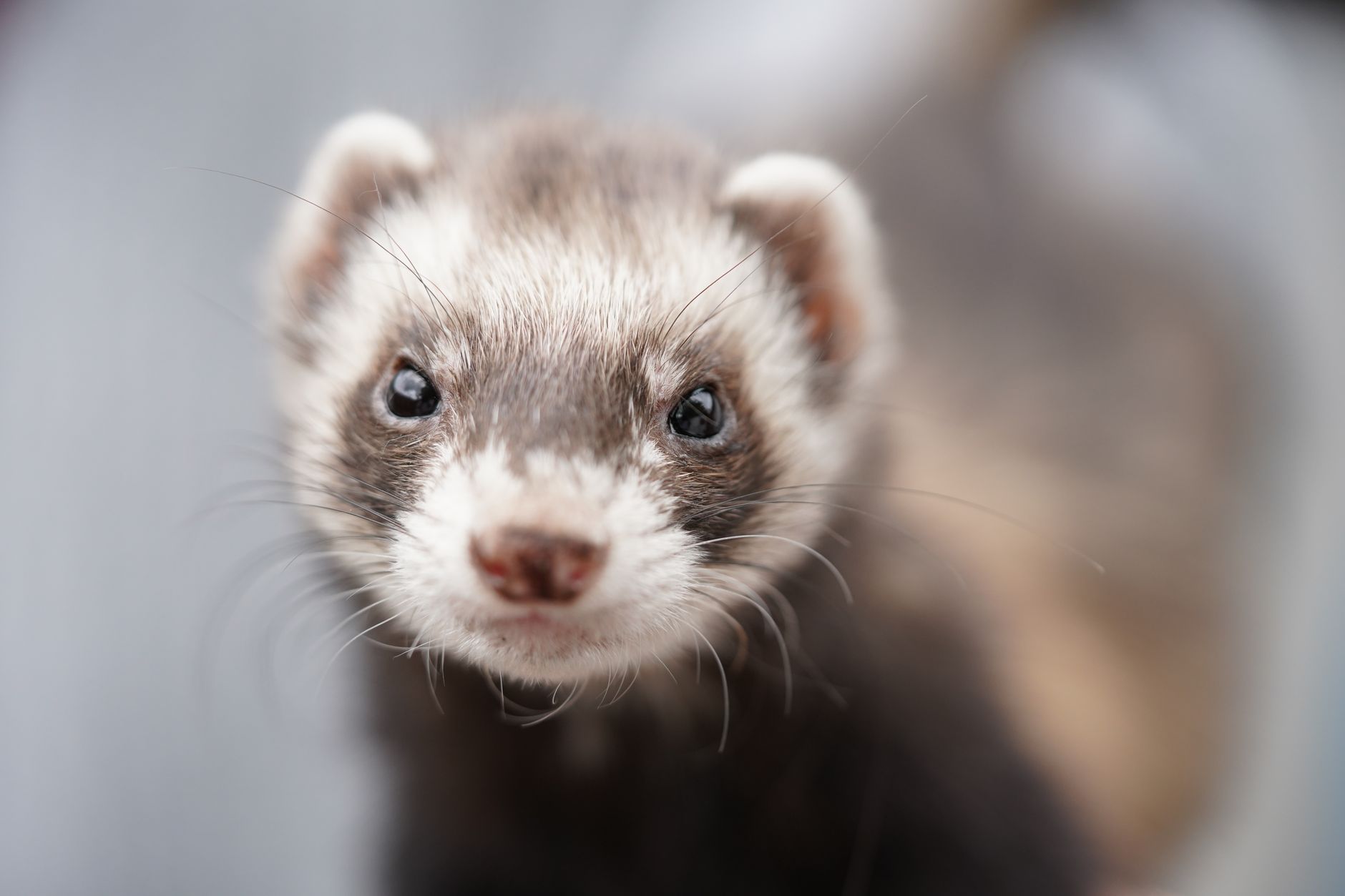
Introduction: The Insectivorous Ancestry of Ferrets
Ferrets, while domesticated, retain their carnivorous and, to some extent, insectivorous heritage. Their wild ancestors would have readily consumed insects as part of their natural diet. However, domestic ferrets primarily rely on commercially available ferret food. Introducing insects can offer enrichment and mimic their natural feeding habits, but it’s vital to do so responsibly. What insects can ferrets eat? Not all are suitable, and improper introduction can lead to health problems.
What is the GREY African clawed frog?
Is distilled water good for goldfish?
What colours are fish most attracted to?
Can you put your finger in a trout's mouth?
Benefits of Including Insects in a Ferret’s Diet

Supplementing a ferret’s diet with insects can offer several potential benefits, primarily as a treat or occasional addition, not as a replacement for their main food.
- Enrichment: Hunting and consuming insects can provide mental stimulation and physical activity, reducing boredom and improving overall well-being.
- Nutritional Value: Certain insects are excellent sources of protein, healthy fats, and essential nutrients, supplementing their regular diet.
- Digestive Health: The chitin in insect exoskeletons can act as a prebiotic, promoting beneficial gut bacteria. However, this benefit is very marginal in the amounts ferrets would typically eat.
Safe Insects for Ferrets
Knowing what insects can ferrets eat safely is paramount. Only offer insects from reputable sources that guarantee they are free from pesticides, diseases, and parasites.
- Mealworms (Tenebrio molitor): A common and readily available option. They are high in protein and fat. Offer in moderation due to their high fat content.
- Crickets (Acheta domestica): Another popular choice, crickets are a good source of protein. Gut-loading crickets with nutritious food before offering them to your ferret further enhances their nutritional value.
- Dubia Roaches (Blaptica dubia): A highly nutritious option, offering a good balance of protein and fat. They are also relatively easy to breed.
- Waxworms (Galleria mellonella): High in fat, waxworms should be considered occasional treats only. They are not a suitable staple due to their fat content.
Insects to Avoid
Some insects are definitely not safe for ferrets and should be avoided at all costs. This includes:
- Wild-caught insects: These may carry pesticides, parasites, or diseases that can harm your ferret.
- Insects treated with pesticides: Always verify the source of your insects to ensure they are safe and free from harmful chemicals.
- Insects with hard exoskeletons: While small amounts of chitin are beneficial, excessive amounts can cause digestive upset or impaction. This includes insects like beetles.
- Fireflies/Lightning Bugs: These insects are toxic to ferrets (and many other animals) and must never be fed to them.
Preparing Insects for Your Ferret
Proper preparation is essential to ensure your ferret’s safety and enjoyment.
- Gut-loading: Feed insects nutritious foods like fruits, vegetables, and commercial gut-loading diets for 24-48 hours before offering them to your ferret.
- Dusting: Lightly dust insects with calcium powder to help maintain a healthy calcium-to-phosphorus ratio in your ferret’s diet.
- Offering: You can offer insects live, frozen/thawed, or dried. Live insects provide the most enrichment, but frozen/thawed insects are easier to handle and store.
Introducing Insects to Your Ferret’s Diet
Introduce insects gradually to your ferret’s diet to avoid digestive upset.
- Start with a small amount, such as 1-2 insects per day.
- Observe your ferret for any signs of digestive problems, such as diarrhea or vomiting.
- If your ferret tolerates the insects well, you can gradually increase the amount you offer. Always consider insects supplemental, and limit them accordingly.
Potential Risks and Precautions
While insects can be a beneficial addition, be aware of potential risks.
- Allergies: Some ferrets may be allergic to certain insects. Introduce new insects slowly and monitor for any allergic reactions, such as itching, skin rashes, or breathing difficulties.
- Choking Hazard: Ensure insects are appropriately sized for your ferret to avoid choking.
- Nutritional Imbalance: Relying solely on insects can lead to nutritional deficiencies. Always provide a balanced diet of high-quality ferret food.
Table: Comparing Popular Insect Options
| Insect | Protein Content | Fat Content | Ease of Acquisition | Considerations |
|---|---|---|---|---|
| Mealworms | High | Very High | Easy | Limit due to high fat content. |
| Crickets | High | Moderate | Easy | Gut-loading recommended. |
| Dubia Roaches | High | Moderate | Moderate | Excellent nutritional profile. |
| Waxworms | Low | Very High | Easy | Treat only, very high fat. |
Frequently Asked Questions (FAQs)
How often should I feed my ferret insects?
Insects should be offered as a treat or supplement, not as a staple food. Aim for no more than 2-3 times per week, and always in moderation. Overfeeding insects, especially those high in fat, can lead to obesity and other health problems.
Can I feed my ferret insects I find in my garden?
No, absolutely not. Wild-caught insects can carry pesticides, parasites, and diseases that can be harmful to your ferret. Only feed insects from reputable sources.
Are dried insects as nutritious as live insects?
Dried insects can be a convenient option, but they may lose some of their nutritional value during the drying process. Always choose reputable brands that use gentle drying methods to preserve nutrients.
What should I do if my ferret refuses to eat insects?
Some ferrets may be hesitant to try new foods. Try offering different types of insects or mixing them with your ferret’s favorite food. Patience and persistence are key. If your ferret still refuses, don’t force it.
Can baby ferrets (kits) eat insects?
It’s best to wait until kits are fully weaned before introducing insects. Start with very small pieces and monitor them closely for any digestive issues.
How do I store insects?
Live insects should be stored in well-ventilated containers with food and water. Frozen insects should be stored in airtight bags or containers in the freezer. Dried insects should be stored in a cool, dry place.
What are the signs of an allergic reaction to insects in ferrets?
Signs of an allergic reaction can include itching, skin rashes, hives, sneezing, coughing, difficulty breathing, and vomiting. If you suspect an allergic reaction, contact your veterinarian immediately.
Do insects need calcium supplementation for ferrets?
Yes. Many feeder insects have a poor calcium-to-phosphorus ratio. Dusting them with a calcium supplement before feeding them to your ferret is recommended to help prevent metabolic bone disease.
Are there any ethical considerations when feeding insects to ferrets?
Some people may have ethical concerns about feeding live insects to their pets. Consider the welfare of the insects and choose sources that prioritize humane treatment.
What size insects are appropriate for ferrets?
Choose insects that are appropriately sized for your ferret to prevent choking. Insects should be smaller than your ferret’s head.
Can ferrets eat mealworm beetles?
While mealworms are fine, feeding the beetles that mealworms turn into is not recommended. Their harder exoskeletons may be difficult for ferrets to digest.
Where can I buy safe insects for my ferret?
Look for reputable breeders, pet stores, or online retailers that specialize in feeder insects. Ensure they can guarantee the insects are free from pesticides and parasites.