

What Happens If You Eat Bad Ceviche? The Expert’s Guide
Eating bad ceviche can lead to severe food poisoning, characterized by intense gastrointestinal distress; promptly recognizing the symptoms and seeking medical attention is crucial to prevent long-term health complications. What happens if you eat bad ceviche? It’s likely a bout of unpleasant and potentially dangerous illness.

Understanding Ceviche and Its Risks
Ceviche, a beloved dish across Latin America, relies on marinating raw fish in citrus juices, typically lime or lemon. The acidity of the citrus denatures the proteins in the fish, giving it a cooked-like texture and flavor. However, this process doesn’t always eliminate all harmful bacteria or parasites that may be present in the fish. Consuming improperly prepared or stored ceviche poses significant health risks.
The Allure of Ceviche: A Culinary Delight
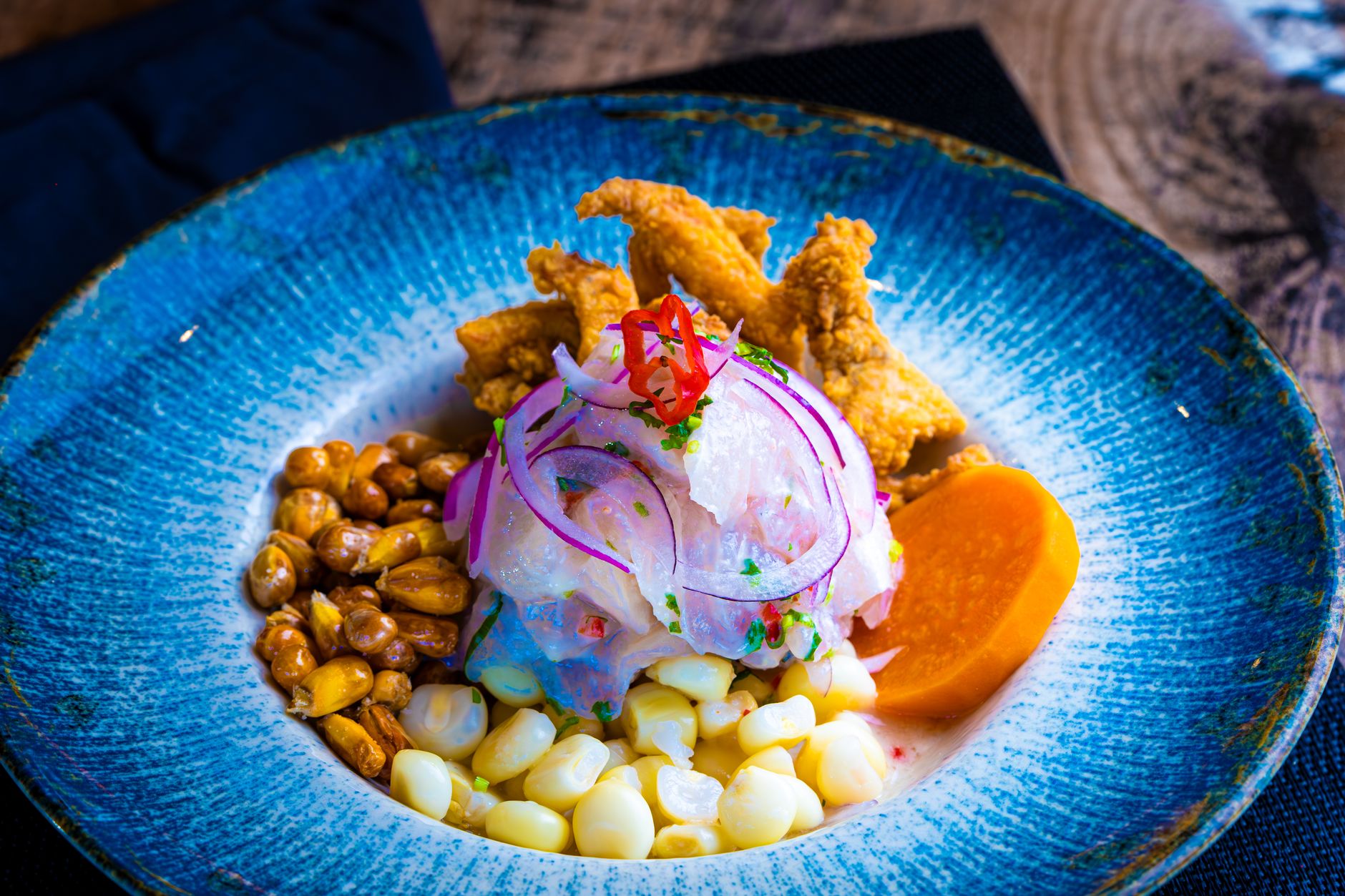
Despite the potential dangers, ceviche remains a popular dish due to its:
- Fresh, vibrant flavors: The citrus marinade infuses the fish with a tangy zest, often complemented by the addition of onions, peppers, and cilantro.
- Relatively simple preparation: While proper handling is critical, the basic recipe involves marinating fish rather than lengthy cooking processes.
- Nutritional value: Fish is a good source of protein and omega-3 fatty acids, contributing to a healthy diet.
- Cultural significance: In many Latin American countries, ceviche holds deep cultural roots, representing a culinary tradition passed down through generations.
The Danger Zone: Improper Handling and Bacteria
The key risk associated with ceviche lies in the raw or undercooked nature of the fish. Improper handling and storage can lead to the proliferation of harmful bacteria, such as:
- Vibrio species: These bacteria thrive in warm marine environments and can cause severe gastroenteritis.
- Salmonella: A common cause of food poisoning, often associated with cross-contamination.
- E. coli: Certain strains of E. coli can produce toxins that lead to severe abdominal cramps and diarrhea.
- Parasites: Anisakiasis, or herring worm disease, is caused by consuming raw fish containing larvae of the Anisakis worm.
Identifying “Bad” Ceviche: Warning Signs
Recognizing the signs of spoiled ceviche is crucial for preventing illness. Watch out for:
- Foul odor: A strong, fishy, or ammonia-like smell indicates spoilage.
- Slimy texture: The fish should have a firm, not slimy, consistency.
- Discoloration: Avoid ceviche with unusual colors or darkened areas.
- Sour or off-putting taste: If the ceviche tastes unusually sour or “off,” discard it immediately.
- Improper storage: Ceviche left unrefrigerated for more than two hours is likely unsafe to eat.
Symptoms of Ceviche-Related Food Poisoning
What happens if you eat bad ceviche? The symptoms can vary depending on the contaminant, but common signs include:
- Nausea and vomiting
- Diarrhea
- Abdominal cramps and pain
- Fever
- Chills
- Headache
- Muscle aches
Symptoms can appear anywhere from a few hours to several days after consuming the contaminated ceviche.
Preventing Ceviche-Related Illness: Best Practices
To minimize the risk of getting sick from ceviche, follow these precautions:
- Source high-quality, fresh fish: Purchase fish from reputable suppliers who adhere to strict hygiene standards.
- Ensure proper refrigeration: Keep the fish refrigerated at a temperature of 40°F (4°C) or below.
- Use clean utensils and surfaces: Avoid cross-contamination by using separate cutting boards and utensils for raw fish and other foods.
- Marinate in sufficient citrus juice: Ensure the fish is fully submerged in citrus juice for an adequate amount of time. While the citrus denatures proteins, it does not kill all bacteria or parasites.
- Consume ceviche promptly: Don’t let ceviche sit at room temperature for more than two hours.
- Consider freezing the fish: Freezing fish at -4°F (-20°C) for at least seven days can kill parasites like Anisakis. However, freezing does not eliminate bacteria.
- If pregnant or immunocompromised, avoid raw fish.
First Aid and When to Seek Medical Attention
If you suspect you have food poisoning from ceviche, take these steps:
- Stay hydrated: Drink plenty of clear fluids to replace lost electrolytes.
- Rest: Allow your body to recover.
- Avoid solid foods: Start with easily digestible foods like broth and toast.
- Seek medical attention: If symptoms are severe (e.g., high fever, bloody stool, severe dehydration) or persist for more than 24 hours, consult a doctor immediately. Prompt treatment can prevent serious complications.
The Dangers of Delaying Treatment
Ignoring the symptoms of food poisoning after eating potentially bad ceviche can lead to:
- Dehydration: Severe dehydration can cause organ damage and even death.
- Kidney failure: Certain bacteria can produce toxins that damage the kidneys.
- Neurological complications: In rare cases, food poisoning can lead to neurological problems such as paralysis.
- Sepsis: A life-threatening condition caused by the body’s overwhelming response to an infection.
Global Variations in Ceviche Preparation and Risk
Ceviche preparation techniques vary across different regions of Latin America, impacting the level of risk:
| Region | Common Fish | Marinade | Additional Ingredients | Risk Level |
|---|---|---|---|---|
| Peru | Sea Bass, Sole | Lime Juice | Onions, Peppers | Moderate |
| Ecuador | Shrimp, Corvina | Lemon Juice | Tomatoes, Cilantro | Moderate |
| Mexico | White Fish, Shrimp | Lime Juice | Onions, Jalapeños | Moderate |
| Panama | Corvina | Lemon Juice | Onions, Celery | Low to Moderate |
The Role of Regulation and Enforcement
Governments and food safety agencies play a crucial role in regulating the preparation and sale of ceviche:
- Establishment of safety standards: Setting guidelines for handling, storage, and preparation.
- Inspection of restaurants and seafood markets: Ensuring compliance with safety standards.
- Education and training: Providing information to food handlers and consumers about the risks of consuming raw fish.
- Enforcement of regulations: Imposing penalties for violations of food safety standards.
Frequently Asked Questions (FAQs)
What is the active ingredient in the citrus that “cooks” the fish?
The active ingredient is citric acid, which denatures the proteins in the fish, causing them to unfold and coagulate, mimicking the effects of heat. However, the acid concentration and exposure time must be sufficient, and even then, it doesn’t guarantee complete elimination of pathogens.
How long is ceviche typically marinated?
The marination time varies depending on the type of fish and the desired texture. Generally, it ranges from 15 minutes to a few hours. The longer the marination, the firmer the fish becomes, but extended marination doesn’t necessarily make it safer.
Can you make ceviche with frozen fish to reduce the risk of parasites?
Yes, freezing fish at -4°F (-20°C) for at least seven days is an effective way to kill parasites. However, it doesn’t eliminate bacteria, so proper handling and storage are still essential.
Is there a way to test fish for bacteria before making ceviche?
Home testing for bacteria is generally not feasible. Relying on reputable suppliers and following safe handling practices are the best ways to minimize the risk. Commercial seafood processors may use laboratory testing, but this is not common practice for consumers.
What is Anisakiasis, and how is it treated?
Anisakiasis is a parasitic infection caused by consuming raw or undercooked fish containing Anisakis larvae. Symptoms include abdominal pain, nausea, and vomiting. Treatment typically involves removing the worm endoscopically or allowing the infection to resolve on its own.
What happens if you eat bad ceviche while pregnant?
Consuming bad ceviche during pregnancy poses a higher risk due to the potential harm to the developing fetus. Food poisoning can lead to dehydration, which can affect the baby, and certain bacteria and parasites can cross the placenta and cause serious complications. It’s strongly advised to avoid raw fish during pregnancy.
Is there a way to make ceviche safe for people with compromised immune systems?
For immunocompromised individuals, it’s best to avoid ceviche altogether. If you choose to consume it, ensure the fish is sourced from a highly reputable supplier, properly frozen, and marinated in plenty of citrus. Cooking the fish lightly before marinating offers additional safety but technically makes it not ceviche.
What are some common mistakes people make when preparing ceviche at home?
Common mistakes include using low-quality fish, not refrigerating the fish properly, using contaminated utensils, and not marinating the fish for long enough. Always prioritize hygiene and source the freshest fish possible.
What type of fish is the safest to use for ceviche?
The safest fish for ceviche are those sourced from clean waters and handled with strict hygiene standards. White-fleshed fish like sea bass, sole, and corvina are common choices, but always inquire about the source and freshness.
How long does it take to recover from ceviche-related food poisoning?
Recovery time varies depending on the severity of the infection and the individual’s health. Mild cases may resolve within 24 hours, while severe cases can take several days or even weeks. Seek medical attention if symptoms persist or worsen.
Does adding hot sauce or chili peppers to ceviche kill bacteria?
While hot sauce and chili peppers add flavor, they do not kill bacteria or parasites. They may inhibit the growth of some bacteria, but they cannot be relied upon for food safety.
What happens if you eat bad ceviche and don’t realize it until symptoms appear?
What happens if you eat bad ceviche? Even if delayed symptoms appear later, promptly address them. If you develop symptoms of food poisoning after eating ceviche, stay hydrated, rest, and seek medical attention if your symptoms become severe or persistent. Knowing what you ate (ceviche) will help your doctor diagnose and treat the potential illness more efficiently.