

Understanding Bear Rules: A Guide to Coexistence
The “rule” for different types of bears isn’t a codified law, but a combination of biological factors, behavioral tendencies, and human safety guidelines that dictate how we interact with and manage these powerful animals; ultimately, the rule for different types of bears? is understanding their unique characteristics and adapting our behavior to minimize conflicts.

The World of Bears: An Introduction
Bears are magnificent creatures that evoke a mixture of awe and fear. They are apex predators, playing crucial roles in their ecosystems. However, their size, strength, and sometimes unpredictable behavior can pose risks to humans. This article will explore the underlying “rule” for different types of bears, encompassing ecological understanding, safety precautions, and ethical considerations. It’s not a single rule but a multifaceted approach to respectful coexistence.
Defining the “Rule”: Beyond Black and White
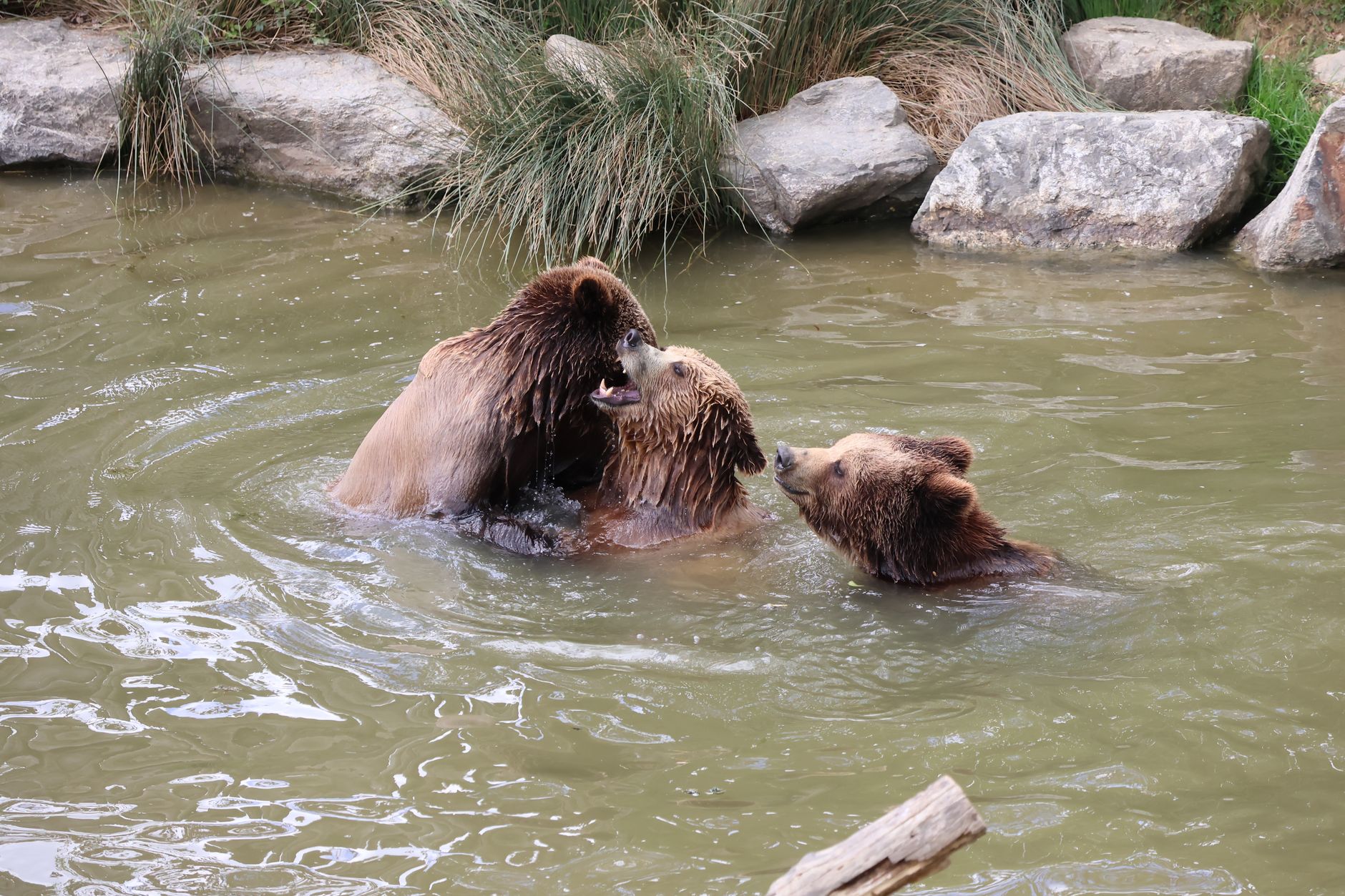
The question, “What is the rule for different types of bears?,” can seem misleading at first. There isn’t a single, universal law governing all bear species. Instead, the “rule” encompasses:
- Ecological Understanding: Recognizing each species’ habitat, diet, and behavior is crucial.
- Safety Protocols: Learning how to avoid encounters and react appropriately during an encounter is vital.
- Conservation Efforts: Supporting efforts to protect bear populations and their habitats is paramount.
- Respect for Boundaries: Understanding and respecting the space bears need to thrive.
Key Bear Species and Their Distinctions
While there are eight recognized bear species worldwide, North America is home to three primary types:
- Black Bears (Ursus americanus): The most common bear in North America, found in a wide range of habitats. They are typically smaller than grizzlies and have a straighter facial profile.
- Grizzly Bears (Ursus arctos horribilis): A subspecies of the brown bear, grizzlies are larger and more powerful than black bears. They have a distinctive hump on their shoulders.
- Polar Bears (Ursus maritimus): Found in the Arctic regions, polar bears are highly adapted to cold environments and depend on sea ice for hunting seals.
Understanding the differences between these species is crucial for effective management and safety.
Understanding Bear Behavior: A Foundation for Coexistence
“What is the rule for different types of bears?” is partly answered by understanding their behavior. Bears are generally solitary animals, except during mating season or when a mother is raising her cubs. Their behavior is influenced by factors such as:
- Food Availability: Bears are opportunistic omnivores and will seek out food sources wherever they can find them.
- Seasonality: Bears undergo significant behavioral changes throughout the year, including periods of hibernation or reduced activity.
- Individual Temperament: Just like humans, individual bears have different personalities and behavioral tendencies.
- Learned Behaviors: Bears can learn from their experiences, including associating humans with food.
Minimizing Bear Encounters: Proactive Measures
Preventing encounters is always the best strategy. Here’s how:
- Proper Food Storage: Store food in bear-resistant containers or hang it high in trees.
- Waste Management: Keep campsites and residences clean and free of food scraps.
- Making Noise: When hiking in bear country, make noise to avoid surprising bears.
- Traveling in Groups: Groups are less likely to be attacked than individuals.
- Avoiding High-Risk Areas: Be aware of areas where bears are known to frequent.
Responding to Bear Encounters: Staying Safe
Knowing how to react during an encounter can be life-saving.
- Identify the Bear Type: Determining whether it’s a black bear or a grizzly will influence your response.
- Stay Calm: Panic can escalate the situation.
- Avoid Direct Eye Contact: Direct eye contact can be perceived as a threat.
- Black Bear Encounters: Stand your ground, make yourself look large, and make noise. If attacked, fight back aggressively.
- Grizzly Bear Encounters: Play dead. Lie flat on your stomach, protect your neck, and spread your legs.
Table: Comparing Black Bear and Grizzly Bear Encounter Responses
| Action | Black Bear | Grizzly Bear |
|---|---|---|
| Eye Contact | Avoid | Avoid |
| Response | Stand ground, make noise, fight back if attacked | Play dead |
| Body Position | Stand tall | Lie flat on stomach, protect neck |
Conservation: Protecting Bear Populations
Protecting bear populations requires a multifaceted approach:
- Habitat Preservation: Conserving and restoring bear habitats is essential.
- Managing Human-Bear Conflict: Implementing strategies to reduce conflicts between humans and bears.
- Education and Outreach: Educating the public about bear behavior and safety.
- Research and Monitoring: Conducting research to better understand bear populations and their needs.
Ethical Considerations: Respecting Bears
“What is the rule for different types of bears?” also means understanding ethical considerations. Bears are sentient beings with intrinsic value. We have a responsibility to treat them with respect and minimize our impact on their lives. This includes:
- Avoiding feeding bears: Feeding bears habituates them to humans and can lead to dangerous encounters.
- Respecting their space: Give bears plenty of room and avoid approaching them.
- Advocating for their protection: Support policies and initiatives that protect bears and their habitats.
Common Mistakes: What Not To Do
Understanding common mistakes is just as important as knowing the right actions:
- Approaching too closely: Giving bears a wide berth is crucial.
- Feeding bears: Never, ever feed bears.
- Underestimating bears: Bears are powerful animals.
- Panicking during an encounter: Staying calm is essential.
- Ignoring warnings: Pay attention to signs and warnings about bear activity.

Frequently Asked Questions (FAQs)
What are the key differences between black bears and grizzly bears?
Black bears are generally smaller, have a straighter facial profile, and lack the prominent shoulder hump of grizzlies. Grizzlies are typically more aggressive than black bears and found in different habitats (typically more remote and mountainous).
How can I avoid attracting bears to my campsite?
Store all food, garbage, and scented items in bear-resistant containers or hang them high in trees. Keep your campsite clean and free of food scraps. Never leave food unattended.
What should I do if I encounter a bear while hiking?
Stay calm, avoid direct eye contact, and slowly back away. If it’s a black bear, make yourself look large and make noise. If it’s a grizzly, play dead.
Is bear spray effective?
Yes, bear spray is a highly effective deterrent against bears. It’s important to carry it with you when hiking in bear country and know how to use it properly.
Can bears climb trees?
Black bears are excellent climbers. Grizzlies can also climb, especially when they are younger, but they are not as agile as black bears.
Do bears hibernate?
Most bear species hibernate during the winter months. Hibernation is a period of dormancy characterized by a reduced metabolic rate and body temperature.
What is the role of bears in their ecosystems?
Bears play important roles as seed dispersers, predators, and scavengers. They help maintain the health and balance of their ecosystems.
Are bears protected by law?
Yes, in many areas, bears are protected by law. Regulations vary depending on the species and location.
What should I do if I find a bear cub?
Do not approach the cub. The mother is likely nearby, and she will be very protective. Leave the area immediately.
How can I support bear conservation efforts?
Support organizations that work to protect bears and their habitats. Educate yourself and others about bear conservation. Advocate for policies that protect bears.
Why is it important to understand different bear species?
Understanding the different species helps in properly reacting to potential encounters and contributes to appropriate conservation strategies specific to each species.
What are the biggest threats to bear populations today?
Habitat loss, human-caused mortality (hunting, vehicle collisions), and climate change are the biggest threats to bear populations today. These threats require comprehensive conservation strategies to ensure the long-term survival of these iconic animals.