

Can You Touch Goose Eggs? A Comprehensive Guide
Yes, you can touch goose eggs, but it’s crucial to do so with extreme caution to avoid disturbing the natural oils and potentially harming the developing gosling. Handling the eggs carefully and only when necessary is key.
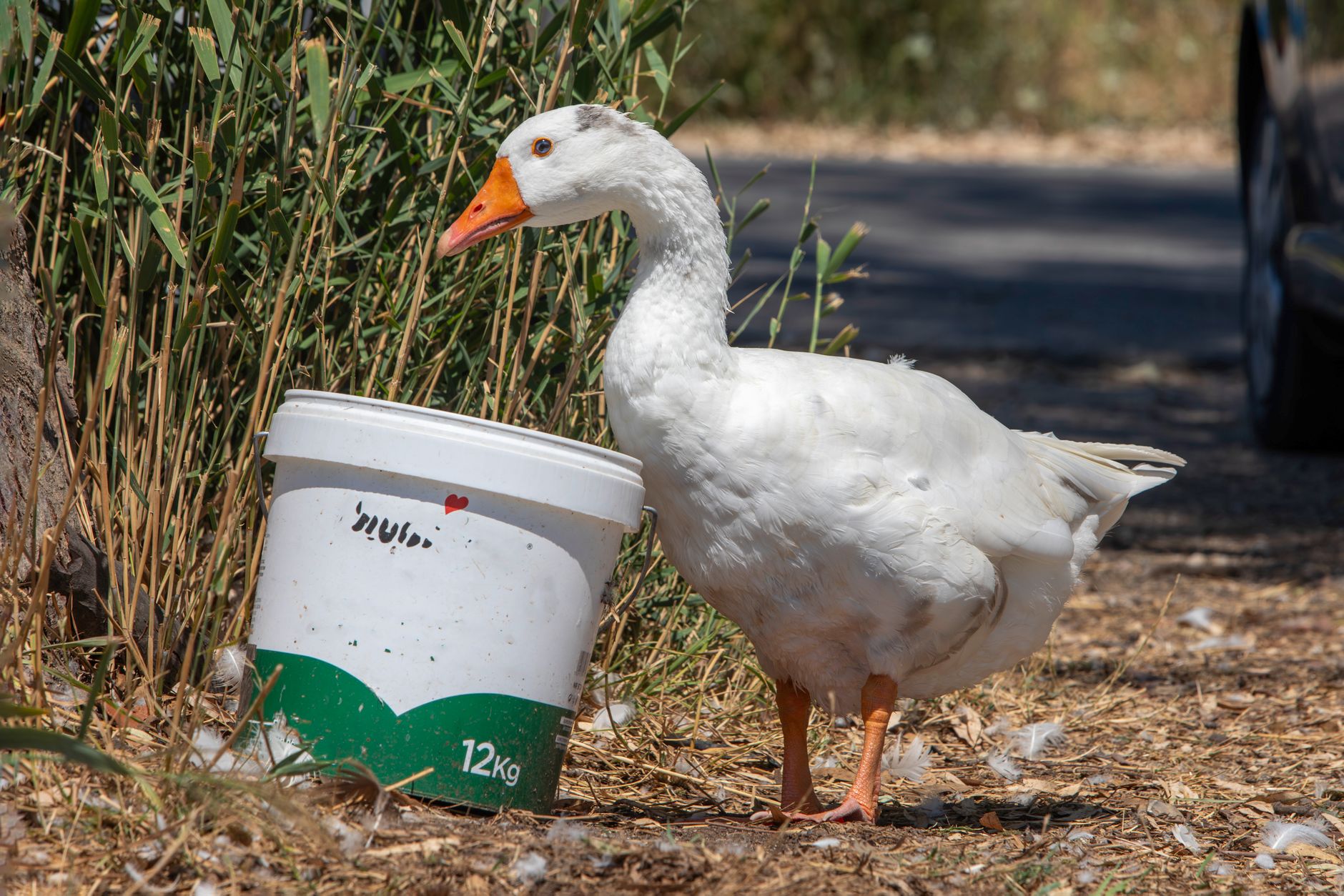
Introduction: Understanding Goose Egg Care
Goose eggs are a marvel of nature, representing the potential for new life. For many, the sight of a goose nesting evokes a sense of wonder and curiosity, often leading to the question: Can you touch goose eggs? While seemingly simple, this question opens the door to understanding responsible wildlife interaction, avian development, and the subtle yet significant impact human actions can have on fragile ecosystems. This article explores the do’s and don’ts of interacting with goose nests and eggs, ensuring a respectful approach to these magnificent birds and their offspring.
Why Geese Lay Eggs and Their Importance

Geese, like all birds, lay eggs as a means of reproduction. The egg contains everything needed for the developing gosling to grow, including nutrients, water, and a protective shell. Mother geese invest considerable time and energy in building nests and incubating their eggs, a process essential for their survival. The eggs are extremely sensitive to environmental changes and disturbances.
Risks of Touching Goose Eggs
While it’s generally can you touch goose eggs, there are several risks associated with handling them:
- Disruption of the Protective Coating: Goose eggs are covered in a natural oil coating (cuticle) that protects them from bacteria and dehydration. Touching the eggs can remove or damage this coating, increasing the risk of infection and hindering the gosling’s development.
- Scents: Geese have a strong sense of smell. While myths surrounding human scents causing abandonment have been somewhat debunked, excessive handling can leave foreign odors that might disturb the mother goose.
- Physical Damage: Even gentle handling can unintentionally crack or damage the eggshell, jeopardizing the developing embryo.
- Nest Abandonment: Although less common than often believed, significant disturbance to the nest can stress the mother goose, potentially leading to nest abandonment.
When Touching Goose Eggs Might Be Necessary
Despite the risks, there are rare occasions when touching goose eggs might be necessary:
- Relocating an Endangered Nest: If a nest is in immediate danger (e.g., flood, construction), carefully moving it a short distance might be necessary, although expert advice should be sought first.
- Candling (Checking Fertility): Experienced breeders sometimes candle goose eggs to check for fertility. This involves using a bright light to illuminate the egg and observe the embryo. However, this should only be done by those with experience.
- Rescue Situations: In cases where eggs have fallen out of the nest or are clearly abandoned, wildlife rehabilitation centers may intervene.
Best Practices for Handling Goose Eggs (If Necessary)
If you must handle goose eggs, follow these guidelines:
- Wash Your Hands: Thoroughly wash your hands with unscented soap to minimize the transfer of oils and scents.
- Wear Gloves: Wear clean, disposable gloves to further protect the eggs.
- Handle Gently: Handle the eggs with extreme care, avoiding any pressure or shaking.
- Minimize Contact Time: Return the eggs to the nest as quickly as possible.
- Replicate the Nest: If relocating the eggs, create a similar nest environment in the new location.
- Monitor the Nest: Observe the nest from a distance to ensure the mother goose returns.
Alternatives to Touching Goose Eggs
Instead of touching goose eggs, consider these alternatives:
- Observation: Observe the nest from a safe distance using binoculars or a camera.
- Education: Learn about goose behavior and nesting habits.
- Protection: If the nest is in danger, contact local wildlife authorities for assistance.
- Photography: Capture the beauty of the nest with photos instead of physical contact.
What to Do if You Accidentally Touch a Goose Egg
If you accidentally touch a goose egg, don’t panic. The most important thing is to leave the egg alone and allow the mother goose to resume her incubation. Monitor the nest from a distance to ensure she returns.
Comparison: Handling Goose Eggs vs. Other Bird Eggs
While the principles of not disturbing nests apply generally to birds, goose eggs are larger and have a thicker shell than many other bird eggs. This can make them slightly more robust, but it does not mean they are immune to damage. The sensitivity of the cuticle and the potential for stressing the mother goose remain key concerns.
| Feature | Goose Eggs | Songbird Eggs |
|---|---|---|
| Size | Larger | Smaller |
| Shell Thickness | Thicker | Thinner |
| Cuticle | More Pronounced | Less Pronounced |
| Parental Care | More Intensive | Variable |
Conclusion: Respecting Wildlife and Their Habitats
The question of “Can you touch goose eggs?” ultimately boils down to respecting wildlife and their habitats. While touching may seem harmless, it can have unintended consequences. By prioritizing observation, education, and responsible action, we can ensure the survival of these magnificent birds and their future generations. Remember, minimal interference is always the best approach.

Frequently Asked Questions (FAQs)
What happens if you touch a goose egg with bare hands?
Touching a goose egg with bare hands can transfer oils and dirt to the shell, potentially damaging the protective cuticle and increasing the risk of bacterial contamination. While not always fatal to the developing gosling, it’s best to avoid direct contact whenever possible.
Will the mother goose abandon her eggs if I touch them?
While the myth of immediate abandonment is overstated, excessive handling can stress the mother goose and potentially lead to nest abandonment. The level of risk depends on the individual goose and the extent of the disturbance.
How long do goose eggs take to hatch?
Goose eggs typically take between 28 and 35 days to hatch, depending on the species and environmental conditions. The incubation period is crucial for the development of the gosling.
Is it okay to move a goose nest if it’s in a dangerous location?
Moving a goose nest should only be done as a last resort if the nest is in immediate danger. Contact local wildlife authorities for guidance and assistance whenever possible. If you must move the nest, do so carefully and only a short distance.
What should I do if I find a goose egg outside of the nest?
If you find a goose egg outside of the nest, gently place it back in the nest if it’s still intact and the nest is accessible. If the egg is cracked or the nest is abandoned, contact a wildlife rehabilitation center for assistance.
How can I tell if a goose egg is fertile?
Experienced breeders use a technique called candling to check for fertility. This involves shining a bright light through the egg to observe the developing embryo. This should only be done by those with experience to avoid harming the egg.
What do goose eggs look like?
Goose eggs are typically large, oval-shaped, and white or cream-colored. They are significantly larger than chicken eggs and have a smooth, hard shell.
Are goose eggs edible?
Yes, goose eggs are edible, but they are much larger and richer than chicken eggs. They are often used in baking or for making omelets.
What is the best way to protect a goose nest from predators?
Protecting a goose nest from predators can be challenging. The best approach is to create a safe environment by removing potential attractants and deterring predators with fencing or other barriers. Avoid directly interacting with the nest, as this can inadvertently attract predators.
Can I wash a goose egg if it’s dirty?
Washing a goose egg is not recommended as it can remove the protective cuticle and increase the risk of bacterial contamination. If the egg is dirty, gently wipe it with a dry cloth if necessary.
How close can I get to a goose nest without disturbing the geese?
The safe distance varies depending on the individual goose and its level of tolerance. A general rule of thumb is to stay at least 20-30 feet away from the nest and avoid making any sudden movements or loud noises.
What should I do if I see a baby gosling alone?
If you see a baby gosling alone, observe it from a distance to see if the mother goose returns. If the gosling appears injured or abandoned, contact a wildlife rehabilitation center for assistance. It is crucial to avoid interfering unless the gosling is in clear danger. Can you touch goose eggs is a similar question, indicating awareness of responsible wildlife interaction.