

What Happens If You Disturb Bats During the Day?
Disturbing bats during the day can have serious consequences for these vulnerable creatures, impacting their energy reserves, health, and potentially their survival, especially if they are rousted from their roosts during hibernation or when raising young.

Introduction: Understanding the Secret Lives of Bats
Bats, often misunderstood and unfairly maligned, are vital components of our ecosystems. These nocturnal mammals play crucial roles in pollination, insect control, and seed dispersal. However, their reliance on darkness and daytime roosting makes them particularly vulnerable to human disturbance. Understanding what happens if you disturb bats during the day is essential for their conservation and our own well-being. Unlike many other animals, bats have highly specific sleep cycles and energetic needs which make them susceptible to disruptions.

Is distilled water good for goldfish?
What colours are fish most attracted to?
Can you put your finger in a trout's mouth?
Is methylene blue anti bacterial?
The Importance of Daytime Roosting
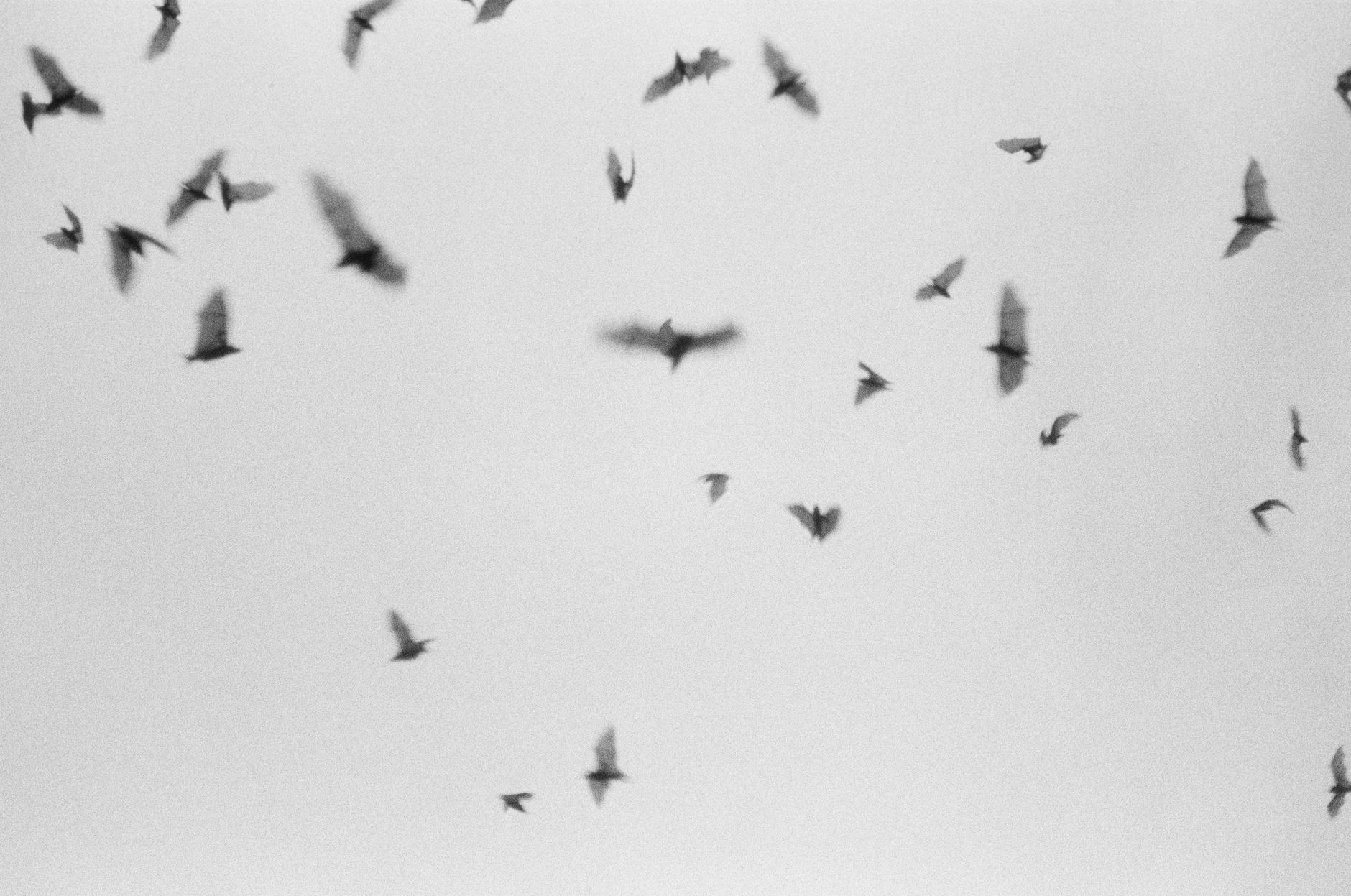
Bats are primarily nocturnal, meaning they are most active at night. During the day, they rely on specific locations, known as roosts, for rest, shelter, and safety from predators. These roosts can be found in various locations, including:
- Caves
- Tree hollows
- Buildings (attics, barns, walls)
- Bridges
- Bat houses
The stability and environmental conditions of these roosts are critical. Factors such as temperature, humidity, and darkness are all important for maintaining a bat’s health and energy conservation. When these roosts are disturbed, the consequences can be significant.
Energy Expenditure and Stress
One of the primary concerns surrounding disturbing bats during the day is the sudden and significant increase in energy expenditure. Bats conserve energy during the day through a state of torpor, a period of reduced metabolic activity similar to hibernation, but shorter in duration. When awakened unexpectedly:
- A bat’s heart rate and body temperature spike.
- They must use valuable energy reserves to fly and relocate.
- Repeated disturbances deplete their energy stores, increasing the risk of starvation.
The stress induced by disturbance can also weaken a bat’s immune system, making them more susceptible to diseases, including White-Nose Syndrome, a fungal disease devastating bat populations across North America. Stress also impacts their ability to breed successfully.
Impacts on Reproduction
Disturbing bats during the breeding season can have particularly devastating effects. Female bats, especially during pregnancy and lactation, require stable and undisturbed roosting sites. Disrupting a maternity colony, where mothers raise their young, can lead to:
- Abandonment of pups: Mothers may flee in panic, leaving their vulnerable offspring behind.
- Increased pup mortality: Young bats are highly dependent on their mothers for warmth and nourishment.
- Colony collapse: Repeated disturbances can force entire colonies to abandon their roost sites permanently.
What Happens if You Disturb Bats During the Day: Specific Scenarios
Here’s a breakdown of potential outcomes based on the time of year and type of disturbance:
| Scenario | Time of Year | Potential Consequences |
|---|---|---|
| Construction Noise Near Roost | Spring/Summer | Increased stress, abandonment of pups, reduced reproductive success |
| Roost Removal | Any | Displacement of bats, increased vulnerability to predators, habitat loss |
| Human Entry into Cave | Winter | Premature arousal from hibernation, depletion of energy reserves, increased risk of mortality due to starvation or exposure |
| Bright Lights Shining on Roost | Night/Day | Disorientation, disruption of foraging patterns, increased stress |
Avoiding Disturbance: Best Practices
Protecting bats requires proactive measures to minimize disturbance. Here are some guidelines:
- Avoid entering caves or known roosting sites: Especially during hibernation and breeding seasons.
- Maintain a safe distance: From known bat roosts during construction or other activities.
- Install bat houses: To provide alternative roosting locations, especially if natural roosts are scarce.
- Educate others: About the importance of bats and the risks of disturbance.
- Contact local wildlife authorities: If you encounter a bat colony that may be at risk.
Frequently Asked Questions (FAQs)
What are the most common reasons people disturb bats during the day?
The most common reasons include unintentional disturbance during construction or renovations, exploring caves or abandoned buildings, and attempts to remove bats from homes without professional assistance. Lack of awareness and understanding of bat behavior contributes significantly to these disturbances.
How do I know if I have bats roosting in my house?
Signs of bats in a house include droppings (guano) near entry points, staining on walls or ceilings from bat urine, and high-pitched squeaking or scratching sounds, particularly in the attic or walls. Also, you might observe bats flying around your home at dusk.
Is it safe to handle a bat if I find one inside my house during the day?
No. Never handle a bat with bare hands. While the vast majority of bats are not rabid, they can carry the virus. If you find a bat inside your house, contact animal control or a wildlife rehabilitator immediately for safe removal.
Can disturbing a bat cause it to become aggressive?
Yes, disturbing a bat, especially during the day when they are resting or feel threatened, can cause it to become defensive. While they are unlikely to attack unprovoked, a cornered or frightened bat may bite as a means of self-defense.
What should I do if I accidentally disturb a bat during the day?
If you accidentally disturb a bat, back away slowly and quietly. Give the bat space to retreat and avoid further disturbance. If the bat is injured or appears distressed, contact a wildlife rehabilitator.
How can I make my property less attractive to bats?
To discourage bats from roosting on your property, seal any cracks or holes in your home’s exterior, cover chimneys with screens, and ensure attics and other potential roosting areas are well-lit and ventilated.
What is White-Nose Syndrome, and how does disturbance exacerbate it?
White-Nose Syndrome (WNS) is a fungal disease that affects hibernating bats. It causes them to arouse from hibernation more frequently, depleting their energy reserves. Disturbing bats already infected with WNS further stresses them and reduces their chances of survival.
Are all bats protected by law?
Many bat species are protected by federal and state laws. It is illegal to harm, harass, or kill them. Before taking any action to remove bats from your property, consult with your local wildlife agency to ensure compliance with regulations.
What is the best time of year to exclude bats from a building?
The best time to exclude bats is generally in the late summer or early fall after the young have fledged but before hibernation begins. Avoid excluding bats during the spring and summer months to prevent trapping pups inside.
How can bat houses help protect bat populations?
Bat houses provide alternative roosting sites for bats, especially in areas where natural roosts are scarce or have been destroyed. Installing bat houses can help compensate for habitat loss and provide safe havens for bat colonies.
What are the ecological benefits of bats?
Bats provide numerous ecological benefits, including insect control (consuming vast quantities of mosquitoes and other pests), pollination of important plants, and seed dispersal. Their role in maintaining ecosystem health is crucial.
What are the ethical considerations when dealing with bats?
Ethically, it’s important to treat bats with respect and avoid causing them unnecessary harm or stress. Understanding their natural behaviors and needs is essential for responsible stewardship. Always prioritize humane and ethical methods when dealing with bats and consult with professionals when needed. Understanding What happens if you disturb bats during the day? will allow you to be mindful of these fragile animals.