

What Exotic Animals Are Illegal in California?
What exotic animals are illegal in California? California law strictly regulates the possession of potentially dangerous or environmentally harmful exotic animals, aiming to protect both native ecosystems and public safety; therefore, many species, including bears, big cats, primates, and certain reptiles, are prohibited without specific permits.

California boasts a diverse and carefully protected ecosystem. This protection extends to preventing the introduction of invasive species and mitigating the risks associated with keeping potentially dangerous wild animals as pets. The laws governing exotic animal ownership are complex and subject to change, making it crucial to stay informed.
Understanding California’s Exotic Animal Laws
California’s restrictions on exotic animal ownership are primarily outlined in the California Code of Regulations (CCR), specifically Title 14. These regulations aim to:
- Prevent the introduction and spread of invasive species that could harm native wildlife.
- Protect the public from dangerous animals.
- Safeguard the welfare of the exotic animals themselves, ensuring they receive appropriate care and prevent abandonment.
The regulations distinguish between “restricted” and “prohibited” species. Restricted species might be allowed with specific permits, often requiring extensive experience, specialized facilities, and a legitimate purpose (e.g., research, education). Prohibited species, on the other hand, are generally banned from private ownership with very few exceptions.
Is distilled water good for goldfish?
What colours are fish most attracted to?
Can you put your finger in a trout's mouth?
Is methylene blue anti bacterial?
Common Examples of Illegal Exotic Animals

The list of animals prohibited in California is extensive. However, some of the most commonly kept or desired exotic animals that are illegal in the state include:
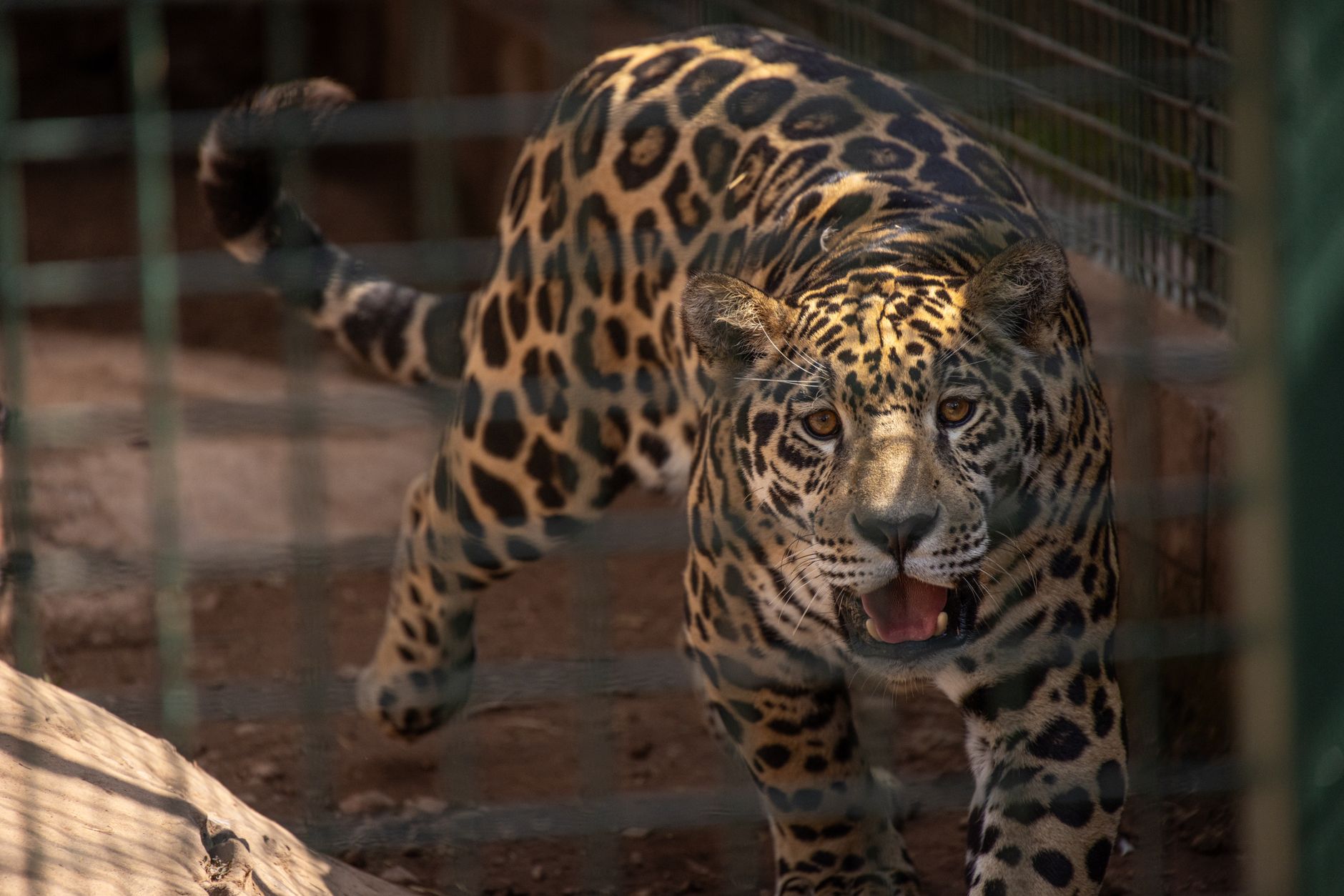
- Big Cats: Lions, tigers, leopards, jaguars, cheetahs, and other large wild cats. Even smaller wild cats like servals and caracals can be prohibited, depending on their lineage.
- Bears: All species of bears, including black bears, grizzly bears, and polar bears.
- Primates: Monkeys, apes, chimpanzees, gorillas, orangutans, and other primates.
- Certain Reptiles: Many venomous snakes (except under very specific research permits), crocodilians (alligators, crocodiles, caimans, gharials), and large constrictors (such as Burmese pythons and anacondas).
- Wild Canids: Wolves, coyotes, foxes (with limited exceptions for specific species under certain circumstances).
- Certain Birds: Eagles, hawks, owls (with some exceptions for falconry with appropriate permits), vultures.
The “Restricted Species” Permit Process
Even for animals not outright prohibited, obtaining a restricted species permit is a rigorous process. Applicants must demonstrate:
- Experience: Significant, verifiable experience working with the species in question.
- Facilities: Adequate housing and security to prevent escapes and ensure animal welfare.
- Purpose: A legitimate reason for possessing the animal, such as research, education, or conservation.
- Insurance: Adequate liability insurance to cover potential damages or injuries caused by the animal.
- Inspection: Agreement to regular inspections by the California Department of Fish and Wildlife (CDFW).
Permits are rarely granted for personal possession or as pets. The focus is on legitimate scientific or educational endeavors.
Penalties for Illegal Possession
Possessing an illegal exotic animal in California can result in significant penalties, including:
- Fines: Thousands of dollars in fines.
- Imprisonment: Potential jail time.
- Confiscation: The animal will be confiscated and may be euthanized if a suitable placement cannot be found.
- Legal Action: Civil lawsuits for damages caused by the animal.
It is crucial to understand the laws and regulations before acquiring any animal, even one that appears relatively harmless. The CDFW actively enforces these regulations to protect both wildlife and the public.
Why California Has Such Strict Laws
California’s stringent laws are rooted in several key concerns:
- Public Safety: Many exotic animals pose a significant risk of injury or death to humans.
- Ecological Harm: Released or escaped exotic animals can disrupt native ecosystems, compete with native species, and transmit diseases.
- Animal Welfare: Many exotic animals are poorly suited to life in captivity and suffer from inadequate care.
- Disease Control: Exotic animals can carry diseases that can spread to humans, livestock, or native wildlife.
By preventing the introduction and possession of potentially dangerous and harmful animals, California aims to maintain the health and stability of its environment and protect its residents. Understanding what exotic animals are illegal in California? is therefore a matter of public safety and environmental stewardship.
Frequently Asked Questions About Illegal Exotic Animals in California
What happens if I find an exotic animal that appears to be abandoned?
If you find an exotic animal, do not attempt to handle or capture it yourself. Contact your local animal control agency or the California Department of Fish and Wildlife (CDFW) immediately. Provide them with as much information as possible about the animal’s location and appearance. They will have the expertise and resources to safely handle the situation.
Are there any exceptions to the ban on primates?
Generally, primate ownership is prohibited. However, there may be very limited exceptions for qualified researchers or for certain primates used in specific medical research. These exceptions are rare and subject to strict regulations and permitting. It is virtually impossible for a private individual to legally own a primate as a pet in California.
What about hybrid animals, like wolf-dogs?
The legality of hybrid animals is complex. Wolf-dogs are generally restricted and may be illegal in some areas of California. The regulations often depend on the percentage of wolf DNA in the animal. It’s crucial to check with local animal control and the CDFW for specific regulations in your area.
Can I get a permit to keep an illegal exotic animal for educational purposes?
Obtaining a permit for educational purposes is possible, but extremely difficult and requires demonstrating a clear educational benefit to the public. Applicants must have extensive experience, appropriate facilities, and a detailed educational program. These permits are rarely granted to individuals and are typically reserved for accredited zoos, aquariums, and educational institutions.
If I move to California from another state where I legally owned an exotic animal, can I bring it with me?
Generally, no, you cannot legally bring a prohibited exotic animal into California, even if it was legally owned in another state. California’s laws apply to all animals within its borders, regardless of their origin. You would likely be required to relinquish the animal to authorities upon arrival.
Does the law apply to all parts of California equally?
While the California Code of Regulations (CCR) establishes statewide standards, local ordinances may impose additional restrictions. It’s essential to check with your city or county animal control agency to ensure compliance with all applicable laws.
What are the penalties for falsely claiming an animal is a domestic breed when it is actually an illegal hybrid?
Misrepresenting an animal’s breed or origin to circumvent exotic animal laws is a serious offense. You could face significant fines, imprisonment, and confiscation of the animal. It’s always best to be honest and transparent about the animals you own.
Are there any restrictions on owning native California wildlife?
Yes, there are strict restrictions on owning native California wildlife. Even seemingly harmless animals like raccoons, squirrels, and deer are generally prohibited from being kept as pets. The goal is to protect native populations and prevent the spread of diseases.
How can I report someone I suspect is illegally keeping an exotic animal?
You can report suspected illegal exotic animal ownership to the California Department of Fish and Wildlife (CDFW) through their CalTIP program. You can report anonymously if you wish. Your report should include as much information as possible, such as the type of animal, its location, and any other relevant details.
What is the process for relocating an exotic animal out of California if I am moving?
Relocating an exotic animal out of California requires careful planning and compliance with the laws of both California and the destination state. You must obtain any necessary permits from both the CDFW and the receiving state’s wildlife agency. Be prepared for potential delays and challenges, as transporting exotic animals can be complex.
Can I own an exotic insect, like a tarantula or scorpion, in California?
The legality of owning exotic insects varies. Some insects are unrestricted, while others may be prohibited or require permits if they are considered potentially invasive or harmful. It’s crucial to research the specific species you are interested in and consult with the CDFW or your local animal control agency to determine its legality.
Is it legal to breed exotic animals in California?
Breeding exotic animals is subject to the same restrictions as owning them. If an animal is prohibited, breeding it is also prohibited. If an animal is restricted, you would likely need a specific permit to breed it. Breeding exotic animals without proper permits can result in severe penalties. Understanding what exotic animals are illegal in California? is essential before even considering breeding.