

What Eats Red Algae in Reef Tanks?
What eats red algae in reef tanks? A variety of creatures, including certain snails, crabs, fish, and invertebrates, will consume red algae; however, the success of their grazing depends on the specific type of red algae present and the overall health of the reef ecosystem.

Introduction to Red Algae in Reef Tanks
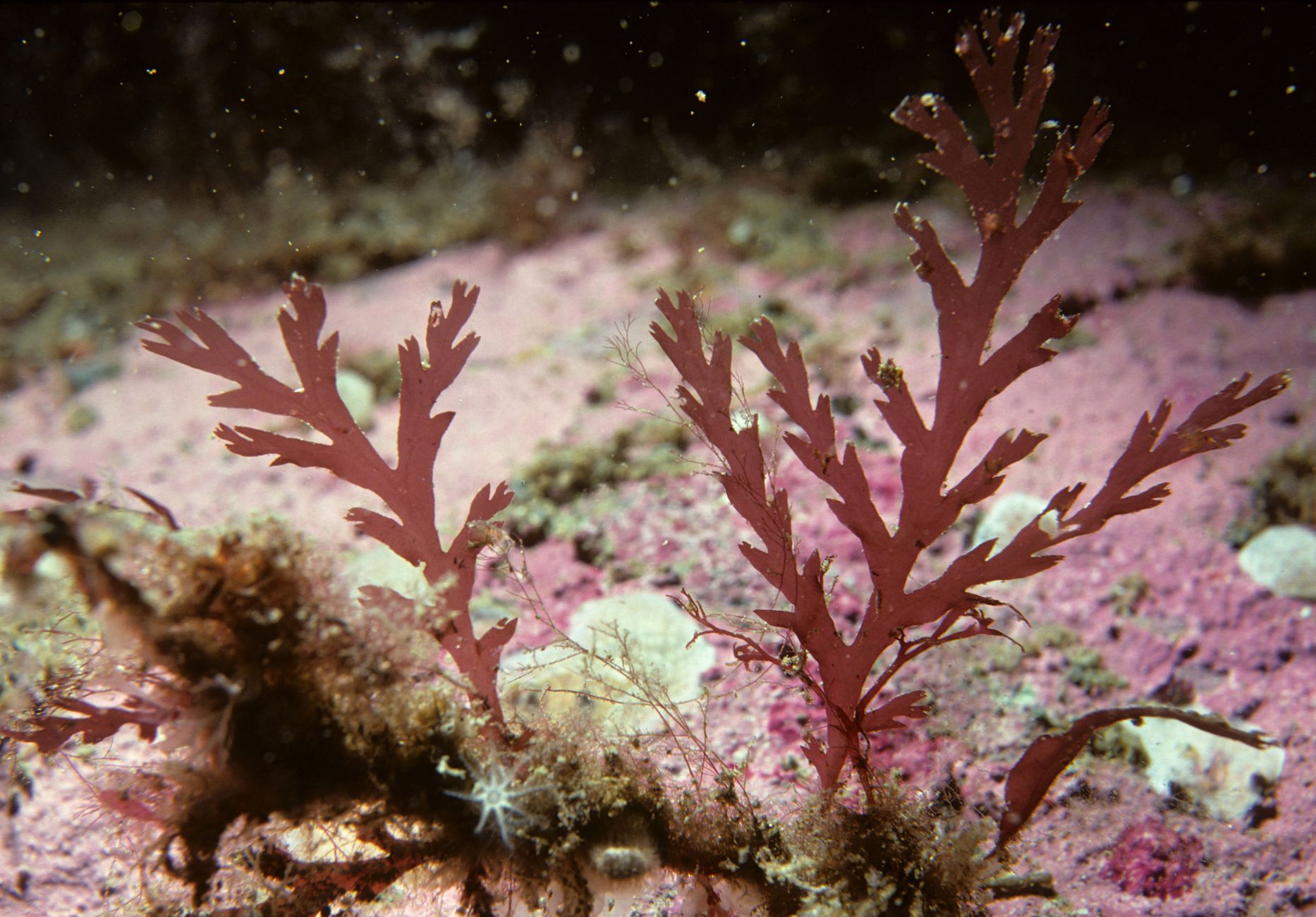
Red algae, while beautiful in the ocean’s natural environment, can become a nuisance in reef aquariums. It is often an indicator of an imbalance in nutrient levels or water parameters. Understanding what eats red algae in reef tanks is crucial for maintaining a healthy and visually appealing reef ecosystem. While many hobbyists resort to chemical treatments, biological control through algae-eating organisms is a more natural and sustainable solution.
Types of Red Algae Found in Reef Tanks

Before exploring what animals consume red algae, it’s important to understand the different types you might encounter:
- Hair Algae: A common nuisance, often indicative of high nutrient levels.
- Bubble Algae: Creates unsightly “bubbles” on rocks and corals.
- Bryopsis Algae (Green Hair Algae – sometimes mistaken for Red): Difficult to eradicate and spreads rapidly.
- Red Slime Algae (Cyanobacteria – technically not algae): A bacterial bloom that can smother corals.
- Macroalgae (e.g., Gracilaria, Chaetomorpha): Generally beneficial in a refugium but can sometimes spread into the display tank.
The effectiveness of algae-eating creatures depends heavily on the specific type of red algae present. What eats one type may ignore another.
Creatures That Consume Red Algae
Several invertebrates and fish are known to graze on red algae in reef tanks. The key is to select the right species for the specific type of algae you are trying to control. Here’s a list of the most commonly used and effective grazers:
-
Snails:
- Turbo Snails : Effective on hair algae and some softer red algae.
- Astrea Snails : Good all-around algae eaters.
- Nerite Snails : Consume algae from glass and rocks, including some red varieties.
-
Crabs:
- Emerald Crabs (Mithrax sculptus): Known for consuming bubble algae. However, they may also nip at corals if hungry.
-
Fish:
- Tangs (e.g., Yellow Tang, Kole Tang): Graze on various types of algae, including some red varieties.
- Rabbitfish (e.g., Foxface Rabbitfish): Voracious algae eaters that can consume a wide range of algae types.
-
Sea Hares:
- Dolabella auricularia: Incredibly effective at consuming hair algae. Important Note: They require a substantial amount of algae to survive and may starve if the algae is eliminated.
-
Urchins:
- Pencil Urchins and Thimble Urchins can graze on certain types of macroalgae.
Choosing the Right Algae Eater
Selecting the right algae eater depends on several factors, including:
- The type of red algae present: Identify the specific algae species for targeted control.
- Tank size and inhabitants: Ensure the chosen algae eater is compatible with the existing ecosystem.
- Temperament and grazing habits: Research the potential for the algae eater to nip at corals or other invertebrates.
Managing Algae Eaters
Once you have chosen your algae eaters, it’s crucial to provide them with a suitable environment and ensure they have enough food.
- Acclimation: Properly acclimate new algae eaters to the tank’s water parameters.
- Feeding: If algae levels are low, supplement their diet with algae wafers or seaweed sheets.
- Monitoring: Observe the algae eaters’ behavior and health to ensure they are thriving.
- Predators: Ensure your algae eaters are not being harassed or eaten by other inhabitants.
Potential Issues with Algae Eaters
While algae eaters are a valuable tool for controlling red algae, they can also present some challenges:
- Starvation: If the algae is eliminated, algae eaters can starve.
- Coral Nipping: Some algae eaters may nip at corals, especially if they are hungry.
- Waste Production: Algae eaters produce waste, which can contribute to nutrient buildup in the tank.
- Compatibility: Certain algae eaters may not be compatible with other tank inhabitants.
A Combined Approach: Algae Eaters and Nutrient Control
Using algae eaters in conjunction with good husbandry practices, such as regular water changes, protein skimming, and phosphate control, is the most effective way to manage red algae in reef tanks. What eats red algae in reef tanks helps, but addressing the underlying cause of the algae growth is also vital.
| Method | Description | Benefit |
|---|---|---|
| Algae Eaters | Introducing specific invertebrates and fish to graze on algae. | Biological control, natural and sustainable. |
| Water Changes | Regularly replacing a portion of the tank water. | Removes excess nutrients and replenishes trace elements. |
| Protein Skimming | Removing organic waste before it breaks down. | Reduces nutrient buildup and improves water clarity. |
| Phosphate Control Media | Absorbing excess phosphate from the water. | Prevents algae growth by limiting a key nutrient. |
Frequently Asked Questions (FAQs)
What is the best snail for eating red hair algae in a reef tank?
- Turbo snails are often considered the best choice for consuming red hair algae. They are voracious eaters and can quickly clear large areas. However, they can sometimes knock over corals or other decorations, so monitor their activity.
Are emerald crabs reef safe?
- Emerald crabs are generally considered reef safe, as they primarily consume bubble algae. However, if they run out of algae to eat, they may start nipping at corals, so it’s essential to ensure they have a constant food source.
What fish is most effective at eating algae in a reef tank?
- Tangs and Rabbitfish are highly effective algae eaters in reef tanks. Kole Tangs are particularly known for their effectiveness at consuming algae films. Rabbitfish are more indiscriminate and will eat a wide range of algae types.
Can I use chemicals to get rid of red algae in my reef tank?
- While chemical treatments can be effective at removing red algae, they should be used as a last resort. Many chemicals can harm corals and other invertebrates. It’s always best to address the underlying cause of the algae growth and use biological control methods first.
How do I prevent red algae from growing in my reef tank?
- The best way to prevent red algae from growing is to maintain optimal water parameters, including low nutrient levels (nitrates and phosphates). Regular water changes, protein skimming, and the use of phosphate control media can help. Also, ensure adequate water flow and proper lighting.
What are the signs of an algae bloom in a reef tank?
- Signs of an algae bloom include a rapid increase in the growth of algae, cloudy water, and a decline in the health of corals. You may also notice a build-up of algae on the glass and rocks.
How often should I do water changes in my reef tank?
- The frequency of water changes depends on the size of your tank and the bioload. A general guideline is to change 10-20% of the water every one to two weeks. Regular water changes help to remove excess nutrients and replenish trace elements.
What is a refugium, and how does it help with algae control?
- A refugium is a separate tank connected to the main display tank that is used to grow macroalgae, such as Chaetomorpha. The macroalgae consumes excess nutrients, which helps to prevent algae growth in the main tank. A refugium also provides a safe haven for beneficial invertebrates.
How do I acclimate new algae eaters to my reef tank?
- Acclimating new algae eaters is crucial to their survival. Float the bag containing the algae eater in the tank for 15-30 minutes to equalize the temperature. Then, slowly drip water from the tank into the bag over a period of 1-2 hours to gradually acclimate them to the water chemistry.
What do I do if my algae eaters run out of algae to eat?
- If your algae eaters run out of algae to eat, you will need to supplement their diet with algae wafers or seaweed sheets. This will prevent them from starving and ensure they continue to thrive.
Are sea hares safe for all reef tanks?
- Sea hares are incredibly effective at consuming hair algae, but they are not suitable for all reef tanks. They require a substantial amount of algae to survive, and if the algae is eliminated, they may starve. They also release toxins when stressed or die, which can harm other tank inhabitants.
What are some common mistakes people make when trying to control red algae in their reef tanks?
- Some common mistakes include relying solely on algae eaters without addressing the underlying cause of the algae growth, using chemical treatments without understanding their potential side effects, and failing to properly acclimate new algae eaters to the tank. Also, misidentifying the type of algae is a frequent error, leading to ineffective control measures. Knowing what eats red algae in reef tanks is just one part of effective reefkeeping.