
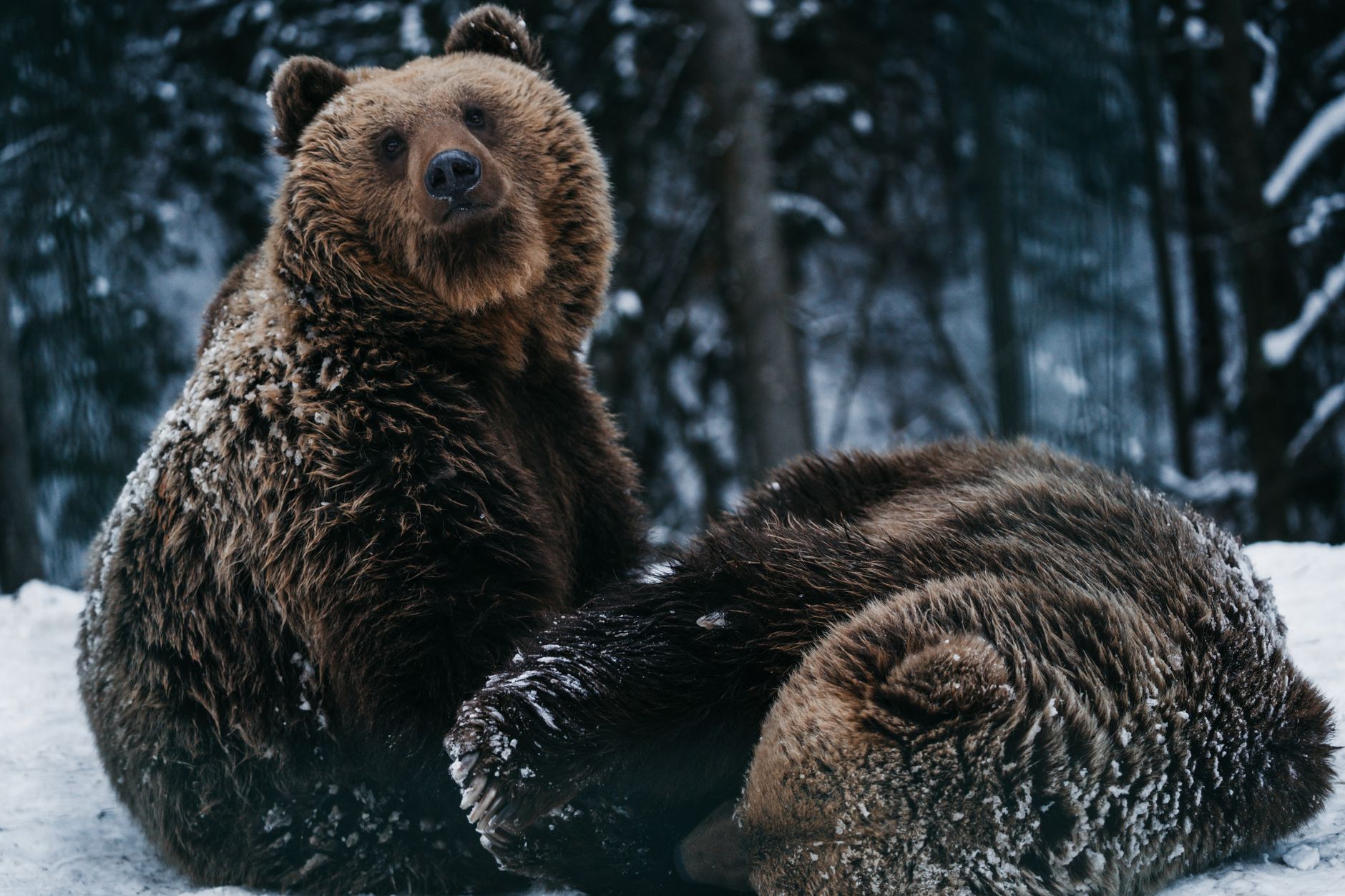
Do Bears Ever Get Cold? Understanding Bear Thermoregulation
Bears are remarkable creatures, but do bears ever get cold? The answer is nuanced: While bears are exceptionally well-adapted to survive in frigid climates, they can experience cold stress under certain conditions, particularly if they are young, ill, or lacking sufficient fat reserves.

Understanding Bear Thermoregulation: A Deep Dive
Bears, particularly those inhabiting colder regions, have evolved sophisticated mechanisms to combat the cold. These adaptations range from physical attributes like thick fur and layers of fat to behavioral strategies like hibernation. Understanding these strategies is key to appreciating the complex relationship bears have with cold weather.
The Fur Coat: Nature’s Insulation

A bear’s fur coat is more than just a fashion statement; it’s a highly effective insulator. This coat consists of two layers:
- Guard Hairs: These are the long, coarse outer hairs that provide protection from wind, rain, and snow. They act as a barrier, preventing moisture from reaching the undercoat.
- Underfur: This is a dense, soft layer of short hairs that traps air and provides insulation. The underfur is exceptionally effective at retaining heat, keeping the bear warm even in sub-zero temperatures.
The density and quality of a bear’s fur vary depending on the species and the season. Bears in colder climates tend to have thicker, denser fur than those in warmer areas. Furthermore, bears typically grow a thicker winter coat as autumn approaches, preparing them for the harshest conditions.
The Fat Layer: More Than Just Energy Storage
Beneath their fur, bears possess a thick layer of subcutaneous fat. This layer serves multiple crucial functions:
- Energy Reserve: The primary role of fat is to provide a long-term energy supply during periods of food scarcity, especially during hibernation.
- Insulation: Fat is an excellent insulator, helping to prevent heat loss from the bear’s body.
- Buoyancy: In aquatic species like polar bears, fat contributes to buoyancy, allowing them to swim more efficiently.
The thickness of the fat layer fluctuates throughout the year, reaching its peak in the late fall as bears prepare for winter. This fat is absolutely vital for surviving months without food.
Hibernation and Torpor: Conserving Energy
Many bear species, particularly those in colder climates, enter a state of dormancy during the winter months. This dormancy can take different forms, including true hibernation and torpor.
- Hibernation: True hibernators, like groundhogs, experience a significant drop in body temperature, heart rate, and breathing rate. Bears, however, do not experience such drastic physiological changes.
- Torpor: Bears enter a state of torpor, a period of reduced activity and metabolism. Their body temperature drops slightly, and their heart rate slows down. They can arouse relatively quickly if disturbed.
During torpor, bears rely on their stored fat reserves for energy. They do not eat, drink, urinate, or defecate. This strategy allows them to conserve energy and survive through periods when food is scarce.
Exceptions to the Rule: When Bears Can Get Cold
While bears are generally well-equipped to handle cold weather, there are situations where they can experience cold stress. These situations often involve vulnerable individuals or unusual circumstances.
- Cubs: Young cubs are particularly susceptible to cold. They have less fur and less fat than adults, and their thermoregulatory systems are not fully developed.
- Sick or Injured Bears: Bears that are sick or injured may have difficulty maintaining their body temperature. They may also be unable to forage for food effectively, leading to a depletion of their fat reserves.
- Unusually Severe Weather: In exceptionally harsh weather conditions, even healthy adult bears may struggle to stay warm, especially if they have not accumulated sufficient fat reserves.
- Premature Emergence from Hibernation: If a bear emerges from hibernation too early, before food sources are readily available, it may deplete its fat reserves and become vulnerable to cold.
Table: Comparing Bear Adaptations to Cold
| Adaptation | Description | Benefit |
|---|---|---|
| Thick Fur Coat | Two-layered fur consisting of guard hairs and underfur. | Provides insulation, protects against wind and moisture. |
| Subcutaneous Fat | Thick layer of fat beneath the skin. | Stores energy, provides insulation, contributes to buoyancy (in some species). |
| Hibernation/Torpor | Period of reduced activity and metabolism. | Conserves energy during periods of food scarcity. |

Frequently Asked Questions About Bear and Cold Weather
Do all bears hibernate?
No, not all bears hibernate in the true sense. While many species, particularly those in colder climates, enter a state of torpor to conserve energy during the winter months, some bear populations in milder regions may remain active year-round. The extent of dormancy depends on factors such as food availability and weather conditions.
How do bears prepare for winter?
Bears prepare for winter by entering a state of hyperphagia, characterized by excessive eating. This allows them to accumulate significant fat reserves, which they will rely on for energy during hibernation or torpor. They also seek out suitable den sites, which provide shelter from the elements.
What happens if a bear wakes up during hibernation?
If a bear wakes up prematurely from its winter torpor, it may deplete its fat reserves more quickly, making it vulnerable to cold and starvation. While bears can arouse relatively easily, they generally prefer to remain dormant until spring when food sources become more abundant.
Do bears feel cold like humans?
While bears don’t express their experiences identically to humans, they undoubtedly feel the effects of cold. Their physiological and behavioral adaptations suggest they actively avoid and mitigate the effects of cold weather to maintain a stable core body temperature. Do bears ever get cold? Yes, and they actively work to avoid it.
How do polar bears stay warm in the Arctic?
Polar bears are exceptionally well-adapted to the Arctic environment. In addition to their thick fur and fat layer, they have specialized adaptations such as small ears and tails to minimize heat loss. They also have black skin under their fur, which absorbs solar radiation.
What is the ideal den for a bear in winter?
The ideal den for a bear provides shelter from the elements, insulation, and protection from predators. Common den sites include caves, hollow logs, and burrows in the ground. The den should be dry, draft-free, and located in a secluded area.
Can bears freeze to death?
While rare, bears can freeze to death under extreme circumstances, particularly if they are young, sick, injured, or lacking sufficient fat reserves. Extremely severe weather conditions can also pose a threat, especially if a bear is unable to find adequate shelter.
Do black bears get cold?
Yes, black bears are susceptible to cold, though they are well-adapted to endure it. They rely on their fur and fat reserves for insulation, and in colder regions, they enter a state of torpor during the winter months to conserve energy.
Are some bear species better adapted to cold than others?
Yes, some bear species are better adapted to cold than others. Polar bears, for example, are highly specialized for life in the Arctic, with adaptations such as thick fur, a dense fat layer, and small extremities to minimize heat loss. Brown bears, on the other hand, have a broader range of habitats and are less specialized for extreme cold.
How important is snow cover for bears in winter?
Snow cover can provide additional insulation for bears in their dens. A layer of snow can trap air and create a warm microclimate around the den, helping to reduce heat loss.
What is hyperphagia and why is it important?
Hyperphagia is a period of excessive eating that occurs in the fall, as bears prepare for winter. This allows them to accumulate significant fat reserves, which are essential for survival during hibernation or torpor.
Do bears drink water in winter?
During hibernation or torpor, bears typically do not drink water. They obtain the moisture they need from their metabolic processes, such as the breakdown of fat. However, they may drink water if they wake up prematurely and have access to a water source. Do bears ever get cold enough to prevent them from moving to water if necessary? Yes, in extreme conditions.