
What Does Jigger Mean in Fishing? Unveiling the Secrets of Jigging
What does jigger mean in fishing? It refers both to a type of fishing lure, known as a jig, and to the fishing technique, called jigging, which involves vertically or near-vertically moving that lure through the water column to attract fish with its enticing action.

The Essence of Jigging: A Lure and a Technique
The term “jigger” in the fishing world encompasses two crucial elements: the jig lure itself and the jigging technique used to present that lure to fish. Understanding both aspects is essential for mastering this productive fishing method. It’s important to clarify that the terms are often used interchangeably, which can cause confusion. This article will delve into both. The core principle remains the same: a lure designed to be fished in a specific up-and-down motion.
The Jig Lure: Diverse Designs for Diverse Species

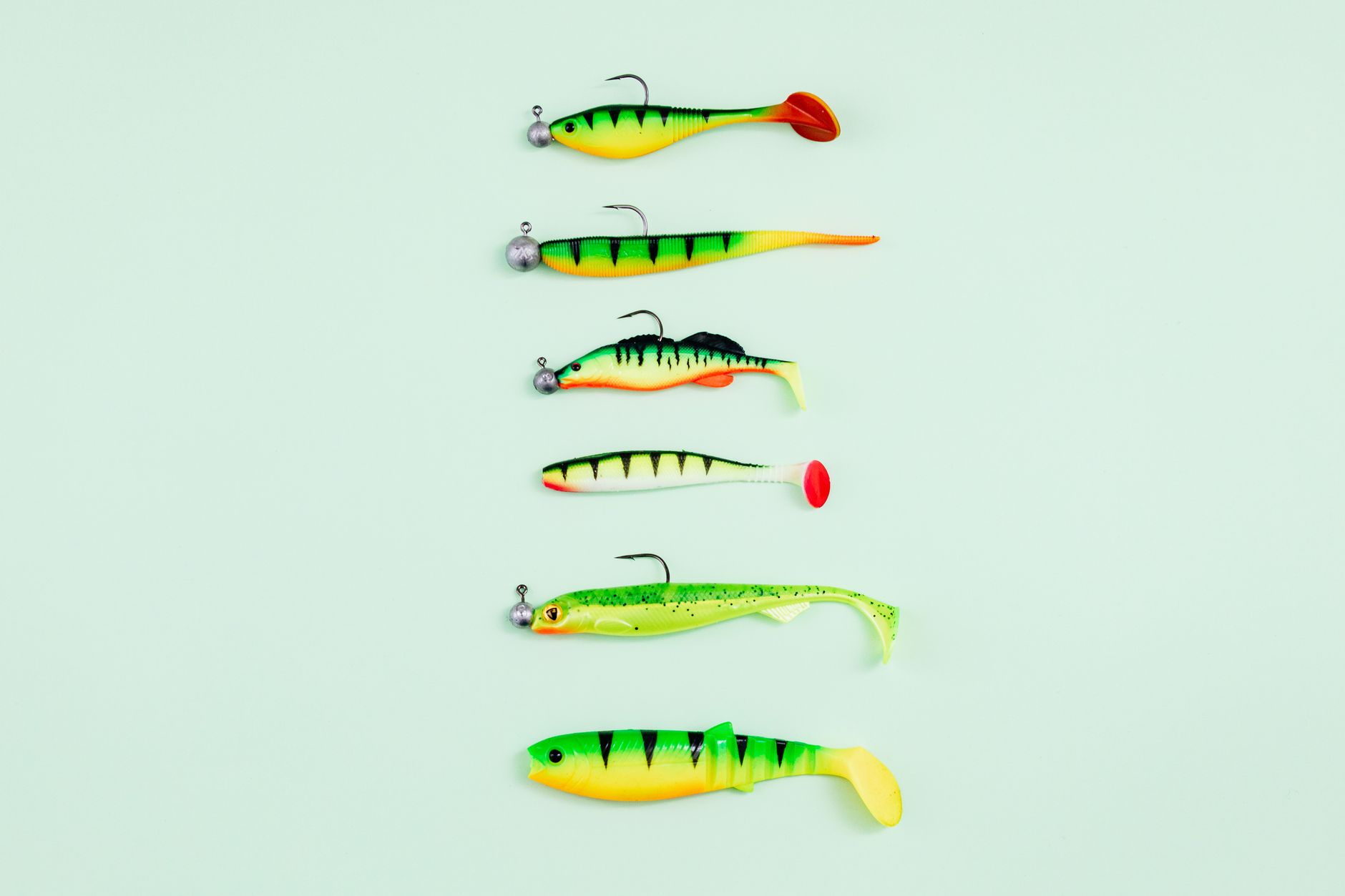
The jig lure is characterized by a weighted head and a hook, often adorned with various skirts, trailers, or dressings designed to mimic prey. Jigs come in an astonishing array of shapes, sizes, and colors, each tailored to specific fishing conditions and target species. Common types include:
- Bucktail Jigs: Classic jigs dressed with bucktail hair, known for their natural action and versatility.
- Lead Head Jigs: Simple lead heads with exposed hooks, commonly used with soft plastic trailers.
- Spoon Jigs: Metal jigs that wobble and flutter enticingly as they fall.
- Butterfly Jigs: Specialized jigs designed for deep-water vertical jigging.
- Football Jigs: Jigs with a football-shaped head, ideal for fishing around rocky bottoms.
The weight of the jig is a crucial factor, determining its sinking rate and ability to reach the desired depth. Lighter jigs are suitable for shallow water and finicky fish, while heavier jigs are necessary for deeper water or strong currents.
The Jigging Technique: Mastering the Vertical Dance
Jigging involves imparting an up-and-down, or “jigging,” motion to the lure. This action imitates the movements of injured or fleeing prey, attracting the attention of predatory fish. The precise technique can vary depending on the type of jig, the target species, and the water conditions. Some common jigging techniques include:
- Vertical Jigging: Dropping the jig to the bottom and lifting it in sharp, vertical motions.
- Swimming Jigging: Casting the jig and retrieving it with a swimming motion, imparting occasional twitches or pauses.
- Flutter Jigging: Allowing the jig to flutter and fall enticingly after each lift.
- Speed Jigging: A fast-paced vertical jigging technique used to target pelagic species.
The key to successful jigging is to experiment with different retrieves and cadences until you find what triggers the fish to strike. It often involves feeling for subtle takes and reacting quickly to set the hook.
Benefits of Jigging: Versatility and Effectiveness
Jigging offers numerous advantages for anglers:
- Versatility: Jigs can be used to target a wide range of species in various environments, from freshwater lakes to saltwater reefs.
- Depth Control: The weight of the jig allows you to precisely control the depth at which you’re fishing.
- Active Presentation: Jigging is an active fishing technique that keeps you engaged and allows you to cover a lot of water.
- Effective Hooksets: Jigs typically have exposed hooks, resulting in solid hooksets.
- Mimicking Prey: Jigs can be customized to mimic a variety of prey items, increasing their effectiveness.
Common Mistakes in Jigging: Avoid These Pitfalls
While jigging can be highly effective, it’s also easy to make mistakes that can reduce your success. Some common errors include:
- Using the wrong jig weight: Using a jig that’s too light or too heavy for the conditions.
- Jigging too aggressively: Overworking the jig and scaring away fish.
- Not paying attention to line slack: Failing to maintain contact with the jig, resulting in missed strikes.
- Using dull hooks: Neglecting to sharpen hooks regularly, leading to poor hooksets.
- Not experimenting with different techniques: Sticking to one technique even if it’s not producing results.
Jigging Gear: Rods, Reels, and Line
Choosing the right gear is essential for successful jigging. A stiff rod with a sensitive tip is crucial for detecting subtle strikes and imparting the desired action to the jig. A high-quality reel with a smooth drag is also important for fighting fish. Braided line is often preferred for jigging because of its sensitivity and low stretch, allowing you to feel every movement of the jig and detect even the slightest takes.
| Gear | Description | Benefits |
|---|---|---|
| Jigging Rod | Stiff rod with a sensitive tip | Detects subtle strikes, imparts action to the jig. |
| Jigging Reel | High-quality reel with a smooth drag | Smooth operation, reliable performance when fighting fish. |
| Braided Line | Line with low stretch, high strength, and sensitive feel | Excellent sensitivity, strong hooksets, good for deep-water jigging. |
Frequently Asked Questions (FAQs)
What is the difference between a jig and other types of fishing lures?
A jig is distinguished by its weighted head, which allows it to sink quickly and be fished vertically or near-vertically. Unlike crankbaits or spinnerbaits, which are retrieved horizontally, jigs are typically presented with an up-and-down, or “jigging,” motion. The focus is on vertical presentation and depth control, as compared to distance.
What types of fish can I catch with a jig?
The versatility of jigs makes them effective for catching a wide variety of fish species. In freshwater, jigs are commonly used to target bass, walleye, trout, and panfish. In saltwater, they can be used to catch everything from tuna and grouper to cod and flounder. The key is to select the right jig size, color, and style for the target species and the fishing conditions.
What is the best way to choose the right jig weight?
The ideal jig weight depends on several factors, including the water depth, current strength, and the size of the target fish. In general, you want to use a jig that is heavy enough to reach the bottom quickly but light enough to maintain contact with the lure and feel subtle strikes. Experimenting with different weights is essential until you find what works best.
What is the best jigging technique for beginners?
For beginners, a simple vertical jigging technique is often the easiest to master. Drop the jig to the bottom, lift it a foot or two with a sharp upward motion, and then let it fall back down on a controlled slack line. Pay close attention to the line for any signs of a strike, and be ready to set the hook quickly.
What are some good jig colors to start with?
When starting out, it’s best to stick to a few proven jig colors. White, black, and chartreuse are all versatile options that work well in a variety of conditions. You can also experiment with colors that mimic the local prey species, such as crawfish or shad.
What is the importance of using a trailer on a jig?
A trailer is an additional lure, typically made of soft plastic, that is attached to the hook of a jig. Trailers add bulk, action, and scent to the jig, making it more appealing to fish. Common trailer options include crawfish imitations, swimbaits, and creature baits.
How often should I sharpen my jig hooks?
Sharp hooks are essential for successful jigging. Check your jig hooks regularly for sharpness, and sharpen them as needed using a hook file or sharpener. A dull hook can significantly reduce your hook-up ratio. It’s advisable to sharpen after any contact with rocks or other bottom structure.
What is the best type of fishing line for jigging?
Braided line is generally considered the best choice for jigging because of its sensitivity, low stretch, and high strength. These features allow you to feel every movement of the jig, detect subtle strikes, and set the hook effectively, even in deep water. Monofilament or fluorocarbon lines can also be used, but they are less sensitive than braided line.
How do I detect a strike while jigging?
Detecting a strike while jigging requires paying close attention to your line and feeling for any unusual movements or sensations. A strike can feel like a tap, a pull, or a sudden increase in weight. Be ready to react quickly and set the hook firmly. Watch your line as the jig falls; often the strike will occur on the fall and you’ll see your line jump or go slack.
What is the best time of day to go jigging?
The best time of day to go jigging can vary depending on the species you’re targeting and the fishing conditions. In general, early morning and late afternoon are often productive times, as fish tend to be more active during these periods. Cloudy days can also be good for jigging, as the reduced sunlight can make fish less wary.
What are some good places to go jigging?
Jigging can be effective in a wide range of environments, from freshwater lakes and rivers to saltwater reefs and offshore waters. Look for areas with structure, such as submerged trees, rocks, or drop-offs, as these areas often hold fish. Use a fish finder to locate schools of fish or underwater features that might attract them.
What does jigger mean in fishing, in the context of specialized techniques like ice fishing?
In ice fishing, the term “jigger” still pertains to the lure (jig) and the act of jigging, but it often refers to smaller jigs designed for tempting fish through a hole in the ice. The jigging motion is often more subtle and controlled, given the confined space, focusing on attracting fish with minimal movement to avoid spooking them. The key principle of the jig moving vertically to attract fish remains consistent.