
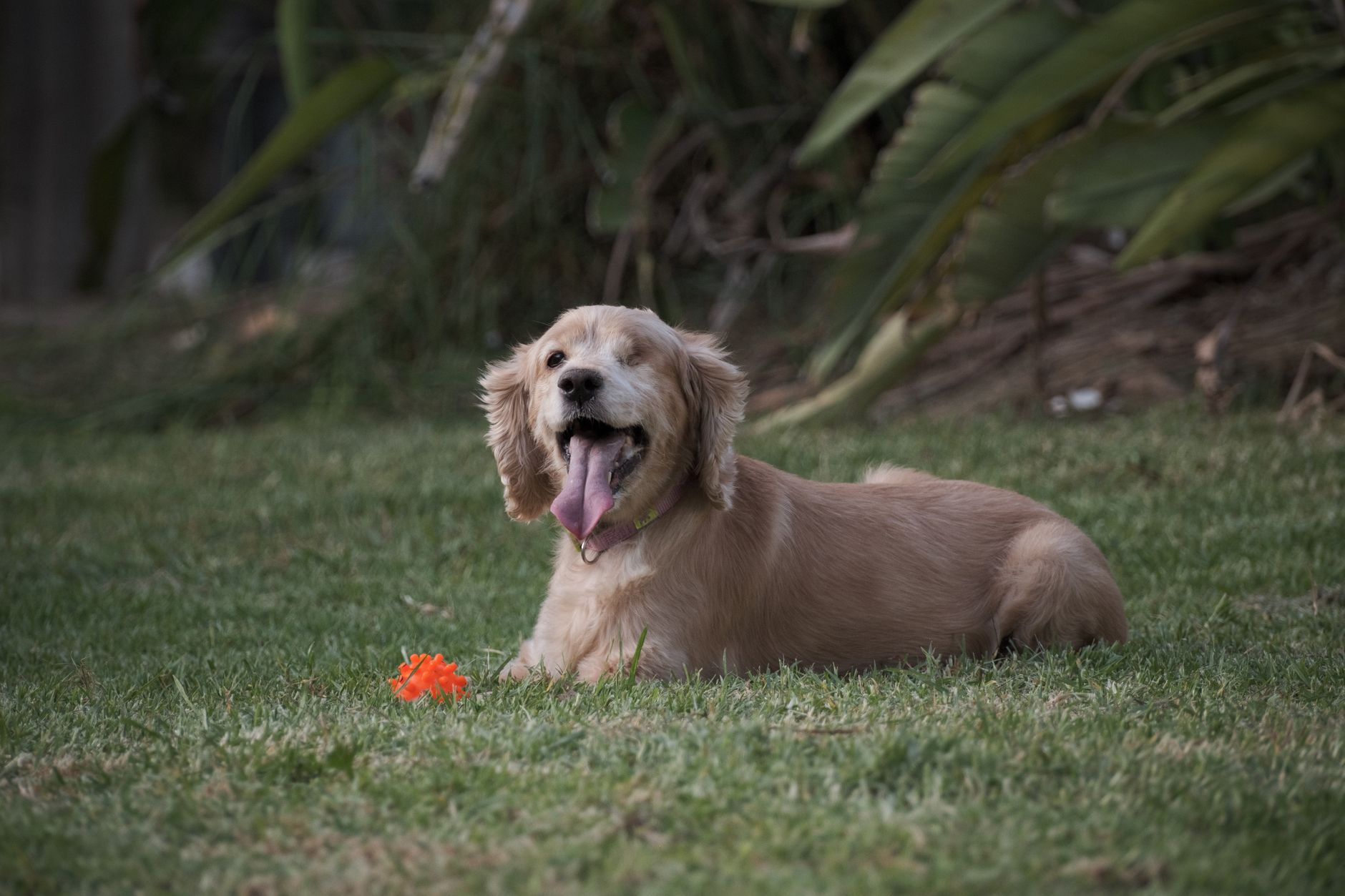
Do Dogs Pant Excessively When in Pain? Unveiling the Truth
Yes, dogs can pant excessively when in pain; however, it’s not always a straightforward indicator. While panting is a normal cooling mechanism, abnormal or excessive panting, especially when accompanied by other signs, can signal that a dog is experiencing pain.

Understanding Normal Panting in Dogs
Dogs pant primarily to regulate their body temperature. Unlike humans, they don’t sweat efficiently through their skin. Panting allows them to evaporate moisture from their tongues and upper respiratory tract, helping to dissipate heat. Normal panting is usually observed:
- After exercise
- In warm weather
- When the dog is excited or stressed (though this can also be a sign of pain)
The intensity and frequency of panting should correlate with the external factors. For example, a dog who has just finished a vigorous run in the summer will naturally pant heavily.
Recognizing Abnormal or Excessive Panting

Distinguishing between normal and abnormal panting is crucial. Excessive panting, particularly when unprovoked by heat or exertion, should raise concerns. Signs that the panting may be pain-related include:
- Increased respiratory rate: The dog pants faster and more shallowly than usual.
- Change in panting sound: The panting may sound strained, raspy, or labored.
- Accompanying behaviors: The dog may exhibit other signs of pain, such as whimpering, restlessness, hiding, loss of appetite, or aggression.
- Body posture: The dog might adopt a hunched posture or be reluctant to move.
- Panting at rest: When the dog is resting in a cool environment, excessive panting is more likely to be abnormal.
It is important to consider that other medical conditions besides pain can cause excessive panting. These conditions include heart disease, lung problems, Cushing’s disease, and anemia. It is always wise to consult with a veterinarian for an accurate diagnosis.
Why Pain Can Trigger Excessive Panting
The physiological link between pain and panting is complex. When a dog experiences pain, their body releases stress hormones, such as cortisol and adrenaline. These hormones can:
- Increase the dog’s heart rate and respiratory rate.
- Cause muscle tension and discomfort, further contributing to stress and panting.
- Elevate the dog’s body temperature slightly.
- Induce anxiety, which can manifest as increased panting.
This combination of physiological responses can result in the excessive panting observed in some dogs experiencing pain.
Other Signs of Pain in Dogs Beyond Panting
It’s vital to look for a cluster of symptoms, not just rely on panting alone to determine if dogs pant excessively when in pain. Here are some additional indicators:
- Changes in Behavior: Restlessness, hiding, increased aggression, or unusual timidity.
- Loss of Appetite: Reduced interest in food or water.
- Vocalizations: Whimpering, whining, or howling.
- Mobility Issues: Limping, stiffness, reluctance to move, or difficulty getting up.
- Changes in Posture: Hunched back, tucked tail, or guarding a specific area.
- Excessive Licking or Grooming: Focusing on a particular area of the body.
- Sleep Disturbances: Difficulty sleeping or changes in sleep patterns.
When to Seek Veterinary Attention
If you suspect your dog is experiencing pain, it’s crucial to consult with your veterinarian promptly. The sooner you address the issue, the better the outcome for your dog. Seek immediate veterinary attention if your dog exhibits:
- Sudden onset of excessive panting.
- Difficulty breathing or labored breathing.
- Collapse or weakness.
- Signs of severe pain, such as screaming or biting.
- Unresponsiveness.
A veterinarian can perform a thorough examination to determine the underlying cause of the panting and recommend appropriate treatment.
Preventing Pain in Dogs
While not all pain is preventable, there are several steps you can take to minimize your dog’s risk:
- Regular veterinary checkups: Early detection of health problems is key.
- Proper exercise and weight management: Helps prevent joint problems and other health issues.
- Dental care: Prevents dental disease, a common source of pain.
- Safe environment: Minimize risks of accidents and injuries.
- Appropriate training: Reduces stress and anxiety.
- Providing a comfortable and supportive bed: Promotes restful sleep.
By being proactive about your dog’s health and well-being, you can help minimize their chances of experiencing pain and improve their overall quality of life. Remember that Do dogs pant excessively when in pain? can be a complex question to answer as there are many contributing factors to a dogs’ behavior.

Frequently Asked Questions (FAQs)
Is panting always a sign of pain in dogs?
No, panting is not always a sign of pain. As discussed, it’s a normal cooling mechanism for dogs. However, excessive or unusual panting, particularly when accompanied by other symptoms, can suggest pain or other medical issues.
How can I tell if my dog’s panting is normal or abnormal?
Consider the context. If your dog is panting heavily after exercise or in hot weather, it’s likely normal. If they’re panting excessively at rest or in a cool environment, or if they’re exhibiting other signs of pain, it’s more likely to be abnormal. Monitoring your dog’s overall behavior is key.
What medical conditions can cause excessive panting besides pain?
Several medical conditions can lead to excessive panting, including heart disease, lung problems, Cushing’s disease, anemia, and obesity. It’s important to consult with a veterinarian to rule out these possibilities.
Can anxiety cause dogs to pant excessively?
Yes, anxiety can absolutely cause dogs to pant excessively. Anxious dogs often exhibit other signs of stress, such as pacing, trembling, and whining, in addition to heavy panting.
What should I do if I suspect my dog is in pain?
Consult with your veterinarian as soon as possible. They can perform a physical examination and run tests to determine the cause of your dog’s pain and recommend appropriate treatment. Do not administer any medication without first consulting your veterinarian.
Is it safe to give my dog human pain medication?
No, it is generally not safe to give your dog human pain medication. Many human pain medications, such as ibuprofen and acetaminophen, can be toxic to dogs. Always consult with your veterinarian before giving your dog any medication.
Can dental disease cause excessive panting?
While dental disease itself doesn’t directly cause excessive panting, the pain associated with it can. Untreated dental disease can lead to significant discomfort, which can trigger panting as a stress response.
How can I help prevent my dog from experiencing pain?
Maintain regular veterinary checkups, provide proper exercise and weight management, ensure good dental hygiene, and create a safe environment for your dog. Early detection and prevention are key.
Can chronic pain lead to behavioral changes in dogs?
Yes, chronic pain can significantly impact a dog’s behavior. Dogs in chronic pain may become withdrawn, irritable, or aggressive. They may also exhibit changes in their sleep patterns or appetite.
Does my dog’s breed affect their panting habits?
Yes, certain breeds are more prone to panting than others. Brachycephalic breeds (those with short noses and flat faces), such as Bulldogs and Pugs, often pant more easily due to their compromised airways.
What are some common causes of pain in older dogs?
Common causes of pain in older dogs include arthritis, hip dysplasia, and cancer. Regular veterinary checkups can help detect these conditions early.
How can I measure my dog’s respiration rate?
Count the number of breaths your dog takes in 15 seconds and then multiply that number by four to get the number of breaths per minute. You can do this by watching your dog’s chest rise and fall. A normal respiration rate for dogs is between 12 and 30 breaths per minute. Any rate significantly above this at rest may indicate a problem.