

What Eats Cyanobacteria in Coral Reefs?
The primary consumers of cyanobacteria in coral reefs are a diverse range of organisms, including specialized grazers like certain snails and crustaceans, as well as filter feeders like sponges and tunicates, and, to a lesser extent, some fish species, all playing a crucial role in maintaining reef health. This grazing and filtering action helps regulate cyanobacterial blooms and prevents their overgrowth on corals.

The Rise of Cyanobacteria on Coral Reefs: A Pressing Issue
Coral reefs, vibrant ecosystems teeming with life, are facing unprecedented challenges. Climate change, pollution, and overfishing are causing coral bleaching and habitat degradation, leading to a shift in the microbial community. One concerning consequence is the proliferation of cyanobacteria, also known as blue-green algae. These photosynthetic bacteria, while natural components of the reef ecosystem, can become dominant under stressed conditions, outcompeting corals and other beneficial organisms. Therefore, understanding what eats cyanobacteria in coral reefs is critically important for reef conservation.

Is distilled water good for goldfish?
What colours are fish most attracted to?
Can you put your finger in a trout's mouth?
Is methylene blue anti bacterial?
Why is Cyanobacterial Overgrowth a Problem?
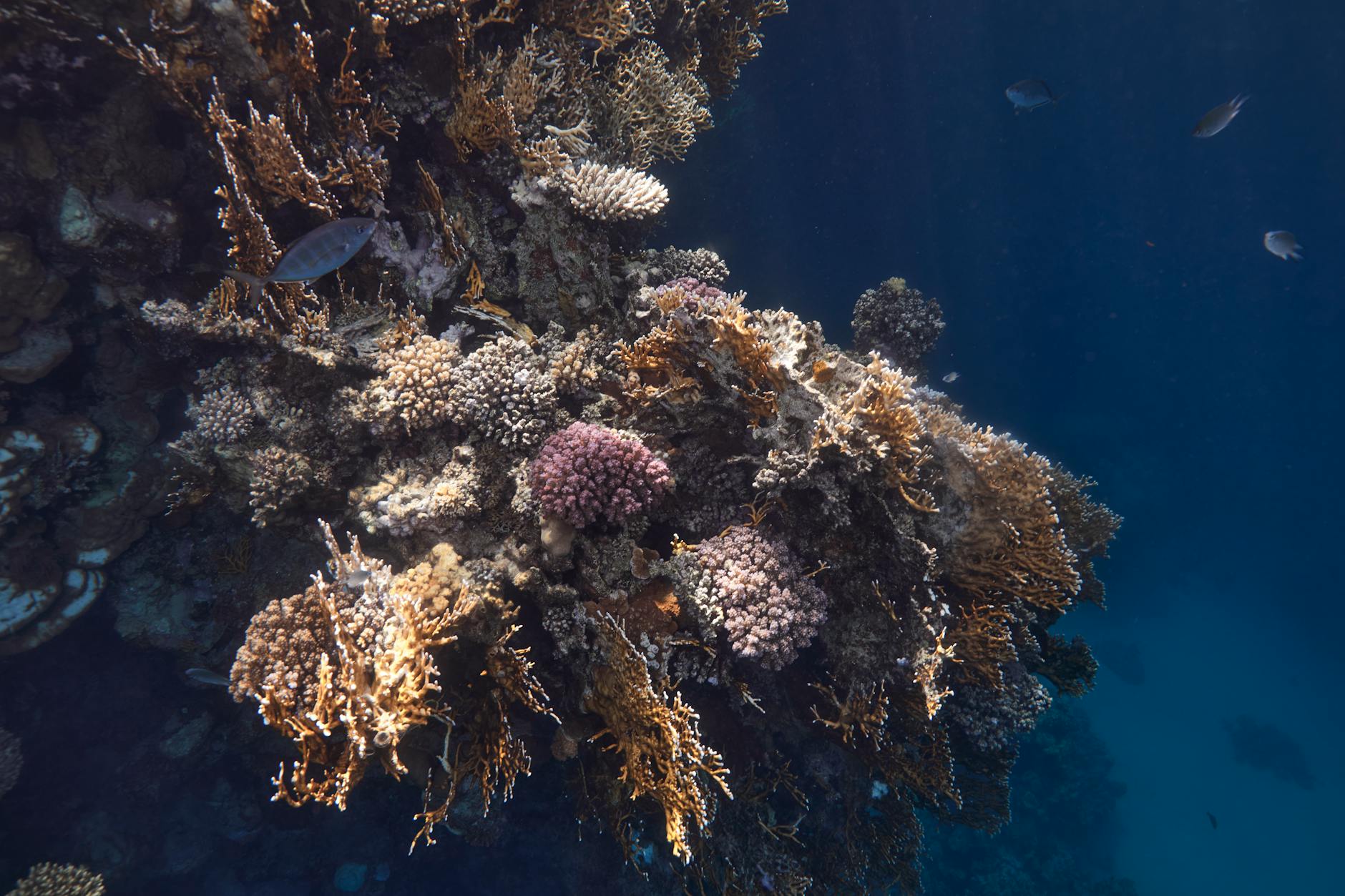
Cyanobacteria, in large quantities, pose several threats to coral reef ecosystems:
- Competition for space: They can smother corals, preventing them from accessing sunlight and nutrients.
- Toxin production: Some species produce potent toxins that can harm or kill corals, fish, and other reef inhabitants.
- Oxygen depletion: Large blooms can lead to oxygen depletion in the water column, creating dead zones.
- Nutrient imbalance: Cyanobacteria can alter the nutrient dynamics of the reef, favoring their own growth and further disadvantaging corals.
Key Consumers of Cyanobacteria
So, what eats cyanobacteria in coral reefs? A diverse range of organisms contribute to the control of cyanobacterial populations. The relative importance of each group varies depending on the specific reef environment and the species of cyanobacteria present.
- Grazing Invertebrates: Certain snails, sea slugs, and crustaceans specialize in grazing on cyanobacterial mats. These herbivores directly consume the cyanobacteria, preventing them from becoming too abundant.
- Examples: Some species of Littoraria snails, certain sea slugs, and amphipods.
- Filter Feeders: Sponges, tunicates (sea squirts), and some bivalves filter water, removing cyanobacteria and other suspended particles. These organisms play a crucial role in maintaining water clarity and preventing blooms.
- Examples: Various sponge species (e.g., Xestospongia), tunicates (e.g., Didemnum), and some mussels.
- Fish: While not typically the primary consumers, some fish species will graze on cyanobacteria, especially when other food sources are scarce. These fish contribute to the overall control of cyanobacterial populations, particularly in areas where invertebrates are less abundant.
- Examples: Some surgeonfish and parrotfish species.
- Protozoans and Other Microorganisms: Microscopic organisms like protozoans and viruses can also play a role in controlling cyanobacterial populations through grazing or lysis (cellular destruction).
Factors Affecting Consumption Rates
The efficiency of cyanobacterial consumption is influenced by various factors:
- Cyanobacterial Species: Different species of cyanobacteria have varying palatability and nutritional value, affecting their consumption rates by different grazers. Some produce toxins that deter grazing.
- Grazer Abundance and Diversity: The number and variety of grazers present on the reef determine the overall grazing pressure on cyanobacteria. Reefs with healthy grazer populations are better equipped to control cyanobacterial blooms.
- Environmental Conditions: Water temperature, nutrient levels, and light availability can affect both the growth rate of cyanobacteria and the activity of grazers.
- Reef Health: Degraded reefs with reduced coral cover and increased nutrient pollution are more prone to cyanobacterial blooms and may have fewer grazers.
The Role of Nutrient Management
While grazing is crucial, managing nutrient levels in the water is equally important in preventing cyanobacterial overgrowth. Reducing nutrient inputs from land-based sources, such as sewage and agricultural runoff, can help limit the growth of cyanobacteria and restore the balance of the reef ecosystem.
Conservation Efforts
Protecting and restoring coral reefs requires a multifaceted approach:
- Reducing pollution: Implementing stricter regulations on wastewater treatment and agricultural practices.
- Combating climate change: Reducing greenhouse gas emissions to slow down ocean warming and acidification.
- Promoting sustainable fishing practices: Protecting herbivorous fish populations that graze on algae, including some cyanobacteria.
- Reef restoration: Actively restoring damaged reefs by transplanting corals and removing excess algae.
- Supporting research: Funding research to better understand the dynamics of coral reef ecosystems and develop effective conservation strategies.
Frequently Asked Questions (FAQs)
What specific types of snails eat cyanobacteria in coral reefs?
Certain species within the Littoraria genus are known grazers of cyanobacteria. Their radula, a specialized scraping organ, allows them to efficiently remove cyanobacterial films from surfaces. Other snail species also likely contribute, though their diets may be less specialized.
Do sponges specifically target cyanobacteria, or do they filter them incidentally?
Sponges are non-selective filter feeders, meaning they filter all particles within a certain size range, including cyanobacteria. They don’t actively target cyanobacteria, but their filtering activity contributes to their removal from the water column. The efficiency of removal depends on the sponge’s filtration rate and the concentration of cyanobacteria in the water.
Are there any downsides to using grazers to control cyanobacteria?
While using grazers is a natural and generally beneficial approach, introducing non-native grazers can have unintended consequences. Native grazers are already adapted to the reef ecosystem and are less likely to cause disruptions. Overgrazing can also occur if grazer populations become too large, potentially impacting other algal species.
How does nutrient pollution contribute to cyanobacterial blooms?
Excess nutrients, particularly nitrogen and phosphorus, fuel the growth of cyanobacteria. These nutrients often originate from agricultural runoff, sewage discharge, and industrial waste. High nutrient levels create an environment where cyanobacteria can outcompete other organisms, leading to blooms.
Can coral bleaching lead to increased cyanobacterial growth?
Yes, coral bleaching significantly contributes to cyanobacterial growth. Bleached corals are weakened and more susceptible to being overgrown by cyanobacteria. The reduced coral cover also frees up space for cyanobacteria to colonize.
What is the role of viruses in controlling cyanobacteria?
Viruses that infect cyanobacteria, known as cyanophages, can play a significant role in regulating their populations. Cyanophages can cause lysis of cyanobacterial cells, releasing their contents and reducing bloom size. The dynamics of cyanophage-cyanobacteria interactions are complex and influenced by environmental factors.
Are some types of cyanobacteria more resistant to grazing than others?
Yes, some cyanobacteria are more resistant to grazing due to factors such as toxin production, thick cell walls, or the formation of dense mats. These species can be difficult to control through grazing alone.
How can scientists monitor cyanobacterial populations on coral reefs?
Scientists use a variety of methods to monitor cyanobacterial populations, including:
- Visual surveys: Assessing the extent of cyanobacterial coverage on corals and other surfaces.
- Water sampling: Collecting water samples and analyzing them for cyanobacterial abundance and toxin levels.
- Remote sensing: Using satellite imagery to monitor large-scale changes in cyanobacterial distribution.
- Molecular techniques: Identifying and quantifying different species of cyanobacteria using DNA sequencing.
What are the long-term consequences of cyanobacterial overgrowth on coral reefs?
Long-term cyanobacterial overgrowth can lead to a decline in coral cover, a reduction in biodiversity, and a shift in the overall ecosystem structure. This can have significant economic and social impacts, as coral reefs provide valuable ecosystem services, such as fisheries and tourism.
How does ocean acidification affect cyanobacteria and their grazers?
Ocean acidification, caused by the absorption of excess carbon dioxide from the atmosphere, can affect both cyanobacteria and their grazers. Some studies suggest that ocean acidification may promote the growth of certain cyanobacteria, while others show negative impacts on the calcification of grazers such as snails and crustaceans.
Are there any specific projects focused on managing cyanobacteria on coral reefs?
Several research and conservation projects are focused on managing cyanobacteria on coral reefs. These projects may involve studying the effectiveness of different grazing strategies, developing methods for nutrient removal, and restoring degraded reefs. Examples include projects focused on reducing nutrient runoff in coastal areas.
What can individuals do to help reduce cyanobacterial blooms on coral reefs?
Individuals can take several actions to help reduce cyanobacterial blooms, including:
- Reducing their use of fertilizers and pesticides.
- Supporting sustainable seafood choices.
- Reducing their carbon footprint.
- Educating themselves and others about the importance of coral reef conservation.
- Supporting organizations working to protect coral reefs.