

What Eats a Feral Hog?
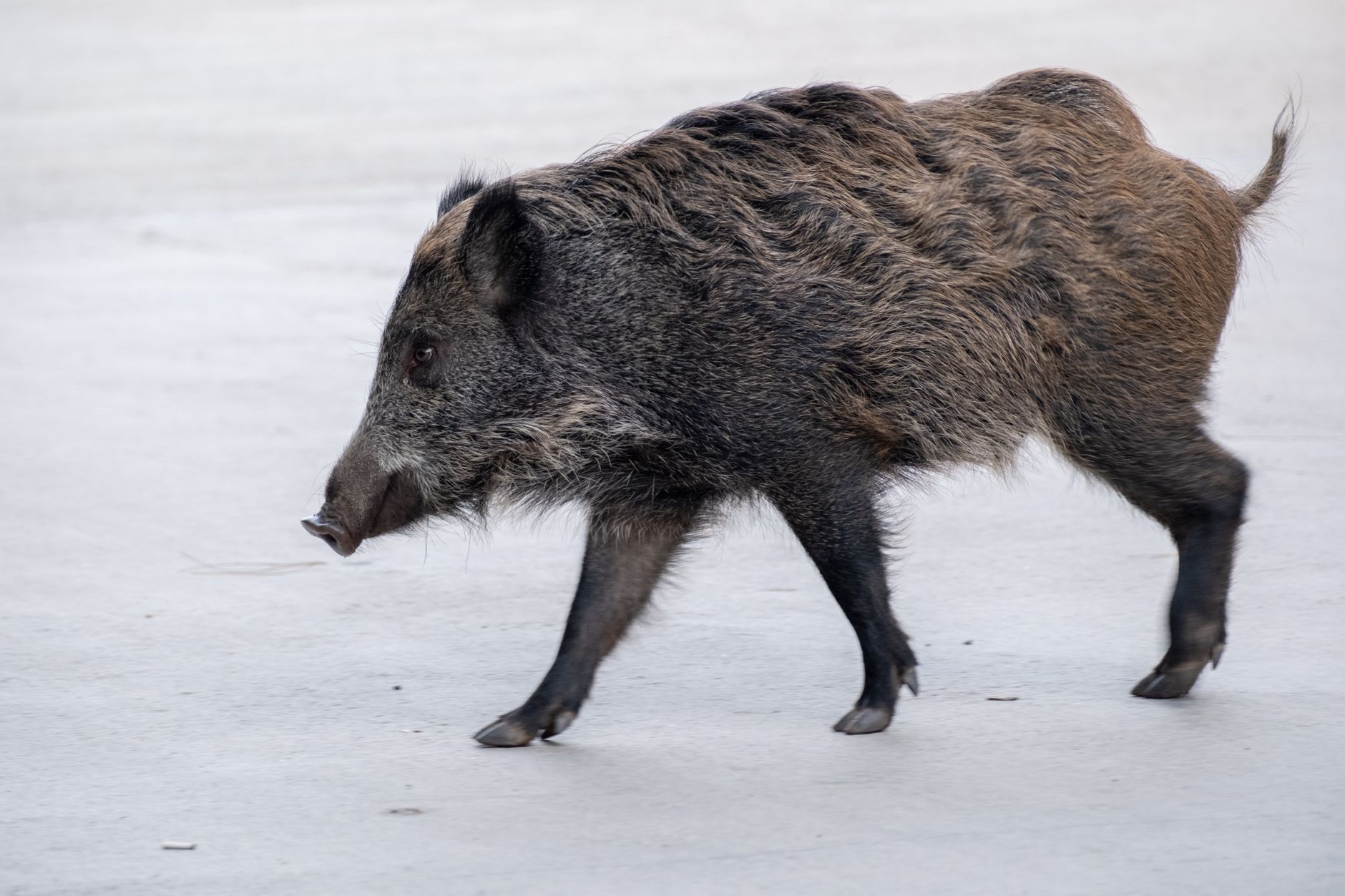
Feral hogs, while prolific and destructive, are not invincible; a range of predators, including large carnivores and even other hogs, prey on them, particularly on vulnerable piglets and young juveniles.

Introduction: The Invasive Wild Pig and Its Predators
Feral hogs (Sus scrofa), also known as wild pigs or feral swine, are an invasive species causing significant ecological and economic damage across vast areas of the United States and other regions. Their high reproductive rate allows them to rapidly expand their populations. Understanding the dynamics of predation is crucial for managing these destructive creatures. So, what eats a feral hog? The answer is complex and depends on factors like hog size, geographic location, and the availability of other prey. This article delves into the predators of feral hogs, examining their impact and the ecological context within which they operate.
Is distilled water good for goldfish?
What colours are fish most attracted to?
Can you put your finger in a trout's mouth?
Is methylene blue anti bacterial?
Predators of Feral Hogs: A Geographic Perspective

The predators of feral hogs vary depending on the geographic location. Here’s a breakdown:
- Southeastern United States: This region is dominated by American alligators, bobcats, coyotes, and occasionally black bears.
- Southwestern United States: Coyotes and bobcats are the primary predators, with mountain lions (cougars) also playing a role in some areas.
- Midwestern United States: Coyotes are the most common predator.
- Globally: In other parts of the world where feral hogs exist, predators may include wolves, tigers, leopards, and even large birds of prey.
The Size and Vulnerability Factor
The size of the feral hog significantly influences its vulnerability to predation. Piglets and juvenile hogs are far more susceptible than adults.
- Piglets: Extremely vulnerable to almost all predators capable of consuming meat.
- Juveniles: Still vulnerable, but can evade some smaller predators.
- Adults: Typically only targeted by larger predators.
Cannibalism: Hogs Eating Hogs
A surprising aspect of feral hog behavior is cannibalism. Adult feral hogs, particularly sows (females), have been known to prey on piglets, especially when resources are scarce.
- Resource Scarcity: When food is limited, the survival of the fittest becomes paramount.
- Infanticide: Sows may kill and consume piglets, especially those not related to them.
The Role of Humans in Feral Hog Population Control
Humans are arguably the most significant predator of feral hogs. Hunting, trapping, and other control measures are widely employed to manage feral hog populations.
- Hunting: A popular method, but often ineffective in controlling large populations.
- Trapping: Can be effective, especially when targeting specific sounders (family groups).
- Professional Control Programs: These programs can use strategies such as aerial gunning to reduce population sizes.
The Impact of Predation on Feral Hog Populations
While predation does occur, its impact on overall feral hog populations is often limited. Their high reproductive rate often offsets losses to predators.
- High Reproductive Rate: Sows can have multiple litters per year, with several piglets per litter.
- Adaptability: Feral hogs are highly adaptable to different environments.
- Predator-Prey Dynamics: The relationship between predators and feral hogs is complex and can vary depending on the environment.
Comparison of Major Feral Hog Predators
| Predator | Geographic Range | Size of Hog Targeted | Predation Effectiveness |
|---|---|---|---|
| American Alligator | Southeastern US | Piglets, Juveniles | High |
| Coyote | North America | Piglets, Juveniles, Small Adults | Moderate |
| Bobcat | North America | Piglets, Juveniles | Moderate |
| Black Bear | Southeastern US, other parts of North America | Piglets, Juveniles | Moderate |
| Mountain Lion | Western North America | Piglets, Juveniles, Adults | High |
| Adult Feral Hogs | Worldwide (where feral hogs exist) | Piglets | Variable |
Frequently Asked Questions (FAQs)
Are feral hogs apex predators?
No, feral hogs are not apex predators. While they are opportunistic omnivores and can be aggressive, they are themselves preyed upon by larger carnivores. They occupy a mesopredator role in many ecosystems, meaning they are both predator and prey.
Can domestic dogs be used to hunt feral hogs?
Yes, domestic dogs, particularly specialized hunting breeds like hog dogs, are often used to hunt feral hogs. However, this practice is controversial due to the risk of injury to the dogs and the potential for spreading diseases between domestic dogs and wild hogs.
What impact do humans have on feral hog populations compared to natural predators?
Humans typically have a much greater impact on feral hog populations than natural predators. Hunting, trapping, and other control measures implemented by humans can significantly reduce hog populations, while natural predation often has a limited effect due to the hog’s high reproductive rate.
Does the availability of other prey influence predation on feral hogs?
Yes, the availability of other prey can influence predation on feral hogs. If alternative prey is abundant, predators may focus on those resources instead of feral hogs. Conversely, if other prey is scarce, predators may increase their predation on feral hogs.
Are there any diseases that feral hogs can transmit to their predators?
Yes, feral hogs can transmit diseases to their predators. Diseases like brucellosis and pseudorabies can be transmitted to predators that consume infected hogs, potentially impacting their health and survival. It is critical that hunters and landowners take precautions when handling feral hogs to minimize disease transmission.
What are the biggest threats to feral hog piglets?
The biggest threats to feral hog piglets include predation by coyotes, bobcats, alligators, and even other adult feral hogs. Additionally, environmental factors like severe weather and lack of food can also contribute to piglet mortality.
How does habitat type affect predation on feral hogs?
Habitat type can significantly affect predation on feral hogs. Dense vegetation can provide cover for piglets, reducing their vulnerability to predators. Open areas, on the other hand, may make hogs more susceptible to predation.
Do alligators actively hunt adult feral hogs?
While alligators primarily target piglets and juvenile hogs, they are capable of preying on adult feral hogs, especially smaller individuals or those that venture too close to the water’s edge. Large alligators possess the strength and opportunity to take down adult hogs.
Is predation a viable solution for controlling feral hog populations?
While predation can help to control feral hog populations to some degree, it is generally not a viable solution on its own. Feral hogs are highly adaptable and reproduce quickly, often offsetting the effects of predation. A combination of methods is usually necessary for effective population control.
What role do vultures and other scavengers play in the feral hog ecosystem?
Vultures and other scavengers play an important role in cleaning up carcasses of feral hogs that die from natural causes, hunting, or disease. This helps to prevent the spread of disease and recycle nutrients back into the environment.
Are there any efforts being made to introduce or support predators of feral hogs to help control their populations?
While there are no widespread efforts to introduce predators specifically for feral hog control, some landowners and conservation groups focus on habitat management strategies that support native predator populations. This can indirectly help to control feral hog populations.
How can landowners protect domestic animals from feral hog predation?
Landowners can protect domestic animals from feral hog predation by using fencing to exclude hogs from pastures and livestock areas. They can also employ proactive control measures like trapping and hunting to reduce the local feral hog population.