
What Do Stray Cats Eat?: Survival on the Streets
What do stray cats eat? Stray cats survive on a varied diet consisting primarily of scavenged food scraps, hunted small animals, and, if they’re lucky, handouts from sympathetic humans; their diet is often irregular and nutritionally deficient, leading to potential health problems.

Introduction: The Harsh Reality of a Stray Cat’s Diet
Life for a stray cat is a constant struggle for survival. One of the biggest challenges they face is finding enough to eat. Unlike domesticated cats who have access to regular meals, stray cats must rely on their instincts and resourcefulness to find sustenance. What do stray cats eat? The answer is complex and often unpleasant, highlighting the difficulties these animals face. This article delves into the nutritional landscape of the stray cat, offering insights into their diet and the impact it has on their health.
What is the GREY African clawed frog?
Is distilled water good for goldfish?
What colours are fish most attracted to?
Can you put your finger in a trout's mouth?
Scavenging: The Primary Food Source

Most stray cats rely heavily on scavenging for food. This involves searching through garbage cans, dumpsters, and anywhere else they might find discarded food scraps.
- Discarded food: Leftovers from restaurants, homes, and businesses are common sources.
- Rotting food: Unfortunately, this often includes food that is spoiled or contaminated, which can lead to illness.
- Human handouts: Some stray cats depend on kind individuals who provide them with food regularly, but this is often unreliable.
Hunting: A Necessary Skill
Hunting is another essential survival skill for stray cats. It allows them to supplement their diet with fresh protein and essential nutrients.
- Rodents: Mice, rats, and other small rodents are a primary source of food.
- Birds: Stray cats will also hunt birds, although this can be more challenging.
- Insects: Insects can provide a small amount of nutrition, especially during times when other food sources are scarce.
- Small mammals: Rabbits, squirrels and other small mammals when the opportunity arrises.
Nutritional Deficiencies and Health Implications
The irregular and often inadequate diet of a stray cat can lead to various health problems. Understanding what do stray cats eat and how it affects their health is crucial.
- Malnutrition: Lack of essential vitamins and minerals can weaken the immune system and make cats more susceptible to disease.
- Dental problems: Eating hard, scavenged food can damage teeth and gums.
- Parasites: Consuming contaminated food or prey can lead to parasitic infections.
- Feline Immunodeficiency Virus (FIV) and Feline Leukemia Virus (FeLV): Often spread through fighting over scarce food sources.
Understanding Regional Variations in Diet
The diet of stray cats can vary depending on their geographic location and the availability of food sources.
| Region | Common Food Sources |
|---|---|
| Urban Areas | Discarded food, restaurant scraps, human handouts |
| Rural Areas | Hunted rodents, birds, insects |
| Coastal Areas | Fish scraps, seafood, small marine animals |
Human Impact: Feeding Stray Cats Responsibly
While feeding stray cats can be a compassionate act, it’s important to do so responsibly to avoid attracting unwanted pests and contributing to overpopulation.
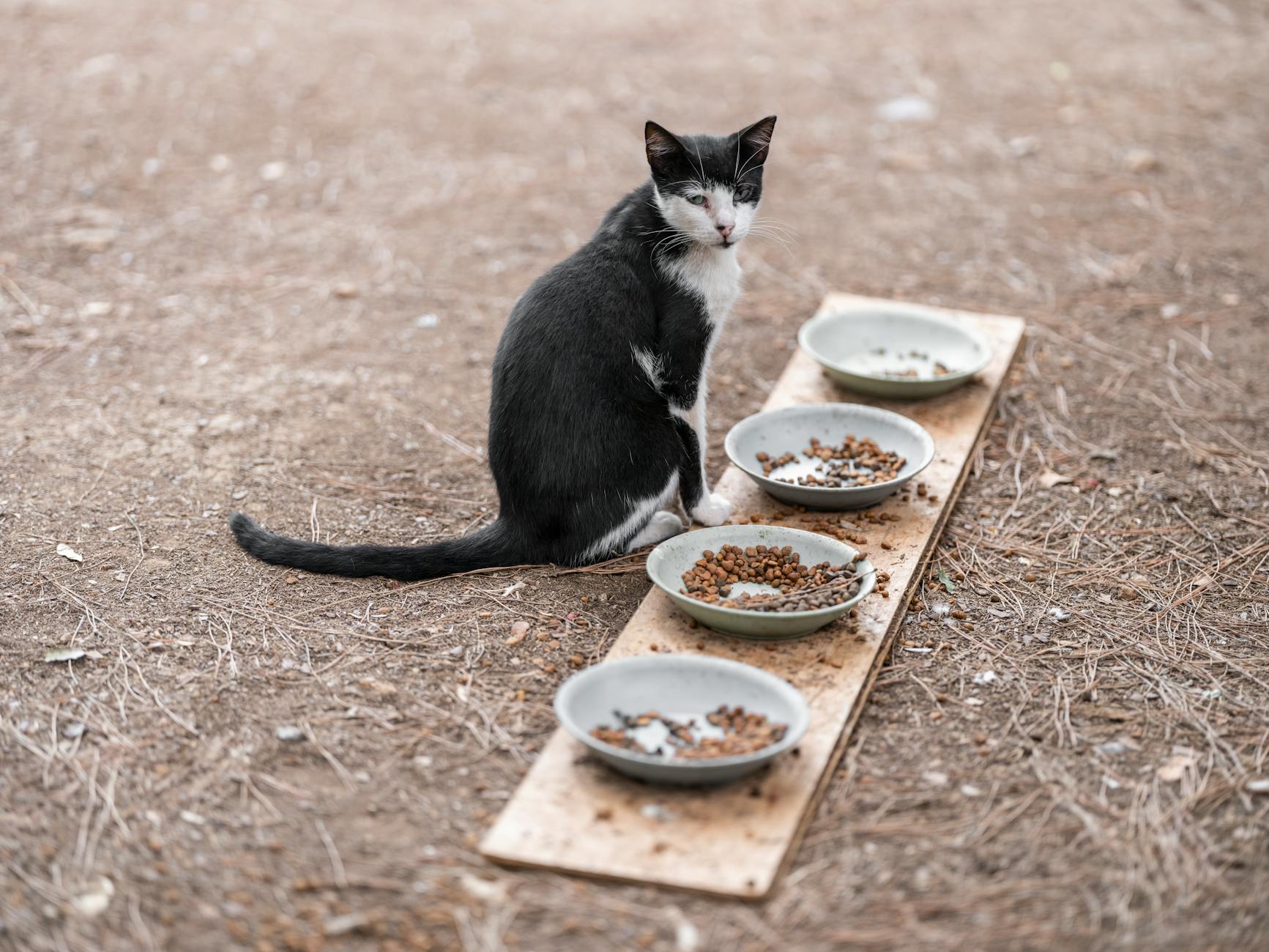
- Provide food in a clean and controlled manner: Use designated feeding stations and clean up any leftover food to prevent attracting rodents.
- Consider TNR (Trap-Neuter-Return): This is the most humane way to manage stray cat populations.
- Consult with local animal shelters: They can provide guidance on responsible feeding practices and TNR programs.
What Do Stray Cats Eat? The Cycle of Survival
In summary, what do stray cats eat? They eat a wide range of foods, often dictated by availability rather than nutritional value. This harsh reality highlights the need for responsible community action to improve the lives of these vulnerable animals. Providing proper care, promoting TNR programs, and educating the public about responsible feeding practices are essential steps in addressing the challenges faced by stray cats.
Frequently Asked Questions (FAQs)
What is the most common thing stray cats eat?
The most common thing stray cats eat is whatever they can find that offers sustenance. This often includes discarded food scraps from garbage bins, leftovers from restaurants, and, when possible, small animals they can hunt, like rodents. These options are frequently chosen out of necessity rather than preference.
Can stray cats survive on only eating rodents?
While rodents provide a vital source of protein and nutrients for stray cats, relying solely on them is unlikely to meet all their nutritional needs. Stray cats may still experience vitamin and mineral deficiencies if rodents are their exclusive food source.
Is it safe to feed stray cats dog food?
While dog food may temporarily satisfy a stray cat’s hunger, it is not nutritionally complete for felines. Dog food lacks essential nutrients like taurine, which are critical for a cat’s heart and eye health. Long-term feeding of dog food can lead to serious health problems in cats.
What are some signs that a stray cat is malnourished?
Signs of malnutrition in a stray cat can include a thin body condition, dull coat, lethargy, and increased susceptibility to illness. You may also observe dental problems or open wounds that heal very slowly.
Can I give milk to stray cats?
Although commonly depicted in media, milk is generally not a good option for stray cats. Many cats are lactose intolerant, and consuming milk can lead to digestive upset, diarrhea, and dehydration. It’s always best to offer fresh water.
How often should I feed a stray cat if I choose to do so?
If you choose to feed a stray cat, it’s best to provide a small amount of food once or twice a day. Establishing a consistent feeding schedule can help the cat feel secure. Avoid leaving large amounts of food out, as this can attract unwanted pests.
What kind of food is best for stray cats?
The best food for stray cats is high-quality, nutritionally complete cat food. Canned food is preferable because it provides more moisture, which helps prevent dehydration. Avoid foods with excessive fillers or artificial ingredients.
Should I provide water for stray cats, even if I don’t feed them?
Yes, providing fresh water is essential for stray cats, especially during hot weather or in dry climates. Make sure the water is clean and easily accessible.
What is the best way to help a stray cat in my neighborhood?
The best way to help a stray cat is to contact your local animal shelter or rescue organization. They can help trap, neuter, and return the cat (TNR), which is the most humane way to manage stray cat populations. They can also assess the cat’s health and provide any necessary medical care.
Can a stray cat get sick from eating garbage?
Yes, stray cats can easily get sick from eating garbage. Garbage can contain harmful bacteria, toxins, and foreign objects that can cause digestive upset, infections, and other health problems.
Is it legal to feed stray cats in my area?
The legality of feeding stray cats varies by location. Some areas have ordinances that prohibit or restrict the feeding of stray animals. It’s important to check with your local authorities to ensure you are in compliance with any applicable regulations.
How does the diet of a stray cat compare to that of a feral cat?
While the terms are often used interchangeably, stray cats are generally more accustomed to human interaction than feral cats. A stray cat’s diet may include more scavenged food from human sources, whereas a feral cat may rely more heavily on hunting. However, both face similar challenges in obtaining consistent and nutritionally adequate food.