
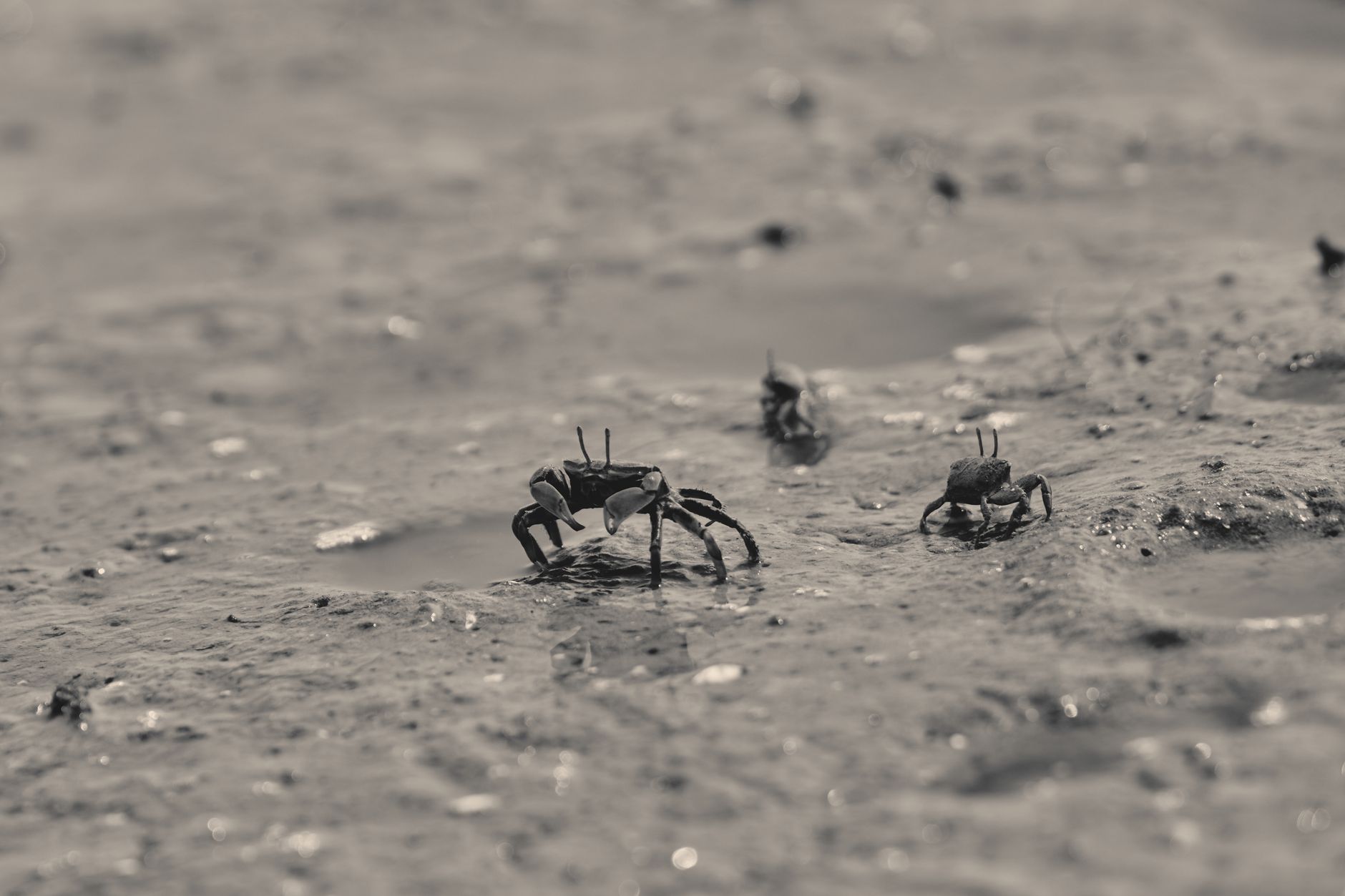
What do Purple Mottled Shore Crabs Eat?
Purple mottled shore crabs (Hemigrapsus nudus) are opportunistic omnivores, consuming a varied diet that includes algae, small invertebrates, decaying organic matter, and even the occasional small fish. Their flexible feeding habits contribute to their survival and abundance in intertidal zones.
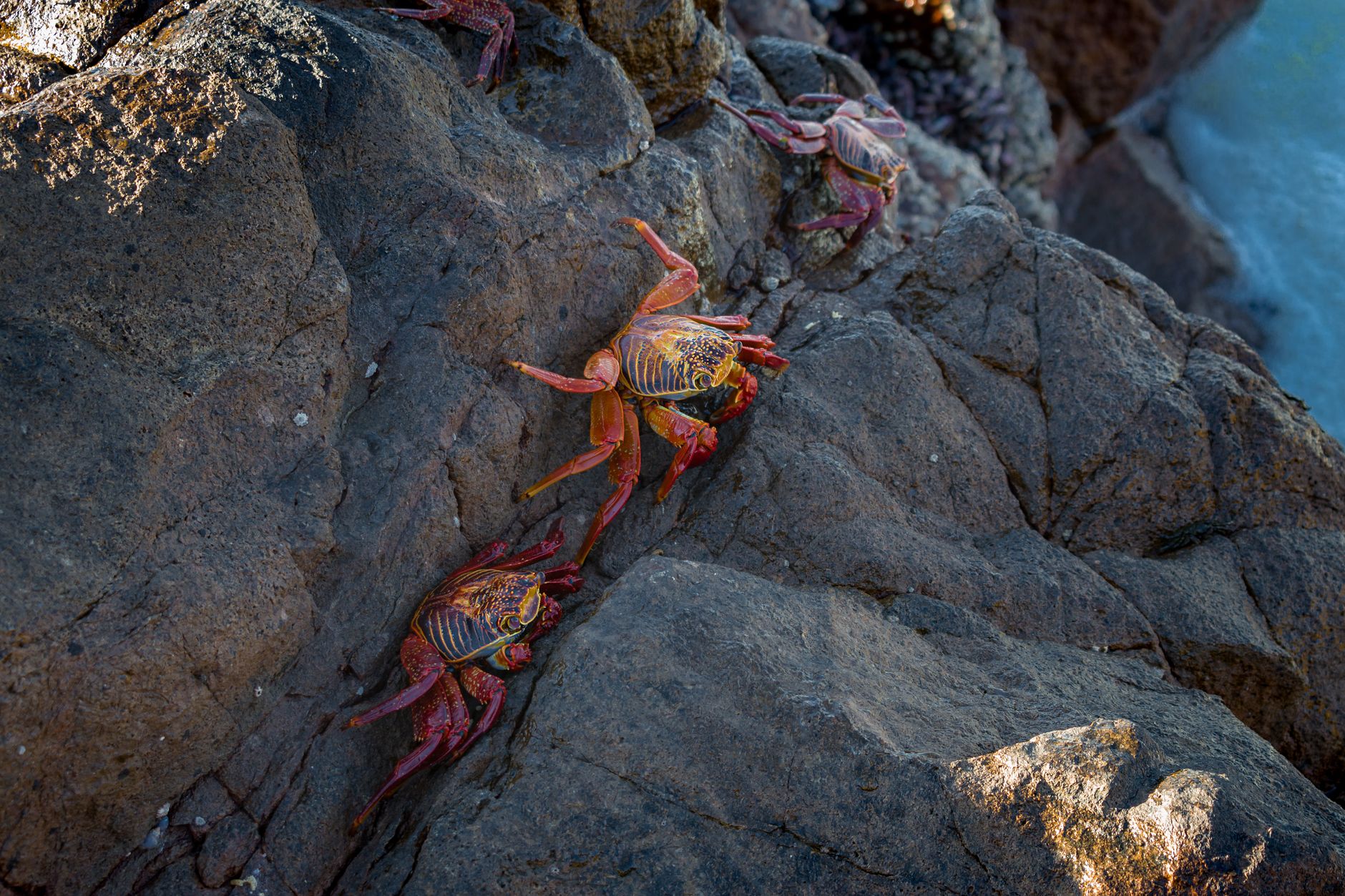
Introduction: A Glimpse into the Gastronomic World of Hemigrapsus nudus
The purple mottled shore crab (Hemigrapsus nudus) is a common sight along the Pacific coast of North America, scuttling amongst the rocks and seaweed of the intertidal zone. These hardy crustaceans play a vital role in their ecosystem, acting as both scavengers and predators. Understanding what do purple mottled shore crabs eat? is key to appreciating their ecological importance and the dynamics of the intertidal environment. This article delves into the dietary habits of this fascinating crab, exploring the wide range of food sources it utilizes to thrive in its challenging habitat.

What is the GREY African clawed frog?
Is distilled water good for goldfish?
What colours are fish most attracted to?
Can you put your finger in a trout's mouth?
The Purple Mottled Shore Crab: An Overview

Before diving into their diet, it’s important to understand the creature we’re discussing. The purple mottled shore crab is easily identifiable by its distinctive purple mottling on its carapace and legs. They are relatively small, reaching a carapace width of up to 5.6 cm. These crabs are active scavengers, foraging for food throughout the intertidal zone during both high and low tide. They are adapted to survive periods of air exposure, making them well-suited to their fluctuating environment.
Dietary Components: An Omnivorous Feast
What do purple mottled shore crabs eat? Their diet is quite diverse, reflecting their opportunistic feeding strategy. Here’s a breakdown of the major components:
- Algae: This is a primary food source, particularly green algae, which is abundant in their habitat.
- Small Invertebrates: They readily consume small snails, barnacles, amphipods, and other invertebrates they can capture.
- Detritus: Decaying organic matter, including dead plant and animal material, forms a significant part of their diet.
- Other Crabs: They have been observed consuming smaller or injured crabs, including their own species, demonstrating cannibalistic tendencies.
- Fish (occasionally): They may scavenge on dead fish or attempt to capture small, slow-moving fish in tide pools.
Feeding Strategies and Adaptations
Purple mottled shore crabs use their chelipeds (claws) to manipulate food and their maxillipeds (mouthparts) to process it. They are active foragers, constantly searching for food within their immediate environment. Their ability to tolerate periods of air exposure allows them to continue foraging even during low tide when many other organisms are inactive. This adaptability is crucial to their survival.
Environmental Factors Influencing Diet
The diet of purple mottled shore crabs can be influenced by several environmental factors:
- Seasonality: The availability of different food sources changes seasonally. Algae growth is typically higher during spring and summer, while detritus may be more abundant in the fall after storms.
- Tidal Cycles: The duration and frequency of tidal inundation influence the amount of time they have to forage.
- Location: The specific species of algae and invertebrates present in a particular location can affect their diet.
- Pollution: Pollution can disrupt the availability of food sources and may even lead to the crabs consuming contaminated materials.
Ecological Role: Scavengers and Predators
The purple mottled shore crab plays a crucial role in the intertidal ecosystem. As scavengers, they help to break down organic matter, preventing the accumulation of waste. As predators, they help to control populations of small invertebrates. This makes them a vital part of the food web.
Identifying Food Sources in Stomach Content Analysis
Scientists often study the diet of purple mottled shore crabs by analyzing the contents of their stomachs. This involves dissecting crabs and examining the food particles under a microscope. This method allows researchers to identify the specific types of algae, invertebrates, and other materials that the crabs have been consuming.
Frequently Asked Questions (FAQs)
What is the primary food source for purple mottled shore crabs?
Algae, particularly green algae, forms a substantial portion of their diet. They are opportunistic feeders, however, and will consume a variety of other items.
Do purple mottled shore crabs eat other crabs?
Yes, purple mottled shore crabs have been observed engaging in cannibalistic behavior, consuming smaller or injured crabs, including members of their own species.
Are purple mottled shore crabs picky eaters?
No, they are not particularly picky. They are opportunistic omnivores that will consume a wide variety of food items available in their environment.
How do purple mottled shore crabs find food?
They are active foragers that constantly search for food within their immediate environment, using their senses to detect potential food sources.
What role do purple mottled shore crabs play in the ecosystem?
They play a crucial role as both scavengers and predators. As scavengers, they help break down organic matter, and as predators, they help control populations of small invertebrates.
Do environmental conditions affect the diet of purple mottled shore crabs?
Yes, factors like seasonality, tidal cycles, and location can influence the availability of different food sources, thereby affecting their diet.
Do purple mottled shore crabs eat dead fish?
Yes, they will scavenge on dead fish if they come across them, but this is not a primary food source. They will also attempt to capture small, slow-moving fish in tide pools.
What kind of invertebrates do purple mottled shore crabs eat?
They consume a variety of small invertebrates, including snails, barnacles, amphipods, and other crustaceans.
How do purple mottled shore crabs digest their food?
They possess a complex digestive system that allows them to efficiently process a wide range of food materials, including algae, invertebrates, and detritus.
Are purple mottled shore crabs affected by pollution in their diet?
Yes, pollution can disrupt the availability of food sources and may even lead to the crabs consuming contaminated materials, which can negatively impact their health.
What is the scientific method used to study what purple mottled shore crabs eat?
Scientists often use stomach content analysis, where they dissect the crabs and examine the food particles under a microscope to identify the types of algae, invertebrates, and other materials they have consumed.
How does the diet of purple mottled shore crabs compare to other shore crabs?
While many shore crabs are also opportunistic omnivores, the specific dietary composition can vary depending on the species and the environmental conditions of their habitat. Some species may be more specialized in consuming certain types of algae or invertebrates than others. The purple mottled shore crab is particularly adept at exploiting a wide range of resources, making it a successful inhabitant of the intertidal zone.