

What Do Owls Do During the Day and Night? A Comprehensive Look
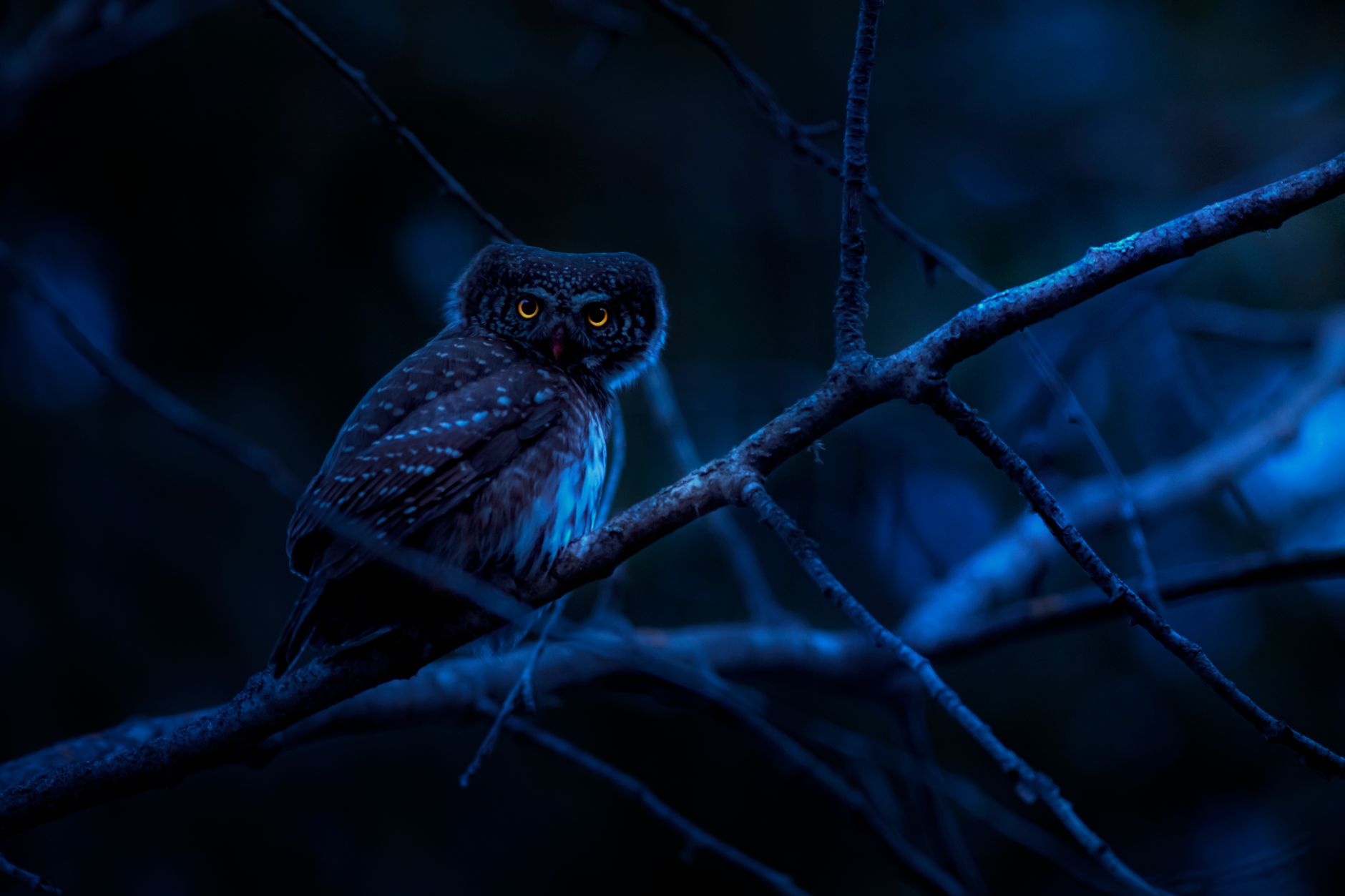
Owls exhibit fascinating diurnal and nocturnal behaviors; essentially, owls hunt and are most active at night, while during the day, they rest, sleep, and remain relatively inactive, although some species are crepuscular or even diurnal.

Introduction: Unmasking the Secret Lives of Owls
Owls, those enigmatic and captivating birds of prey, have fascinated humankind for centuries. Their silent flight, piercing gaze, and haunting hoots contribute to their mystique. But what do owls do during the day and night? Their activity patterns are deeply intertwined with their ecological roles as predators and their evolutionary adaptations for survival. Understanding their diurnal and nocturnal behaviors provides crucial insights into their lives and the delicate balance of the ecosystems they inhabit. This article delves into the diverse activities of owls, shedding light on their daily routines and nocturnal prowess.
Is distilled water good for goldfish?
What colours are fish most attracted to?
Can you put your finger in a trout's mouth?
Is methylene blue anti bacterial?
Owl Activity Patterns: Nocturnal Hunters and Diurnal Roosters (Sort Of)

Most owl species are nocturnal, meaning they are most active during the nighttime hours. This nocturnal lifestyle is a key adaptation that allows them to exploit a niche with less competition from other avian predators, especially diurnal raptors like hawks and eagles. However, not all owls are strictly nocturnal. Some species exhibit crepuscular behavior, meaning they are most active during twilight hours (dawn and dusk), while a few species are diurnal, meaning they are active during the day.
- Nocturnal Owls: These owls rely on their exceptional hearing and night vision to hunt in darkness.
- Crepuscular Owls: These owls are active during dawn and dusk, taking advantage of periods when prey may be more vulnerable.
- Diurnal Owls: These owls, like the Northern Hawk Owl, are adapted to hunt in daylight, often relying on visual acuity.
What Owls Do During the Night: A Symphony of Silent Hunting
The night is when most owls truly come alive. Their activities during this period revolve primarily around hunting, feeding, and maintaining their territories.
- Hunting: Owls are highly efficient predators, equipped with specialized adaptations for capturing prey. Their asymmetrical ear placement allows them to pinpoint the location of prey based on sound, even in complete darkness. Their soft feathers enable silent flight, preventing them from alerting their prey before striking. They eat rodents, insects, and even smaller birds.
- Feeding: Once an owl has captured its prey, it uses its sharp talons and beak to tear it apart. Owls often swallow their prey whole or in large pieces.
- Territorial Defense: Owls are territorial birds, and they actively defend their hunting grounds from intruders. This often involves vocalizations, such as hooting, as well as physical displays.
- Mating Rituals: For some owl species, the nighttime also plays a key role in mating and courtship.
What Owls Do During the Day: Resting, Digesting, and Surviving
During the day, most owls spend their time resting, digesting, and avoiding predators. While they are not actively hunting, they are still vigilant and aware of their surroundings.
- Roosting: Owls typically roost in secluded locations, such as tree cavities, dense foliage, or rock crevices. These roost sites provide protection from the elements and predators.
- Digestion: Owls regurgitate pellets containing indigestible parts of their prey, such as bones, fur, and feathers. The process of forming and regurgitating these pellets is an important part of their digestive process.
- Preening: Owls spend time preening their feathers to keep them clean and in good condition. This is essential for maintaining their ability to fly silently.
- Avoiding Predators: Owls are vulnerable to predation during the day, especially by larger birds of prey. They rely on camouflage and their roosting sites to avoid detection.
- Social Interaction (for some species): Certain owl species, like screech owls, may engage in some level of social interaction with their mates or family members during the day, such as grooming or exchanging vocalizations.
Factors Influencing Owl Activity: Beyond Day and Night
Several factors can influence what owls do during the day and night, including the availability of prey, weather conditions, and breeding season.
- Prey Availability: When prey is abundant, owls may be more active, regardless of the time of day.
- Weather Conditions: Severe weather, such as heavy rain or snow, can limit owl activity.
- Breeding Season: During the breeding season, owls may exhibit different activity patterns as they focus on nesting, incubation, and raising their young.
- Human Disturbance: Human activities, such as habitat destruction and hunting, can also impact owl activity.
Owl Adaptations: Built for Day and Night
Owls possess a suite of remarkable adaptations that enable them to thrive in both diurnal and nocturnal environments.
| Feature | Adaptation | Benefit |
|---|---|---|
| Eyes | Large, forward-facing eyes; high concentration of rod cells (nocturnal owls) | Excellent night vision; depth perception |
| Hearing | Asymmetrical ear placement | Precise localization of prey based on sound |
| Feathers | Soft, fringed feathers | Silent flight, preventing prey from being alerted |
| Talons | Sharp, powerful talons | Grasping and killing prey effectively |
| Beak | Strong, hooked beak | Tearing apart prey |
| Neck Flexibility | Ability to rotate head up to 270 degrees | Wide field of vision, allowing them to scan their surroundings for prey and predators |
Why Understanding Owl Behavior Matters
Understanding what owls do during the day and night is vital for several reasons:
- Conservation Efforts: Knowledge of owl activity patterns is essential for developing effective conservation strategies.
- Ecological Balance: Owls play a crucial role in maintaining the balance of ecosystems by controlling populations of rodents and other prey animals.
- Appreciation: Learning about owl behavior fosters a greater appreciation for these magnificent birds and their importance in the natural world.
Frequently Asked Questions (FAQs)
What is the primary reason owls are nocturnal?
Owls are primarily nocturnal because this allows them to avoid competition with diurnal raptors such as hawks and eagles, and effectively exploit the night-time niche of prey animals.
How do owls see so well in the dark?
Owls possess large, forward-facing eyes with a high concentration of rod cells, which are highly sensitive to light. This allows them to gather more light than animals with smaller eyes or fewer rod cells, enabling them to see well in low-light conditions.
What is an owl pellet, and why do owls regurgitate them?
An owl pellet is a compact mass of indigestible material such as bones, fur, and feathers that owls regurgitate. They do this because they cannot digest these materials, and regurgitating them helps to clear their digestive system and maintain their health.
Are all owls completely silent in flight?
No, while owls are known for their silent flight, it is not always completely silent. Some species are more adept at silent flight than others. The fringed edges on their feathers contribute to this silent movement.
What kind of sounds do owls make besides “hooting”?
Owls make a variety of sounds, including screeches, whistles, barks, and hisses, depending on the species and the situation. These sounds are used for communication, territorial defense, and courtship.
How long do owls typically live?
The lifespan of an owl varies depending on the species, but many owls can live for 10-20 years in the wild, and even longer in captivity. Factors influencing lifespan include food availability, habitat quality, and predation risk.
What is the difference between a ‘crepuscular’ and a ‘diurnal’ owl?
A crepuscular owl is most active during the twilight hours of dawn and dusk, while a diurnal owl is active during the daytime. This difference in activity pattern is influenced by the owl’s prey and habitat.
What threats do owls face in the wild?
Owls face a variety of threats, including habitat loss, pesticide poisoning, vehicle collisions, and climate change. Habitat conservation and reducing human-caused mortality are essential for protecting owl populations.
Do owls mate for life?
Some owl species mate for life, while others form pair bonds that last only for a single breeding season. This varies widely depending on the species and individual behavior.
How do owls find their prey in the dark?
Owls use their exceptional hearing to pinpoint the location of prey. Their asymmetrical ear placement allows them to triangulate the sound of their prey, even if it is hidden beneath snow or vegetation.
What role do owls play in the ecosystem?
Owls play a crucial role in controlling populations of rodents and other small animals. They are apex predators in many ecosystems, helping to maintain ecological balance and prevent overpopulation.
Can you tell what an owl eats by examining its pellet?
Yes, examining an owl pellet can provide valuable information about its diet. By dissecting the pellet, researchers can identify the bones and other remains of the owl’s prey, which can reveal the types of animals the owl has been eating.