

What Do Dolphins Have On Their Back?
Dolphins have a dorsal fin on their back, a crucial structure for stability and efficient movement through the water, acting like a keel on a boat. What do dolphins have on their back? is a deceptively simple question with a surprisingly complex answer tied to evolution, hydrodynamics, and individual identification.
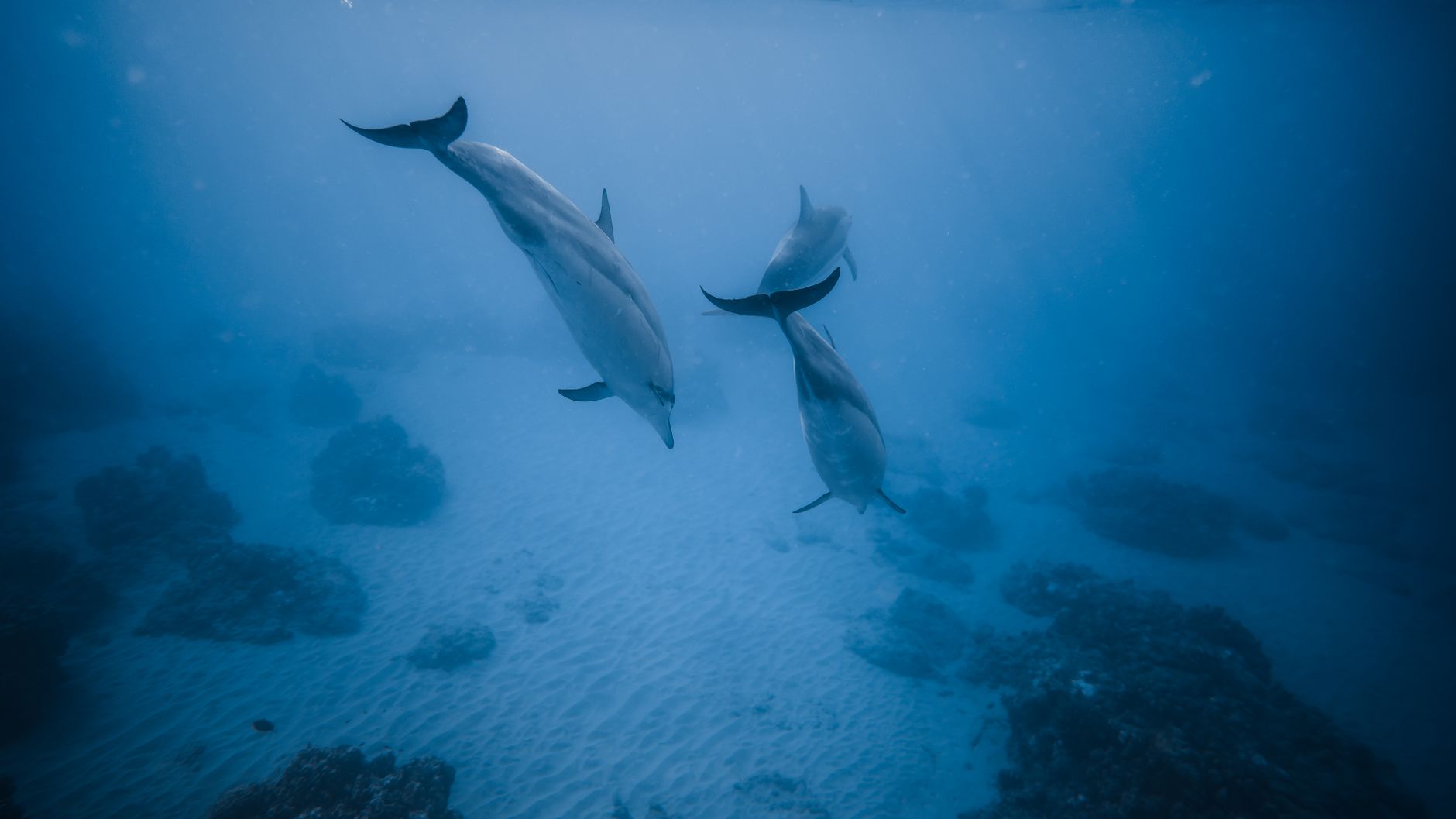
The Dorsal Fin: More Than Just a Fin
The dorsal fin is the most prominent feature on a dolphin’s back, and understanding its purpose reveals a great deal about dolphin biology and behavior. While it doesn’t propel them through the water, its role in maintaining balance and streamlining is vital for these highly adapted marine mammals.
Hydrodynamic Stability and Maneuverability

The primary function of the dorsal fin is to provide hydrodynamic stability. Imagine a boat without a keel; it would easily tip over. The dorsal fin performs a similar function for dolphins, especially at high speeds.
- Reduces Roll: The fin helps prevent the dolphin from rolling excessively from side to side.
- Counteracts Yaw: It assists in resisting yaw, which is the tendency to swing from side to side.
- Enhances Maneuverability: While it doesn’t directly propel the dolphin, the dorsal fin contributes to their incredible agility.
The size and shape of the dorsal fin are critical for its hydrodynamic function. Dolphins living in faster-moving waters tend to have larger, more curved fins.
Thermoregulation
While the dorsal fin’s primary role is stability, it also contributes to thermoregulation. It contains a network of blood vessels that allow the dolphin to release excess heat.
- Blood Vessel Network: The fin contains a dense network of blood vessels close to the surface.
- Heat Exchange: When the dolphin is warm, these blood vessels dilate, allowing heat to dissipate into the surrounding water.
- Cooling Mechanism: This helps the dolphin maintain a stable body temperature, especially in warmer climates.
Individual Identification: A Dolphin’s Unique Signature
The dorsal fin is not just a functional appendage; it also serves as a unique identifier. What do dolphins have on their back? A fingerprint of sorts.
- Nicks and Scars: Over time, dolphins accumulate nicks, scratches, and other markings on their dorsal fins.
- Photographic Identification: Researchers use these markings to identify individual dolphins and track their movements.
- Long-Term Studies: This method, called photo-identification, is crucial for long-term studies of dolphin populations.
Variations in Dorsal Fin Shape and Size
The shape and size of the dorsal fin vary depending on the species and even individual dolphins. These variations are influenced by factors such as:
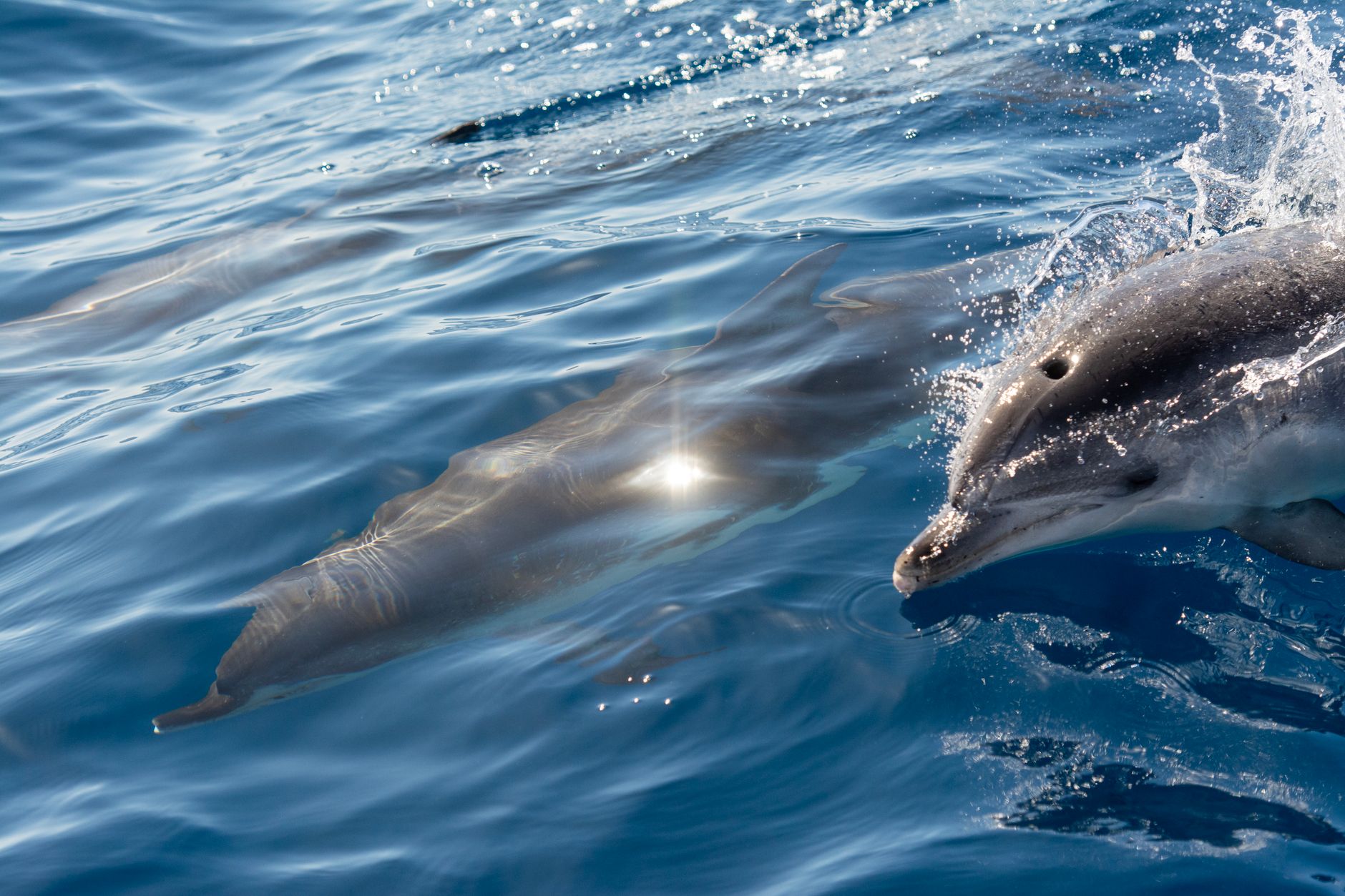
- Species: Different species of dolphins have different dorsal fin shapes. For example, the orca (killer whale), which is a type of dolphin, has a very tall, triangular dorsal fin.
- Habitat: Dolphins living in different habitats may have different fin shapes adapted to their environment.
- Age and Sex: The size and shape of the dorsal fin can also vary with age and sex.
- Genetics: Individual genetic variations also play a role in the precise form of the fin.
| Feature | Bottlenose Dolphin | Spinner Dolphin | Orca (Killer Whale) |
|---|---|---|---|
| Dorsal Fin Shape | Curved, triangular | Curved, often falcate | Tall, triangular (male) |
| Dorsal Fin Size | Moderate | Moderate | Large (male) |
| Habitat | Coastal and open ocean | Open ocean | Varied, global |
| Primary Use | Stability, maneuverability, ID | Stability, maneuverability | Stability, social displays |
Common Misconceptions about Dolphin Dorsal Fins
There are several common misconceptions about dolphin dorsal fins. One is that they are made of bone. In fact, the dorsal fin is made of dense connective tissue, similar to cartilage. Another misconception is that a collapsing dorsal fin indicates a sick or injured dolphin. While this can be a sign of health problems, it is more common in captive dolphins and may be related to a lack of exercise or stress.
Frequently Asked Questions (FAQs)
What is the dorsal fin made of?
The dolphin’s dorsal fin is composed of dense, fibrous connective tissue, lacking any bony support. This makes it flexible yet strong, allowing it to withstand the pressures of swimming at high speeds. This unique structure differentiates it from the bony fins of fish.
How does the dorsal fin help with thermoregulation?
The dorsal fin is filled with a network of blood vessels near the surface. When the dolphin needs to cool down, these vessels dilate, allowing heat to dissipate into the surrounding water. Conversely, they can constrict to conserve heat in colder temperatures.
Can the shape of the dorsal fin indicate the age of a dolphin?
While not a precise indicator, the shape of the dorsal fin can provide clues about a dolphin’s age. Younger dolphins often have smoother, less marked fins, while older dolphins may have more nicks, scars, and deformities accumulated over time. These markings are also crucial for photo-identification.
What happens if a dolphin injures its dorsal fin?
An injury to the dorsal fin can affect a dolphin’s hydrodynamic efficiency and stability. Minor injuries may heal on their own, but severe damage can impair the dolphin’s ability to swim and hunt effectively, making it more vulnerable to predators and environmental challenges.
Why do captive dolphins sometimes have collapsed dorsal fins?
Collapsed dorsal fins are more common in captive dolphins. This is often attributed to a combination of factors, including lack of exercise, changes in water temperature, stress, and potentially a difference in the composition of their diet which may weaken connective tissue structure.
Do all dolphin species have the same dorsal fin shape?
No, dolphin species display considerable variation in dorsal fin shape. What do dolphins have on their back? A key feature that distinguishes them. The shape, size, and curvature can differ significantly depending on the species, reflecting adaptations to their specific environments and lifestyles.
How do scientists use dorsal fins to study dolphins?
Scientists utilize the unique nicks, scars, and other markings on dorsal fins for photo-identification. This technique allows them to track individual dolphins over time, study their movements, social interactions, and population dynamics, providing invaluable insights into their lives.
Is the dorsal fin essential for a dolphin’s survival?
While a dolphin can survive without a dorsal fin, it’s not ideal. The dorsal fin significantly enhances stability and maneuverability, making it easier for the dolphin to swim efficiently, hunt prey, and avoid predators. Its absence can make these tasks more challenging.
What is the difference between a dorsal fin and a fluke?
The dorsal fin is the vertical fin on a dolphin’s back, primarily used for stability and thermoregulation. Flukes, on the other hand, are the two horizontal lobes that make up the tail, providing the primary source of propulsion for swimming. They serve entirely different purposes.
Can the dorsal fin regenerate if it is damaged?
No, the dorsal fin cannot regenerate. What do dolphins have on their back that is permanently shaped? Damage to the dorsal fin, such as nicks and scars, is permanent, which is why these markings are so useful for identifying individual dolphins.
Does the size of the dorsal fin correlate with the dolphin’s swimming speed?
While not a direct correlation, the size and shape of the dorsal fin can influence a dolphin’s swimming ability. Larger, more curved fins may provide greater stability at higher speeds, while smaller fins may be better suited for maneuverability in confined spaces.
How does a collapsed dorsal fin affect a dolphin’s health?
While a collapsed dorsal fin doesn’t directly impact internal organ function, it can indicate underlying health issues, especially in captive dolphins. It may signal stress, inadequate diet, or a lack of exercise, which can contribute to a weakened immune system and other health problems. Therefore, a collapsed fin often serves as an indicator of a dolphin’s overall well-being and whether or not it’s receiving proper care.