

What Will A Vet Do For A Cut Paw Pad?
A vet will treat a cut paw pad by first cleaning and assessing the wound, then controlling bleeding, potentially bandaging the paw, and administering pain relief and antibiotics as needed to prevent infection. The severity of the cut determines the specific treatment plan, which may range from at-home care to surgery in severe cases; therefore, it is important to consult with your veterinarian.
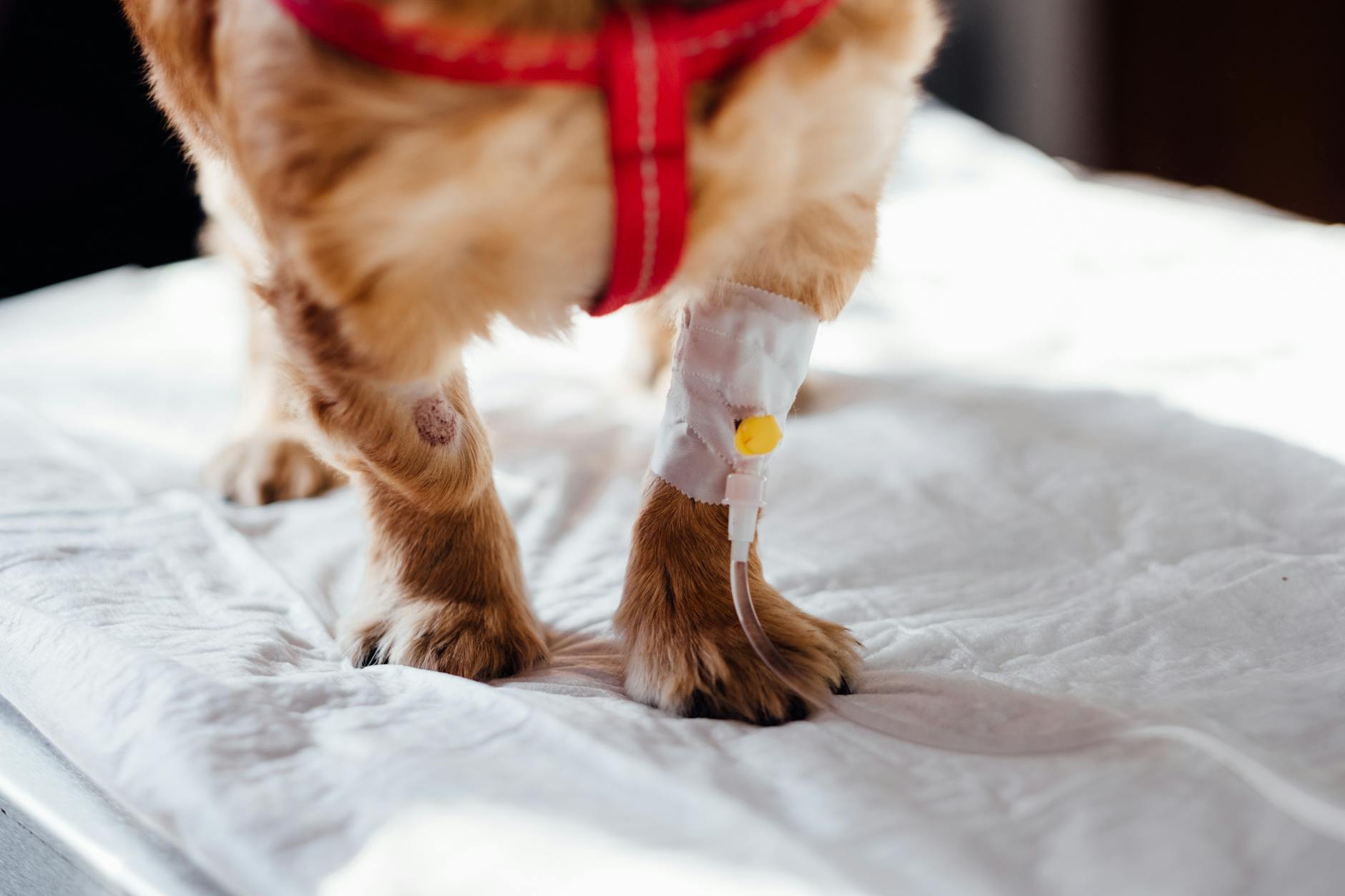
Understanding Paw Pad Injuries
A dog’s paw pads are crucial for their mobility and well-being. These tough, leathery surfaces provide cushioning, traction, and insulation. Injuries to the paw pads, such as cuts, abrasions, or punctures, can be painful and debilitating, significantly impacting a dog’s ability to walk, run, and play. Understanding the anatomy and function of paw pads is essential to appreciate the importance of prompt and proper veterinary care.
Common Causes of Cut Paw Pads

Numerous factors can lead to cut paw pads, including:
- Sharp Objects: Glass shards, rocks, metal scraps, thorns, and ice can all cause cuts or punctures.
- Abrasive Surfaces: Running on asphalt, concrete, or rough terrain can wear down the paw pads and lead to abrasions.
- Burns: Hot pavement, especially during summer months, can cause severe burns to the pads.
- Foreign Objects: Splinters, grass seeds, or other small objects can become embedded in the paw pads.
- Trauma: Direct trauma, such as being stepped on or caught in a door, can also cause paw pad injuries.
Initial Assessment and First Aid
Before rushing to the vet, a brief assessment of the injury is helpful. Observe the following:
- Severity of the cut: Is it superficial, deep, or penetrating?
- Location of the cut: Is it on the main pad or a smaller accessory pad?
- Bleeding: Is there active bleeding?
- Lameness: Is the dog limping or refusing to put weight on the paw?
- Presence of foreign objects: Are there any visible objects embedded in the paw pad?
If the cut is minor, you can attempt basic first aid at home:
- Clean the wound: Gently flush the wound with antiseptic solution, such as diluted chlorhexidine or povidone-iodine.
- Control bleeding: Apply direct pressure with a clean cloth.
- Bandage the paw: Apply a clean, non-stick bandage to protect the wound.
However, if the cut is deep, heavily bleeding, or appears infected, immediate veterinary attention is necessary.
What a Vet Will Do: The Examination
What will a vet do for a cut paw pad? The vet will begin with a thorough examination of the paw and the overall condition of the dog. This includes:

- History Taking: Gathering information about how the injury occurred, the dog’s overall health, and any medications they are taking.
- Visual Examination: Assessing the size, depth, and location of the cut. Checking for foreign objects or signs of infection (redness, swelling, pus).
- Palpation: Gently feeling the paw to assess for pain, instability, or underlying damage.
- Pain Assessment: Evaluating the dog’s pain level to determine the need for pain medication.
What a Vet Will Do: Treatment Options
The treatment approach will vary depending on the severity of the cut.
| Treatment Option | Description | Indications |
|---|---|---|
| Wound Cleaning | Thoroughly flushing the wound with antiseptic solutions to remove debris and bacteria. | All cut paw pads. |
| Debridement | Removing damaged or dead tissue from the wound to promote healing. | Deep or contaminated wounds. |
| Foreign Object Removal | Removing any foreign objects embedded in the paw pad (e.g., glass, thorns). | Paw pads with embedded foreign objects. |
| Bleeding Control | Applying direct pressure, using a tourniquet (in severe cases), or cauterizing blood vessels. | Actively bleeding wounds. |
| Bandaging | Applying a sterile bandage to protect the wound, provide support, and prevent infection. | Most cut paw pads. The vet may show you how to change the bandage at home. |
| Suturing | Closing the wound with stitches to promote faster healing and reduce the risk of complications. | Deep or gaping wounds. |
| Antibiotics | Administering antibiotics to prevent or treat bacterial infections. | Wounds that are deep, contaminated, or show signs of infection. |
| Pain Management | Administering pain medication to alleviate pain and discomfort. | Most cut paw pads, especially deep or painful wounds. |
| Surgery | Surgical repair of severely damaged paw pads, including skin grafts or flap reconstruction. | Severe lacerations or trauma that cannot be repaired with simple suturing. |
What a Vet Will Do: Aftercare and Recovery
What will a vet do for a cut paw pad? The vet will provide detailed instructions for aftercare, including:
- Bandage Changes: How often to change the bandage and proper technique. Keeping the wound clean and dry is crucial.
- Medication Administration: Dosage and frequency of antibiotics and pain medication.
- Activity Restriction: Limiting activity to prevent further injury or delayed healing.
- Monitoring for Complications: Signs of infection (redness, swelling, pus, fever) or bandage-related problems.
- Follow-up Appointments: Scheduling follow-up appointments to monitor healing and remove sutures.
It’s essential to follow the vet’s instructions carefully to ensure proper healing and prevent complications.
Prevention of Paw Pad Injuries
Prevention is always better than cure. Consider the following measures to protect your dog’s paw pads:
- Avoid walking on hot pavement or abrasive surfaces. Choose grassy or shaded areas.
- Regularly inspect your dog’s paw pads for any signs of injury or abnormalities.
- Trim your dog’s nails regularly to prevent them from getting caught or causing injury.
- Use paw protection such as booties or wax when walking in hazardous environments.
- Be aware of your surroundings and avoid areas known to have sharp objects or debris.
Frequently Asked Questions (FAQs)
What are the signs of an infected paw pad cut?
Signs of infection include redness, swelling, pus discharge, foul odor, increased pain, fever, and lethargy. If you notice any of these signs, contact your veterinarian immediately.
How often should I change the bandage on my dog’s paw?
The frequency of bandage changes depends on the severity of the wound and the type of bandage used. Your veterinarian will provide specific instructions, but generally, bandages should be changed every 1-3 days, or more frequently if they become wet, soiled, or loose.
Can I use human antiseptic on my dog’s paw pad cut?
Some human antiseptics, such as hydrogen peroxide, can be harmful to dogs. It’s best to use veterinarian-approved antiseptic solutions like diluted chlorhexidine or povidone-iodine.
What can I do if my dog keeps licking the bandage?
Excessive licking can interfere with healing and increase the risk of infection. An Elizabethan collar (cone of shame) can prevent your dog from reaching the bandage.
How long does it take for a paw pad cut to heal?
The healing time varies depending on the severity of the cut and the dog’s overall health. Minor cuts may heal in 1-2 weeks, while deeper cuts may take several weeks or even months to heal.
Is it safe for my dog to walk on a cut paw pad with a bandage on?
Your veterinarian will advise you on the appropriate level of activity for your dog. In most cases, activity should be restricted to allow the paw pad to heal. Short, leash-controlled walks on soft surfaces may be permitted, but avoid strenuous exercise.
What are the potential complications of a cut paw pad?
Potential complications include infection, delayed healing, scar tissue formation, and chronic pain. Prompt and proper veterinary care can help minimize these risks.
My dog’s paw pad cut is bleeding a lot. What should I do?
Apply direct pressure to the wound with a clean cloth. If the bleeding doesn’t stop after a few minutes, or if the bleeding is profuse, seek immediate veterinary attention.
Can I use super glue to close a small cut on my dog’s paw pad?
While super glue can be used in some veterinary settings, it’s not recommended for unsupervised use at home. Consult with your veterinarian before attempting to close any wound with super glue.
What is a paw pad graft, and when is it necessary?
A paw pad graft involves surgically transplanting skin from another part of the body to cover a large defect in the paw pad. It’s typically necessary for severe paw pad injuries where a significant amount of tissue is lost.
How can I prevent my dog from getting cut paw pads in the winter?
In the winter, ice melt, salt, and snow can irritate and damage paw pads. Use paw protection such as booties or wax. Wipe your dog’s paws clean after walks to remove any residue.
When should I see a veterinarian for a cut paw pad?
You should see a veterinarian for a cut paw pad if:
- The cut is deep or heavily bleeding.
- There is a foreign object embedded in the paw pad.
- There are signs of infection.
- Your dog is in significant pain.
- The cut doesn’t heal within a reasonable timeframe.