

What Do Coyotes Eat? A Comprehensive Guide to Coyote Diet
What do coyotes eat? The answer is remarkably varied: Coyotes are opportunistic omnivores, meaning they adapt their diet based on what’s readily available, ranging from small mammals and birds to fruits, insects, and even carrion.
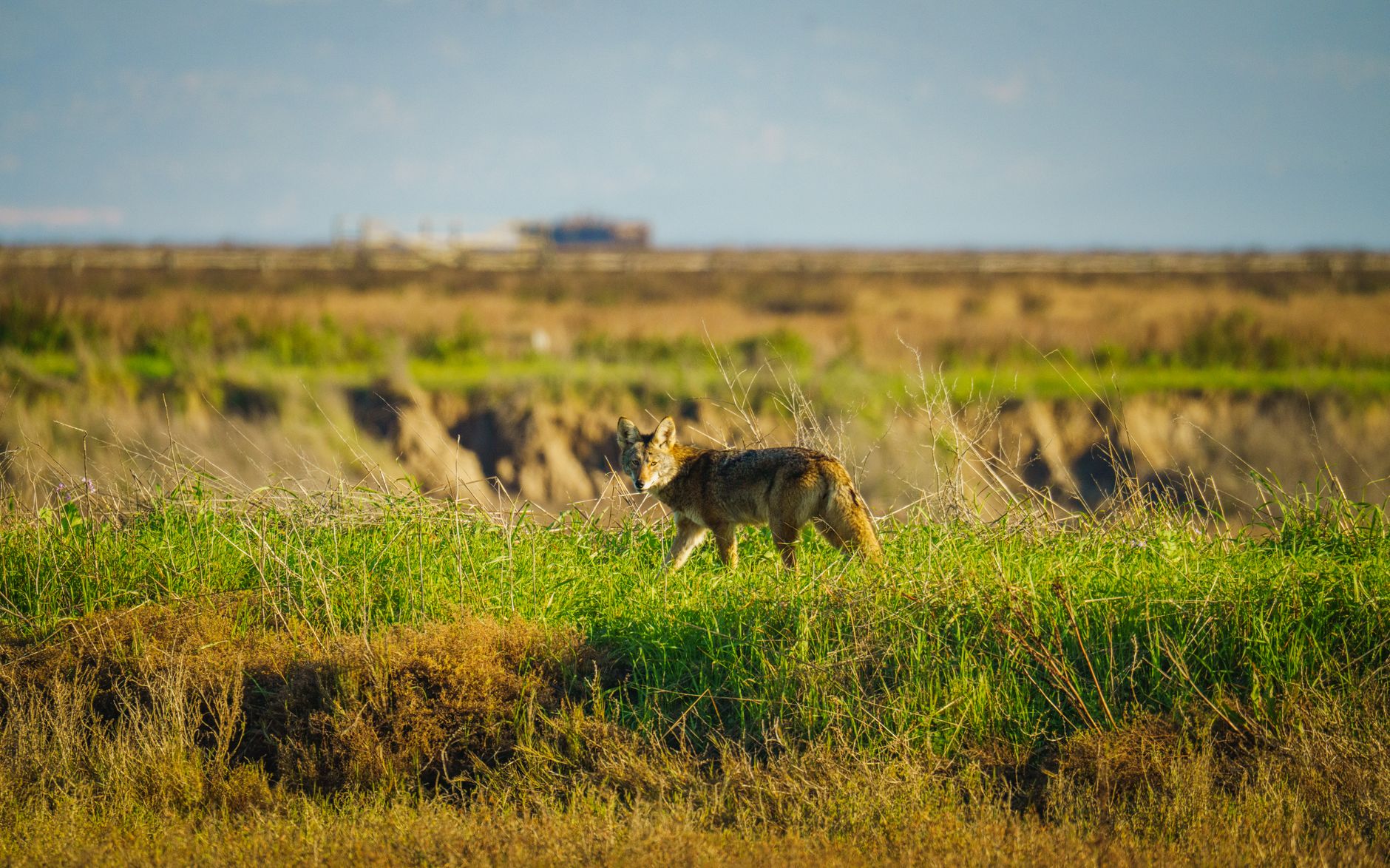
Understanding the Coyote’s Adaptable Diet
The coyote ( Canis latrans ), often referred to as the “song dog” or “prairie wolf,” is one of North America’s most adaptable and resilient mammals. This adaptability extends to its diet. What do coyotes eat? The simple answer is: just about anything they can get their paws on. Their dietary flexibility is a key reason for their widespread success, allowing them to thrive in diverse environments from deserts to urban areas.

What is the GREY African clawed frog?
Is distilled water good for goldfish?
What colours are fish most attracted to?
Can you put your finger in a trout's mouth?
Primary Food Sources: The Carnivorous Core

While coyotes are omnivores, their diet leans heavily towards carnivorous fare. They are skilled hunters, perfectly adapted to pursuing a range of prey.
- Small Mammals: Voles, mice, rats, rabbits, and ground squirrels constitute the cornerstone of the coyote diet, particularly in rural areas. These animals provide a readily available source of protein and calories.
- Larger Mammals: In some regions, coyotes will also prey on larger animals such as deer fawns, livestock (especially poultry and young calves), and feral cats.
- Birds: Ground-nesting birds and waterfowl are also targeted, especially during nesting season. Coyotes are known to raid nests and hunt adult birds.
- Reptiles and Amphibians: Lizards, snakes, and frogs can supplement a coyote’s diet, especially in warmer climates where these animals are abundant.
- Fish: In some areas, especially near waterways, coyotes will hunt and consume fish.
Secondary Food Sources: Embracing Omnivory
The coyote’s opportunistic nature truly shines when considering its willingness to consume non-animal food sources. This omnivorous behavior allows them to survive even when their preferred prey is scarce.
- Fruits and Berries: In the fall and winter months, fruits like berries, apples, and persimmons become important components of the coyote diet. These provide crucial carbohydrates and vitamins.
- Vegetables: Corn, watermelon, and other cultivated crops can also be consumed, particularly in agricultural areas.
- Insects: Grasshoppers, crickets, beetles, and other insects are an abundant and easily accessible food source, especially during warmer months.
- Carrion: Coyotes are scavengers and will readily consume dead animals, playing an important role in cleaning up the environment.
- Human-Related Food: Unfortunately, coyotes can also be attracted to human-provided food sources, such as garbage, pet food left outdoors, and handouts. This can lead to conflicts with humans and increased risks for the coyotes themselves.
Seasonal Variations in Coyote Diet
The coyote’s diet is not static; it changes throughout the year depending on the availability of different food sources.
| Season | Primary Food Sources | Secondary Food Sources |
|---|---|---|
| Spring | Rabbits, rodents, ground-nesting birds, deer fawns | Insects, carrion |
| Summer | Rodents, rabbits, insects, fruits | Reptiles, amphibians, garbage |
| Fall | Fruits, berries, rodents, rabbits | Corn, vegetables, carrion, larger mammals |
| Winter | Rabbits, rodents, deer carrion, livestock (occasionally) | Fruits (if available), garbage, pet food left outside |
The Urban Coyote Diet
Urban coyotes face a different set of dietary opportunities and challenges compared to their rural counterparts. What do coyotes eat in a city? They often rely on readily available human-related food sources.
- Garbage: Unsecured garbage bins provide a reliable source of food scraps for urban coyotes.
- Pet Food: Pet food left outdoors for cats or dogs is a major attractant.
- Feral Cats and Small Dogs: Unfortunately, urban coyotes may also prey on feral cats and, in some cases, small dogs.
- Rodents: Urban areas often have large rodent populations, providing a stable food source.
- Fruits and Vegetables: Urban gardens and parks can offer accessible fruits and vegetables.
FAQs: Deep Dive into Coyote Dietary Habits
What is the typical daily food intake of a coyote?
A coyote typically consumes about 1 to 2 pounds of food per day. However, this can vary depending on the size of the coyote, its activity level, and the availability of food. During times of scarcity, they can survive on less, and during times of abundance, they may cache (store) food for later consumption.
Do coyotes hunt alone or in packs?
Coyotes can hunt both alone and in packs. Hunting strategies depend on the size and type of prey. For small prey like rodents, they typically hunt alone. For larger prey like deer, they may hunt in packs, especially during winter when food is scarce.
Are coyotes considered a threat to livestock?
Yes, coyotes can be a threat to livestock, particularly poultry, sheep, and young calves. However, the extent of this threat varies depending on the region, the availability of other food sources, and the effectiveness of livestock protection measures.
How do coyotes impact rodent populations?
Coyotes play an important role in controlling rodent populations. By preying on rodents, they help to prevent overpopulation and reduce the risk of disease transmission. This can benefit agricultural ecosystems by reducing crop damage.
Can coyotes digest bones?
Coyotes can digest small bones. Their digestive system is adapted to break down bones and extract nutrients. Larger bones, however, are often regurgitated.
Do coyotes eat pet food?
Yes, coyotes will readily eat pet food left outdoors. This is a major attractant in urban areas and can lead to increased interactions and conflicts with humans and pets.
What is the coyote’s role in the ecosystem?
Coyotes play a vital role in the ecosystem as both predators and scavengers. They help to regulate populations of prey animals, contribute to nutrient cycling by consuming carrion, and prevent the spread of disease.
How can I prevent coyotes from being attracted to my property?
To prevent coyotes from being attracted to your property, secure your garbage bins, avoid leaving pet food outdoors, remove fallen fruit from your yard, and keep small pets indoors or under close supervision.
Do coyotes eat cats?
Yes, coyotes have been known to prey on cats, particularly feral cats. Keeping cats indoors or under close supervision is the best way to protect them from coyotes.
What do coyote pups eat?
Coyote pups are initially fed regurgitated food by their parents. As they grow, they are gradually introduced to solid food, such as small rodents and insects. The diet of coyote pups is heavily dependent on the hunting success of their parents.
Are coyotes afraid of humans?
Coyotes are naturally wary of humans, but they can become habituated to human presence in areas where they are frequently exposed to people and food. This habituation can lead to increased boldness and potentially dangerous interactions.
What should I do if I encounter a coyote?
If you encounter a coyote, maintain a safe distance, make yourself appear large by raising your arms, and make loud noises such as shouting or clapping your hands. You can also throw objects in the coyote’s direction. Never run away, as this can trigger the coyote’s predatory instincts.