
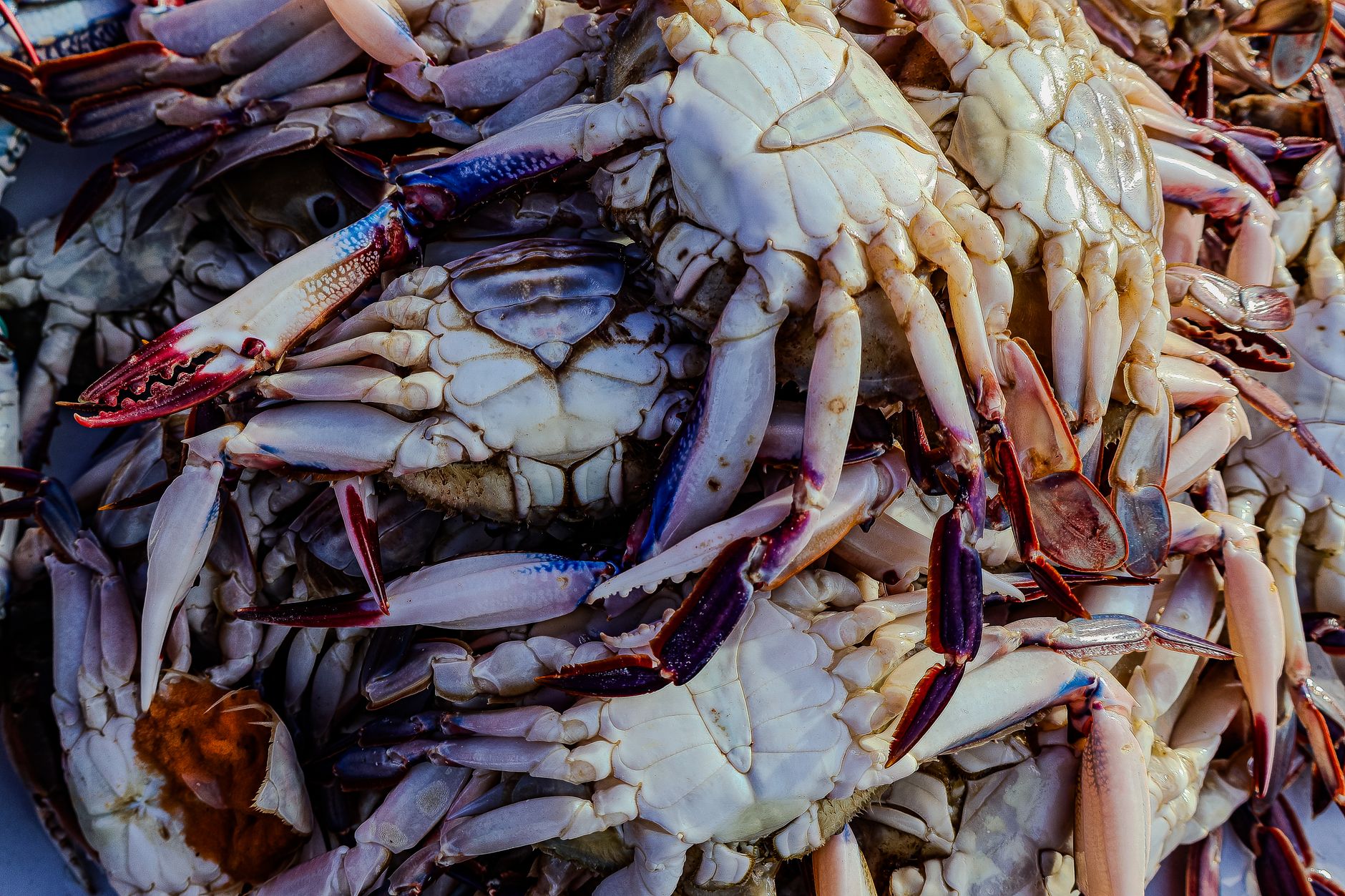
What Do Blue Crabs Eat? A Comprehensive Guide to Their Diet
Blue crabs are opportunistic omnivores with a varied diet. In essence, what blue crabs eat is virtually anything they can get their claws on, but they especially relish small invertebrates and decaying organic matter, playing a vital role in estuarine ecosystems.

Introduction to Blue Crab Diet and Feeding Habits
The blue crab (Callinectes sapidus, meaning “beautiful swimmer that is savory”) is a fascinating and ecologically important species found in the coastal waters of the western Atlantic Ocean and the Gulf of Mexico. Understanding what blue crabs eat is crucial to understanding their role in the food web and the overall health of the estuarine environment. They are opportunistic feeders, meaning they aren’t particularly picky and will consume a wide range of food sources depending on availability. This adaptability is key to their survival and success in dynamic estuarine environments.

What do California tiger salamanders eat?
What is the GREY African clawed frog?
Is distilled water good for goldfish?
What colours are fish most attracted to?
The Blue Crab’s Natural Habitat and Food Availability

Blue crabs inhabit brackish water environments, such as estuaries, bays, and coastal lagoons. These areas are characterized by a mix of freshwater and saltwater, and they support a rich diversity of life. The availability of different food sources fluctuates with the seasons, impacting the crab’s diet.
- Seasonal variations: Temperature changes influence the abundance of prey species.
- Geographic location: Different regions offer varying food options.
- Habitat type: Mudflats, seagrass beds, and oyster reefs provide diverse feeding opportunities.
What Do Blue Crabs Eat? A Detailed Breakdown of Their Diet
What do blue crabs eat? The answer is surprisingly diverse. Their diet consists primarily of:
- Bivalves: Oysters, clams, and mussels are a favorite food source. They use their powerful claws to crack open shells.
- Crustaceans: Smaller crabs, shrimp, and other crustaceans are also prey.
- Fish: Small fish, especially those already dead or injured, are readily consumed.
- Worms: Polychaete worms are an important part of their benthic feeding.
- Plant matter: Algae and seagrass contribute to their diet, particularly when other food sources are scarce.
- Detritus: Decaying organic matter from plants and animals forms a significant portion of their diet. This makes them important recyclers in the ecosystem.
This adaptable diet allows them to thrive in environments with fluctuating food availability. They contribute significantly to nutrient cycling and energy flow within the estuarine food web. They will also cannibalize each other, especially during molting.
The Blue Crab’s Feeding Strategy
Blue crabs are active hunters and scavengers. They use their keen senses to locate prey and their powerful claws to capture and consume it.
- Hunting: They actively pursue prey, using their speed and agility to capture smaller crustaceans and fish.
- Scavenging: They feed on dead or decaying matter, contributing to the decomposition process.
- Claws: Their asymmetrical claws are specialized for different tasks – one for crushing and the other for tearing.
How Age and Size Affect Diet
A blue crab’s diet changes as it grows. Younger crabs tend to feed on smaller organisms and detritus, while adults are more capable of preying on larger shellfish and fish.
| Age/Size | Primary Food Sources |
|---|---|
| Juvenile Crabs | Detritus, small invertebrates, algae |
| Adult Crabs | Oysters, clams, fish, crustaceans, worms |
Environmental Factors Influencing Blue Crab Feeding
Water quality, temperature, and salinity all play a role in influencing blue crab feeding habits. Pollution and habitat destruction can reduce the availability of food sources, impacting their health and survival. Extreme temperatures may reduce their activity and feeding rates.
Blue Crabs as a Link in the Food Chain
Blue crabs are both predators and prey. They play a crucial role in regulating populations of other organisms, while also serving as a food source for larger fish, birds, and marine mammals. Understanding what blue crabs eat also means understanding their importance to the broader ecological network.
Conservation Efforts and Blue Crab Diet
Protecting blue crab populations requires managing their food sources and habitats. Restoring oyster reefs, controlling pollution, and maintaining healthy seagrass beds are all important conservation strategies. Considering what do blue crabs eat when creating conservation policy helps protect them.
Frequently Asked Questions (FAQs)
What is the primary source of nutrition for blue crabs?
The primary source of nutrition for blue crabs comes from bivalves like oysters and clams. They utilize their strong claws to crack the shells and access the meat inside. However, the availability of different food items varies depending on location and season, so their diet can shift based on what’s most easily accessible.
Do blue crabs only eat living organisms?
No, blue crabs are not exclusively predators. They are also scavengers and consume detritus, which is decaying organic matter. This makes them important contributors to nutrient cycling within the estuarine ecosystem.
How do blue crabs find their food?
Blue crabs use a combination of chemical cues and visual signals to locate food. They have specialized sensory organs on their antennae and legs that detect chemicals released by potential prey. They can also detect movement in the water, helping them find both live prey and dead organisms.
What role does cannibalism play in the blue crab diet?
Cannibalism is a significant factor, especially during molting when crabs are vulnerable. Soft-shelled crabs that have recently molted are easy targets for other crabs. This behavior can help regulate the crab population, particularly in areas with limited food resources.
Are blue crabs harmful to oyster populations?
Blue crabs are significant predators of oysters, and heavy predation can impact oyster populations. This is a concern for oyster aquaculture and natural oyster reef restoration efforts. Strategies to minimize predation, such as providing refuge for young oysters, are often employed.
How does pollution affect the blue crab’s diet?
Pollution can reduce the availability of their food sources and contaminate their prey with toxins. Pollutants can kill off the organisms that blue crabs rely on for food, or bioaccumulate within the blue crab, affecting its health and reproductive success.
What is the difference between the diet of male and female blue crabs?
While the basic components of their diets are similar, female blue crabs may have a slightly higher need for calcium and protein during the egg-laying season to support egg production. This can influence their feeding behavior and prey selection.
Do blue crabs eat seagrass?
Yes, blue crabs will consume seagrass, particularly when other food sources are scarce. While not their preferred food, seagrass provides a supplemental source of nutrients and energy, helping them survive during periods of low food availability.
Are blue crabs considered an invasive species anywhere?
Yes, blue crabs have become invasive in some regions outside their native range. For example, they are present in parts of Europe and Asia, where they can compete with native species for food and habitat, potentially disrupting local ecosystems. This is not always the case however, and introduction into some areas has had little discernable effect.
How does water temperature affect the feeding habits of blue crabs?
Water temperature significantly impacts blue crab metabolism and feeding activity. They are more active and consume more food in warmer waters. As temperatures drop, their metabolism slows down, and they become less active and eat less frequently. In very cold temperatures, they may bury themselves in the mud and become dormant.
Can blue crabs survive without eating for extended periods?
Blue crabs can survive for several weeks without food, especially during colder months when their metabolism slows down. However, prolonged starvation can weaken them, making them more vulnerable to disease and predation.
Is there anything that blue crabs won’t eat?
While blue crabs are opportunistic omnivores and will consume a wide variety of food sources, they generally avoid highly toxic or unpalatable materials. They are more likely to consume readily digestible and nutritious food sources, even if these are uncommon.