
What Bats Do During the Day: Unveiling the Nocturnal World’s Sleep Habits
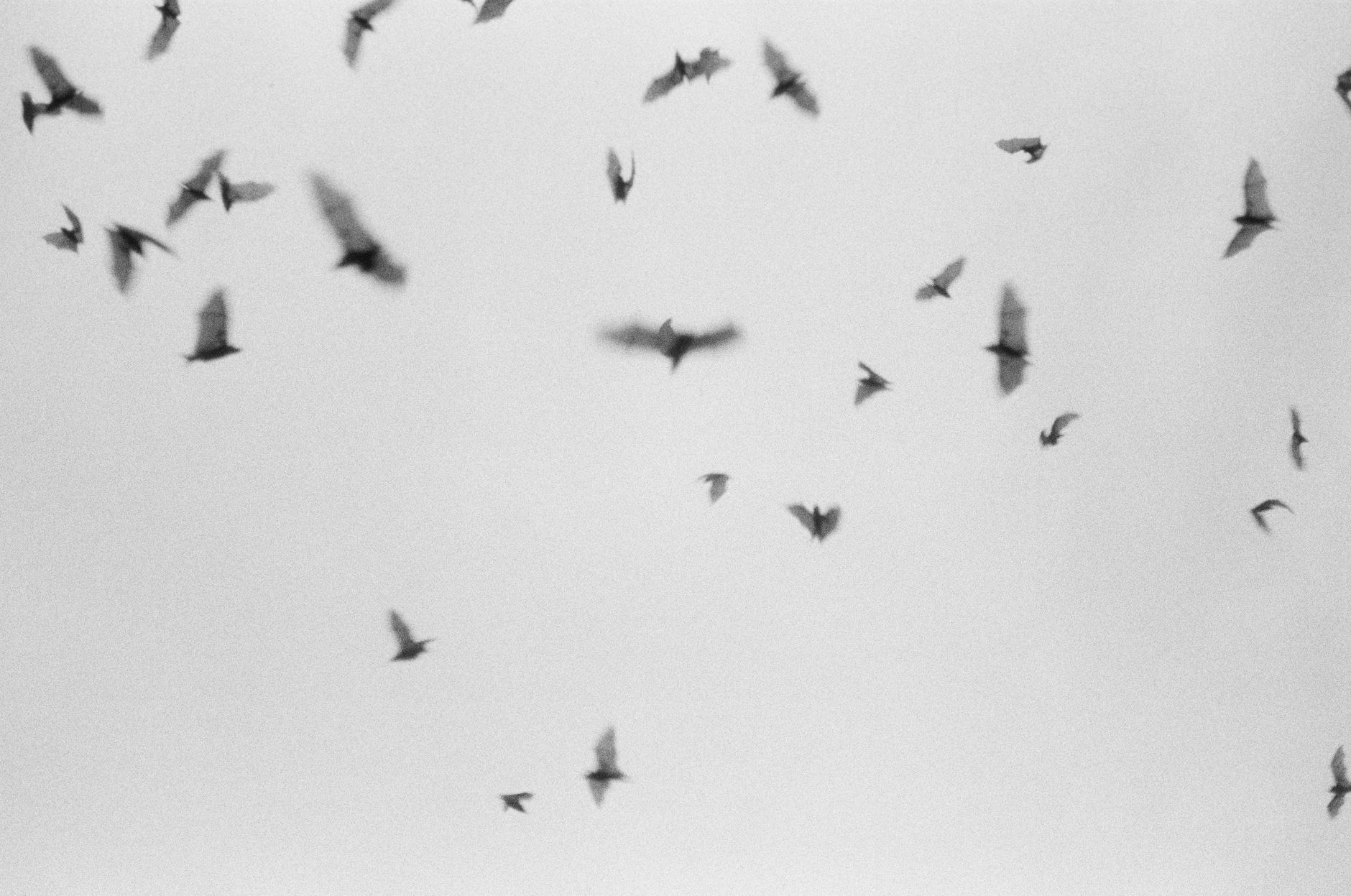
Bats are primarily nocturnal creatures, but what do bats do during the day? They spend the daylight hours resting, sleeping, and conserving energy in safe, dark roosts, preparing for their nighttime activities.

The Batty Basics: A Day in the Life
The life of a bat is largely dictated by its nocturnal nature. Understanding what bats do during the day requires considering their unique adaptations and lifestyle.
Bats are the only mammals capable of true flight, and this ability requires significant energy expenditure. For smaller bats, in particular, the need to conserve energy is paramount. Daytime represents a period of reduced activity and energy conservation.

Is distilled water good for goldfish?
What colours are fish most attracted to?
Can you put your finger in a trout's mouth?
Is methylene blue anti bacterial?
Roosting: The Daytime Bat Cave

Roosting is the cornerstone of the daily routine for most bat species. Roosts are locations where bats congregate to rest, sleep, and socialize during daylight hours. These locations are carefully chosen for several key characteristics:
- Darkness: Bats prefer dark environments to avoid predators and minimize disturbance.
- Shelter: Roosts provide protection from the elements, such as rain, wind, and extreme temperatures.
- Temperature Regulation: Many roosts offer a stable and suitable temperature, critical for thermoregulation.
- Proximity to Food: Bats ideally choose roosts near their foraging areas to minimize travel time and energy expenditure.
Common roosting locations include:
- Caves
- Trees (hollows, under bark)
- Buildings (attics, walls, under eaves)
- Rock crevices
- Bridges
Torpor: Battling the Energy Crisis
Some bat species, particularly those in colder climates, enter a state of torpor during the day, or even for extended periods during hibernation. Torpor is a state of reduced physiological activity characterized by:
- Lowered body temperature
- Slowed heart rate
- Reduced breathing rate
Torpor allows bats to dramatically reduce their energy expenditure, enabling them to survive periods of food scarcity or harsh environmental conditions. The extent and frequency of torpor vary depending on the species, location, and environmental conditions.
Social Structure and Daytime Activities
While largely inactive during the day, some bat species exhibit social behaviors within their roosts. Maternal colonies, for example, consist of females and their young. These colonies engage in activities such as:
- Grooming
- Nursing pups
- Social bonding
Even in non-maternal roosts, bats may engage in some level of social interaction, though the primary activity remains rest and energy conservation.
Exception to the Rule: Diurnal Bats
It’s important to note that while most bats are nocturnal, there are a few species that are diurnal, meaning they are active during the day. These bats have typically adapted to environments where competition from nocturnal insects is reduced or where predation risk is lower. Examples of diurnal bats include some species of nectar-feeding bats found in island ecosystems. These bats often feed on flowers that open during the day.
Frequently Asked Questions (FAQs)
What is the primary reason bats are nocturnal?
Bats are primarily nocturnal to avoid competition with diurnal birds for insect prey, and to reduce predation risk from diurnal predators such as hawks and eagles. Nocturnality offers a significant survival advantage for bats.
How do bats find suitable roosting sites?
Bats use a combination of echolocation, sight, and memory to locate suitable roosting sites. They often return to the same roosts year after year, demonstrating their ability to remember and navigate to these locations.
What is the difference between torpor and hibernation in bats?
Torpor is a short-term state of reduced physiological activity, lasting for hours or a day. Hibernation, on the other hand, is a long-term state of dormancy, lasting for weeks or months during the winter. Both are strategies for conserving energy, but hibernation is more extreme and prolonged.
Do all bats roost in caves?
No, while caves are a common roosting site, bats utilize a wide variety of roosting locations, including trees, buildings, rock crevices, and even artificial structures such as bridges. The choice of roost depends on the species and the availability of suitable habitat.
How do bats regulate their body temperature in roosts?
Bats regulate their body temperature in roosts through a combination of behavioral and physiological mechanisms. They may cluster together to share body heat, move to different locations within the roost to find more suitable temperatures, or enter torpor to reduce their metabolic rate.
What are maternal colonies, and why are they important?
Maternal colonies are groups of female bats and their young. These colonies provide a safe and supportive environment for raising pups. Maternal colonies are crucial for the survival of bat populations, as young bats are highly vulnerable to predation and environmental stress.
Are bats active at all during the day?
While rare, some bats may become active during the day if disturbed from their roost or if they need to search for water. However, daytime activity is generally minimized to conserve energy and avoid predators.
What happens if a bat is exposed to daylight for an extended period?
Exposure to daylight for an extended period can be stressful and potentially harmful to bats. They are vulnerable to overheating, dehydration, and predation. If you find a bat exposed to daylight, contact a local wildlife rehabilitator for assistance.
Do bats sleep deeply during the day?
While bats do rest and conserve energy, they don’t necessarily sleep deeply in the same way humans do. They maintain a state of alertness that allows them to respond to threats or disturbances.
How does urbanization affect bat roosting habits?
Urbanization can have a significant impact on bat roosting habits. Loss of natural roosting sites, such as trees and caves, forces bats to adapt and utilize artificial structures like buildings. However, this can lead to conflicts with humans.
What can I do to help protect bat roosts?
You can help protect bat roosts by preserving natural habitats, such as forests and wetlands. You can also provide artificial roosting structures, such as bat houses, in your backyard. Avoid disturbing bats in their roosts, especially during the breeding season.
What is white-nose syndrome, and how does it affect bats?
White-nose syndrome is a deadly fungal disease that affects hibernating bats. It causes them to wake up more frequently during the winter, depleting their energy reserves and leading to starvation. White-nose syndrome has caused significant declines in bat populations in North America. It’s another reason what do bats do during the day is so important, because when they can’t roost and hibernate safely, it impacts the whole species.