

What Do Baby Hippos Eat?: A Nutritional Journey
Baby hippos primarily consume their mother’s milk, which is essential for their growth and development; however, infant hippos may also supplement their diet with solid foods like vegetation as they mature.
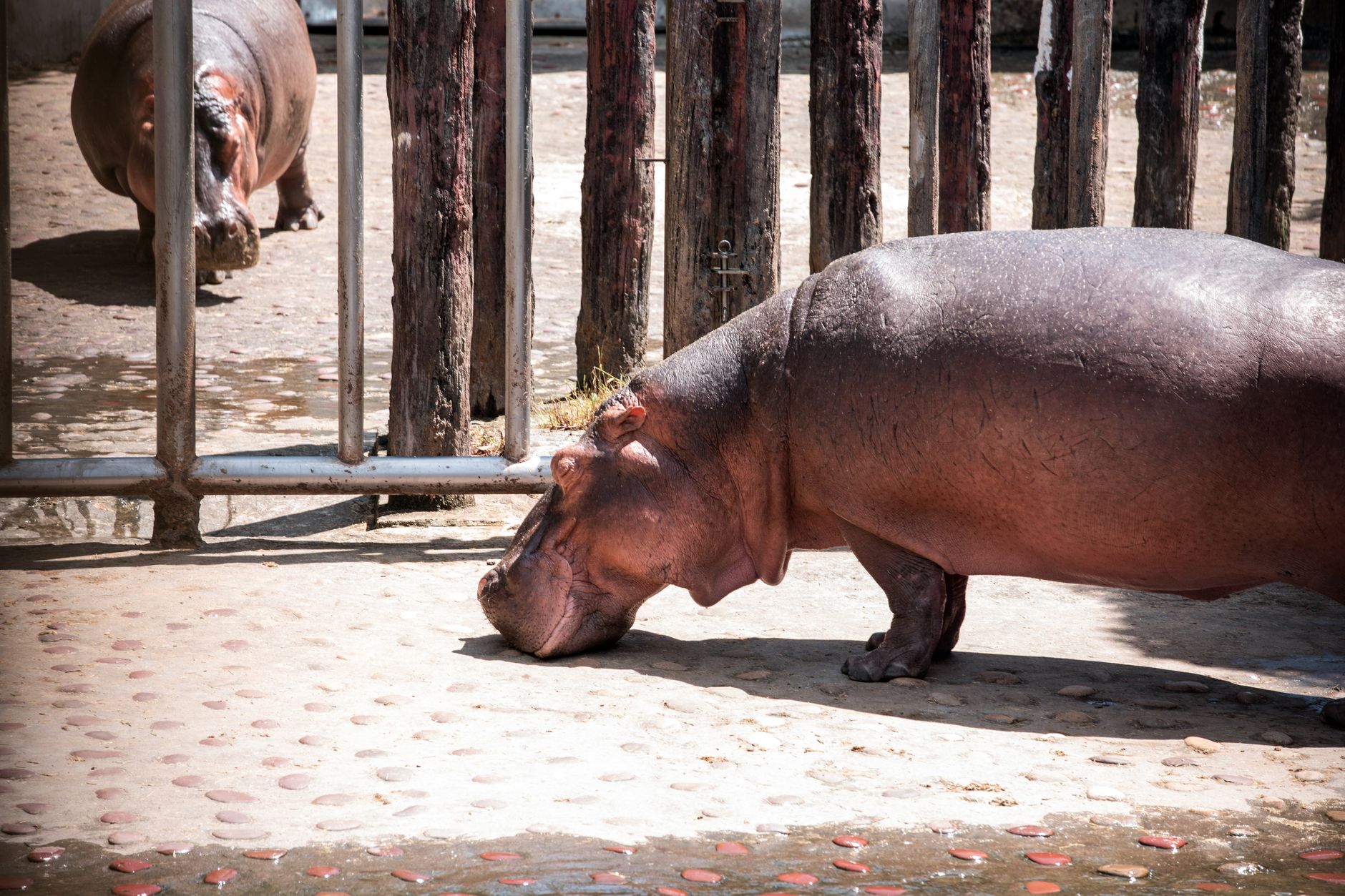
The First Course: Maternal Milk
For the first six to eight months of their lives, baby hippos, also known as calves, rely almost exclusively on their mother’s milk. This milk is specially formulated to meet the unique nutritional needs of a rapidly growing hippopotamus. It’s rich in:
- Fats: Provide essential energy for growth and development.
- Proteins: Crucial for building muscle mass and tissues.
- Vitamins and Minerals: Support overall health and immune function.
The mother hippo nurses her calf frequently throughout the day and night. This close bond allows the calf to receive the constant nourishment needed to thrive. While underwater, baby hippos can even nurse; they will surface briefly to breathe.

What is the GREY African clawed frog?
Is distilled water good for goldfish?
What colours are fish most attracted to?
Can you put your finger in a trout's mouth?
Introducing Solid Foods: A Gradual Transition

Around six months of age, baby hippos begin to explore solid foods. This weaning process is gradual, and the mother continues to provide milk alongside the introduction of vegetation. The transition usually involves:
- Initially, the baby hippo might nibble on plants near its mother.
- Over time, it consumes more and more vegetation, while the mother produces less milk.
- By about a year old, the baby hippo is primarily eating the same diet as its adult counterparts.
The solid food component primarily involves grazing on short grasses and aquatic plants. They don’t truly start fully foraging until well after their first year.
Dietary Preferences: Mimicking Mom’s Meals
Baby hippos instinctively mimic their mothers’ dietary choices. If the mother grazes on a particular type of grass, the calf will likely follow suit. This behavioral learning helps the young hippo develop its foraging skills and learn which plants are safe and nutritious. This process makes What do baby hippos eat? a question of what the adult hippos are consuming.
Common Mistakes in Calf Nutrition
While hippopotamus calves have a relatively straightforward nutritional path, certain factors can impact their development:
- Early Weaning: Forcing a calf to wean too early can lead to malnutrition and stunted growth.
- Poor Maternal Health: If the mother is malnourished, her milk quality may be compromised, affecting the calf’s health.
- Habitat Degradation: Lack of suitable grazing land can force hippos to travel long distances for food, stressing both mother and calf.
The Importance of Gut Microbiome
Similar to other mammals, baby hippos develop a unique gut microbiome crucial for digesting plant matter. This microbiome is initially seeded by the mother through close contact and ingestion of her feces (coprophagy). This process helps the calf efficiently break down the cellulose found in grasses and other vegetation. A healthy gut microbiome is essential for:
- Efficient nutrient absorption.
- Immune system development.
- Protection against harmful bacteria.
Frequently Asked Questions (FAQs)
What exactly is hippo milk made of?
Hippo milk is incredibly rich in fat and protein, making it highly nutritious. While its exact composition isn’t fully understood, researchers believe it’s significantly higher in fat content than most other ungulates. This high-fat content is necessary to support the rapid growth of the calf in its early months.
How often do baby hippos nurse?
Newborn hippos nurse very frequently, often several times per hour. As they grow and start consuming solid food, the frequency of nursing decreases. Mothers nurture their calves frequently, even taking them out of the water to nurse for a time.
Do baby hippos eat their mother’s feces?
Yes, baby hippos engage in coprophagy, the act of eating their mother’s feces. This behavior is crucial for establishing a healthy gut microbiome, enabling them to digest plant matter efficiently. This also helps baby hippos survive more fully when they transition to grass and aquatic plants.
When do baby hippos typically start eating grass?
Baby hippos typically start experimenting with grass and other vegetation around six months of age. However, their diet remains primarily milk-based until they are closer to a year old.
Can baby hippos swim right after birth?
While baby hippos are born in or near water, they don’t instinctively know how to swim. They must learn to hold their breath and coordinate their movements. Mothers often support their calves in the water until they develop these skills.
What happens if a baby hippo is orphaned?
Orphaned baby hippos face significant challenges. Without their mother’s milk and protection, their survival rate is low. Zoos and wildlife sanctuaries will sometimes attempt to rescue and raise orphaned hippos, providing them with specialized care and nutrition.
Do baby hippos have any predators?
Yes, baby hippos are vulnerable to predators, especially when they are young and separated from their mothers. Common predators include lions, crocodiles, and hyenas. Close maternal care is crucial for protecting them.
How much weight do baby hippos gain in their first year?
Baby hippos grow rapidly in their first year, gaining hundreds of pounds. The exact amount varies depending on factors such as genetics and nutrition, but they can easily weigh over 600 pounds by their first birthday.
Are there any differences in diet between common and pygmy hippo calves?
While the basic principle remains the same – starting with milk and transitioning to vegetation – there might be slight differences in the specific types of plants consumed based on habitat and availability. Both species heavily rely on maternal milk, but pygmy hippo calves are notably smaller and may need more concentrated nutrients.
How important is water for baby hippos?
Water is absolutely essential for baby hippos. They spend most of their time in the water, which provides protection from predators, helps regulate their body temperature, and supports their buoyancy. Water is also a safe place to nurse away from predators and other threats.
Can humans feed baby hippos? If so, what would be appropriate?
Humans should never attempt to feed baby hippos in the wild. Doing so can disrupt their natural foraging behaviors and make them dependent on humans. In zoos and sanctuaries, trained professionals provide specialized diets formulated to meet their nutritional needs. These diets should not be replicated by amateurs.
What role do fathers play in the diet of baby hippos?
Fathers do not directly contribute to the diet of baby hippos. Hippos are not strongly pair-bonded, and the mother is solely responsible for nursing and initially guiding the calf’s foraging habits. The mother provides all nutrition.