
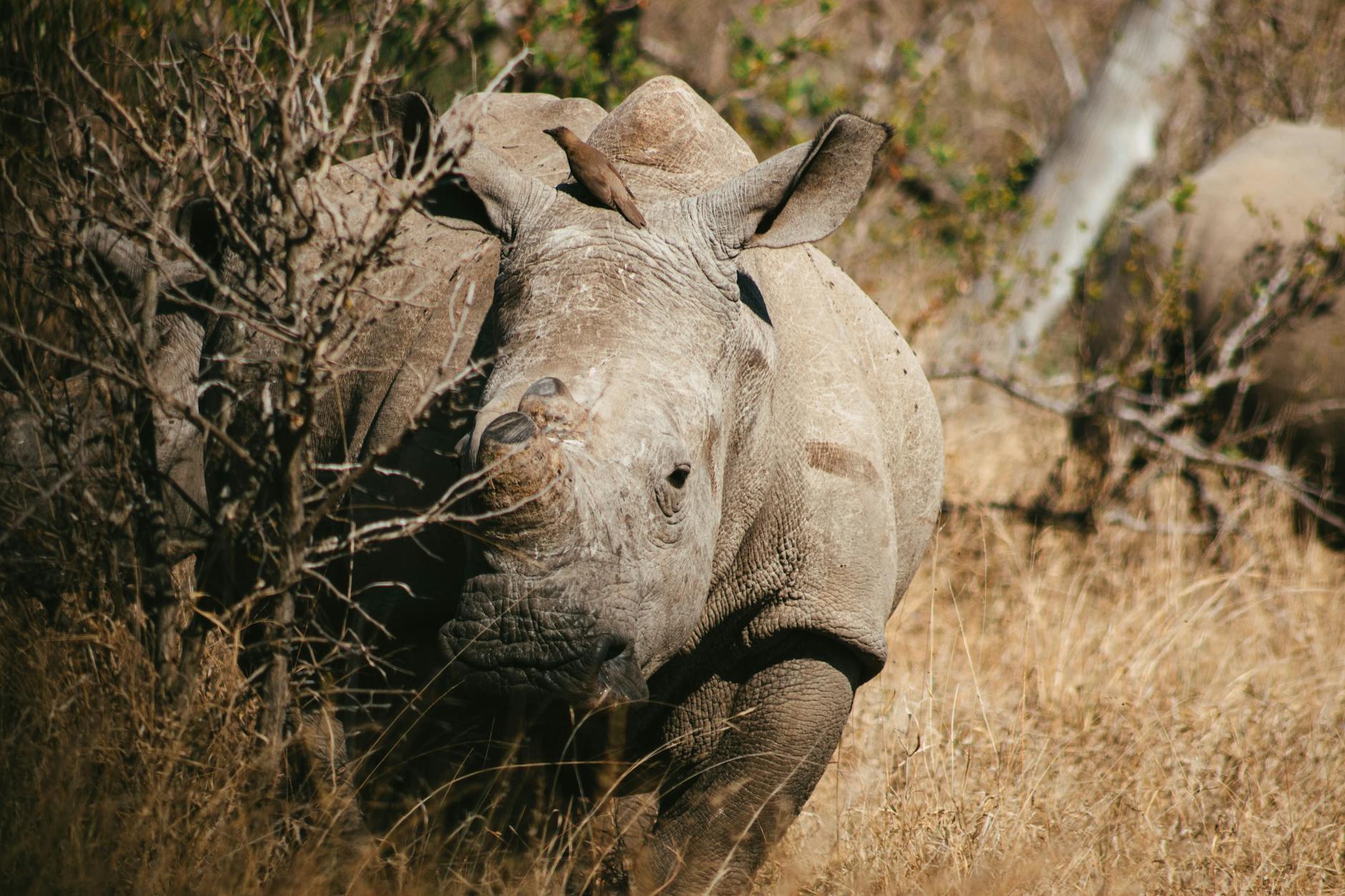
What Can We Do to Stop Poachers?: A Multifaceted Approach
To effectively stop poachers, a comprehensive strategy combining stricter laws, community engagement, advanced technology, and sustainable economic alternatives is essential; addressing the root causes and funding these solutions is crucial.

Introduction: The Plight of Endangered Species
Poaching, the illegal hunting or capture of wild animals, is a devastating threat to biodiversity worldwide. Driven by profit, fuelled by demand for wildlife products, and often enabled by corruption, it decimates populations of endangered species, disrupts ecosystems, and undermines conservation efforts. The consequences are far-reaching, impacting not only the targeted species but also the stability of natural habitats and the livelihoods of communities that depend on them. This article explores the multifaceted challenges posed by poaching and, most importantly, examines what can we do to stop poachers and protect our planet’s precious wildlife.
Is distilled water good for goldfish?
What colours are fish most attracted to?
Can you put your finger in a trout's mouth?
Is methylene blue anti bacterial?
The Economic Drivers of Poaching
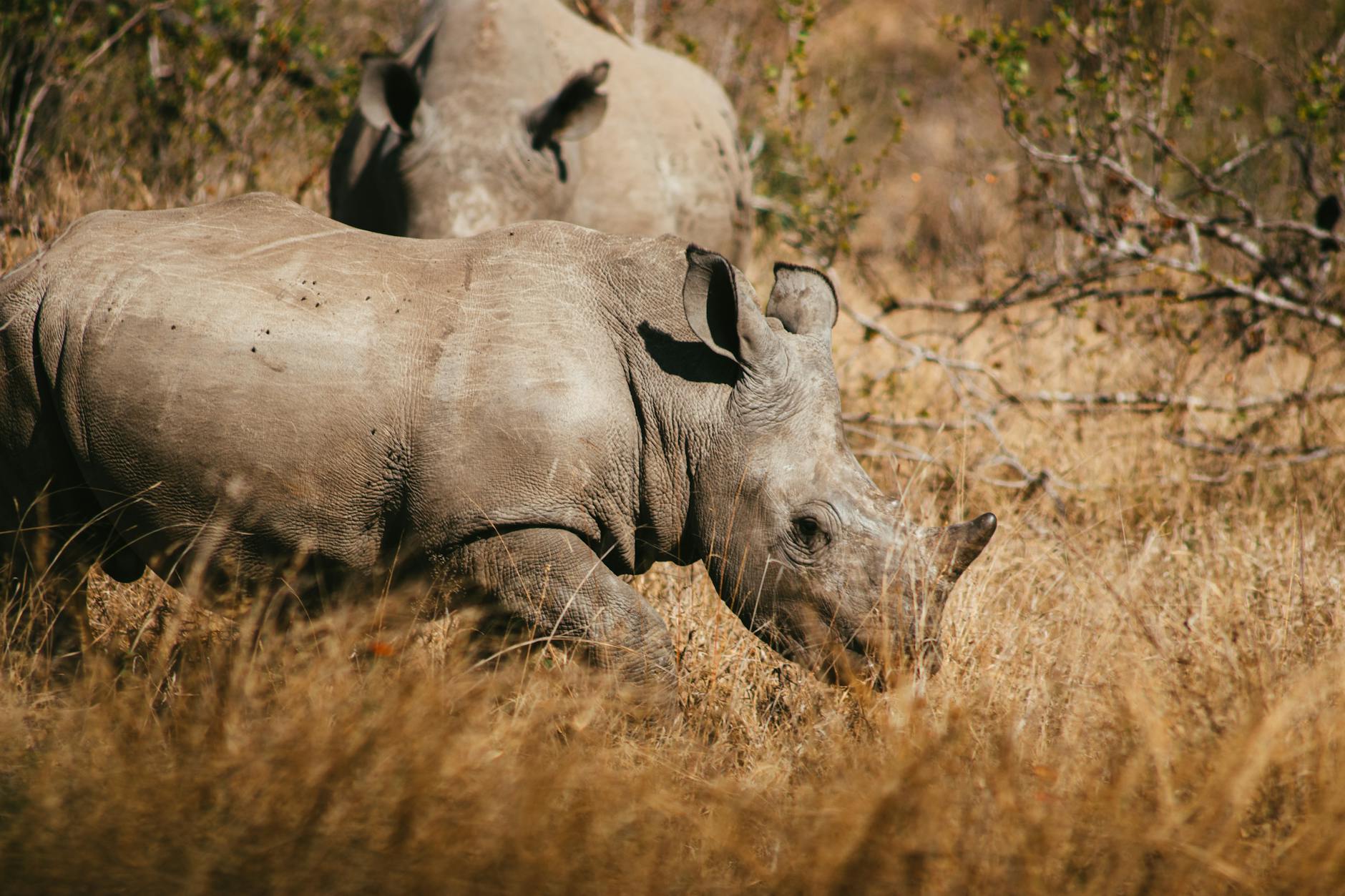
Poaching is rarely a crime of desperation, but rather a highly lucrative enterprise. High demand for ivory, rhino horn, pangolin scales, and other wildlife products in international markets fuels the illegal trade, creating powerful incentives for poachers and criminal networks. This demand is often rooted in traditional medicine, status symbols, or perceived aphrodisiac qualities, despite the lack of scientific evidence. Understanding these economic drivers is critical to developing effective counter-poaching strategies.
Strengthening Law Enforcement and Legal Frameworks
One of the most direct ways to stop poachers is through strengthened law enforcement and legal frameworks. This involves:
- Increased patrols: Deploying well-trained and well-equipped rangers to protected areas to deter poachers and apprehend offenders.
- Intelligence gathering: Developing intelligence networks to identify and track poaching gangs and their operations.
- Stricter penalties: Implementing harsher penalties for poaching offenses, including significant fines and imprisonment.
- International cooperation: Collaborating with international organizations and other countries to combat cross-border poaching and illegal wildlife trade.
- Tackling corruption: Addressing corruption within law enforcement and government agencies that facilitates poaching activities.
Community Engagement and Empowerment
Local communities are often the first line of defense against poaching. Engaging and empowering these communities is essential for long-term conservation success. This can be achieved through:
- Providing alternative livelihoods: Developing sustainable economic alternatives to poaching, such as ecotourism, beekeeping, and sustainable agriculture.
- Education and awareness programs: Raising awareness among local communities about the importance of wildlife conservation and the negative impacts of poaching.
- Community-based conservation initiatives: Supporting community-led initiatives to monitor and protect wildlife populations.
- Sharing benefits: Ensuring that local communities benefit directly from wildlife conservation efforts, such as through revenue sharing from tourism.
Utilizing Technology to Combat Poaching
Advances in technology offer powerful tools for combating poaching. These include:
- Drones: Using drones for aerial surveillance to detect poachers and monitor wildlife populations.
- Camera traps: Deploying camera traps to capture images of poachers and wildlife.
- GPS tracking: Tracking animals with GPS collars to monitor their movements and detect poaching incidents.
- Acoustic monitoring: Using acoustic sensors to detect the sounds of gunshots or other poaching activities.
- Data analytics: Analyzing data from various sources to identify poaching hotspots and predict future poaching activity.
Reducing Demand for Wildlife Products
Ultimately, what can we do to stop poachers effectively depends on reducing the demand for wildlife products that fuels the illegal trade. This requires:
- Public awareness campaigns: Raising awareness among consumers about the devastating impacts of poaching and the importance of avoiding wildlife products.
- Enforcement of trade regulations: Enforcing strict regulations on the trade of wildlife products, both domestically and internationally.
- Working with traditional medicine practitioners: Engaging with traditional medicine practitioners to promote the use of sustainable alternatives to wildlife products.
- Addressing online markets: Monitoring and disrupting online marketplaces that facilitate the sale of wildlife products.
The Role of Funding and Investment
Effective counter-poaching efforts require significant funding and investment. This includes:
- Supporting ranger training and equipment: Providing rangers with the training and equipment they need to effectively patrol protected areas.
- Investing in technology: Funding the development and deployment of new technologies for combating poaching.
- Supporting community-based conservation initiatives: Providing financial support to community-led conservation efforts.
- Funding research: Investing in research to better understand the drivers of poaching and develop more effective counter-poaching strategies.
The Importance of International Collaboration
Poaching is a transnational crime that requires international collaboration to address effectively. This involves:
- Sharing intelligence: Sharing intelligence between countries to track poaching gangs and disrupt their operations.
- Coordinating law enforcement efforts: Coordinating law enforcement efforts across borders to apprehend poachers and seize wildlife products.
- Strengthening international treaties: Strengthening international treaties such as the Convention on International Trade in Endangered Species (CITES) to regulate the trade of wildlife products.
A Summary of Actions
| Action | Description |
|---|---|
| Law Enforcement | Increased patrols, stricter penalties, tackling corruption. |
| Community Engagement | Alternative livelihoods, education, benefit sharing. |
| Technology | Drones, camera traps, GPS tracking, data analytics. |
| Demand Reduction | Public awareness, trade regulation, working with traditional medicine. |
| Funding | Ranger training, technology investment, community support. |
| International | Intelligence sharing, coordinated law enforcement, strengthening treaties. |
Frequently Asked Questions (FAQs)
What is the biggest driver of poaching globally?
The biggest driver of poaching globally is the high demand for wildlife products in international markets. This demand is fueled by various factors, including traditional medicine, status symbols, and perceived aphrodisiac qualities, despite the lack of scientific evidence supporting these claims.
How can technology help in the fight against poaching?
Technology offers a range of tools to combat poaching effectively. Drones can provide aerial surveillance, camera traps can capture images of poachers, GPS tracking can monitor animal movements, and data analytics can identify poaching hotspots and predict future activity. These tools enhance detection and response capabilities.
What role do local communities play in preventing poaching?
Local communities are critical in preventing poaching. They are often the first line of defense against poachers and can provide valuable information about poaching activities. Engaging and empowering these communities through alternative livelihoods and education is essential.
Why is international cooperation important to stop poachers?
Poaching is a transnational crime that requires international cooperation to address effectively. Sharing intelligence, coordinating law enforcement efforts, and strengthening international treaties are all essential for combating poaching across borders.
What are some examples of successful anti-poaching strategies?
Some examples of successful anti-poaching strategies include the use of specialized anti-poaching units, community-based conservation programs, and the implementation of stricter penalties for poaching offenses. These strategies combine effective law enforcement with community engagement.
How does corruption contribute to the problem of poaching?
Corruption within law enforcement and government agencies can facilitate poaching activities by allowing poachers to operate with impunity. Addressing corruption is essential for strengthening law enforcement and combating poaching effectively.
What is CITES and how does it help to stop poaching?
CITES, the Convention on International Trade in Endangered Species, is an international treaty that regulates the trade of wildlife products. By controlling and monitoring this trade, CITES helps to prevent poaching and protect endangered species.
What are some alternative livelihoods that can help prevent poaching?
Alternative livelihoods that can help prevent poaching include ecotourism, beekeeping, sustainable agriculture, and small-scale enterprise development. These alternatives provide local communities with sustainable economic opportunities, reducing their reliance on poaching for income.
How can I, as an individual, help to stop poaching?
As an individual, you can help to stop poaching by avoiding the purchase of wildlife products, supporting organizations that are working to combat poaching, and raising awareness about the issue among your friends and family. Every action counts.
What is the role of governments in the fight against poaching?
Governments play a crucial role in the fight against poaching by enacting and enforcing laws, providing resources for law enforcement, supporting community-based conservation initiatives, and promoting international cooperation. Strong government commitment is essential for effective counter-poaching efforts.
Is it possible to completely eradicate poaching?
While completely eradicating poaching may be a challenging goal, it is possible to significantly reduce poaching through a combination of effective law enforcement, community engagement, technology, and demand reduction. Persistence and innovation are key.
What long-term impact does poaching have on ecosystems?
Poaching has a devastating impact on ecosystems, leading to declines in wildlife populations, disruptions in food chains, and loss of biodiversity. These impacts can have long-term consequences for the health and stability of ecosystems. What can we do to stop poachers? The answer lies in comprehensive and sustained action.