

What Birds Eat Peanut Butter: A Nutritional Treat for Your Feathered Friends?
Many birds love to eat peanut butter! Offering it correctly, in a safe and appropriate manner, can provide essential fats and calories to support their energy needs, especially during colder months.
The Allure of Peanut Butter: A Bird’s-Eye View
Peanut butter, a staple in many human households, has become an increasingly popular offering for backyard birds. Its high-fat content makes it a valuable energy source, especially during periods when natural food sources are scarce, such as winter or during migration. But what birds eat peanut butter? Is it universally appealing, and are there any precautions to take?

What is the GREY African clawed frog?
Is distilled water good for goldfish?
What colours are fish most attracted to?
Can you put your finger in a trout's mouth?
Nutritional Benefits of Peanut Butter for Birds
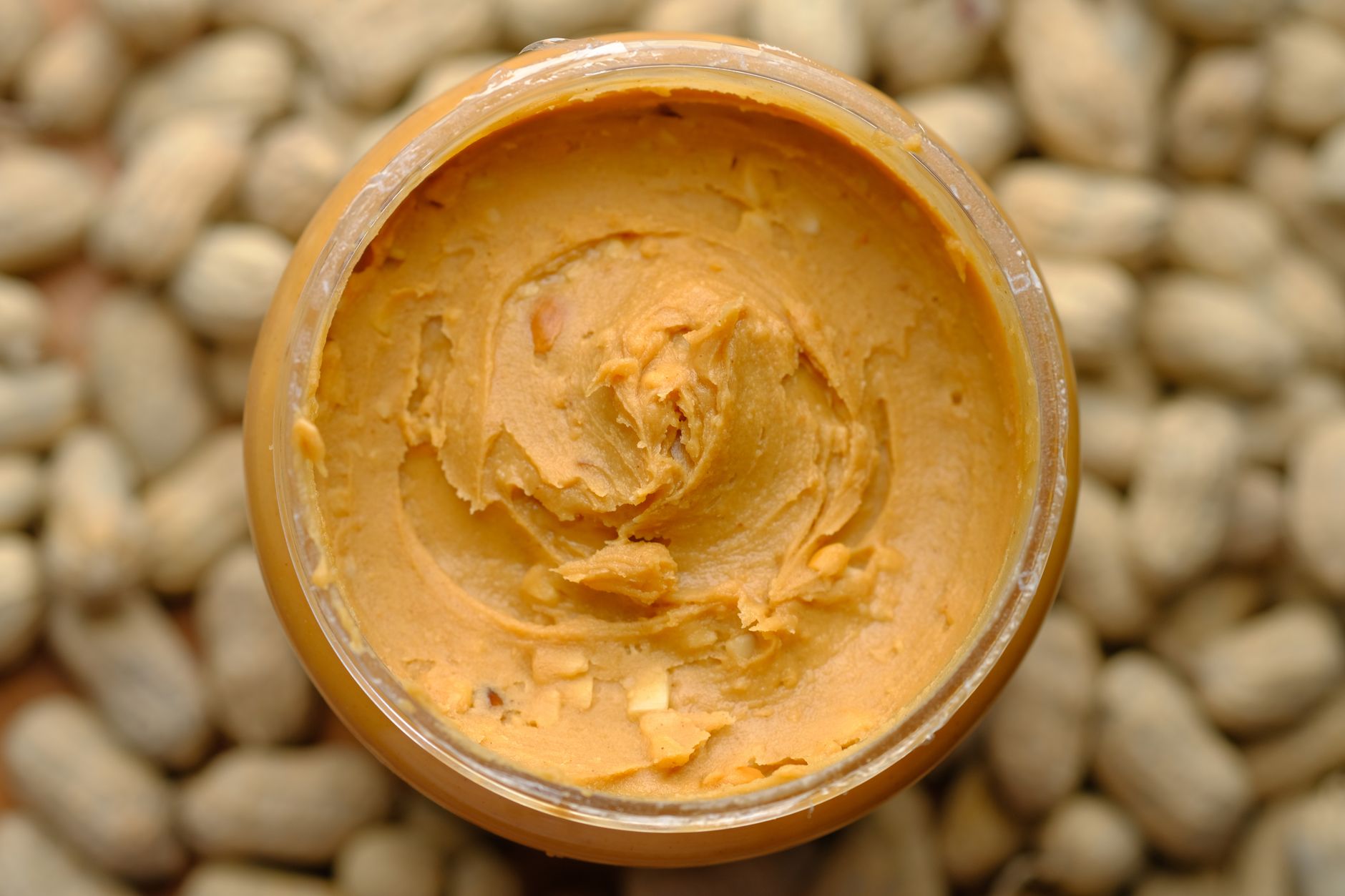
Peanut butter offers several nutritional benefits to birds:
- High Calorie Content: Provides crucial energy, especially during cold weather.
- Protein Source: Contributes to muscle development and repair.
- Healthy Fats: Supports overall health and feather quality.
However, it’s vital to understand that not all peanut butter is created equal, and moderation is key.
Safe Peanut Butter Preparation for Birds
Preparing peanut butter safely for birds is crucial to avoid choking hazards and other health problems. Follow these guidelines:
- Use Unsalted, Natural Peanut Butter: Avoid products with added salt, sugar, or artificial sweeteners, as these can be harmful to birds. Salt, in particular, can cause dehydration.
- Mix with Other Ingredients (Optional): You can mix peanut butter with other bird-friendly foods like seeds, oats, or cornmeal to create a more balanced and varied diet.
- Serve in Safe Feeders: Use feeders designed specifically for peanut butter, or smear it thinly on tree bark or pine cones. Avoid large globs that birds could choke on.
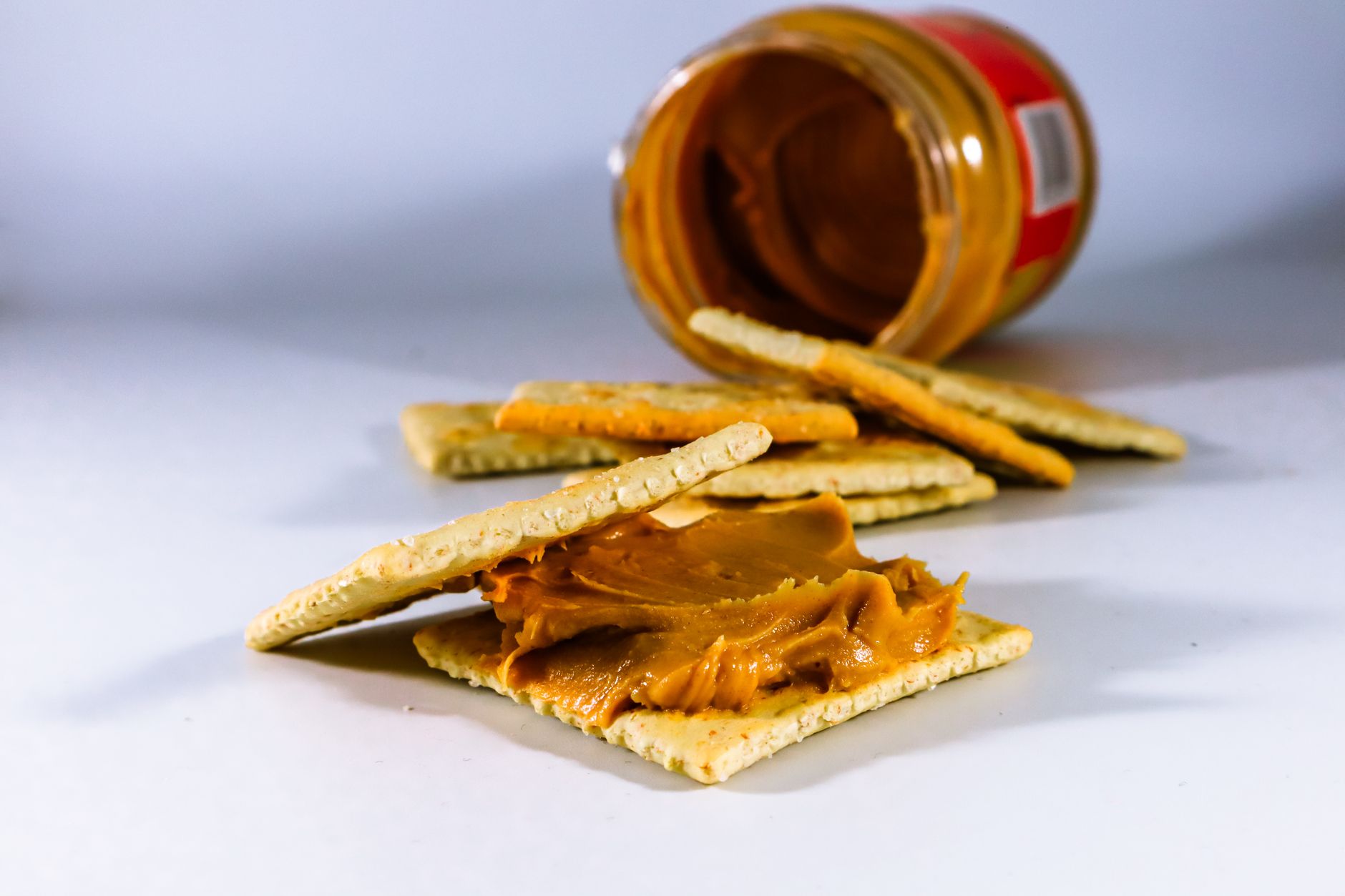
- Avoid Jars: Never allow birds to access peanut butter directly from a jar, as they can get stuck and suffocate.
- Room Temperature: Ensure the peanut butter is not too hard, especially in cold weather. If needed, soften it slightly at room temperature before offering it.
What Birds Eat Peanut Butter? Identifying the Consumers
While many birds enjoy peanut butter, some species are more inclined to partake than others. Here’s a breakdown of common peanut butter-loving birds:
- Chickadees: These small, acrobatic birds are frequent visitors to peanut butter feeders.
- Nuthatches: Known for their ability to climb down trees headfirst, nuthatches readily accept peanut butter.
- Woodpeckers: Larger birds like Downy and Hairy Woodpeckers appreciate the high-energy content.
- Titmice: Similar to chickadees, titmice are also attracted to peanut butter offerings.
- Jays: Blue Jays, known for their intelligence and scavenging habits, will often sample peanut butter.
- Starlings: Though sometimes considered pests, starlings can also be peanut butter consumers.
- Wrens: These small, active birds often forage for insects in peanut butter.
The specific species that visit your peanut butter feeder will depend on your geographic location and the surrounding habitat.
Potential Risks and Mitigation Strategies
While peanut butter can be a beneficial treat, there are potential risks to be aware of:
| Risk | Mitigation Strategy |
|---|---|
| Choking Hazard | Offer peanut butter in small amounts and avoid large globs. Use mesh feeders. |
| Salt Toxicity | Use unsalted, natural peanut butter only. |
| Aflatoxin Contamination | Purchase reputable brands of peanut butter and store it properly. |
| Attracting Pests | Clean up spilled peanut butter and use feeders that deter squirrels. |
Observing Bird Behavior at Peanut Butter Feeders
Watching birds interact with peanut butter feeders can be incredibly rewarding. Observe their feeding behaviors, social interactions, and any preferences they might display. This can help you tailor your offerings to their specific needs and preferences, creating a more enjoyable and beneficial experience for both you and the birds.
What birds eat peanut butter? is a common question among bird enthusiasts, and observing their behavior firsthand provides valuable insights.
Ethical Considerations: Responsible Bird Feeding
Remember that bird feeding should always be done responsibly. Avoid overfeeding, which can lead to dependence and nutritional imbalances. Regularly clean your feeders to prevent the spread of disease. Be mindful of the potential impact on local ecosystems. By following these guidelines, you can ensure that your bird feeding practices are beneficial and sustainable.
FAQs: Peanut Butter and Birds – A Deeper Dive
Is peanut butter a good food for birds?
Yes, unsalted, natural peanut butter can be a great source of energy and protein for birds, especially during times when natural food sources are scarce, such as winter or migration. However, it should be offered in moderation as part of a balanced diet.
What kind of peanut butter is best for birds?
The best peanut butter for birds is unsalted, natural peanut butter with no added sugar, artificial sweeteners, or preservatives. These additives can be harmful to birds.
Can birds choke on peanut butter?
Yes, birds can choke on peanut butter if it’s offered in large globs. To prevent this, offer it in small amounts, use mesh feeders designed for peanut butter, or mix it with other ingredients like seeds or oats. Never allow birds to access peanut butter directly from a jar.
Is it safe to give birds peanut butter with salt?
No, it is not safe to give birds peanut butter with salt. Salt can cause dehydration and other health problems in birds. Always use unsalted peanut butter.
Can I mix peanut butter with birdseed?
Yes, mixing peanut butter with birdseed can be a great way to provide a more balanced and nutritious diet for birds. Just be sure to use unsalted peanut butter and a good quality birdseed mix.
How often should I put out peanut butter for birds?
Offer peanut butter in moderation, especially during colder months or times when natural food sources are scarce. Avoid overfeeding, as this can lead to dependence.
Will peanut butter attract squirrels?
Yes, peanut butter can attract squirrels, which can compete with birds for the food. To deter squirrels, use squirrel-resistant feeders or place feeders in locations that are difficult for squirrels to access.
Can I use homemade peanut butter for birds?
Yes, you can use homemade peanut butter for birds, as long as it is made with only peanuts and does not contain any added salt, sugar, or other additives.
What about peanut butter alternatives like almond butter or sunflower seed butter?
Almond butter and sunflower seed butter can be safe alternatives to peanut butter, as long as they are unsalted, natural, and free of additives. They can also provide a good source of protein and healthy fats for birds.
How do I clean a peanut butter feeder?
Clean your peanut butter feeder regularly with warm, soapy water. Rinse thoroughly and allow it to dry completely before refilling. This helps prevent the spread of disease.
Will feeding birds peanut butter make them dependent on it?
While birds appreciate the readily available food source, they are unlikely to become completely dependent on peanut butter if they have access to other natural food sources. Offering peanut butter in moderation helps avoid this risk.
What happens if peanut butter gets stuck to a bird’s feathers?
If peanut butter gets stuck to a bird’s feathers, gently clean the affected area with warm water. Avoid using soap or detergents, as these can strip the feathers of their natural oils. If the bird is unable to clean itself, you may need to carefully assist with a soft cloth.