

What are the Roles of Male and Female Lions?
The division of labor in a lion pride is crucial to their survival. Male lions primarily focus on defending the pride’s territory and mating rights, while female lions are primarily responsible for hunting and raising cubs.

Introduction: The Lion Pride’s Dynamic
Lions, the majestic apex predators of the African savanna, live in social groups called prides. These prides are complex social structures with a distinct division of labor between male and female members. Understanding what are the roles of male and female lions is crucial to comprehending the success and survival of these magnificent creatures. This article will delve into the specific duties and contributions of both sexes, highlighting the cooperative dynamic that defines lion society.

Is distilled water good for goldfish?
What colours are fish most attracted to?
Can you put your finger in a trout's mouth?
Is methylene blue anti bacterial?
The Territory Guardians: Male Lion Roles
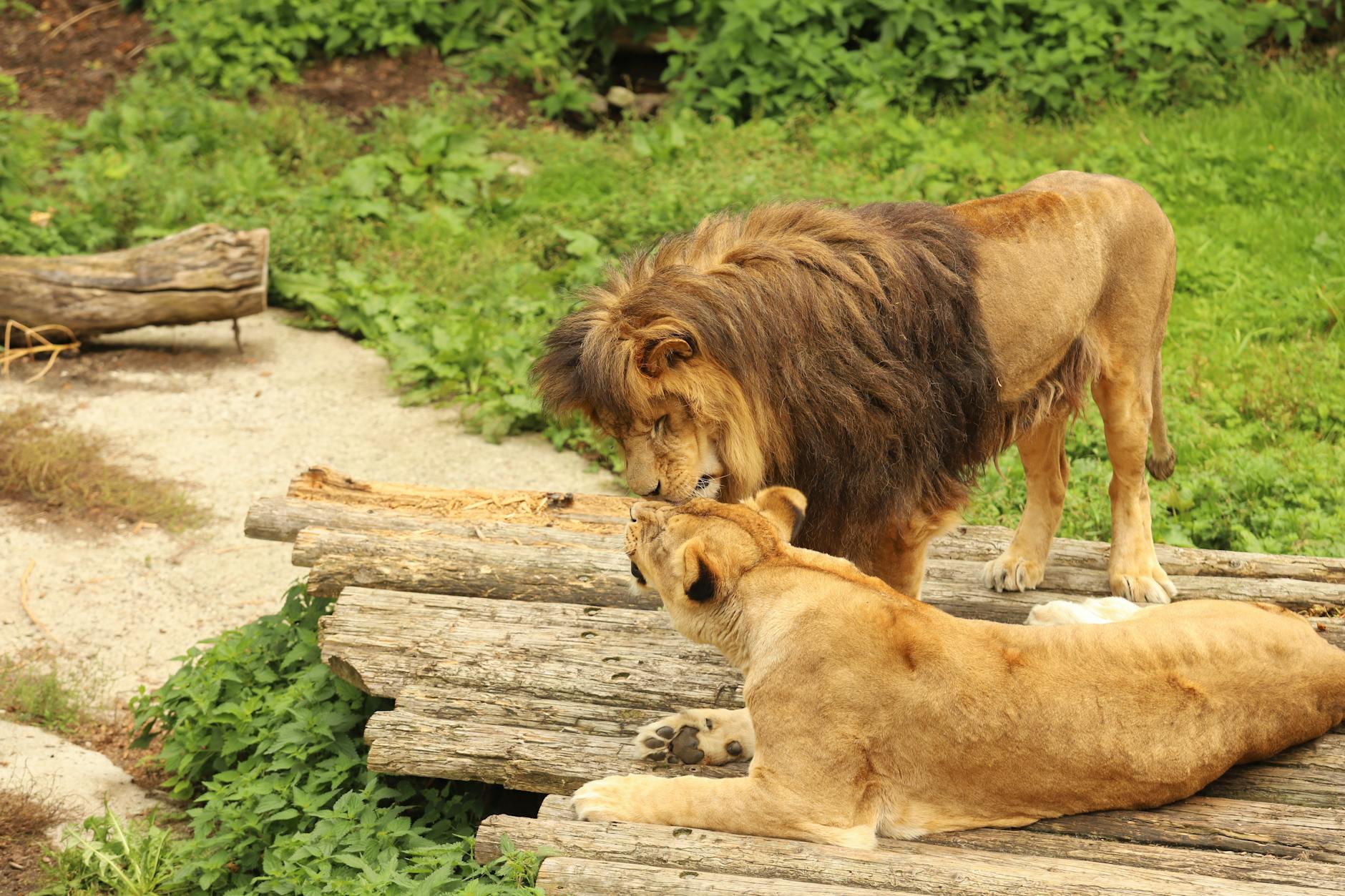
The dominant role of male lions is undoubtedly territory defense. Their impressive size, powerful roar, and intimidating mane serve as potent signals to deter potential rivals and intruders. Beyond defense, they also contribute to the overall health of the pride.
- Territorial Defense: Male lions patrol the pride’s territory, marking boundaries with urine and roaring to warn off intruders.
- Protection from Rivals: Male lions are responsible for defending the pride from rival males who may attempt to take over the territory and kill the existing cubs.
- Mating Rights: The dominant male or coalition of males secure exclusive mating rights within the pride, ensuring the continuation of their lineage.
- Occasional Hunting: While less frequent than females, male lions can participate in hunting, particularly when taking down large prey like buffalo.
- Dominance Displays: Maintaining dominance requires constant displays of power and aggression towards other males within the coalition, solidifying their position.
The Providers and Nurturers: Female Lion Roles
Female lions, or lionesses, are the primary hunters and caregivers within the pride. Their sleek bodies and cooperative hunting strategies make them highly effective predators.
- Hunting: Lionesses work together to stalk, ambush, and take down prey, such as zebras, wildebeests, and gazelles. Their cooperative hunting techniques allow them to successfully hunt larger animals.
- Cub Rearing: Lionesses are responsible for nurturing and protecting the cubs. They share the responsibility of feeding, grooming, and teaching the young lions essential survival skills.
- Defense of Cubs: Lionesses fiercely defend their cubs from predators like hyenas and jackals.
- Maintaining Social Cohesion: Lionesses play a vital role in maintaining social bonds within the pride through grooming and other affiliative behaviors.
- Resource Assessment: Lionesses often evaluate the availability of prey and water sources, guiding the pride to the most promising areas.
Comparing Male and Female Lion Roles
The table below summarizes the key roles of male and female lions within the pride:
| Role | Male Lions | Female Lions |
|---|---|---|
| Primary Function | Territory Defense & Protection | Hunting & Cub Rearing |
| Hunting Frequency | Occasional | Frequent |
| Physical Traits | Larger size, Mane | Sleeker build |
| Social Interaction | Dominance displays, Coalitions | Cooperative hunting, Social grooming |
| Key Contribution | Security and lineage continuation | Sustenance and offspring survival |
Shifting Dynamics: Exceptions to the Rule
While the division of labor is generally clear, there can be exceptions. In some prides, male lions may participate more actively in hunting, especially when prey is scarce. Similarly, young lionesses may assist in territory defense, particularly when the pride faces external threats. These deviations highlight the adaptability and flexibility within lion society. These shifts are dependent on environmental challenges, the strength of the pride and the available hunting grounds.
Benefits of Division of Labor
The division of labor between male and female lions provides several benefits:
- Increased Hunting Success: Cooperative hunting allows lionesses to take down larger prey, providing more food for the pride.
- Enhanced Territory Defense: The presence of strong male lions deters rivals and protects the pride’s territory and resources.
- Improved Cub Survival: The combined efforts of lionesses in rearing and protecting cubs increase their chances of survival.
- Efficient Resource Allocation: The division of labor allows lions to specialize in certain tasks, leading to greater efficiency in resource acquisition and utilization.
- Stronger Social Bonds: The cooperative nature of lion society strengthens social bonds within the pride, promoting stability and cooperation.
Challenges and Threats
Despite their success, lion populations face numerous challenges and threats, including:
- Habitat Loss: Encroachment of human settlements and agriculture reduces available habitat for lions.
- Human-Wildlife Conflict: Lions may prey on livestock, leading to retaliatory killings by humans.
- Poaching: Lions are hunted for their body parts, which are used in traditional medicine and for trophies.
- Disease: Outbreaks of diseases such as canine distemper and tuberculosis can decimate lion populations.
- Climate Change: Altered rainfall patterns and increased temperatures can impact prey availability and water sources, affecting lion survival.
Conservation Efforts
Various conservation efforts are underway to protect lions and their habitats, including:
- Protected Areas: Establishing and maintaining protected areas, such as national parks and reserves, provides safe havens for lions.
- Anti-Poaching Patrols: Deploying anti-poaching patrols helps to deter illegal hunting of lions.
- Community-Based Conservation: Engaging local communities in conservation efforts promotes coexistence between humans and lions.
- Research and Monitoring: Conducting research and monitoring lion populations provides valuable data for conservation planning.
- Translocation Programs: Translocating lions to new areas can help to establish new populations and increase genetic diversity.
Frequently Asked Questions (FAQs)
What are the key differences in physical characteristics between male and female lions?
Male lions are typically larger and heavier than female lions, weighing between 330-550 pounds compared to the lioness’s 265-400 pounds. The most distinctive feature is the mane, which male lions develop around the age of three.
Do male lions ever hunt on their own?
While less common, male lions do occasionally hunt on their own, especially when targeting larger prey or when separated from the pride. This often happens with nomadic males that are not a part of a settled pride.
How do lionesses decide who gets to eat first after a hunt?
The social hierarchy within the pride dictates who eats first. Dominant lionesses, particularly those with cubs, typically get priority, followed by other adult lionesses, cubs, and finally, the dominant male.
What is the role of subadult male lions in the pride?
Subadult male lions, typically between 2-3 years old, are usually forced to leave the pride by the dominant males. They often form coalitions with other young males and roam until they are strong enough to challenge a dominant male for control of a pride. Their role is largely one of transition and competition.
How do lionesses cooperate during a hunt?
Lionesses cooperate by employing coordinated strategies to surround and ambush prey. Some lionesses may act as drivers, chasing the prey towards others who lie in wait. This collaboration significantly increases their hunting success.
What happens to cubs if a dominant male lion is overthrown?
When a new male or coalition of males takes over a pride, they often kill the existing cubs to eliminate competition for their own offspring and bring the lionesses into estrus. This infanticide is a brutal but common occurrence in lion society.
Do male lions play any role in raising cubs?
While less directly involved, male lions do contribute to cub survival by protecting the pride’s territory and resources, ensuring a safe environment for the cubs to grow. They will actively defend cubs from predators and competing prides.
How do lionesses teach their cubs to hunt?
Lionesses teach their cubs to hunt through observation and practice. They bring back injured prey for the cubs to practice killing and gradually introduce them to the hunting process, demonstrating techniques and strategies.
What is the significance of the male lion’s mane?
The male lion’s mane serves multiple purposes. It protects the neck and head during fights with rivals, signals dominance and health to females, and makes the male appear larger and more intimidating to potential threats.
Are there any differences in the roles of lionesses in different prides?
The specific roles and responsibilities of lionesses can vary depending on the size of the pride, the availability of prey, and the individual personalities of the lionesses. Some prides may have more specialized hunters or caregivers.
What are the main threats to lion populations today?
The main threats to lion populations include habitat loss, human-wildlife conflict, poaching, disease, and climate change. These factors have significantly reduced lion numbers in recent decades.
How can I help protect lions and their habitats?
You can help protect lions by supporting conservation organizations, advocating for policies that protect wildlife and habitats, reducing your environmental footprint, and promoting responsible tourism. Even small actions can make a big difference.