

What to Really Expect from Your 10-Week-Old Puppy: A Comprehensive Guide
A 10-week-old puppy is still very much a baby, and realistic expectations involve patience, understanding, and consistent training, focusing on socialization, basic commands, and housebreaking fundamentals. Expect accidents, limited attention spans, and lots of adorable, albeit sometimes frustrating, puppy behavior.
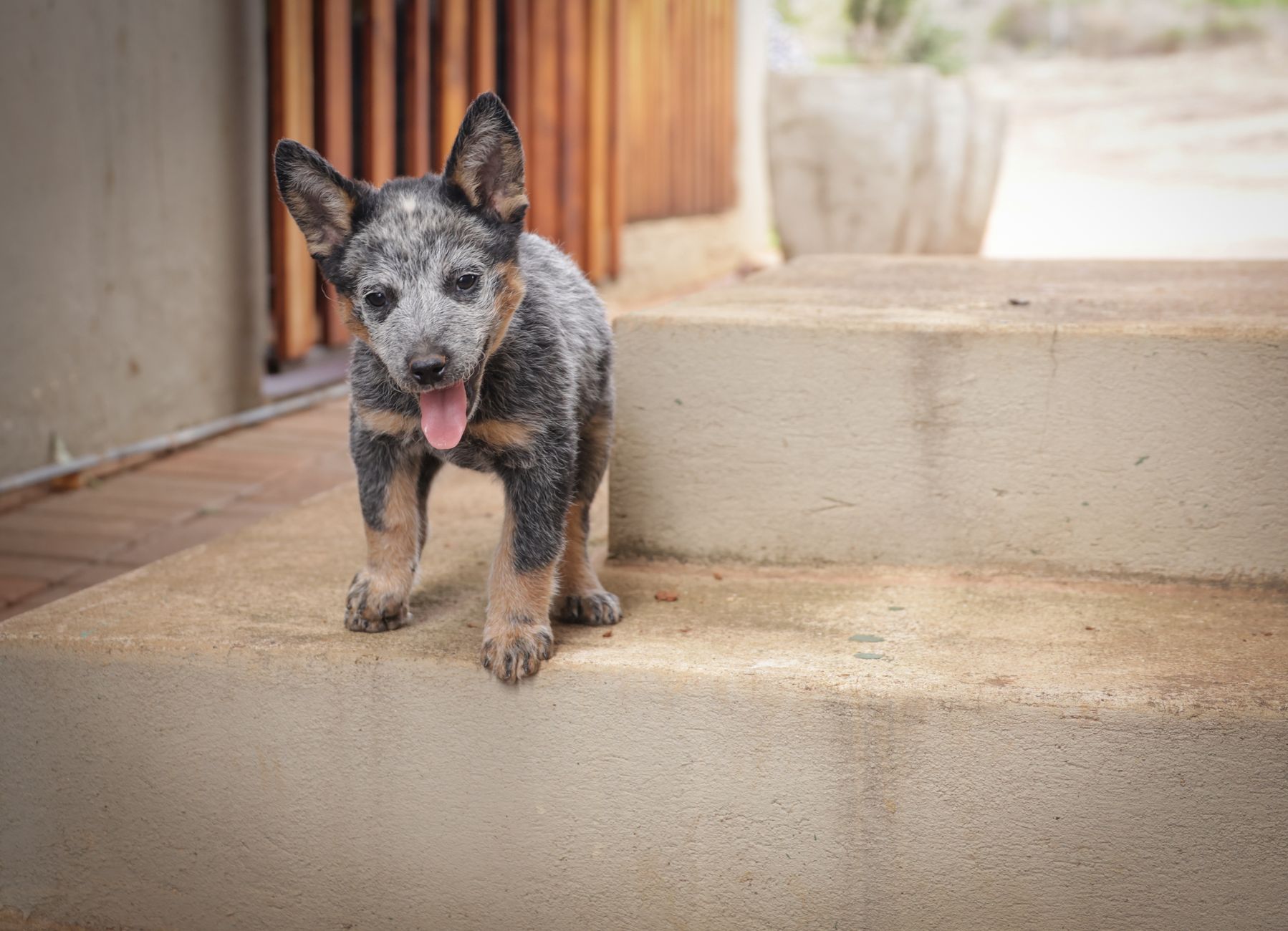
Welcome to Puppyhood: Setting the Stage
Bringing a new puppy home is an exciting time, but it’s crucial to enter this phase with a clear understanding of what to expect. At 10 weeks old, your puppy is still developing physically and mentally. Setting realistic expectations is key to a smooth transition and a strong bond between you and your furry friend. Trying to rush the process or expecting too much too soon will lead to frustration for both you and your puppy.

Is distilled water good for goldfish?
What colours are fish most attracted to?
Can you put your finger in a trout's mouth?
Is methylene blue anti bacterial?
Understanding a 10-Week-Old Puppy’s Development

At 10 weeks, a puppy is transitioning from complete dependence on their mother to becoming more independent. Key developmental milestones include:
- Continued Socialization: This is a critical period for exposing your puppy to various sights, sounds, people, and other animals (in a safe and controlled manner). Positive experiences now will shape their temperament and confidence later in life.
- Teething: Your puppy is likely starting to lose their baby teeth and experience discomfort. This can lead to increased chewing.
- Limited Bladder and Bowel Control: Accidents are inevitable at this age. Consistent potty training is essential, but don’t expect perfection.
- Short Attention Span: Puppy attention spans are incredibly short. Training sessions should be brief and fun to keep your puppy engaged.
- Exploring the World: They are driven by curiosity and will investigate everything with their mouths. Puppy-proofing your home is essential.
What You Can Realistically Expect to Teach
While a 10-week-old puppy won’t master complex commands, you can begin laying the foundation for future training. Focus on:
- Potty Training: Establish a consistent routine and reward successful potty breaks.
- Crate Training (if desired): Introduce the crate as a safe and comfortable space.
- Basic Commands: Start with “sit,” “stay” (for a few seconds), “come,” and “leave it.” Use positive reinforcement methods like treats and praise.
- Name Recognition: Use your puppy’s name frequently and associate it with positive experiences.
- Bite Inhibition: Teach your puppy to control the force of their bites during play.
- Socialization: Expose your puppy to new things gradually and positively.
Common Mistakes New Puppy Owners Make
Avoiding these common pitfalls will make puppyhood much smoother:
- Expecting Too Much Too Soon: Remember that your puppy is still a baby. Patience is key.
- Punishing Accidents: Punishment will only scare your puppy and damage your relationship. Focus on positive reinforcement.
- Lack of Socialization: Neglecting socialization during this critical period can lead to behavioral problems later in life.
- Inconsistent Training: Consistency is crucial for success. Everyone in the household should use the same commands and training methods.
- Ignoring Puppy’s Needs: Make sure your puppy has plenty of opportunities for rest, play, and socialization.
- Free Feeding: This can lead to housebreaking difficulties. Set meal times.
A Sample Daily Schedule for a 10-Week-Old Puppy
Creating a structured daily routine can help your puppy adjust and thrive:
| Time | Activity |
|---|---|
| 7:00 AM | Wake up, potty break |
| 7:15 AM | Breakfast |
| 7:30 AM | Playtime/short training session |
| 8:00 AM | Potty break |
| 8:30 AM | Nap time |
| 10:30 AM | Wake up, potty break |
| 10:45 AM | Socialization/walk |
| 11:30 AM | Playtime |
| 12:00 PM | Lunch |
| 12:30 PM | Potty break |
| 1:00 PM | Nap time |
| 3:00 PM | Wake up, potty break |
| 3:15 PM | Training session |
| 4:00 PM | Playtime |
| 5:00 PM | Potty break |
| 6:00 PM | Dinner |
| 6:30 PM | Potty break |
| 7:00 PM | Playtime/family time |
| 9:00 PM | Potty break |
| 9:30 PM | Bedtime |
This is just a sample schedule, and you may need to adjust it based on your puppy’s individual needs.
Addressing Common Behavioral Challenges
- Nipping and Biting: Redirect your puppy’s attention to a chew toy when they nip or bite.
- Excessive Barking: Determine the cause of the barking (e.g., boredom, anxiety) and address it accordingly.
- Chewing: Provide plenty of appropriate chew toys and puppy-proof your home to prevent destructive chewing.
- Separation Anxiety: Start with short periods of separation and gradually increase the duration. Provide a safe and comfortable space for your puppy when you’re away.
Frequently Asked Questions (FAQs)
How often should a 10-week-old puppy go outside to pee?
You should take your 10-week-old puppy out to pee at least every 2-3 hours, especially after waking up, eating, and playing. Consistency is key to successful housebreaking.
How long can a 10-week-old puppy be left alone?
Generally, a 10-week-old puppy shouldn’t be left alone for more than 2-3 hours at a time. They have small bladders and require frequent potty breaks and supervision.
What kind of food should I feed my 10-week-old puppy?
Feed your 10-week-old puppy a high-quality puppy food that is specifically formulated for their breed size. Follow the feeding guidelines on the food packaging.
How much exercise does a 10-week-old puppy need?
Short, frequent play sessions are ideal for a 10-week-old puppy. Avoid strenuous exercise that could damage their developing joints.
Is my 10-week-old puppy too bitey?
Nipping and mouthing are normal puppy behaviors. However, it’s important to teach bite inhibition by redirecting their attention to a chew toy or gently withdrawing attention when they bite too hard.
Why is my 10-week-old puppy always tired?
10-week-old puppies need a lot of sleep to support their growth and development. Expect them to sleep for 18-20 hours per day.
When should I start obedience training classes for my 10-week-old puppy?
You can start basic obedience training at home right away. Formal puppy classes are often recommended around 12-16 weeks of age, but early socialization is crucial.
How do I socialize my 10-week-old puppy safely?
Expose your 10-week-old puppy to new people, places, sounds, and objects gradually and positively. Ensure all interactions are safe and supervised. Puppy playdates with vaccinated dogs are a good option.
My 10-week-old puppy is still having accidents in the house. What am I doing wrong?
Accidents are normal at this age. Ensure you’re taking your puppy out frequently, rewarding successful potty breaks, and cleaning up accidents thoroughly with an enzymatic cleaner. Consider crate training.
How do I stop my 10-week-old puppy from chewing everything?
Provide plenty of appropriate chew toys and puppy-proof your home by removing anything that could be dangerous or easily destroyed. Redirect your puppy’s attention to a chew toy when they start chewing on something they shouldn’t.
My 10-week-old puppy cries in their crate. What should I do?
Make the crate a positive and comfortable space by feeding your puppy meals in the crate, providing chew toys, and gradually increasing the amount of time they spend inside. Never use the crate as punishment.
When will my 10-week-old puppy learn their name?
Most puppies will start to recognize their name within a few days to a few weeks of consistent training. Use their name frequently in positive contexts, such as when you’re giving them a treat or praising them.