
What Are the Pros of Getting a Female Cat? A Comprehensive Guide
Discover the appealing advantages of bringing a female feline into your home. Choosing a female cat often leads to a calmer, more affectionate companion and presents unique joys that make them wonderful additions to any family.

Introduction: The Allure of the Female Feline
Bringing a cat into your life is a significant decision, and choosing between a male and female cat is an important first step. While both genders can make wonderful pets, female cats, often called “queens,” possess certain characteristics and advantages that appeal to many prospective owners. This article explores what are the pros of getting a female cat, delving into their potential temperaments, care considerations, and the unique bond they can form with their human companions.
Temperament and Personality

One of the primary considerations when choosing a pet is their temperament. While individual personalities vary greatly, some general trends exist between male and female cats.
-
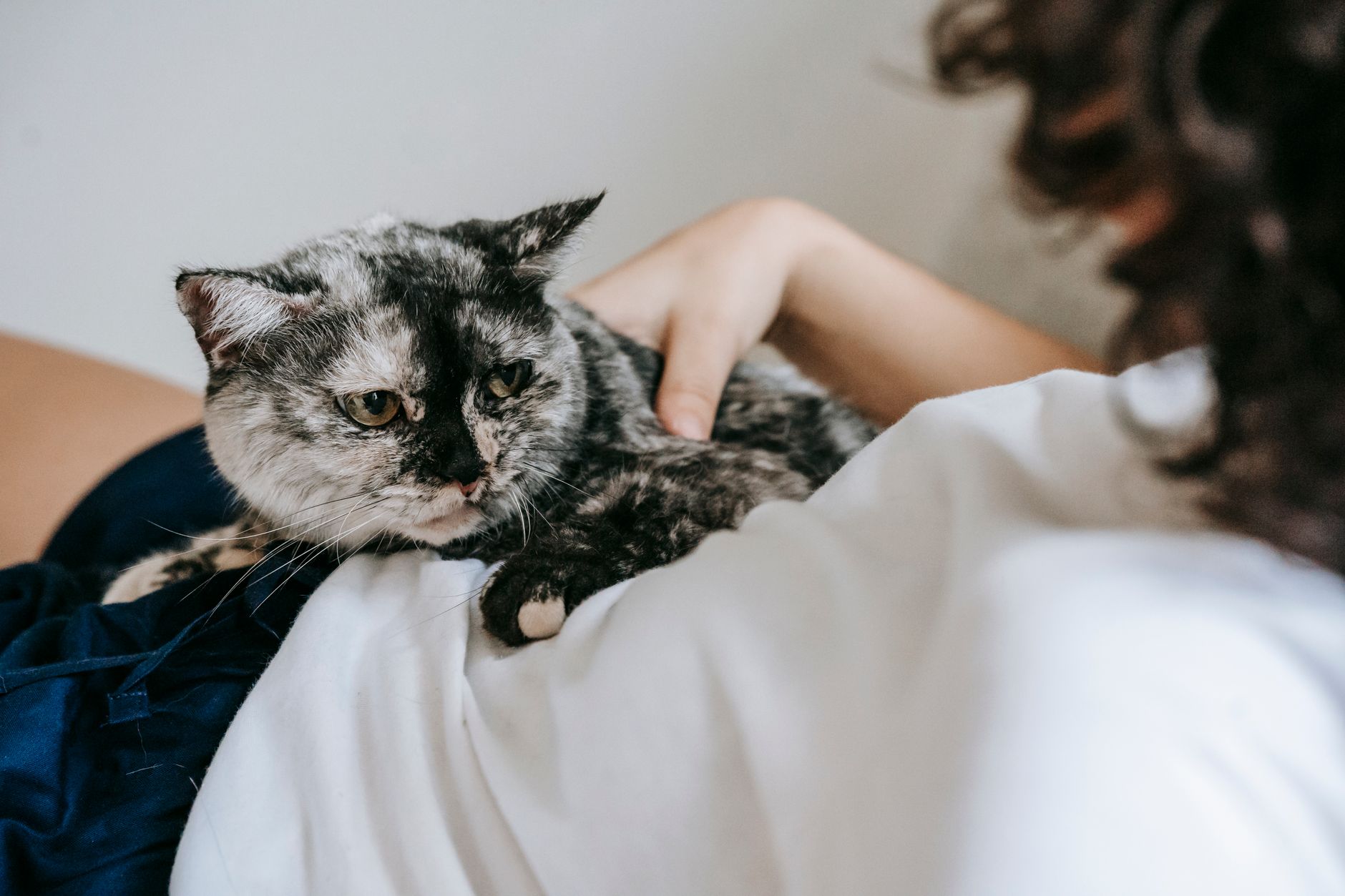
Affectionate Companions: Female cats are frequently described as more affectionate and nurturing than their male counterparts. They may be more inclined to cuddle, purr contentedly in your lap, and seek out close physical contact.
-
Independent Streak: While affectionate, female cats often possess a degree of independence. They may enjoy their own company and be less demanding of attention than some male cats. This makes them suitable for owners with busy lifestyles.
-
Lower Aggression: Generally, female cats tend to exhibit lower levels of aggression, particularly if spayed. This can lead to a more peaceful household, especially in multi-pet environments.
Health and Reproductive Considerations
Understanding the health and reproductive aspects of owning a female cat is crucial for responsible pet ownership.
-
Spaying Benefits: Spaying your female cat offers numerous health benefits, including the elimination of the risk of uterine infections and tumors, as well as a significant reduction in the risk of mammary cancer.
-
Preventing Unwanted Litters: Spaying also prevents unwanted litters, contributing to responsible pet population control and helping to reduce the number of cats in shelters.
-
Heat Cycles: Unspayed female cats experience heat cycles, which can be disruptive and stressful for both the cat and the owner. Signs of a heat cycle include vocalization, restlessness, and increased affection.
Cost and Availability
The cost of acquiring a female cat can vary depending on the source. Adoption fees from shelters are often lower than purchasing from a breeder. Spaying is a necessary expense but ultimately saves money by preventing medical complications and unwanted pregnancies.
-
Adoption Fees: Shelters and rescue organizations often have lower adoption fees for female cats.
-
Spaying Costs: Spaying surgery is a one-time expense that varies depending on your location and veterinary clinic.
-
Breeder Prices: Purchasing a purebred female cat from a breeder is generally more expensive.
Making the Right Choice
Ultimately, the decision of what are the pros of getting a female cat is a personal one that depends on your individual circumstances and preferences. Consider your lifestyle, experience with cats, and what you are looking for in a companion animal. Spending time with cats of both genders can help you make an informed decision and find the perfect feline friend.
- Consider Your Lifestyle: Match the cat’s personality and energy level to your own.
- Meet Different Cats: Visit shelters or breeders to interact with various cats.
- Ask Questions: Gather information about the cat’s history and temperament.

Frequently Asked Questions (FAQs)
Are female cats more territorial than male cats?
Generally, female cats are less territorial than male cats, especially if they are spayed. Unspayed female cats may exhibit territorial behavior during heat cycles, but this is usually temporary. Male cats, particularly unneutered ones, tend to mark their territory more aggressively through spraying.
Do female cats spray?
While less common than in male cats, female cats can spray, especially if they are not spayed or if they feel threatened. Spraying is a form of territorial marking, and addressing the underlying cause of the stress can often resolve the issue.
Are female cats good with children?
Female cats can be excellent companions for children, provided they are introduced and treated respectfully. Early socialization is key, and children should be taught how to interact with cats gently and avoid actions that could startle or frighten them.
What is the average lifespan of a female cat?
The average lifespan of a female cat is 12-15 years, although many can live much longer with proper care, including a healthy diet, regular veterinary checkups, and a safe indoor environment.
Are female cats more vocal than male cats?
Whether a female cat is more vocal than a male cat depends on the individual cat’s personality. Some female cats are naturally more talkative, while others are quiet and reserved. This trait isn’t strictly tied to gender.
Do female cats get along well with other cats?
Female cats can get along well with other cats, but it depends on their individual personalities and how they are introduced. Gradual introductions and providing ample resources (food, water, litter boxes, scratching posts) can help minimize conflict.
How much does it cost to spay a female cat?
The cost to spay a female cat varies depending on your location, the vet clinic, and any additional services included (such as pain medication or pre-surgical blood work). You can expect to pay anywhere from $100 to $300 or more.
What are the signs of pregnancy in a female cat?
Signs of pregnancy in a female cat include weight gain, increased appetite, enlarged nipples (“pinking up”), and nesting behavior. You may also feel movement in her abdomen later in the pregnancy.
What is the best age to spay a female cat?
The best age to spay a female cat is typically around 4-6 months old, before they reach sexual maturity. This prevents unwanted pregnancies and offers the greatest health benefits.
Are female cats easier to litter train than male cats?
There’s no evidence to suggest that female cats are inherently easier to litter train than male cats. Successful litter training depends on providing a clean, accessible litter box, using appropriate litter, and positive reinforcement.
Do female cats have a preference for male or female owners?
There’s no definitive evidence to suggest female cats universally prefer male or female owners. Cat preferences are highly individual and depend on personality, past experiences, and the bond they form with their human companions. Some female cats may bond more strongly with female owners, while others may prefer male owners.
What is the difference between a female cat and a male cat’s personalities?
While individual personalities vary, female cats are often perceived as more affectionate, nurturing, and independent compared to male cats, who are sometimes viewed as more playful and attention-seeking. However, these are generalizations, and many cats defy these stereotypes. The key to finding the right cat is to meet them and get to know their individual personality.