

What is the Most Chatty Cat Breed? Decoding Vocal Felines
The Siamese breed is widely considered the most chatty cat, known for its distinctive vocalizations and demanding personality, seeking constant interaction with its human companions. They are not afraid to let you know what they think!
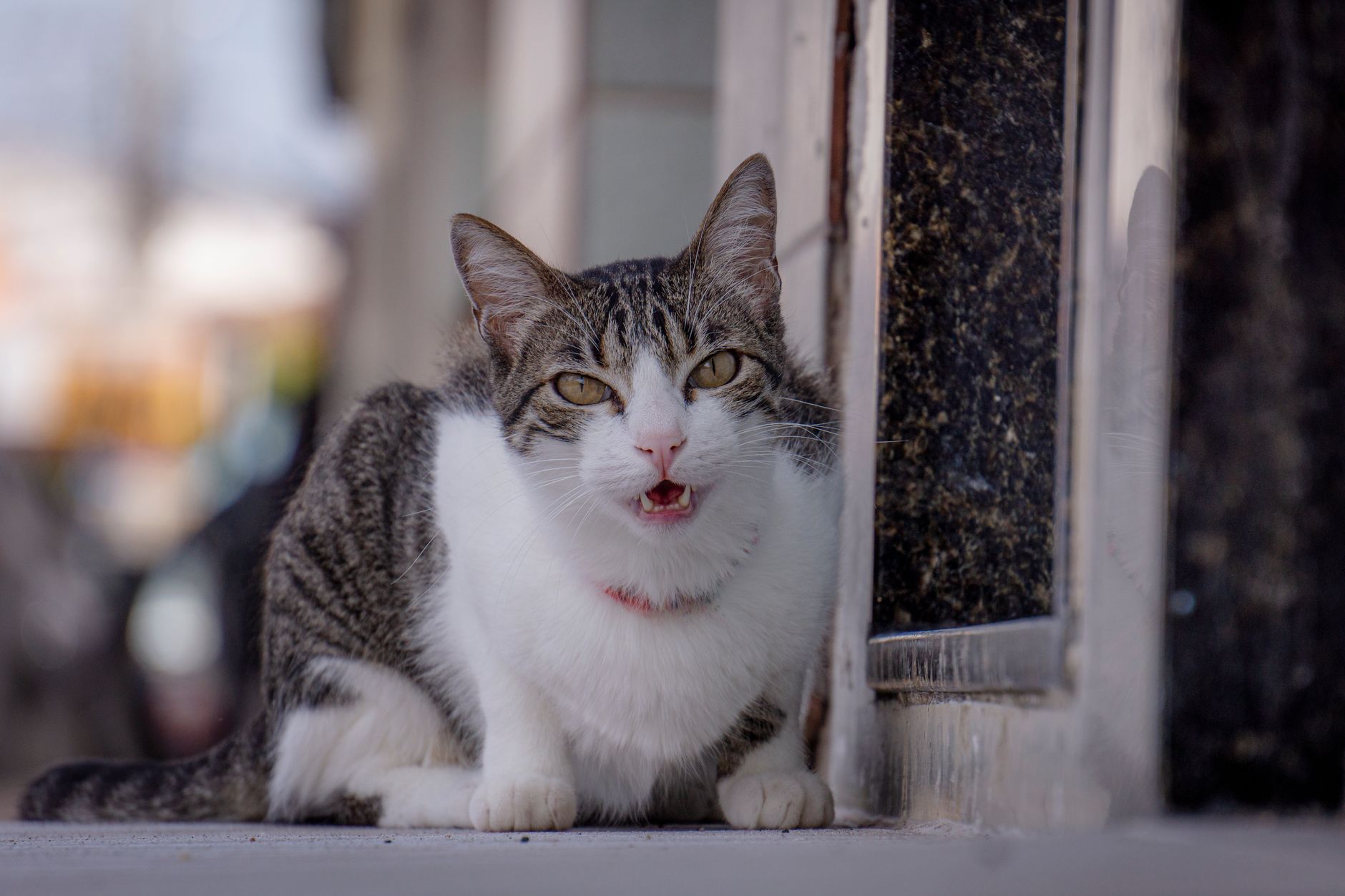
Understanding Feline Vocalization
Cats communicate in various ways, including body language, scent marking, and vocalizations. While all cats vocalize to some extent, certain breeds are known for being particularly talkative. Understanding why cats vocalize can help us better understand the differences between breeds and individual cats. The frequency, volume, and type of vocalization (e.g., meows, chirps, trills) all contribute to a cat’s overall “chattiness.”
The Genetics of Vocalization
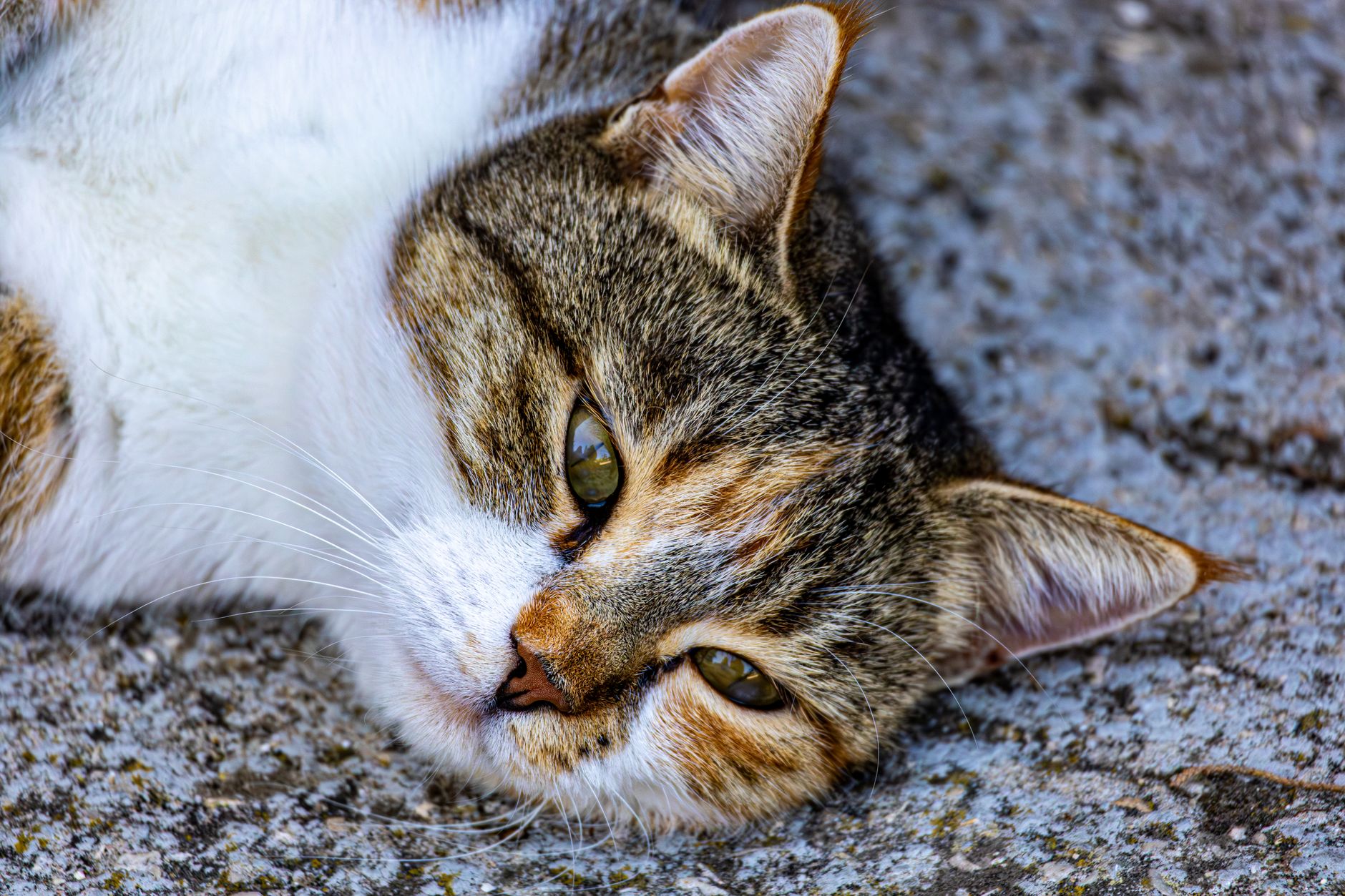
While environment and individual personality play a role, genetics significantly influence a cat’s propensity for vocalization. Certain breeds have been selectively bred for specific traits, including sociability and communicativeness, which can manifest as increased vocalization. Studying the genetic makeup of different cat breeds is essential for understanding why some are naturally more talkative than others.
The Contenders for “Chattiest” Breed
Several breeds are known for their vocal nature, vying for the title of “most chatty cat.” These include:
- Siamese: Renowned for their loud, demanding meows and frequent “conversations.”
- Oriental Shorthair: Closely related to the Siamese, sharing their talkative nature and intelligence.
- Burmese: Known for their sweet disposition and frequent purring and chirping.
- Tonkinese: A hybrid of the Siamese and Burmese, combining the best (and loudest) of both worlds.
- Sphynx: While not always meowing, they vocalize in other ways, such as purrs and trills, and demand attention.
The final answer to “What is the most chatty cat?” may depend on the individual cat’s personality.
Comparing Vocalization Characteristics
A closer look at the vocalization characteristics of the top contenders reveals why the Siamese often wins the title:
| Breed | Vocalization Type(s) | Volume | Frequency | Personality Traits |
|---|---|---|---|---|
| Siamese | Meows, yowls, growls, purrs | Loud | High | Demanding, intelligent, social |
| Oriental Shorthair | Meows, chirps, trills | Moderate | High | Intelligent, playful, affectionate |
| Burmese | Purrs, chirps, meows | Soft to Mod | Moderate | Affectionate, playful, people-oriented |
| Tonkinese | Meows, chirps, purrs | Moderate | Moderate | Affectionate, intelligent, playful |
| Sphynx | Purrs, trills, meows (softer) | Moderate | Moderate | Affectionate, dependent, attention-seeking |
Beyond Breed: Individual Personality
It’s crucial to remember that breed is just one factor determining a cat’s chattiness. Individual personality plays a significant role. Some Siamese cats may be relatively quiet, while some domestic shorthairs may be exceptionally vocal. The “What is the most chatty cat?” question might be better phrased as “What breeds are statistically more likely to be chatty?”.
The Environmental Influence
A cat’s environment can significantly impact its vocalization habits. Cats may become more vocal if they are:
- Bored or lonely: Seeking attention and interaction.
- Hungry or thirsty: Demanding food or water.
- Stressed or anxious: Expressing discomfort or fear.
- Sick or injured: Signaling pain or distress.
Creating a stimulating and comfortable environment can help reduce excessive vocalization.
Managing a Chatty Cat
While a chatty cat can be endearing, excessive vocalization can become problematic. Here are some tips for managing a talkative feline:
- Provide plenty of attention and playtime: Address their need for interaction.
- Ensure adequate food and water: Rule out basic needs as the cause of vocalization.
- Create a stimulating environment: Offer toys, scratching posts, and climbing opportunities.
- Consider a vet visit: Rule out any underlying medical conditions.
- Use positive reinforcement: Reward quiet behavior with treats or praise.

Frequently Asked Questions About Chatty Cats
Why are Siamese cats so talkative?
Siamese cats have been selectively bred for their sociability and intelligence. This breeding history, coupled with their demanding personalities, results in a cat that actively seeks interaction with its human companions and uses vocalization as a primary means of communication. It’s in their DNA!
Is excessive meowing a sign of a problem?
Yes, excessive meowing can be a sign of a problem. It could indicate boredom, loneliness, hunger, thirst, stress, anxiety, or an underlying medical condition. If your cat’s vocalization habits suddenly change, it’s best to consult a veterinarian.
Can I train my cat to be less vocal?
While you can’t entirely change a cat’s natural vocalization habits, you can use positive reinforcement to encourage quieter behavior. Rewarding your cat with treats or praise when it is quiet can help them learn to associate silence with positive outcomes.
Are male or female cats more likely to be chatty?
There is no definitive evidence to suggest that male or female cats are inherently more chatty. Individual personality and breed are more significant factors. However, unaltered female cats (queens) may be more vocal during mating season.
Does age affect a cat’s chattiness?
Yes, age can affect a cat’s chattiness. Kittens may vocalize more to get their mother’s attention, while senior cats may vocalize more due to cognitive decline or medical conditions.
What is the difference between a meow and a yowl?
A meow is a general vocalization used for various purposes, such as greeting, requesting attention, or indicating hunger. A yowl is a longer, more drawn-out vocalization that typically indicates distress, pain, or disorientation.
How can I tell if my cat is meowing because it’s in pain?
If your cat is meowing excessively, especially in conjunction with other signs of discomfort, such as limping, hiding, or loss of appetite, it could be in pain. It’s essential to consult a veterinarian to rule out any underlying medical conditions.
What are some toys that can help reduce a cat’s boredom and chattiness?
Interactive toys, such as puzzle feeders, laser pointers, and wand toys, can help reduce boredom and provide mental stimulation, potentially decreasing vocalization. Scratching posts and climbing trees also provide enrichment and help burn energy.
Is it cruel to ignore a cat that is meowing for attention?
While it’s essential to address your cat’s needs, giving in to every meow can reinforce the behavior. It’s best to provide attention and playtime at scheduled times rather than responding to every vocalization.
Can a cat’s diet affect its chattiness?
While diet doesn’t directly affect a cat’s vocalization, a nutritional deficiency can lead to health problems that might cause a cat to vocalize more. Ensure your cat is receiving a high-quality diet appropriate for its age and health condition.
Are some colors of cats more chatty than others?
There is no scientific evidence to support the claim that coat color affects a cat’s chattiness. Genetics of breed and individual personality are far more important factors.
My cat is suddenly more chatty. What should I do?
A sudden increase in vocalization warrants a visit to the veterinarian to rule out any underlying medical conditions. Once health issues are addressed, consider environmental factors like boredom, stress, or changes in routine. Address these factors to reduce excessive meowing. The question “What is the most chatty cat?” has become a less important consideration in lieu of addressing the underlying cause of a sudden change in behavior.