

What Animal Poop is Best for Compost?
The best animal poop for compost is generally from herbivores like chickens, rabbits, and cows because it’s rich in nutrients like nitrogen and phosphorus; however, proper composting is crucial to kill pathogens and avoid unpleasant odors.
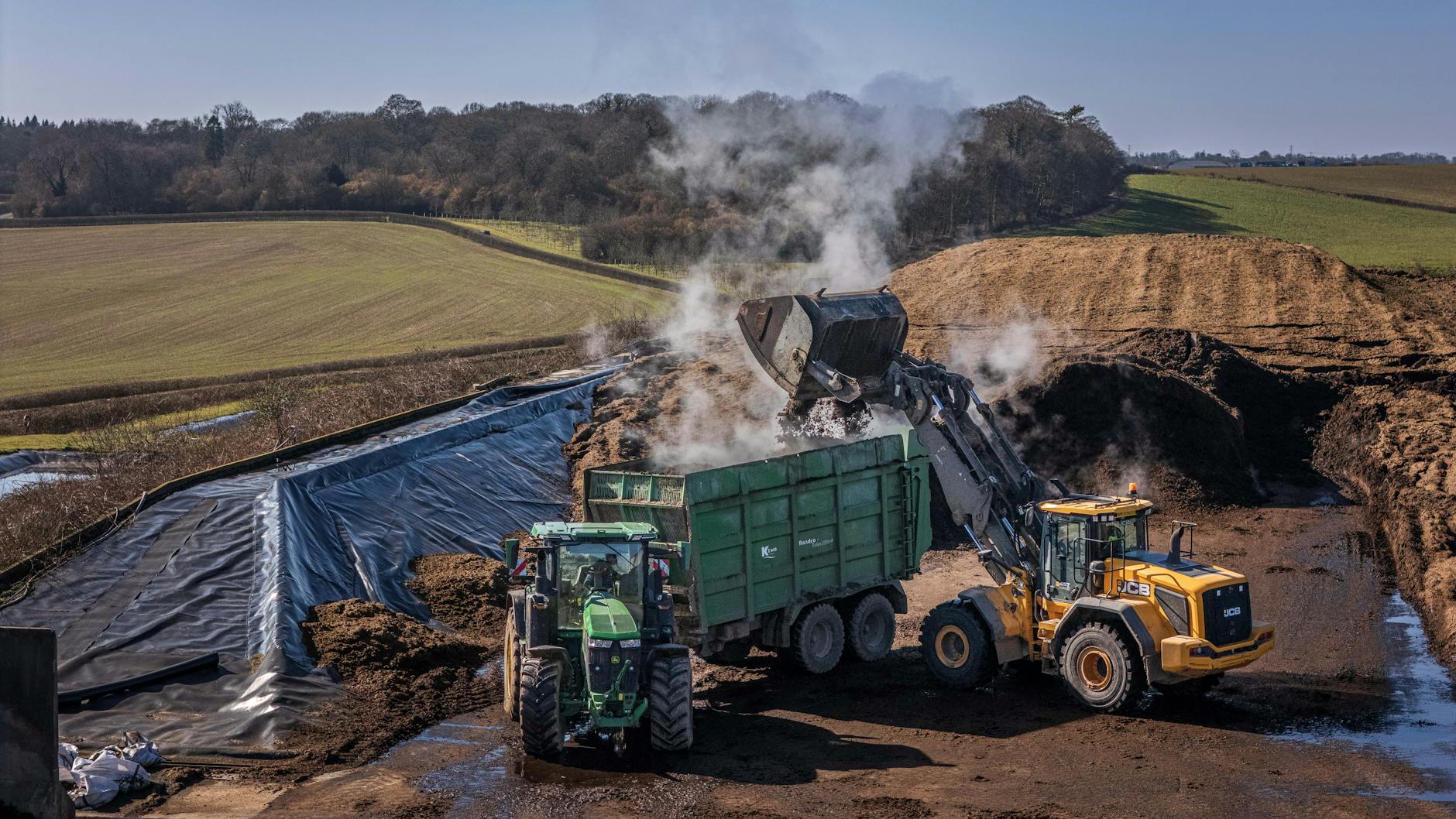
Understanding Animal Manure in Composting
Composting is a natural process that decomposes organic matter into a nutrient-rich soil amendment. Animal manure, a byproduct of livestock farming, can be a valuable component of compost, providing essential nutrients for plant growth. However, not all animal manure is created equal. The nutrient content, potential pathogens, and C:N ratio (carbon to nitrogen ratio) vary significantly depending on the animal species, diet, and handling practices. Understanding these differences is key to selecting what animal poop is best for compost.
Benefits of Using Animal Manure in Compost

Adding animal manure to compost offers several advantages:
- Nutrient Enrichment: Manure is a natural source of nitrogen, phosphorus, potassium, and micronutrients essential for plant health.
- Soil Improvement: Compost made with manure improves soil structure, water retention, and aeration.
- Waste Reduction: Utilizing manure for composting reduces waste and minimizes environmental pollution.
- Microbial Boost: Manure introduces beneficial microorganisms to the compost pile, accelerating the decomposition process.
The Composting Process with Animal Manure
The composting process with animal manure involves a few key steps:
- Collection: Gather manure from a reliable source, ensuring it’s free from contaminants like plastics or medications.
- Mixing: Combine manure with carbon-rich materials like leaves, straw, or wood chips in a ratio that achieves a balanced C:N ratio (approximately 25:1 to 30:1).
- Moisture Management: Maintain a moisture level similar to a wrung-out sponge. Too wet, and the compost will become anaerobic; too dry, and decomposition will slow down.
- Turning: Regularly turn the compost pile (every few days to every week) to aerate it and ensure even decomposition.
- Temperature Monitoring: The compost pile should reach temperatures between 130-160°F (55-70°C) to kill pathogens.
- Curing: Allow the compost to cure for several weeks after the active composting phase. Curing stabilizes the compost and further reduces the risk of pathogens.
Choosing the Right Animal Manure: A Comparative Analysis
Different types of animal manure have varying characteristics:
| Manure Type | Nitrogen Content | Phosphorus Content | Potassium Content | C:N Ratio | Notes |
|---|---|---|---|---|---|
| :———– | :————— | :—————— | :—————— | :——– | :———————————————————————————————————– |
| Chicken | High | High | High | 8:1 | Hot manure; requires careful composting. Excellent for composting. |
| Rabbit | High | Moderate | Moderate | 10:1 | Can be used directly in the garden in small amounts; mixes well in compost. |
| Cow | Moderate | Low | Moderate | 20:1 | Widely available, slower decomposition. Requires bulking agents like straw. |
| Horse | Moderate | Low | Moderate | 25:1 | Often mixed with bedding; be aware of weed seeds. Requires careful aeration. |
| Sheep | Moderate | Moderate | Moderate | 15:1 | Similar to cow manure, but potentially richer. |
| Pig | Moderate | Moderate | Moderate | 12:1 | Strong odor; needs careful composting to kill pathogens. Often avoided by beginners. |
| Cat/Dog | Low | Low | Low | Variable | Not recommended for composting food crops due to the risk of transmitting parasites and pathogens. |
Common Mistakes to Avoid When Composting with Manure
- Using pet waste from cats or dogs: These contain pathogens harmful to humans and should never be composted for use in food gardens.
- Insufficient composting time: Not allowing the compost to reach the appropriate temperature and duration can result in incompletely decomposed manure and the survival of pathogens.
- Improper C:N ratio: Using too much or too little carbon-rich material can slow down or inhibit the composting process.
- Ignoring moisture levels: Letting the compost dry out or become waterlogged will negatively impact decomposition.
- Lack of aeration: Not turning the compost pile regularly can lead to anaerobic conditions and unpleasant odors.

Frequently Asked Questions about Animal Poop and Composting
What makes some animal poop better for compost than others?
The suitability of animal poop for compost depends largely on its nutrient content, specifically nitrogen, phosphorus, and potassium (NPK), as well as its carbon-to-nitrogen (C:N) ratio. Herbivore manure, particularly from animals like chickens and rabbits, tends to have a higher nitrogen content, making it ideal for fueling the composting process. Also important is the health of the animal, the presence of any medications in the manure, and the amount of bedding mixed in.
Can I use horse manure in my compost if it has a lot of wood shavings?
Yes, horse manure mixed with wood shavings can be used in compost. The wood shavings act as a carbon source, helping to balance the C:N ratio. However, it is important to ensure that the wood shavings are not treated with any chemicals or preservatives, which could inhibit the composting process. Also, consider the potential for weed seeds that may be present.
Is chicken manure too “hot” to use directly on my plants?
Yes, chicken manure is considered “hot” due to its high nitrogen content. Directly applying fresh chicken manure to plants can burn their roots and leaves. It’s crucial to compost chicken manure before using it as a soil amendment. Composting dilutes the nitrogen concentration and reduces the risk of plant damage.
What about using manure from omnivores like pigs?
Manure from omnivores like pigs can be composted, but it requires more careful management. Pig manure tends to have a strong odor and may contain pathogens that are more difficult to eliminate during composting. Achieving proper composting temperatures and duration is essential to ensure the safety of the finished product.
Is composting animal poop safe for vegetable gardens?
Yes, composting animal poop can be safe for vegetable gardens if done correctly. Proper composting involves reaching high enough temperatures for a sufficient duration to kill pathogens. Using well-composted manure minimizes the risk of contamination and provides valuable nutrients for plant growth. You can also choose to only apply composted manure to non-edible crops.
How do I know if my animal manure compost is ready to use?
Compost is ready to use when it has a dark, crumbly texture and a earthy smell. It should no longer resemble the original materials. A simple test is to place a small amount of compost in a plastic bag with some moist paper towels. If the bag warms up after a few days, the compost is still actively decomposing and needs more time.
What is the ideal C:N ratio for composting animal manure?
The ideal C:N ratio for composting is generally between 25:1 and 30:1. This means that for every one part of nitrogen, there should be 25 to 30 parts of carbon. Manure is typically high in nitrogen, so it needs to be mixed with carbon-rich materials like leaves, straw, or wood chips to achieve the optimal ratio.
Can I compost animal bedding along with the manure?
Yes, animal bedding like straw, hay, and wood shavings can be composted along with manure. The bedding provides a carbon source, which is essential for balancing the C:N ratio. However, be mindful of the type of bedding used. Avoid using bedding that has been treated with chemicals or pesticides.
What are the potential risks of using improperly composted animal manure?
Using improperly composted animal manure can pose several risks, including:
- Pathogen contamination: The survival of harmful bacteria, viruses, and parasites.
- Plant burn: Excessive nitrogen levels damaging plant roots.
- Weed seeds: The introduction of weed seeds into the garden.
- Odor problems: Unpleasant smells due to incomplete decomposition.
Does composting animal manure reduce its volume?
Yes, composting animal manure significantly reduces its volume. The decomposition process breaks down the organic matter, resulting in a much smaller and more concentrated material. This makes it easier to handle and transport the compost.
What tools do I need to compost animal manure effectively?
Essential tools for composting animal manure include:
- A compost bin or pile
- A pitchfork or shovel for turning
- A thermometer for monitoring temperature
- A moisture meter (optional)
- Protective gloves and eyewear
Are there any animals whose manure should absolutely never be composted for a vegetable garden?
Yes, the manure of carnivores like cats and dogs should absolutely never be composted for use in vegetable gardens. Their feces can contain parasites and pathogens that are harmful to humans and can persist even after composting. It is much safer to dispose of pet waste in the trash. What animal poop is best for compost? Certainly not this one!