
What are the Most Inbred Cats? A Deep Dive
While technically any cat breed that has undergone selective breeding can be considered inbred to some extent, the Persian, Exotic Shorthair, and Scottish Fold breeds are often cited as having a higher prevalence of inherited health issues linked to genetic bottlenecks and breeding practices.

Understanding Inbreeding in Cats
Inbreeding, in its simplest form, is the mating of closely related individuals. In animal breeding, including cats, this is often done to fix desirable traits within a breed. However, this process also concentrates undesirable recessive genes, leading to a higher incidence of genetic disorders. Understanding the context and consequences of inbreeding is crucial when discussing what are the most inbred cats?.

What is the GREY African clawed frog?
Is distilled water good for goldfish?
Can you put your finger in a trout's mouth?
Is methylene blue anti bacterial?
The Pursuit of Breed Standards

Breed standards, meticulously defined by cat fancy organizations like the Cat Fanciers’ Association (CFA) and The International Cat Association (TICA), dictate the ideal physical characteristics of each breed. Breeders often strive to achieve these standards through selective breeding, which can sometimes involve inbreeding to emphasize specific traits.
- Head shape: A flatter face, as seen in Persians and Exotic Shorthairs.
- Coat color and pattern: Specific color variations and patterns that are highly valued.
- Body size and structure: Desired size and build conforming to the breed standard.
- Ear shape: Folded ears, a characteristic trait of the Scottish Fold.
The relentless pursuit of these breed-specific features can inadvertently lead to reduced genetic diversity and an increased risk of inherited diseases.
Identifying High-Risk Breeds: What are the most inbred cats?
Several cat breeds are frequently mentioned when discussing what are the most inbred cats?, largely due to their history of selective breeding and the prevalence of breed-specific health problems.
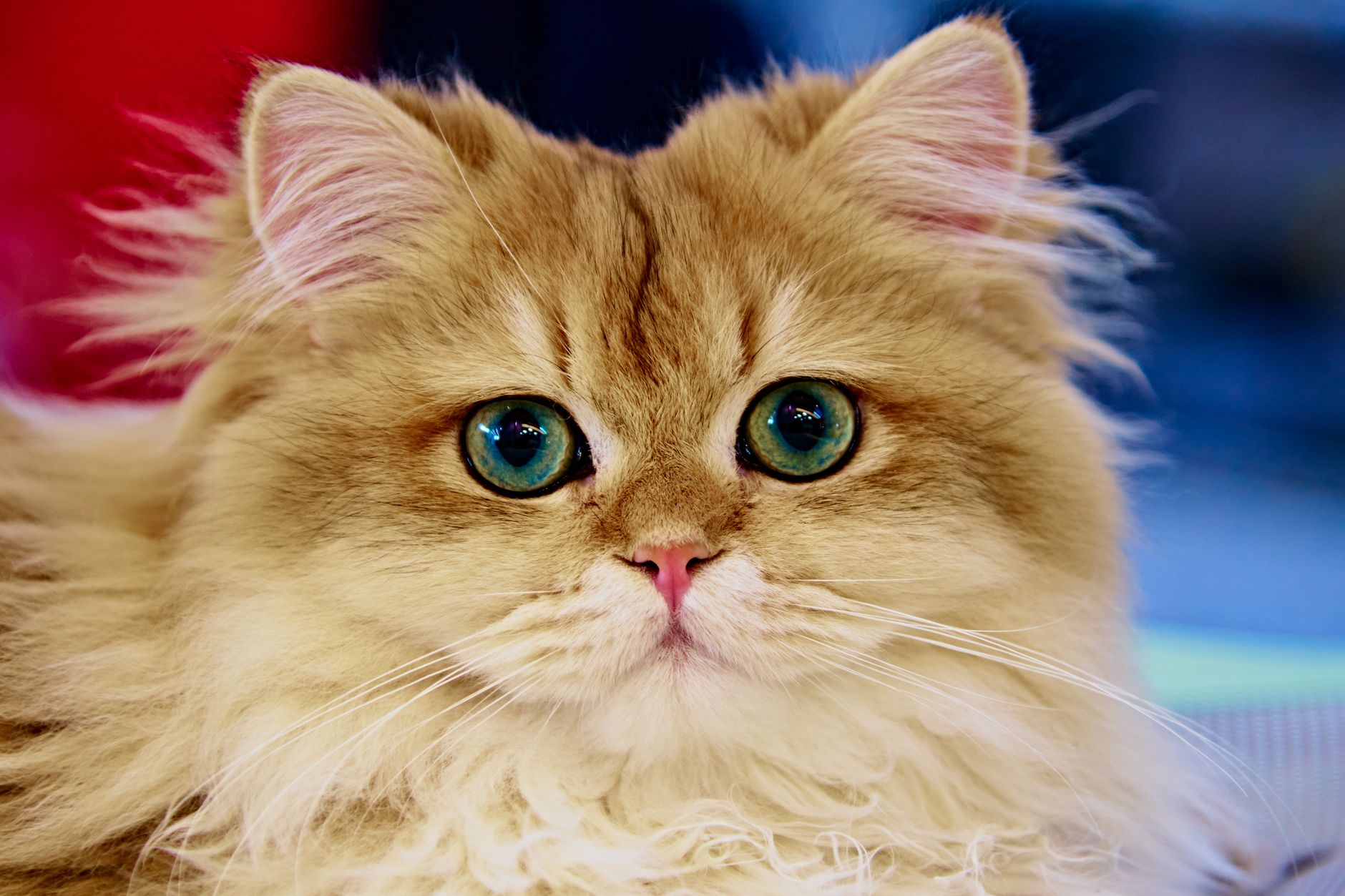
- Persian: Renowned for their luxurious long coats and flattened faces, Persians are prone to polycystic kidney disease (PKD), hypertrophic cardiomyopathy (HCM), and brachycephalic airway syndrome. The extreme breeding for flat faces has lead to severe respiratory distress in some individuals.
- Exotic Shorthair: Often described as “lazy Persians,” Exotic Shorthairs share many of the same health issues as Persians due to their close genetic relationship. The shorter coat requires less grooming, but the facial structure contributes to similar respiratory issues and eye problems.
- Scottish Fold: The charming folded ears of the Scottish Fold are caused by a genetic mutation that affects cartilage development. Sadly, this mutation also leads to severe osteoarthritis, causing chronic pain and lameness. All Scottish Folds are affected to varying degrees, making their existence inherently problematic.
- Other breeds: While the above are particularly prominent, breeds like the Manx (spinal problems) and Devon Rex (muscular dystrophy) also have inherited conditions linked to inbreeding.
The Role of Genetic Diversity
Genetic diversity within a breed is vital for its long-term health and survival. A diverse gene pool allows cats to better resist disease and adapt to environmental changes. Conversely, limited genetic diversity makes a breed more vulnerable to health problems.
Consider this table showcasing the correlation between genetic diversity and health risks:
| Genetic Diversity | Health Risks |
|---|---|
| High | Lower incidence of inherited diseases |
| Medium | Moderate risk of certain genetic conditions |
| Low | Significantly increased risk of breed-specific diseases |
Ethical Considerations
The ethical implications of breeding cats with known genetic predispositions to painful or debilitating conditions are significant. Breeders have a responsibility to prioritize the health and well-being of their animals over achieving extreme breed standards.
Combating Inbreeding: What are the most inbred cats? and what can be done about it?
Addressing the issue of inbreeding requires a multi-faceted approach.
- Genetic Testing: Utilizing DNA tests to identify carriers of genetic diseases.
- Outcrossing: Introducing cats from unrelated lines to increase genetic diversity. This is carefully managed to avoid unwanted traits while broadening the gene pool.
- Responsible Breeding Practices: Selecting breeding pairs based on genetic health and overall well-being, not solely on conformation to breed standards.
- Public Education: Raising awareness among cat owners and breeders about the risks of inbreeding.
The Future of Cat Breeding
The future of cat breeding hinges on prioritizing genetic health and ethical considerations. By embracing responsible breeding practices, promoting genetic diversity, and educating the public, we can ensure the well-being of future generations of cats. The question of what are the most inbred cats? should prompt action towards healthier, more resilient breeds.
Frequently Asked Questions (FAQs)
What is the coefficient of inbreeding (COI)?
The coefficient of inbreeding (COI) is a measure of the probability that two genes at any given locus are identical by descent from a common ancestor. In simpler terms, it indicates how closely related an individual’s parents are. Higher COIs generally correlate with increased risk of inherited diseases. Breeders use COI calculations to make informed decisions about mating pairs, striving to keep the COI as low as possible.
Why do breeders inbreed at all?
Breeders inbreed primarily to fix desirable traits within a breed. By mating closely related individuals, they increase the likelihood that offspring will inherit the same characteristics, resulting in a more uniform appearance and temperament. This is often done to achieve breed standards set by cat fancy organizations. However, this practice comes with the significant risk of concentrating harmful recessive genes.
How can I tell if my cat is inbred?
It can be difficult to definitively determine if a cat is inbred without genetic testing. However, a history of breed-specific health problems or a pedigree showing close relationships between ancestors can be indicators. Your veterinarian can help assess your cat’s risk based on their breed and medical history.
Are mixed-breed cats less likely to be inbred?
Generally, mixed-breed cats have greater genetic diversity than purebreds, making them less susceptible to inherited diseases associated with inbreeding. However, this isn’t always the case, as some mixed-breed cats may still inherit genetic predispositions from their purebred ancestors.
What are some common health problems associated with inbreeding in cats?
Common health problems linked to inbreeding include polycystic kidney disease (PKD), hypertrophic cardiomyopathy (HCM), hip dysplasia, patellar luxation, and various forms of cancer. The specific health problems vary depending on the breed and the genetic mutations involved.
Is it ethical to breed cats with known genetic problems?
The ethics of breeding cats with known genetic problems are highly debated. Many argue that it is unethical to knowingly perpetuate conditions that cause pain and suffering. Responsible breeders prioritize the health and well-being of their animals and avoid breeding cats with serious genetic predispositions.
What is genetic screening, and how does it help?
Genetic screening involves testing a cat’s DNA to identify carriers of genetic diseases. This allows breeders to make informed decisions about mating pairs, avoiding combinations that could produce affected offspring. Genetic screening is a crucial tool for reducing the incidence of inherited diseases in cat breeds.
Can inbreeding affect a cat’s lifespan?
Yes, inbreeding can significantly affect a cat’s lifespan. The increased risk of genetic diseases associated with inbreeding can lead to premature death. Cats with inherited conditions may experience a reduced quality of life and require extensive veterinary care.
How can I find a responsible cat breeder?
Look for breeders who prioritize the health and well-being of their cats. They should be knowledgeable about genetic testing, willing to share health information about their cats, and dedicated to responsible breeding practices. Visiting the cattery and meeting the parent cats can also provide valuable insights. Ask for documentation of genetic testing and veterinary care.
Are all purebred cats inbred?
While all purebred cats have a degree of relatedness due to the limited gene pool within their breed, not all purebred cats are severely inbred. Responsible breeders strive to maintain genetic diversity within their lines through careful selection of breeding pairs. However, some breeds are more prone to inbreeding due to historical practices and breed standards.
If I adopt a cat with potential inbreeding issues, what should I do?
First, consult with your veterinarian. They can perform a thorough physical examination and recommend any necessary diagnostic tests. Be prepared to address potential health problems associated with your cat’s breed. Providing a loving and supportive environment is crucial, regardless of any health challenges your cat may face.
Where can I find more information about inbreeding and genetic health in cats?
Several reputable sources provide information about inbreeding and genetic health in cats. These include the websites of cat fancy organizations like the CFA and TICA, veterinary journals, and genetic testing companies. Your veterinarian can also provide valuable resources and guidance.