

What Crows Fear: Unveiling the Mysteries of Corvid Aversion
What are crows most afraid of? Crows, highly intelligent and adaptable birds, exhibit fear responses to a variety of threats, but they are most significantly afraid of direct threats to their safety and offspring, particularly associated with predators, previously negative human interactions, and unfamiliar novel objects.
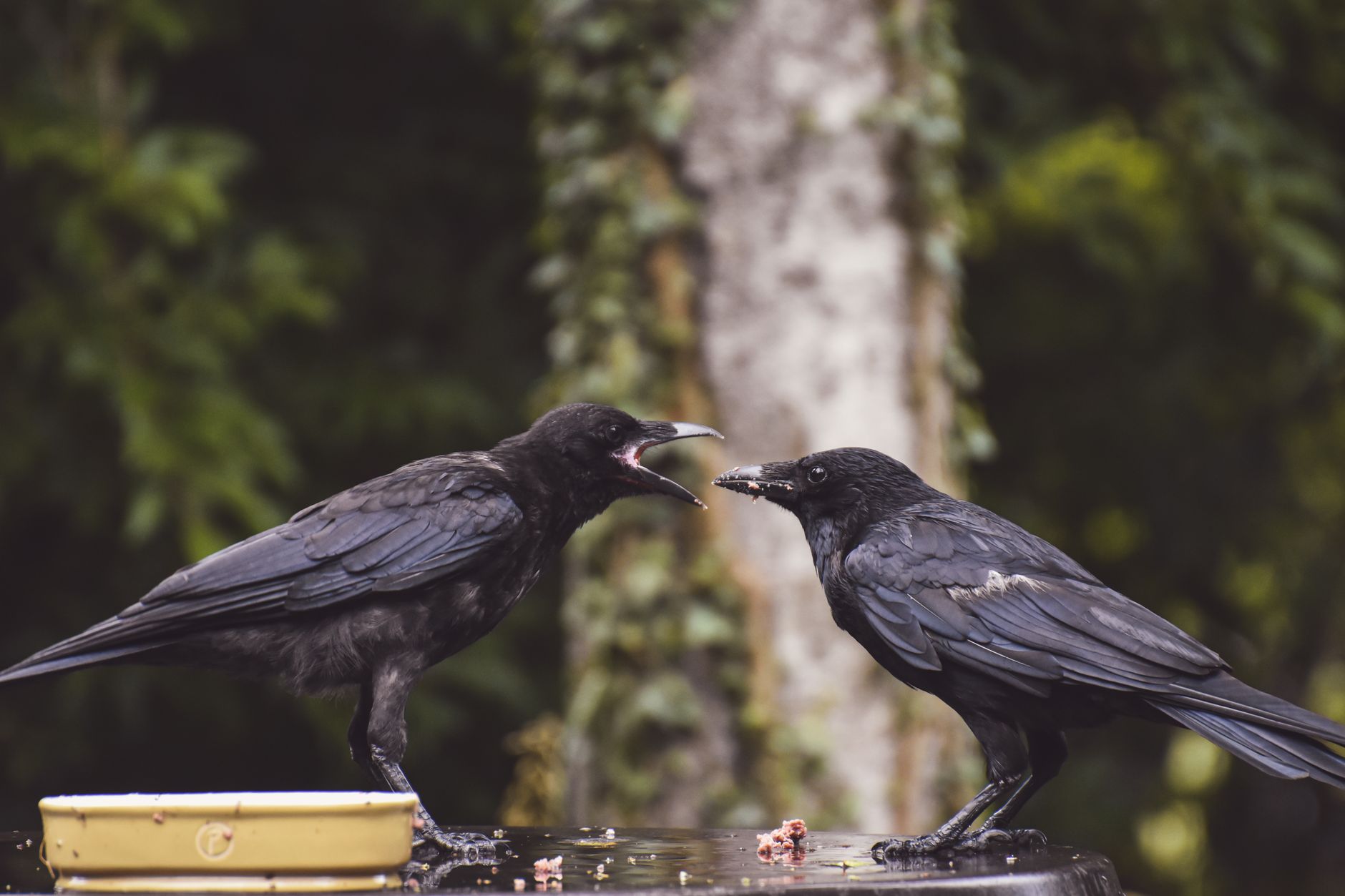
The Intelligence Behind the Fear
Crows (genus Corvus) are renowned for their exceptional intelligence. They demonstrate problem-solving abilities, tool use, and complex social structures. This high level of cognition influences their fear responses. They are not simply reacting to stimuli; they are analyzing, remembering, and learning from their experiences. Their fear is often learned and targeted.

What is the GREY African clawed frog?
Is distilled water good for goldfish?
Can you put your finger in a trout's mouth?
Is methylene blue anti bacterial?
Predators: An Evolutionary Fear

The instinct to avoid predators is deeply ingrained in crows. Historically, their predators have been raptors (hawks, eagles, owls), mammals (foxes, raccoons), and snakes. Crows exhibit intense alarm calls and mobbing behavior when predators are detected, signaling danger to the flock and attempting to drive the predator away. This behavior is not just instinctive; it’s a learned response passed down through generations.
- Raptors: Hawks and owls pose a direct threat to adult crows.
- Mammals: Foxes and raccoons may target nests and young crows.
- Snakes: Similarly, snakes can prey on eggs and chicks.
Human Interaction: A Double-Edged Sword
Crows have adapted to living near humans, benefiting from readily available food sources. However, this proximity also exposes them to negative interactions. Crows can learn to associate certain humans or specific locations with danger if they experience harassment, persecution, or witnessing harm to other crows. This learned fear can be very strong and persistent.
- Persecution: Hunting, trapping, or poisoning crows.
- Harassment: Chasing, shouting, or throwing objects at crows.
- Observation: Witnessing harm to other crows by humans.
Novel Objects: The Fear of the Unknown
Crows are generally cautious about new objects or situations in their environment. This neophobia, or fear of the unknown, is a survival mechanism. New objects could potentially represent a threat, so crows approach them with caution, often observing from a distance before investigating further. This careful assessment helps them avoid potential dangers. Shiny or reflective items often trigger strong reactions.
Long-Term Memory and Learned Avoidance
Crows possess exceptional long-term memory. They can remember faces, locations, and specific events for extended periods. This allows them to develop targeted fear responses based on past experiences. If a crow is chased away from a particular location, it is likely to avoid that location in the future. This learned avoidance is crucial for their survival.
Auditory Communication: Spreading the Fear
Crows communicate through a complex vocal repertoire, including alarm calls that warn other crows of danger. These alarm calls are specific to different types of threats, allowing crows to communicate the nature of the danger. Hearing an alarm call from another crow can trigger a fear response in nearby crows, even if they haven’t directly experienced the threat.
Urban vs. Rural Crows: Different Fears
Crows living in urban environments may have different fear responses compared to rural crows. Urban crows are often more habituated to human presence and may be less fearful of certain stimuli. However, they may also be more fearful of specific urban dangers, such as traffic or construction.
| Feature | Urban Crows | Rural Crows |
|---|---|---|
| Human Tolerance | Higher, more habituated | Lower, more cautious |
| Predator Threats | Fewer natural predators | More natural predators |
| Environmental Dangers | Traffic, construction, pollution | Hunting, agricultural practices, poison |
| Fear Response | More specific to urban threats | More generalized fear responses |
Frequently Asked Questions (FAQs)
What specific sounds do crows dislike?
Crows dislike sudden loud noises, high-pitched sounds, and distress calls from other crows. They also show aversion to recordings of hawk or owl calls, which signal the presence of predators. Consistent exposure to certain sounds can lead to habituation, but sudden and unexpected noises usually trigger an alarm response.
Do crows fear scarecrows?
The effectiveness of scarecrows is often limited. Crows may initially be wary of a novel scarecrow, but they quickly learn that it is not a real threat. Over time, they become habituated to its presence and may even perch on it. Moving scarecrows or those with irregular movements are more effective in deterring crows, but only temporarily.
Are crows afraid of shiny objects?
Crows exhibit a mixed reaction to shiny objects. While some studies suggest that crows are attracted to shiny objects out of curiosity, they can also be initially fearful of unfamiliar, reflective items. This fear stems from their neophobia, but it can also be related to the way shiny objects distort their vision.
Do crows recognize human faces and personalities?
Yes, crows are capable of recognizing individual human faces and remembering past interactions. They can distinguish between people who have been kind or harmful to them, and they will react accordingly. This ability allows them to develop targeted fear responses to specific individuals.
What role does memory play in crow fear responses?
Memory is crucial in shaping crow fear responses. They can remember past experiences, both positive and negative, and use this information to guide their behavior. If a crow has a negative experience in a particular location, it is likely to avoid that location in the future.
Are crows afraid of other birds?
Crows may exhibit fear responses to certain other birds, particularly raptors like hawks and owls. They also engage in territorial disputes with other corvids, such as ravens and magpies. While not strictly fear, these interactions can involve aggressive displays and vocalizations. Smaller birds, though, are usually ignored.
How do crows communicate their fear to others?
Crows communicate their fear through a variety of vocalizations, including alarm calls, scolding calls, and mobbing calls. These calls alert other crows to the presence of a threat and coordinate their defensive behavior. Body language, such as ruffled feathers and alert postures, also conveys fear.
Can crows learn to overcome their fears?
Yes, crows can learn to overcome their fears through habituation and positive reinforcement. If a crow is repeatedly exposed to a stimulus without negative consequences, it may gradually become less fearful of it. Providing food or other rewards in the presence of a feared object can also help to reduce their fear response.
Are juvenile crows more fearful than adult crows?
Juvenile crows are generally more fearful and cautious than adult crows. They are less experienced and more vulnerable to predators and other threats. As they mature and gain experience, they become more confident and less easily frightened.
What environments do crows find most threatening?
Crows are most likely to perceive environments where they have previously experienced danger or where they perceive a high risk of predation as threatening. These environments may include open fields with limited cover, areas where humans have persecuted them, or locations near known predator habitats.
How does food availability affect crow fear responses?
Food availability can influence crow fear responses. When food is scarce, crows may be more willing to take risks to obtain it, even if it means approaching a potentially threatening situation. Conversely, when food is abundant, they may be more cautious and less willing to expose themselves to danger.
Can crows distinguish between different types of predators?
Yes, crows can distinguish between different types of predators and tailor their fear responses accordingly. They can differentiate between hawks, owls, and mammals and use different alarm calls to signal the specific threat. This allows them to mount an appropriate defense. What are crows most afraid of? In short, threats that can immediately cause them harm or endanger their survival.