
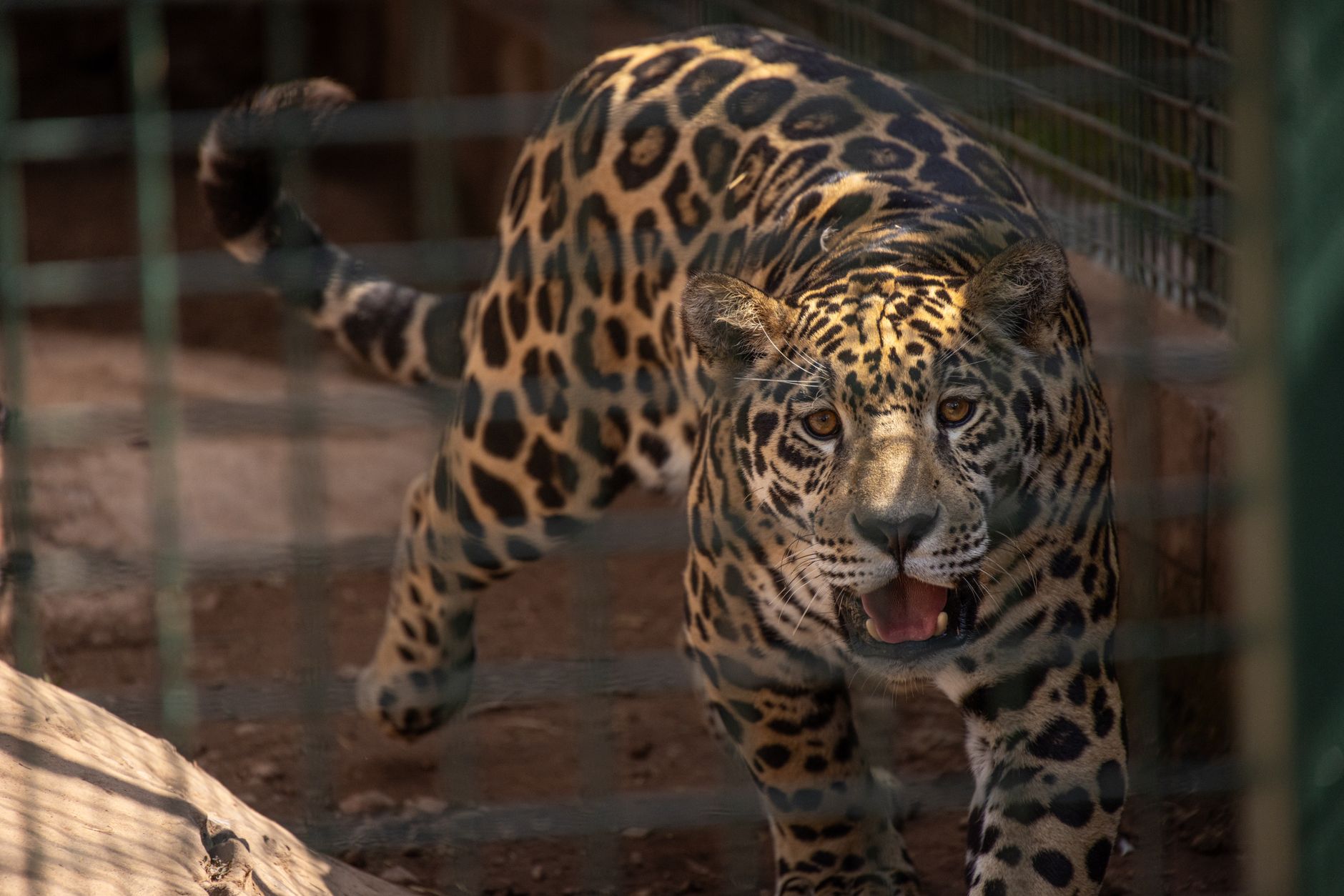
What Animals Do Jaguars Eat?
Jaguars are apex predators with incredibly diverse diets; they eat anything they can catch, ranging from small rodents and fish to large mammals like tapirs and caimans. Their opportunistic hunting style makes them highly adaptable to various environments and prey availability.

Jaguar: The Apex Predator of the Americas
The jaguar ( Panthera onca ) is the largest wild cat in the Americas and a crucial keystone species within its ecosystems. Their presence influences prey populations and maintains ecological balance. Understanding what animals do jaguars eat is essential for comprehending their role in the food web and informing conservation efforts. These powerful cats are known for their distinctive spotted coats, incredible strength, and a bite force that is among the strongest of all felines. They inhabit a wide range of habitats, from dense rainforests to open savannas, and their diet reflects this adaptability.

What is the GREY African clawed frog?
Is distilled water good for goldfish?
What colours are fish most attracted to?
Can you put your finger in a trout's mouth?
The Diverse Diet of the Jaguar

What animals do jaguars eat? The answer is varied and fascinating. As opportunistic predators, they are not particularly picky and will hunt a wide array of species depending on availability and ease of capture. This flexibility is one of the reasons they have survived in diverse environments. They are not specialized hunters targeting only a few species; instead, they are generalists who exploit whatever resources are available. Their diet can vary significantly from region to region.
Key Prey Species
While jaguars will consume a broad range of animals, some species form the core of their diet in many areas:
- Capybara: These large rodents are a frequently targeted prey item, especially in wetland areas.
- Caiman: Jaguars are one of the few predators capable of hunting and killing caimans, demonstrating their immense strength.
- Peccary: These pig-like mammals are another common prey item, particularly in forested areas.
- Tapir: The largest land mammal in South America, the tapir represents a significant source of food for jaguars.
- Deer: Various species of deer are also important prey, particularly in areas where other large mammals are scarce.
Hunting Strategies and Techniques
Jaguars are stalk-and-ambush predators. They typically lie in wait, concealed in dense vegetation, and then launch a surprise attack on unsuspecting prey. Unlike many other big cats, jaguars often kill their prey with a powerful bite to the head or neck, sometimes even piercing the skull. This technique is particularly effective against heavily armored prey like caimans and turtles. They are also skilled swimmers and are known to hunt fish and other aquatic animals.
Regional Variations in Diet
The diet of a jaguar can vary considerably depending on its location. For example:
- Pantanal (Brazil): In this vast wetland region, jaguars frequently prey on capybaras, caimans, and fish.
- Amazon Rainforest: Here, they might target peccaries, tapirs, monkeys, and various birds.
- Central America: Deer, peccaries, and armadillos may constitute a significant portion of their diet.
The Role of Jaguars in the Ecosystem
Jaguars are vital to maintaining the health and stability of their ecosystems. By preying on a variety of animals, they help regulate populations and prevent any one species from becoming overabundant. This, in turn, helps maintain biodiversity and prevents imbalances that could negatively impact the entire ecosystem. As apex predators, their presence indicates a healthy and functioning environment.
Conservation Implications
Understanding what animals do jaguars eat is crucial for effective conservation strategies. Protecting jaguar populations requires ensuring that they have access to a sufficient and diverse prey base. Habitat loss and fragmentation can reduce prey availability, leading to increased conflict with humans as jaguars are forced to hunt livestock. Conservation efforts must focus on protecting jaguar habitat and managing prey populations sustainably.
Jaguar Diet: A Summary
| Prey Animal | Habitat | Region | Importance to Jaguar Diet |
|---|---|---|---|
| Capybara | Wetlands | South America | High |
| Caiman | Wetlands | South America | High |
| Peccary | Forests | Central & South America | Medium |
| Tapir | Forests | South America | Medium |
| Deer | Forests & Savannas | Central & South America | Medium |
| Armadillo | Various | Central & South America | Low |
| Monkeys | Forests | South America | Low |
| Fish | Rivers & Wetlands | Central & South America | Low |
Frequently Asked Questions (FAQs)
What is the most common prey for jaguars?
While it varies by region, capybaras are often cited as one of the most frequently consumed prey items, particularly in wetland habitats like the Pantanal. This is due to their abundance and relatively slow movements, making them easier targets for jaguars.
Do jaguars eat humans?
Attacks on humans are extremely rare. Jaguars generally avoid humans, and most reported incidents are cases of mistaken identity or provoked attacks. However, habitat encroachment and declining prey populations can increase the likelihood of human-jaguar conflict.
Do jaguars eat birds?
Yes, jaguars are known to eat birds. While birds are not a primary food source, jaguars will opportunistically prey on them, especially ground-dwelling birds or those nesting close to the ground.
Do jaguars eat fish?
Yes, jaguars are skilled swimmers and are known to hunt fish in rivers and wetlands. This is especially important in areas where other prey may be scarce or seasonally unavailable.
Do jaguars eat cattle or livestock?
Unfortunately, jaguars sometimes prey on cattle and other livestock, particularly when their natural prey base is depleted due to habitat loss or overhunting. This can lead to conflict with ranchers and pose a significant threat to jaguar populations.
How often do jaguars need to eat?
The frequency with which jaguars need to eat depends on the size of their prey. They can go several days without eating after consuming a large animal like a tapir or caiman. Smaller prey requires more frequent kills.
Do jaguars bury their kills like leopards?
While not as common as in leopards, jaguars may occasionally cache or partially bury their kills, especially larger prey, to protect them from scavengers. This allows them to return and feed on the carcass over several days.
Are jaguars picky eaters?
No, jaguars are not picky eaters. They are opportunistic predators and will consume a wide variety of animals, demonstrating their adaptability to different environments.
Do jaguars hunt alone or in groups?
Jaguars are typically solitary hunters. They prefer to hunt alone, relying on their stealth and powerful bite to subdue prey. Group hunting is exceptionally rare.
How do jaguars kill caiman?
Jaguars are one of the few predators capable of successfully hunting caiman. They typically kill them with a powerful bite to the back of the head or neck, often crushing the skull.
What impact does deforestation have on jaguar diets?
Deforestation directly impacts jaguar diets by reducing the availability of their natural prey. As forests are cleared, prey animals lose their habitat and become scarcer, forcing jaguars to seek alternative food sources, including livestock.
How can we help protect jaguar populations and their prey?
Protecting jaguar populations and their prey requires a multi-faceted approach, including:
- Conserving and restoring jaguar habitat
- Implementing sustainable land management practices
- Reducing human-wildlife conflict through compensation programs and education
- Supporting anti-poaching efforts to protect both jaguars and their prey.