
What Animals Are Immune to Rattlesnake Venom?
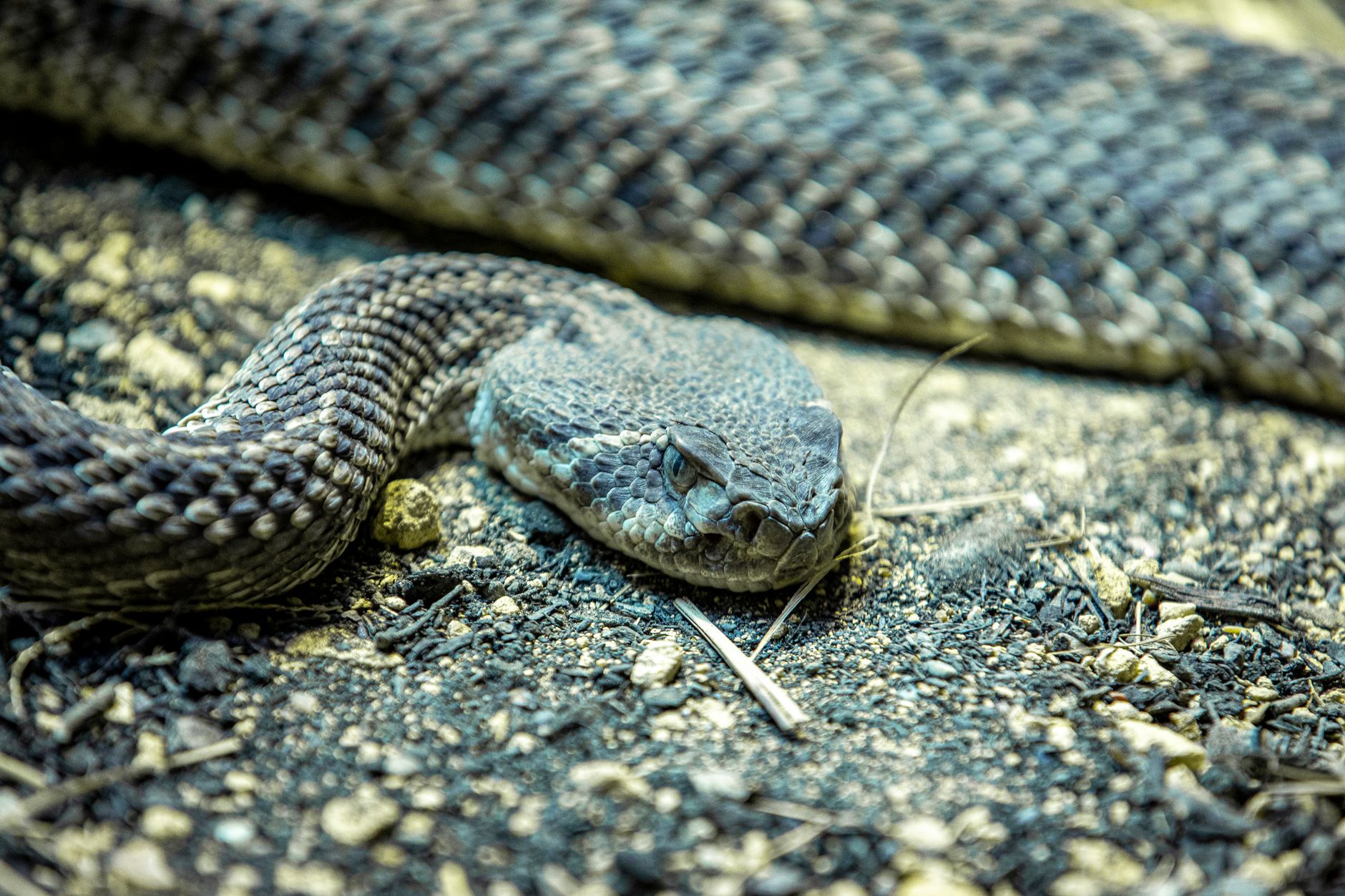
Several animals have evolved varying degrees of resistance or immunity to rattlesnake venom. Rattlesnake venom resistance is not absolute immunity; instead, it often involves physiological adaptations that mitigate the venom’s effects, allowing the animal to survive envenomation.

Rattlesnake Venom: A Primer
Rattlesnakes, iconic members of the pit viper family, are equipped with a potent venom delivered through specialized fangs. This venom is a complex cocktail of enzymes, proteins, and toxins designed to immobilize and digest prey. Understanding the composition and action of rattlesnake venom is crucial to appreciating how certain animals have evolved resistance to it. The venom typically contains:
- Hemotoxins: These damage blood cells and disrupt blood clotting.
- Myotoxins: These cause muscle tissue damage.
- Cytotoxins: These cause localized tissue necrosis.
- Neurotoxins: While less common in rattlesnake venom than in other snake venoms, they can still affect nerve function in certain species.
The specific composition of rattlesnake venom can vary depending on the species, geographic location, and even individual snake. This variability adds complexity to the challenge of evolving resistance.

What is the GREY African clawed frog?
Is distilled water good for goldfish?
What colours are fish most attracted to?
Can you put your finger in a trout's mouth?
Mechanisms of Resistance

What animals are immune to rattlesnake venom? The answer lies in diverse evolutionary adaptations. Resistance isn’t always complete immunity; it often involves minimizing the venom’s impact. Key mechanisms include:
-
Venom Neutralizing Antibodies: Some animals produce antibodies that bind to venom components, neutralizing their toxicity. This is a complex process that requires the immune system to recognize and respond to specific venom proteins.
-
Modified Venom Targets: Changes in the molecular structure of target proteins (e.g., receptors, enzymes) can prevent venom components from binding effectively. This reduces the venom’s ability to exert its toxic effects.
-
Physiological Adaptations: Certain animals have evolved physiological adaptations that help them tolerate venom’s effects. This might include enhanced blood clotting factors or mechanisms to repair tissue damage more efficiently.
-
Behavioral Strategies: Although not strictly immunity, some animals avoid rattlesnake bites through alertness and agility. Quick reflexes and the ability to detect and avoid snakes significantly reduce the risk of envenomation.
Key Resistant Animals
Several species exhibit remarkable resistance to rattlesnake venom, often due to a combination of the mechanisms described above. These animals often coexist with rattlesnakes, creating selective pressure for the development of resistance.
-
Opossums: Perhaps the most well-known example, opossums possess a venom-neutralizing protein called lethal toxin-neutralizing factor (LTNF) in their blood. This protein binds to and neutralizes a wide range of snake venoms, including rattlesnake venom.
-
Ground Squirrels: Certain species of ground squirrels, particularly those in rattlesnake-prone areas, have evolved resistance to rattlesnake venom. Their resistance involves a combination of venom-neutralizing antibodies and modified venom targets. They also exhibit behavioral adaptations like throwing dirt at snakes.
-
Roadrunners: Roadrunners are known for their speed and agility, which allows them to avoid rattlesnake bites. However, they also have a degree of resistance to venom, although the mechanisms are not fully understood.
-
Badgers: Badgers possess thick, loose skin and a high pain threshold, which reduces the impact of rattlesnake bites. While not completely immune, they can often survive envenomation with minimal effects.
-
Kingsnakes: These snakes are immune to the venom of rattlesnakes and other pit vipers. This immunity allows them to prey on rattlesnakes without suffering the consequences of envenomation. Their resistance is attributed to both venom-neutralizing antibodies and modifications to their venom targets.
| Animal | Resistance Mechanism(s) |
|---|---|
| Opossum | Venom-neutralizing protein (LTNF) |
| Ground Squirrel | Venom-neutralizing antibodies, modified venom targets |
| Roadrunner | Physical agility, possibly some venom resistance |
| Badger | Thick skin, high pain tolerance |
| Kingsnake | Venom-neutralizing antibodies, modified venom targets |
The Evolutionary Arms Race
The development of rattlesnake venom resistance is an example of an evolutionary arms race. As rattlesnakes evolve more potent venoms, their prey and competitors evolve corresponding resistance mechanisms. This constant back-and-forth drives the evolution of both venom and resistance, leading to increasingly complex adaptations.
Implications for Human Medicine
Research into rattlesnake venom resistance in animals has potential implications for human medicine. Understanding the mechanisms underlying resistance could lead to the development of new antivenoms and therapies for snakebite victims. For example, LTNF, the venom-neutralizing protein found in opossums, is being investigated as a potential source of novel antivenom agents.
Frequently Asked Questions (FAQs)
What exactly does “immunity” mean in the context of rattlesnake venom?
Immunity, in this context, usually refers to resistance rather than complete invulnerability. It implies that the animal can survive and often thrive despite being bitten by a rattlesnake, although it might still experience some negative effects. This resistance is often achieved through a combination of physiological and behavioral adaptations.
How common is it for animals to be immune to rattlesnake venom?
While some degree of resistance or tolerance is relatively common in animals that coexist with rattlesnakes, true immunity is rare. Many animals rely on avoidance or other strategies to minimize the risk of envenomation.
Are humans immune to rattlesnake venom?
No, humans are not immune to rattlesnake venom. Without medical treatment (antivenom), rattlesnake bites can be life-threatening.
Can a rattlesnake’s own venom hurt itself?
Rattlesnakes possess internal mechanisms that protect them from their own venom. The specifics are still studied, but they are not generally harmed by their own venom internally.
Are all rattlesnakes equally venomous?
No, different species of rattlesnakes have varying venom potency and composition. The severity of a bite depends on the species, the size of the snake, and the amount of venom injected.
What makes opossums so resistant to rattlesnake venom?
Opossums possess a unique protein called lethal toxin-neutralizing factor (LTNF) in their blood. This protein binds to and neutralizes a wide range of snake venoms, including rattlesnake venom, making them highly resistant.
How do ground squirrels protect themselves from rattlesnakes?
Ground squirrels employ a combination of strategies, including venom-neutralizing antibodies, modified venom targets, and behavioral adaptations like throwing dirt at snakes to distract them.
Does age affect an animal’s resistance to rattlesnake venom?
In some cases, age can play a role. For example, young ground squirrels may be more vulnerable to rattlesnake venom than adults, as their immune systems have not yet fully developed.
Can rattlesnake venom resistance be passed down to offspring?
Yes, the genetic basis for venom resistance can be inherited. Offspring of resistant animals are more likely to possess the genes that confer resistance to rattlesnake venom.
Is it possible to build immunity to rattlesnake venom through repeated exposure?
While it is theoretically possible to develop some degree of acquired immunity through repeated exposure to small doses of venom, this is extremely dangerous and not recommended. The risks of serious injury or death far outweigh any potential benefits.
Besides the animals mentioned, are there any other species known to be resistant to rattlesnake venom?
Several other species exhibit varying degrees of resistance, including certain species of birds, rodents, and reptiles. Research into venom resistance is ongoing, and new discoveries are constantly being made.
What is the future of research into rattlesnake venom resistance?
Future research will likely focus on identifying the specific genes and proteins that confer venom resistance, as well as exploring the potential for using these mechanisms to develop new antivenoms and therapies for snakebite victims. Understanding the evolutionary arms race between rattlesnakes and their prey will continue to be a fruitful area of study.