

Why Is My Cat Flea Spray Not Working? A Deep Dive
Are you struggling with fleas despite using flea spray on your cat? The lack of efficacy in your flea spray could be due to several factors, ranging from incorrect application to resistant flea populations and inadequate environmental control.

Understanding Flea Infestations in Cats
Fleas are a common problem for cat owners. These tiny, wingless parasites feed on blood, causing intense itching, skin irritation, and potential allergic reactions in your feline companion. A flea infestation can quickly escalate if left untreated, leading to discomfort for your cat and a frustrating battle for you. The life cycle of a flea is crucial to understanding why your flea spray might not be working. This cycle includes:
- Eggs: Flea eggs are laid on the host and easily fall off into the environment.
- Larvae: Larvae hatch from eggs and feed on organic debris in carpets, cracks, and crevices.
- Pupae: Larvae develop into pupae, which are encased in a protective cocoon. Pupae can remain dormant for months, waiting for the right conditions (vibrations, heat, carbon dioxide) to emerge.
- Adult Fleas: Adult fleas emerge from the pupae and immediately seek a host for a blood meal.
This complex life cycle means that simply killing the adult fleas on your cat is often not enough to eliminate the infestation.
Common Reasons Your Cat Flea Spray Is Ineffective
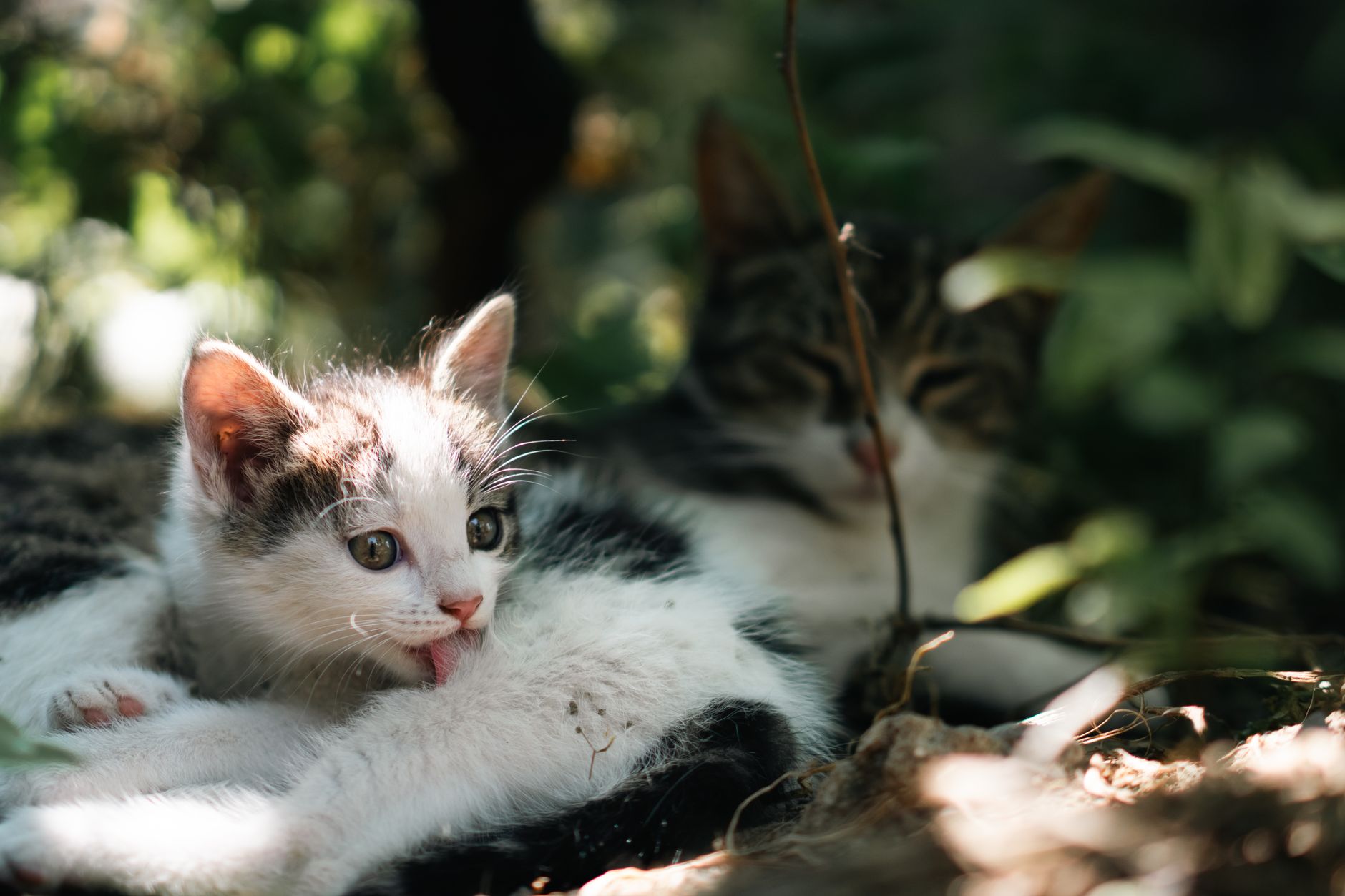
Several reasons can contribute to the failure of your cat flea spray. It’s essential to consider these factors when addressing a persistent flea problem. Why is my cat flea spray not working? Let’s examine some possibilities:
- Incorrect Application: Applying the spray unevenly or using an insufficient amount can leave fleas unaffected.
- Expired or Ineffective Product: Flea sprays have expiration dates. An expired product may lose its potency.
- Flea Resistance: Flea populations can develop resistance to certain insecticides over time.
- Re-infestation from the Environment: Untreated areas in your home can harbor flea eggs, larvae, and pupae, leading to constant re-infestation.
- Incomplete Treatment: Focusing solely on your cat and neglecting other pets or the environment can hinder success.
- Underlying Skin Conditions: If your cat has an underlying skin condition, such as allergies, the flea spray may not be as effective, and the cat may experience increased skin sensitivity.
- Improper Storage: Storing the flea spray in a hot or humid environment can degrade its active ingredients.
Best Practices for Applying Flea Spray
Proper application is crucial for maximizing the effectiveness of flea spray. Follow these guidelines:
- Read the Label Carefully: Always read and follow the manufacturer’s instructions on the product label.
- Protect Yourself: Wear gloves and eye protection during application.
- Apply Outdoors or in a Well-Ventilated Area: This prevents inhalation of the spray.
- Spray Evenly: Coat your cat’s entire coat, avoiding the eyes, nose, and mouth.
- Massage into the Coat: Gently massage the spray into your cat’s fur to ensure it reaches the skin.
- Repeat as Directed: Reapply the spray according to the recommended schedule on the label.
- Monitor for Adverse Reactions: Observe your cat for any signs of skin irritation, excessive drooling, or lethargy after application. If any adverse reactions occur, contact your veterinarian immediately.
The Importance of Environmental Control
Treating your cat alone is rarely sufficient to eliminate a flea infestation. You must also address the environment where your cat spends time.
- Vacuum Thoroughly: Vacuum carpets, rugs, upholstery, and cracks and crevices regularly, especially where your cat sleeps or spends time.
- Wash Bedding: Wash your cat’s bedding, your own bedding, and any other soft furnishings in hot water.
- Use Environmental Sprays or Foggers: Apply flea sprays or foggers specifically designed for indoor use, following the instructions carefully.
- Treat Outdoor Areas: If your cat spends time outdoors, treat areas where they rest or play with appropriate outdoor flea control products.
- Consider Professional Pest Control: In severe infestations, professional pest control services may be necessary.
When to Consult Your Veterinarian
If you have tried multiple flea control methods and are still struggling with a flea infestation, it’s time to consult your veterinarian. They can help determine the underlying cause of the infestation and recommend the most effective treatment options for your cat. They can also address any underlying skin conditions that may be contributing to the problem.
| Reason | Veterinarian Can Help With |
|---|---|
| Persistent Infestation | Recommend stronger or alternative flea control products, diagnose and treat underlying skin conditions. |
| Suspected Flea Allergy | Perform allergy testing and prescribe medication to manage allergic reactions. |
| Adverse Reactions | Provide treatment for adverse reactions to flea control products. |
| Concerns About Safety | Advise on the safest flea control options for your cat, especially if they have pre-existing health conditions or are pregnant/nursing. |
Understanding Flea Resistance
Flea resistance to insecticides is a growing concern. Over time, flea populations can develop resistance to certain active ingredients, making those products less effective. Why is my cat flea spray not working? Resistance is a significant contributing factor.
- Mechanism of Resistance: Fleas can develop resistance through various mechanisms, including changes in their nervous system or increased metabolism of the insecticide.
- Impact on Treatment: Resistance can make it difficult to control flea infestations with traditional flea sprays and other products.
- Management Strategies: To combat resistance, it’s essential to use a variety of flea control products with different active ingredients, rotate products regularly, and focus on integrated pest management strategies.
Alternative Flea Control Methods
In addition to flea sprays, several other flea control methods are available. These include:
- Topical Treatments: Spot-on treatments applied to the skin.
- Oral Medications: Pills or chews that kill fleas.
- Flea Collars: Collars that release insecticide or insect growth regulators.
- Flea Combs: Combs used to remove fleas and flea dirt from your cat’s coat.
- Diatomaceous Earth: A natural powder that can kill fleas. (Use food-grade and apply carefully to avoid inhalation.)
Choosing the right flea control method depends on your cat’s individual needs, lifestyle, and sensitivity to different products.
Safety Considerations When Using Flea Sprays
Safety is paramount when using flea sprays on your cat.
- Choose Safe Products: Select flea sprays specifically formulated for cats and avoid products that contain ingredients that are toxic to felines.
- Follow Instructions Carefully: Always read and follow the manufacturer’s instructions on the product label.
- Monitor for Adverse Reactions: Observe your cat for any signs of skin irritation, excessive drooling, or lethargy after application.
- Keep Out of Reach of Children and Pets: Store flea sprays in a secure location out of reach of children and other pets.
- Avoid Using on Young Kittens: Flea sprays may not be safe for very young kittens. Consult your veterinarian for safe flea control options for kittens.

Frequently Asked Questions (FAQs)
Why does my cat still have fleas after spraying them?
Even after spraying, fleas may persist if the product wasn’t applied correctly, if there are untreated areas in your home, or if the flea population is resistant to the active ingredient. Thorough application, environmental control, and potentially a different product are needed.
Is it safe to use human flea spray on my cat?
No. Human flea sprays contain ingredients that are toxic to cats. Always use products specifically formulated for cats to avoid serious health problems.
How often should I spray my cat for fleas?
The frequency of spraying depends on the specific product. Always follow the instructions on the product label. Some sprays provide longer-lasting protection than others. Over-spraying can be harmful.
What are the signs that my cat is having a reaction to flea spray?
Signs of a reaction include skin irritation, excessive drooling, vomiting, lethargy, difficulty breathing, or seizures. If you observe any of these signs, contact your veterinarian immediately.
Can fleas live in my bed?
Yes, fleas and their eggs can live in your bed, especially if your cat sleeps with you. Regularly washing your bedding in hot water and vacuuming your mattress are essential.
What is flea dirt, and how do I get rid of it?
Flea dirt is flea feces composed of digested blood. It appears as small, dark specks. Remove it by bathing your cat and using a flea comb. Thoroughly vacuuming the areas where your cat spends time also helps.
Why are fleas more active in the summer?
Fleas thrive in warm, humid environments. The ideal temperature for flea development is between 70 and 85 degrees Fahrenheit with high humidity.
What are some natural flea remedies for cats?
Some natural remedies include diatomaceous earth (food-grade only, used with caution), flea combs, and herbal flea collars. However, their effectiveness may vary, and they may not be sufficient for severe infestations. Consult your vet before using natural remedies.
How long can fleas live without a host?
Adult fleas can only survive a few days without a host. However, flea pupae can remain dormant for months, waiting for the right conditions to emerge.
What should I do if my cat is allergic to fleas?
Flea allergy dermatitis (FAD) is a common condition in cats. Your veterinarian can diagnose FAD and prescribe medications to relieve itching and inflammation. Strict flea control is essential to prevent future reactions.
Is it possible to completely get rid of fleas?
Yes, it is possible to completely eliminate fleas with a consistent and comprehensive approach that includes treating your cat, the environment, and any other pets in the household. It requires diligence and persistence.
Why is my cat still itching even after the fleas are gone?
Even after successfully eliminating fleas, your cat may continue to itch due to irritation from flea bites, underlying skin conditions, or behavioral issues. Consult your veterinarian to rule out other causes and receive appropriate treatment.