

What Animals Are Abandoned the Most? A Deep Dive
The shocking reality is that dogs and cats are consistently the most abandoned animals worldwide, due in large part to overpopulation, economic hardship, and a lack of responsible pet ownership. This article explores the factors contributing to pet abandonment and offers insights into addressing this pervasive issue.
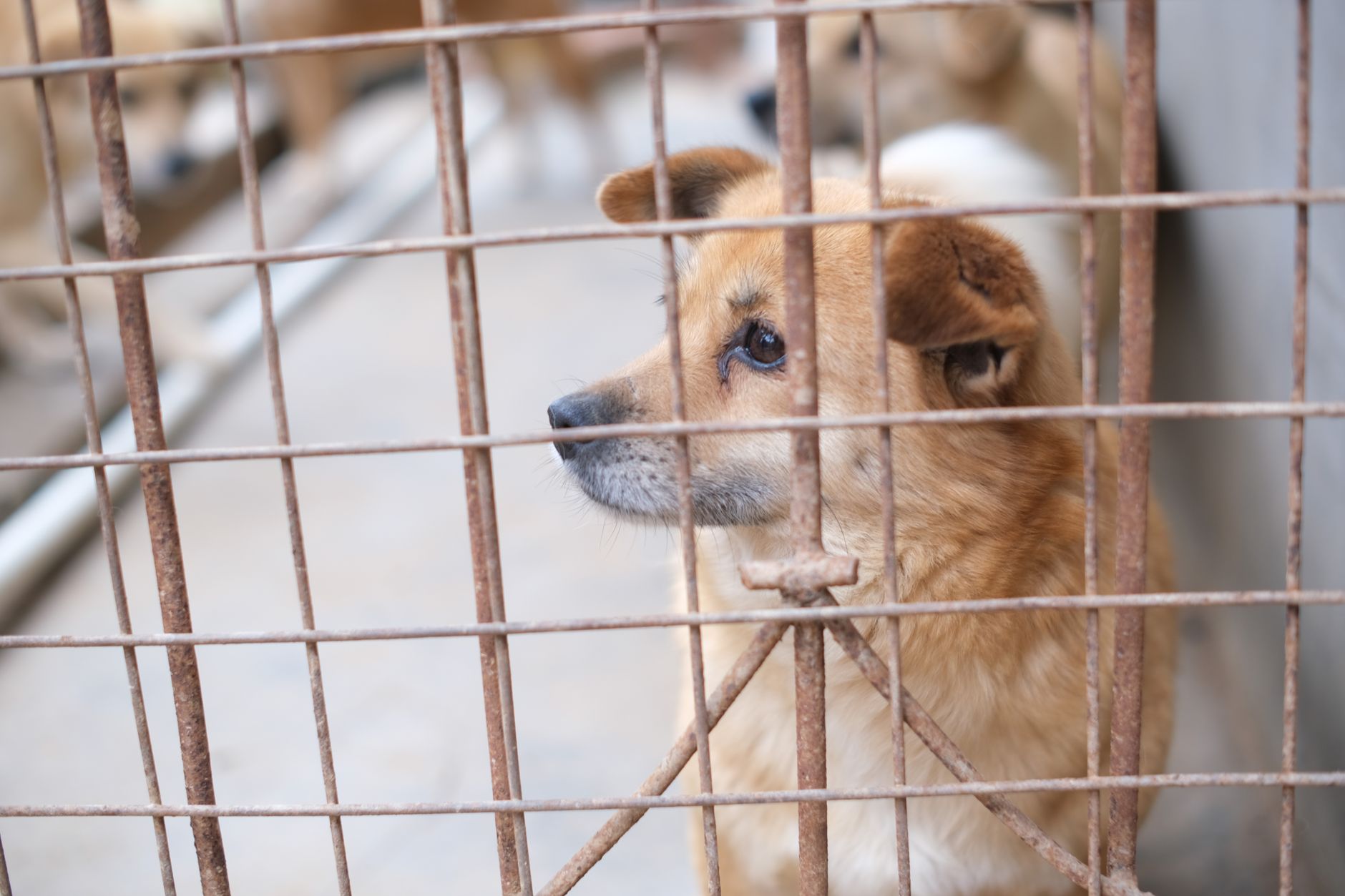
The Alarming Reality of Pet Abandonment
Pet abandonment is a global crisis, impacting countless animals each year. Understanding the scope of the problem and the underlying causes is crucial to finding effective solutions. From shelters overflowing with unwanted pets to animals struggling to survive on the streets, the consequences of abandonment are devastating. What animals are abandoned the most? The answer, unfortunately, points to our most common companions.
What is the GREY African clawed frog?
Is distilled water good for goldfish?
Can you put your finger in a trout's mouth?
Is methylene blue anti bacterial?
Factors Contributing to Animal Abandonment
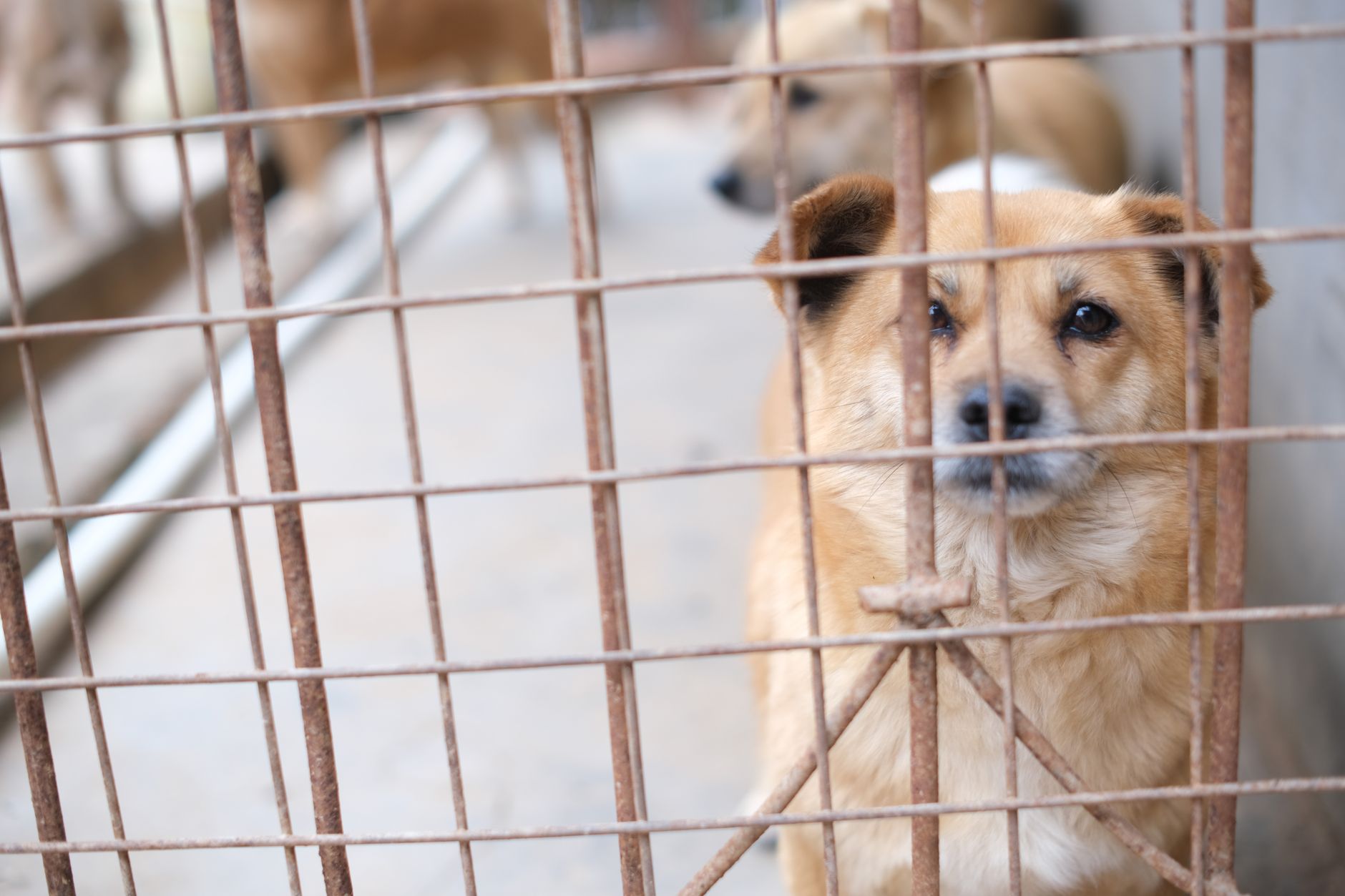
Numerous factors contribute to the abandonment of animals. These range from economic pressures to a lack of understanding about pet ownership responsibilities.
- Economic hardship: Job loss, housing instability, and rising costs of living can force families to make difficult decisions about their pets.
- Lack of education: Many people underestimate the time, effort, and financial commitment required to care for an animal properly.
- Behavioral issues: Untrained or poorly socialized animals may exhibit behaviors that owners find challenging, leading to abandonment.
- Unplanned litters: Failure to spay or neuter pets contributes to overpopulation and increases the likelihood of unwanted animals being abandoned.
- Moving: People moving to places that don’t allow pets can unfortunately leave them behind.
- Changing lifestyles: Changes in family dynamics, such as divorce or the arrival of a new baby, can sometimes lead to pet abandonment.
The Dominant Numbers: Dogs and Cats
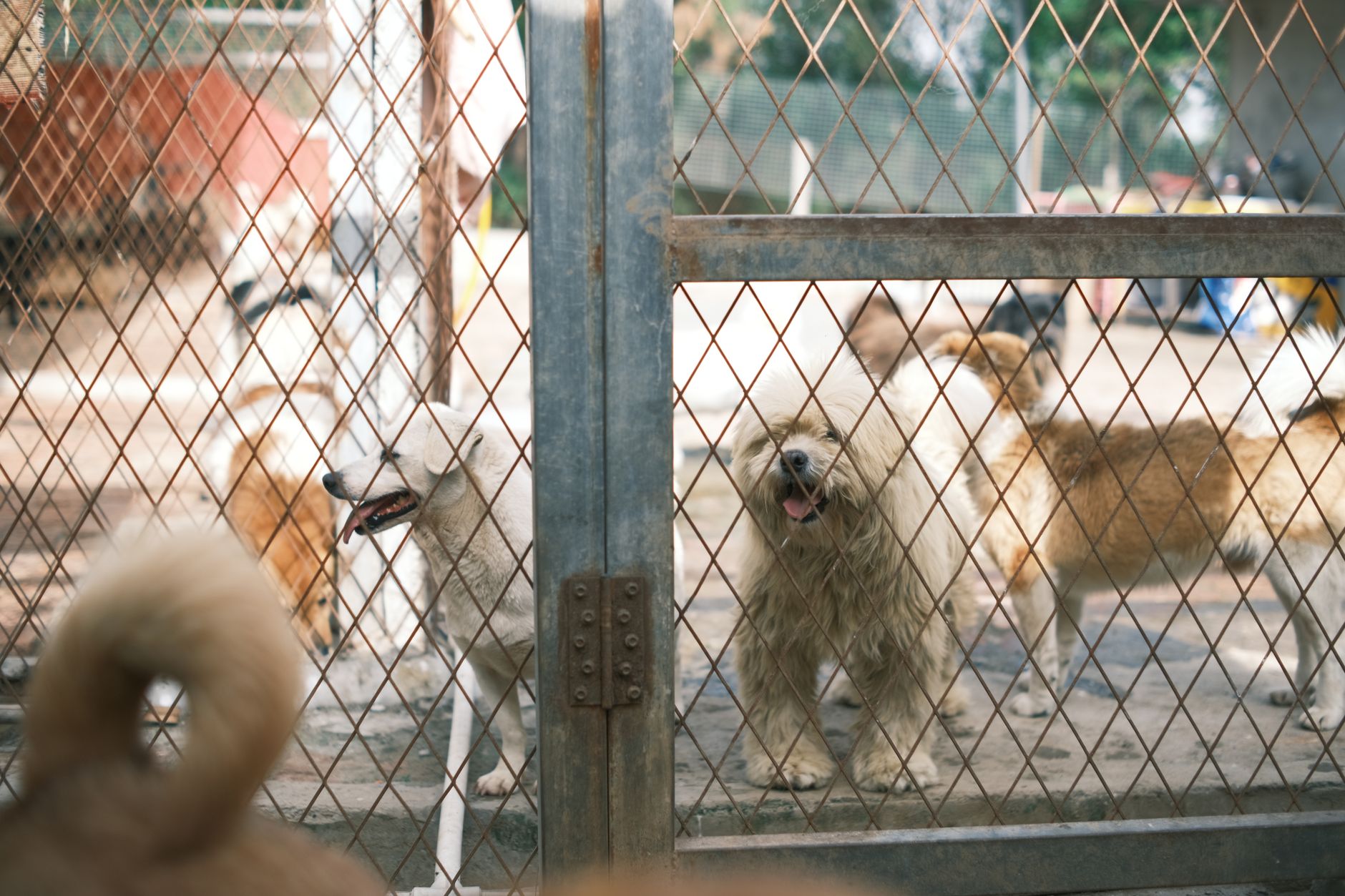
While various animals face abandonment, dogs and cats consistently top the list. Their popularity as pets also means they are more vulnerable when circumstances change.
- Dogs: Specific breeds, such as pit bulls, may face higher abandonment rates due to breed-specific legislation and negative stereotypes. Older dogs and dogs with health issues are also at higher risk.
- Cats: Feral cat populations contribute significantly to the overall problem. Unspayed/unneutered cats reproduce rapidly, resulting in countless kittens born into homelessness.
Other Animals Facing Abandonment
While dogs and cats are the most frequently abandoned, other animals also suffer this fate.
- Rabbits: Often acquired as Easter gifts, rabbits are frequently abandoned when their owners realize the commitment involved in their care.
- Small mammals: Hamsters, guinea pigs, and other small mammals are sometimes released into the wild, where they are unlikely to survive.
- Reptiles and amphibians: Exotic pets like snakes, lizards, and turtles are often abandoned when owners become overwhelmed by their specialized needs.
- Birds: Parrots and other pet birds can be abandoned due to noise, behavioral problems, or the owner’s inability to provide proper care.
The Consequences of Animal Abandonment
The consequences of abandonment are dire, both for the animals themselves and for the communities they inhabit.
- Animal suffering: Abandoned animals face starvation, disease, injury, and exposure to the elements. They are also vulnerable to predators and traffic accidents.
- Overpopulation: Abandoned animals contribute to overpopulation, exacerbating the problem and straining the resources of shelters and rescue organizations.
- Public health concerns: Stray animals can pose public health risks, carrying diseases like rabies and spreading parasites.
- Environmental impact: Some abandoned animals can become invasive species, disrupting local ecosystems.
What Can Be Done to Combat Animal Abandonment?
Addressing animal abandonment requires a multi-faceted approach involving education, legislation, and community support.
- Promote responsible pet ownership: Educate people about the responsibilities of pet ownership, including the time, effort, and financial commitment involved.
- Encourage spaying and neutering: Make spaying and neutering accessible and affordable to reduce overpopulation and prevent unwanted litters.
- Support shelters and rescue organizations: Donate time, money, or resources to shelters and rescue organizations that provide care for abandoned animals.
- Advocate for stricter animal welfare laws: Support legislation that holds pet owners accountable for abandonment and neglect.
- Consider adoption: Choose to adopt a pet from a shelter or rescue organization rather than purchasing from a breeder.
- Provide accessible resources: Offer low-cost veterinary care, pet food assistance programs, and behavioral training resources to help pet owners overcome challenges.
Addressing Common Misconceptions
Many misconceptions surround animal abandonment, hindering efforts to address the problem effectively.
- Myth: Abandoned animals can easily fend for themselves.
- Reality: Most domesticated animals lack the skills necessary to survive in the wild.
- Myth: Shelters are always full and overcrowded.
- Reality: While many shelters are facing capacity issues, the more adoptions occur, the more space opens up for new animals needing care.
- Myth: Animal abandonment is not a serious problem.
- Reality: Animal abandonment is a widespread issue with devastating consequences for animals, communities, and the environment.
| Action | Benefit |
|---|---|
| Spay/Neuter | Reduces overpopulation, lowers risk of certain diseases |
| Responsible Pet Ownership | Prevents behavioral problems, ensures animal well-being |
| Adoption | Provides a home for a deserving animal, reduces shelter overcrowding |
| Support Shelters | Helps provide care for abandoned animals, promotes adoptions |
Success Stories: Making a Difference
Despite the challenges, there are countless success stories of abandoned animals finding loving homes and second chances. These stories offer hope and inspire others to get involved in animal rescue efforts. Countless organizations and individuals dedicate their lives to rescuing, rehabilitating, and rehoming abandoned animals. These efforts are making a tangible difference in the lives of countless creatures.
Frequently Asked Questions (FAQs) About Animal Abandonment
Why are dogs and cats abandoned more than other animals?
Dogs and cats are abandoned more frequently primarily because they are the most popular pets. Higher numbers translate to greater vulnerability when owners face challenges, leading to a disproportionate number of dogs and cats ending up abandoned compared to less common pets.
What can I do if I find an abandoned animal?
If you find an abandoned animal, prioritize its safety. Contact your local animal shelter or rescue organization immediately. If you can safely contain the animal, provide food and water until help arrives. Do not attempt to handle potentially aggressive animals without professional assistance.
Is it illegal to abandon an animal?
Yes, in most jurisdictions, animal abandonment is illegal and can result in fines, jail time, or both. These laws aim to hold owners accountable for their actions and protect the welfare of animals.
Does breed discrimination play a role in animal abandonment?
Yes, breed discrimination, particularly against breeds like pit bulls, contributes to higher abandonment rates. Breed-specific legislation and negative stereotypes can make it difficult for owners to find housing or insurance, leading to abandonment.
How does economic hardship affect animal abandonment rates?
Economic hardship is a major driver of animal abandonment. When families face financial difficulties, they may struggle to afford pet food, veterinary care, and other essential expenses, leading to the difficult decision to abandon their pets.
What is the impact of overpopulation on animal abandonment?
Overpopulation exacerbates animal abandonment by overwhelming shelters and rescue organizations with animals needing homes. This creates a cycle of abandonment, as fewer resources are available to care for existing animals.
How do unplanned litters contribute to animal abandonment?
Unplanned litters significantly increase the number of unwanted animals, contributing to higher abandonment rates. Spaying and neutering are crucial for preventing unplanned litters and reducing overpopulation.
What role do shelters and rescue organizations play in addressing animal abandonment?
Shelters and rescue organizations play a vital role in caring for abandoned animals. They provide food, shelter, veterinary care, and adoption services, giving abandoned animals a second chance at a loving home.
How can I support local animal shelters and rescue organizations?
You can support local animal shelters and rescue organizations by donating time, money, or resources. Volunteering, fostering, and advocating for animal welfare are also valuable contributions.
What are the long-term effects of animal abandonment on the animal’s well-being?
The long-term effects of animal abandonment on an animal’s well-being can be devastating. Abandoned animals often experience starvation, disease, injury, and psychological trauma, impacting their physical and emotional health.
What resources are available to help pet owners who are struggling to care for their animals?
Many resources are available to help pet owners who are struggling, including low-cost veterinary clinics, pet food banks, and behavioral training programs. These resources can help owners overcome challenges and keep their pets in their homes.
How can educating the public about responsible pet ownership help reduce animal abandonment?
Educating the public about responsible pet ownership is crucial for reducing animal abandonment. By promoting awareness of the responsibilities of pet ownership, we can encourage people to make informed decisions about acquiring pets and provide them with the knowledge and resources to care for them properly, contributing to a reduction in the numbers of “What animals are abandoned the most?”. The reality is that prevention through education significantly reduces the problem in the long run.