
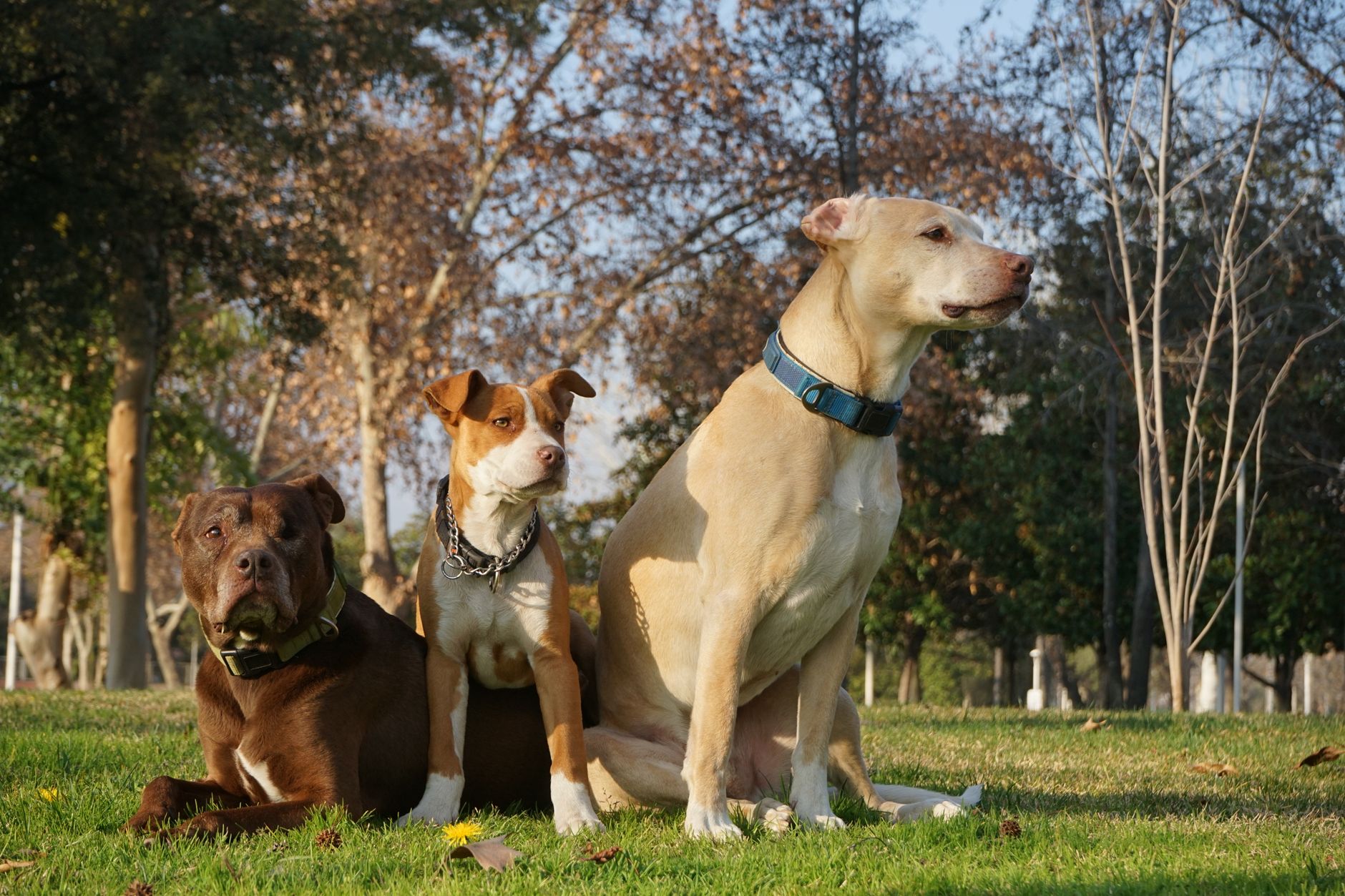
What Age Is a Pitbull Full Grown? Understanding Pit Bull Growth and Maturity
Pit bulls typically reach their full height and length around 12-18 months, but can continue to fill out and gain muscle mass until they are two to three years old.

Pit bulls, often misunderstood and unfairly stigmatized, are powerful and athletic dogs with varying growth patterns. Understanding when a pit bull is considered fully grown is crucial for owners to properly care for their canine companions, adjust training regimes, and manage their diet effectively. This article provides a comprehensive overview of pit bull growth, covering physical maturity, factors influencing growth, and answering frequently asked questions about this often-misunderstood breed.
Defining Full Grown for Pit Bulls
Defining “full grown” isn’t simply about reaching a certain height or weight. It encompasses several developmental stages:
- Skeletal Maturity: When the bones stop growing in length.
- Muscular Development: When muscle mass reaches its peak potential.
- Emotional Maturity: When the dog displays stable and predictable behavior.
While skeletal maturity might occur relatively early, achieving peak muscular development and emotional maturity takes longer. A pit bull might reach its adult height within 18 months, but true physical maturity can extend to around three years of age.

Is distilled water good for goldfish?
What colours are fish most attracted to?
Can you put your finger in a trout's mouth?
Is methylene blue anti bacterial?
Factors Influencing Pit Bull Growth

Several factors influence the rate and extent of a pit bull’s growth:
- Genetics: Just like humans, genetics play a significant role in determining a pit bull’s size and build. Parental size is a good indicator, but not a guarantee.
- Nutrition: A high-quality diet formulated for large-breed puppies is critical for healthy growth. Avoid overfeeding, which can lead to rapid growth and joint problems.
- Exercise: Regular exercise is essential for building muscle and maintaining a healthy weight. However, avoid excessive high-impact activities during the puppy stage to protect developing joints.
- Health: Parasites, infections, and other health issues can stunt growth. Regular veterinary checkups are essential for early detection and treatment.
- Spaying/Neutering: Early spaying or neutering can affect growth plate closure, potentially resulting in a slightly taller dog.
The interaction of these factors determines the final size and build of your pit bull.
Stages of Pit Bull Growth
Understanding the different stages of pit bull growth can help owners provide appropriate care:
- Puppy Stage (0-6 months): Rapid growth phase. Focus on a balanced diet and gentle exercise.
- Adolescent Stage (6-18 months): Growth begins to slow down. Continue with proper nutrition and gradually increase exercise intensity.
- Young Adult Stage (18-36 months): Muscle mass development continues. Maintain a consistent exercise routine and monitor weight.
- Adult Stage (36+ months): Growth stabilizes. Focus on maintaining a healthy weight and providing appropriate exercise for their age.
Common Mistakes in Pit Bull Growth Management
Avoiding common mistakes during a pit bull’s growth is crucial for their long-term health and well-being:
- Overfeeding: This can lead to rapid growth and joint problems, such as hip dysplasia.
- Insufficient Exercise: Lack of exercise can result in muscle atrophy and obesity.
- Excessive High-Impact Exercise (Puppy Stage): This can damage developing joints and lead to arthritis later in life.
- Feeding an Inappropriate Diet: Choosing a diet that is not specifically formulated for large-breed puppies can lead to nutrient deficiencies.
- Neglecting Veterinary Care: Regular checkups are essential for detecting and addressing potential health problems.
Determining When a Pit Bull is Fully Grown
While the age ranges provided serve as a guideline, observing your pit bull’s physical development is the best way to determine when they are fully grown. Look for:
- Stable Weight: Weight gain should slow down considerably.
- Finished Height: They shouldn’t be getting much taller.
- Mature Muscle Mass: Muscle definition should be more pronounced.
- Emotional Stability: A decrease in puppy-like behaviors and an increase in focus during training.
Remember that every dog is an individual, and some may mature faster or slower than others. Consulting with your veterinarian is the best way to assess your pit bull’s growth and development. Knowing what age is a pitbull full grown allows you to better care for your dog.
Frequently Asked Questions (FAQs)
Is there a weight range to determine when a pitbull is fully grown?
While weight can be an indicator, it’s not the sole determining factor. Adult pit bull weights vary greatly depending on genetics, build, and gender. A healthy, fully grown pit bull can weigh anywhere from 30 to 90 pounds. It’s more important to focus on overall physical development and consult with your vet to determine a healthy weight range for your individual dog.
How does neutering or spaying affect the growth of a pitbull?
Early spaying or neutering (before skeletal maturity) can delay the closure of growth plates, leading to slightly taller dogs with longer limbs. This can also potentially increase the risk of certain joint problems. Discuss the optimal timing of spaying or neutering with your veterinarian, considering your dog’s individual needs and lifestyle.
What are the signs of over-exercising a pitbull puppy?
Signs of over-exercising a pit bull puppy include excessive panting, limping, reluctance to walk, and stiffness after exercise. It’s crucial to monitor your puppy closely and adjust exercise levels accordingly. Remember that their joints are still developing, and excessive stress can lead to long-term problems.
What kind of food is best for a growing pitbull puppy?
A high-quality dog food specifically formulated for large-breed puppies is essential. These foods contain the right balance of nutrients, including calcium and phosphorus, to support healthy bone and joint development. Avoid foods with excessive protein levels, as they can contribute to rapid growth and potential joint issues.
How much should I feed my pitbull puppy?
Feeding guidelines vary depending on the brand of food and the puppy’s age and weight. Always follow the manufacturer’s recommendations and adjust as needed to maintain a healthy body condition. Consult with your veterinarian for personalized feeding advice.
What kind of exercise is best for a pitbull puppy?
Gentle exercise, such as short walks on soft surfaces, is ideal for pit bull puppies. Avoid high-impact activities like jumping or running on concrete until their joints are fully developed. Focus on socialization and basic obedience training during the puppy stage.
Can I tell when my pitbull is fully grown just by looking at them?
While visual cues can provide clues, it’s essential to consider other factors as well. Look for a stable weight, finished height, and mature muscle mass. Consulting with your veterinarian is the best way to confirm when your pitbull has reached its full potential.
Are there any health conditions related to rapid growth in pitbulls?
Yes, rapid growth in pit bulls can increase the risk of joint problems, such as hip dysplasia and elbow dysplasia. This is why it’s crucial to feed a balanced diet and avoid overfeeding during the puppy stage.
How does genetics affect the size of a pitbull?
Genetics plays a significant role in determining the size and build of a pit bull. If the parents are large, the puppies are more likely to be large as well. However, genetics is just one factor, and nutrition, exercise, and overall health also play important roles.
What should I do if I suspect my pitbull is not growing properly?
If you suspect your pit bull is not growing properly, consult with your veterinarian immediately. They can perform a physical examination and run tests to determine the underlying cause and recommend appropriate treatment.
How often should I take my pitbull to the vet during their growth period?
Regular veterinary checkups are essential during a pit bull’s growth period. Puppies typically need more frequent visits for vaccinations and parasite prevention. Your veterinarian can also monitor their growth and development and address any potential health concerns.
What if my Pitbull is underweight or overweight at the age when they should be fully grown?
If your pit bull is underweight or overweight around the time they should be fully grown (18 months to 3 years), consult with your veterinarian. They can help determine the underlying cause (e.g., diet, health issues, activity level) and recommend a tailored plan to achieve and maintain a healthy weight. This is important for their long-term health and well-being. It is important to know what age is a pitbull full grown so you can provide the best possible care for your dog.