

Should I Remove a Stillborn Kitten?
The decision to remove a stillborn kitten is emotionally challenging, but the definitive answer is yes, primarily for the health and well-being of the mother cat and any surviving kittens. Leaving a stillborn kitten can lead to serious complications, making timely removal crucial.
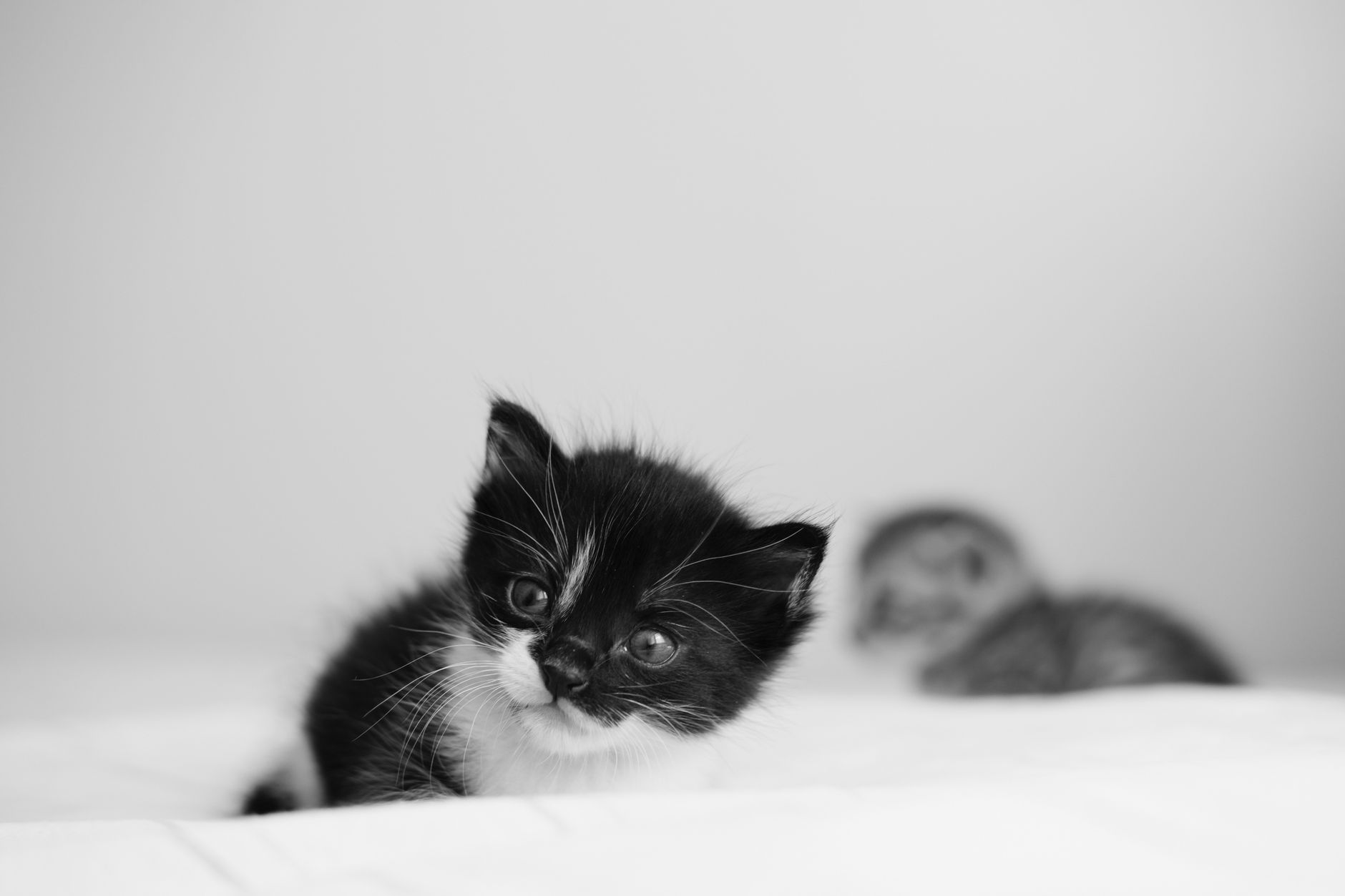
Understanding Stillbirth in Cats
Stillbirth, the birth of a deceased kitten, is a heartbreaking reality for cat breeders and owners. While the causes are varied and sometimes unknown, prompt and appropriate action is essential to prevent potential health risks to the mother cat (queen) and her remaining litter. It’s vital to understand the reasons behind removing a stillborn kitten to appreciate the significance of this decision.
Is distilled water good for goldfish?
What colours are fish most attracted to?
Can you put your finger in a trout's mouth?
Is methylene blue anti bacterial?
Reasons for Removing a Stillborn Kitten

There are several critical reasons why you should remove a stillborn kitten:
- Preventing Infection: A decaying stillborn kitten can become a breeding ground for bacteria. This bacteria can quickly spread to the mother cat, leading to a uterine infection (metritis). Metritis is a serious condition that can be life-threatening if left untreated.
- Protecting the Litter: The infection from the stillborn kitten can also spread to the surviving kittens, making them sick. Young kittens are particularly vulnerable and can succumb to bacterial infections quickly.
- Encouraging Maternal Care: The presence of a dead kitten can sometimes confuse the mother cat. She may spend excessive time trying to care for it, neglecting the living kittens that need her attention and nourishment.
- Emotional Well-being of the Queen: Allowing the queen to grieve and recover is essential. Removing the stillborn kitten allows her to focus on caring for the surviving kittens and allows the grieving process to begin without prolonged exposure to the deceased kitten.
- Hygiene: A deceased kitten will begin to decompose and create an unpleasant odor, attracting flies and further increasing the risk of infection. Removing the source keeps the environment cleaner.
The Removal Process
If you have to remove a stillborn kitten, follow these steps to ensure the safety and well-being of the mother and her surviving kittens:
- Wear Gloves: Always wear disposable gloves to prevent the spread of infection.
- Gently Remove: Carefully and gently remove the stillborn kitten from the nesting area. Avoid causing any unnecessary stress to the mother cat.
- Disposal: Place the kitten in a sealed bag or container for proper disposal. Consult with your veterinarian regarding cremation or burial options if desired.
- Clean the Nesting Area: Thoroughly clean and disinfect the nesting area with a pet-safe disinfectant to eliminate any potential bacteria or pathogens. This is critical to preventing the spread of infection.
- Monitor the Queen: Closely monitor the mother cat for any signs of infection, such as fever, lethargy, loss of appetite, or unusual discharge. Contact your veterinarian immediately if you notice any concerning symptoms.
- Provide Support: Provide extra care and attention to the mother cat and her surviving kittens. Ensure they have access to fresh water, nutritious food, and a comfortable, clean environment.
Common Mistakes to Avoid
- Ignoring the Stillbirth: Failing to remove the stillborn kitten is the most common and dangerous mistake.
- Using Harsh Cleaners: Avoid using harsh chemicals or cleaners in the nesting area, as these can be toxic to the mother cat and kittens.
- Forcing Removal: Never force the queen to give up the stillborn kitten. Gently distract her or lure her away from the kitten before removing it.
- Neglecting Veterinary Care: Failing to seek veterinary advice or treatment if you suspect an infection is also a serious mistake.
Table: Comparing Actions After Stillbirth
| Action | Rationale | Potential Consequences of Ignoring |
|---|---|---|
| Remove Stillborn Kitten | Prevents infection, protects litter, aids queen’s recovery | Metritis, spread of infection to living kittens, neglect of litter |
| Clean Nesting Area | Eliminates bacteria and pathogens | Increased risk of infection and disease |
| Monitor Queen | Detects early signs of infection or complications | Delayed treatment, potentially life-threatening complications |
| Provide Supportive Care | Supports queen’s recovery and kitten’s well-being | Reduced milk production, weakened immune systems in kittens |
FAQs: Stillbirth in Cats
Why did my cat have a stillborn kitten?
There are many potential causes of stillbirth in cats, including genetic defects, infections, trauma, nutritional deficiencies, and underlying health conditions. Often, the exact cause remains unknown.
Is it safe to let the mother cat see the stillborn kitten after it’s been born?
Allowing the mother cat to briefly see the stillborn kitten is acceptable in some cases, as it can help her process the loss. However, it’s crucial to remove the kitten soon after to prevent the risk of infection or prolonged distress.
How long after giving birth can a stillborn kitten cause an infection?
An infection can develop very quickly after the birth of a stillborn kitten, sometimes within a few hours. The warmer the environment, the faster the decomposition and bacterial growth. Therefore, prompt removal and cleaning are essential.
What are the signs of metritis (uterine infection) in a cat?
Signs of metritis include fever, lethargy, loss of appetite, foul-smelling vaginal discharge, and reluctance to care for her kittens. If you notice any of these signs, seek veterinary attention immediately.
Can a cat get depressed after having a stillborn kitten?
Yes, cats can experience grief and depression after the loss of a kitten. Providing extra attention, comfort, and a supportive environment can help her cope with the loss. Consult your veterinarian if you notice prolonged depression or changes in behavior.
Should I breed my cat again if she had a stillborn kitten?
The decision to breed your cat again after a stillbirth depends on the underlying cause. If the stillbirth was due to a genetic defect or underlying health condition, breeding her again may not be advisable. Consult with your veterinarian to determine the best course of action.
How can I prevent stillbirths in future litters?
Preventing stillbirths entirely is not always possible. However, you can minimize the risk by ensuring your cat receives proper nutrition, regular veterinary care, and a safe, stress-free environment during pregnancy. Genetic testing may also be advisable to rule out hereditary conditions.
What if my cat refuses to let me take the stillborn kitten?
If your cat is overly protective of the stillborn kitten, try to distract her with food or a toy. If she still refuses, contact your veterinarian for assistance. They may be able to provide a calming medication or advice on how to safely remove the kitten.
How should I dispose of a stillborn kitten?
You can dispose of a stillborn kitten by burying it in your yard (if local regulations allow), cremating it, or taking it to your veterinarian for disposal. Some veterinary clinics also offer cremation services.
Is it possible to determine the cause of a stillbirth?
In some cases, a necropsy (animal autopsy) can help determine the cause of a stillbirth. Discuss this option with your veterinarian if you are concerned about the possibility of a genetic defect or underlying health condition.
What can I do to support my cat emotionally after a stillbirth?
Provide your cat with plenty of attention, comfort, and a quiet, safe space to rest. Offer her favorite treats and toys, and avoid any stressful situations. Consider using pheromone diffusers or sprays to help reduce anxiety and promote relaxation.
What if I find multiple stillborn kittens in the litter?
If you find multiple stillborn kittens in the litter, it’s even more critical to remove them promptly and consult with your veterinarian immediately. This could indicate a more serious underlying problem that requires immediate attention. You should remove a stillborn kitten as soon as possible.