

Should I Eat a Banana Before Bed? A Deep Dive
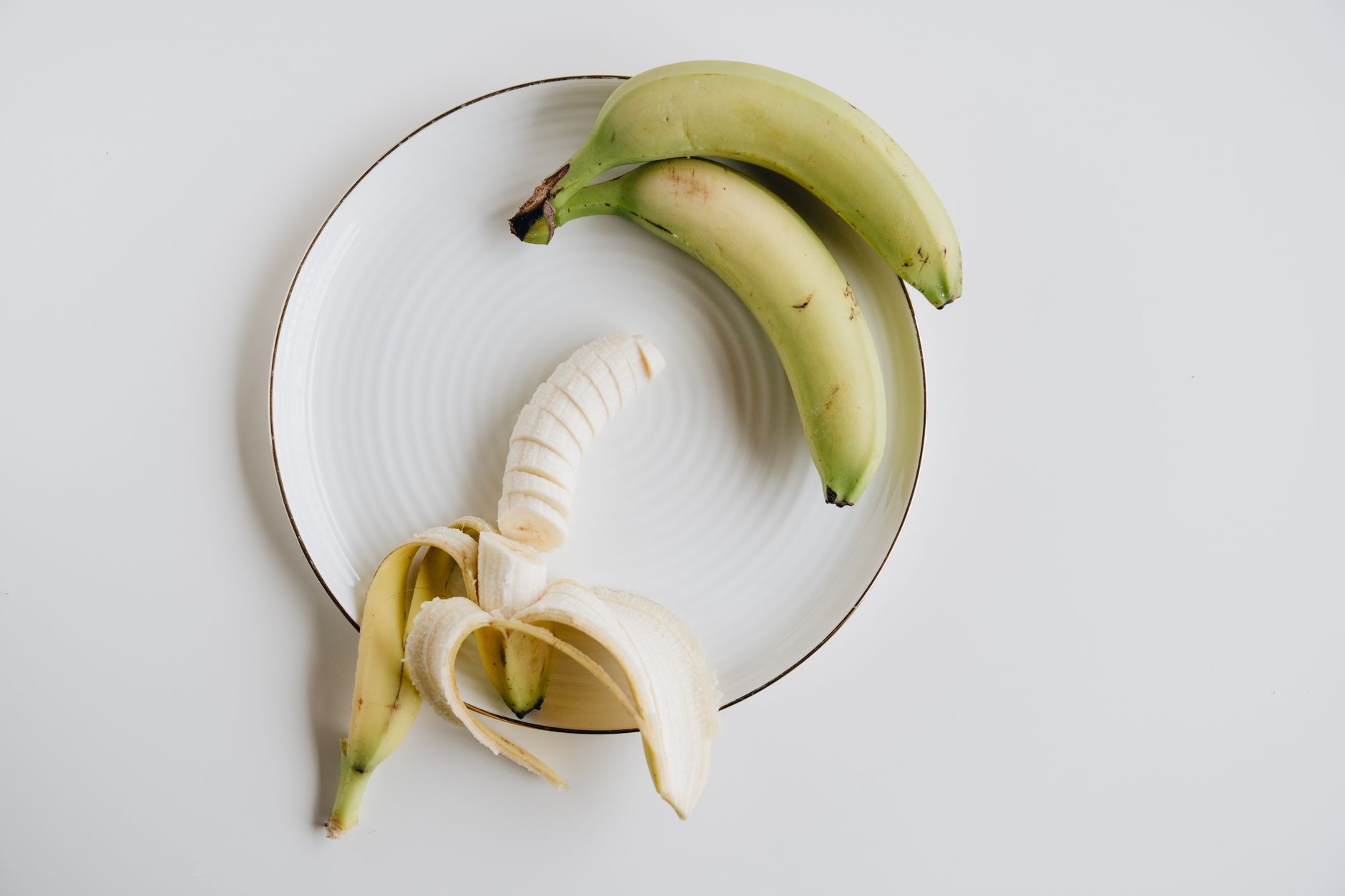
Eating a banana before bed may actually be beneficial for many people, potentially improving sleep quality through its nutrient profile. So, should you eat a banana before bed? The answer is likely yes, but with some important considerations.
Understanding the Banana’s Nutritional Powerhouse
Bananas are more than just a convenient and portable snack; they’re a nutritional powerhouse packed with vitamins, minerals, and other compounds that can influence various bodily functions, including sleep. Understanding their composition is key to understanding their potential bedtime benefits.
What is the GREY African clawed frog?
Is distilled water good for goldfish?
What colours are fish most attracted to?
Can you put your finger in a trout's mouth?
The Sleep-Promoting Nutrients in Bananas
Bananas contain several nutrients that can contribute to better sleep:
- Potassium: This electrolyte helps regulate nerve function and muscle contractions. Potassium deficiency can lead to restless legs and muscle cramps, disrupting sleep.
- Magnesium: Similar to potassium, magnesium promotes muscle relaxation and nerve function. It also helps regulate melatonin, the sleep hormone.
- Tryptophan: An amino acid that the body uses to produce serotonin and melatonin. Serotonin helps regulate mood, and melatonin regulates the sleep-wake cycle.
- Carbohydrates: Complex carbohydrates found in bananas can help stabilize blood sugar levels overnight, preventing disruptions that can wake you up.
- Vitamin B6: Essential for the production of serotonin and dopamine, neurotransmitters that regulate mood and sleep.
The Process: How Bananas Potentially Improve Sleep
The synergy between these nutrients is what makes bananas potentially beneficial for sleep. The tryptophan gets converted to serotonin, which can then be converted into melatonin. The magnesium and potassium help relax muscles, which can alleviate discomfort that might prevent you from falling or staying asleep. The carbohydrates help stabilize blood sugar, preventing drops that can lead to awakening during the night.
Potential Drawbacks and Considerations
While bananas offer potential sleep benefits, there are a few considerations:
- Sugar Content: Bananas contain natural sugars. For some individuals, especially those with blood sugar control issues (like diabetes), consuming a banana right before bed could potentially lead to a blood sugar spike, though this is less likely than with more processed snacks. Consider half a banana or pairing it with a protein source, like a small handful of nuts.
- Individual Sensitivities: Some people may experience digestive discomfort from eating a banana before bed. If you’re prone to bloating or gas, you might want to avoid it.
- Ripeness Matters: Greener bananas are higher in resistant starch, which can cause gas and bloating. Riper bananas are easier to digest and contain more sugar.
- Quantity: Eating too many bananas close to bedtime could lead to discomfort and potentially disrupt sleep. One medium banana is generally sufficient.
- Allergies: Banana allergies, while not common, do exist. If you suspect you have a banana allergy, avoid eating them before bed (or at all) and consult with a doctor.
Best Practices for Eating Bananas Before Bed
To maximize the potential benefits and minimize any potential drawbacks, consider these best practices:
- Choose a Ripe Banana: Ripe bananas are easier to digest and contain more nutrients.
- Eat it at Least an Hour Before Bed: This allows your body time to digest the banana and process the nutrients.
- Pair it with a Healthy Fat or Protein: A small handful of nuts or a spoonful of nut butter can help stabilize blood sugar.
- Monitor Your Body’s Response: Pay attention to how your body feels after eating a banana before bed. If you experience any discomfort, adjust your intake or avoid it altogether.
- Consider the Timing: Think about the time, and your hunger levels.
Common Mistakes to Avoid
- Eating Unripe Bananas: As mentioned before, unripe bananas can cause digestive distress.
- Eating Too Many Bananas: Moderation is key. Too much of anything isn’t good.
- Ignoring Individual Sensitivities: Everyone’s body is different. Pay attention to your own reactions.
- Relying Solely on Bananas for Sleep: Bananas can be a helpful aid, but they’re not a magic cure. Focus on establishing a healthy sleep routine that includes consistent sleep times, a relaxing bedtime ritual, and a comfortable sleep environment.
- Eating bananas too close to bedtime: Allow your stomach to settle.
- Ignoring Blood Sugar Levels: People who suffer from blood sugar issues, like diabetes, should talk to their doctor before using bananas as sleep support.
Exploring Alternative Sleep Aids
While bananas can be helpful, consider other sleep aids if they are ineffective.
- Magnesium Supplements: If you believe that you do not receive enough magnesium.
- Melatonin: If you are having issues with the production of melatonin.
Frequently Asked Questions (FAQs)
What are the best types of bananas to eat before bed?
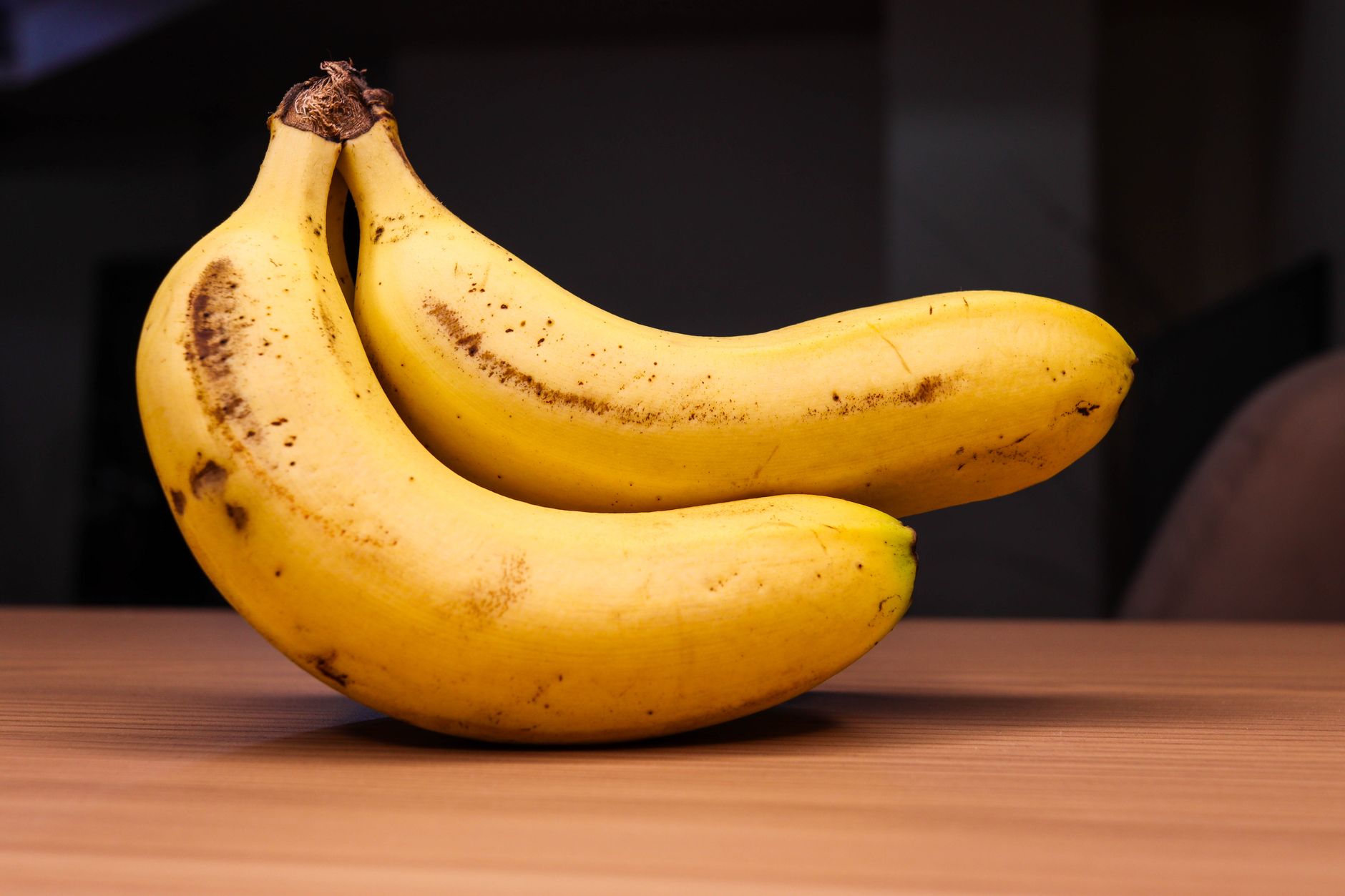
The best types of bananas to eat before bed are those that are ripe but not overly ripe. They should have a few brown spots but still be firm to the touch. Overly ripe bananas can be higher in sugar and potentially disrupt sleep for some individuals.
How much potassium is in a banana, and why is it important for sleep?
A medium banana contains around 422 mg of potassium. Potassium is essential for nerve function and muscle relaxation, helping to prevent muscle cramps and restless legs that can disrupt sleep. It also plays a role in regulating blood pressure, which can also impact sleep quality.
Can eating a banana before bed help with anxiety?
While bananas aren’t a cure for anxiety, the potassium and magnesium they contain can help regulate nerve function and promote relaxation, which may help alleviate mild anxiety symptoms. The tryptophan content can also boost serotonin levels, further contributing to a sense of calm.
Is there anyone who shouldn’t eat a banana before bed?
Yes, individuals with certain medical conditions, such as kidney disease (due to the high potassium content) or uncontrolled diabetes (due to the sugar content), should exercise caution or avoid eating bananas before bed. Those with banana allergies should also obviously avoid them.
Does the size of the banana matter when eating it before bed?
Yes, the size matters. A medium-sized banana is generally recommended. A large banana may contain too much sugar and could potentially disrupt sleep, especially for those with blood sugar issues.
Can I eat a banana peel before bed?
While banana peels are technically edible and contain nutrients, they are generally not recommended for consumption due to their bitter taste, tough texture, and potential pesticide residue. Eating the peel is unlikely to provide any significant sleep benefits.
How long before bed should I eat a banana for optimal sleep benefits?
Ideally, you should eat a banana at least one hour before bed to allow your body time to digest it and absorb the nutrients. This allows for the benefits to take effect without causing digestive discomfort during sleep.
Are there any other foods that pair well with bananas before bed to improve sleep?
Pairing bananas with foods that contain healthy fats or protein can help stabilize blood sugar levels and promote satiety. Good options include a small handful of almonds, a spoonful of peanut butter, or a small serving of Greek yogurt.
Will eating a banana before bed make me gain weight?
Eating one medium banana before bed is unlikely to cause weight gain. Bananas are relatively low in calories and high in fiber, which can help promote satiety. However, consistently consuming excess calories from any source, including bananas, can lead to weight gain.
Can I eat a banana even if I am on a low-carb diet?
While bananas are relatively high in carbohydrates, they can still be included in a low-carb diet in moderation. Consider eating a smaller portion (e.g., half a banana) and pairing it with a healthy fat or protein to help stabilize blood sugar. Always consult with a registered dietitian or healthcare professional for personalized dietary advice.
What other lifestyle changes can help improve sleep quality besides diet?
- Establishing a regular sleep schedule
- Creating a relaxing bedtime routine (e.g., taking a warm bath, reading a book)
- Ensuring a dark, quiet, and cool sleep environment
- Avoiding caffeine and alcohol before bed
- Getting regular exercise (but not too close to bedtime)
Are there any side effects to eating a banana before bed?
Most people tolerate bananas well, but some may experience bloating, gas, or digestive discomfort, especially if they eat unripe bananas or are prone to digestive issues. In rare cases, individuals may experience allergic reactions. If you experience any unusual symptoms, discontinue use and consult with a healthcare professional.