

Should Humans Eat Duckweed? A Deep Dive into Nature’s Tiny Powerhouse
The answer is a resounding yes! Should humans eat duckweed? This rapidly growing aquatic plant is a nutritional powerhouse with the potential to revolutionize food systems and provide sustainable protein sources.
Introduction: The Unassuming Potential of Duckweed
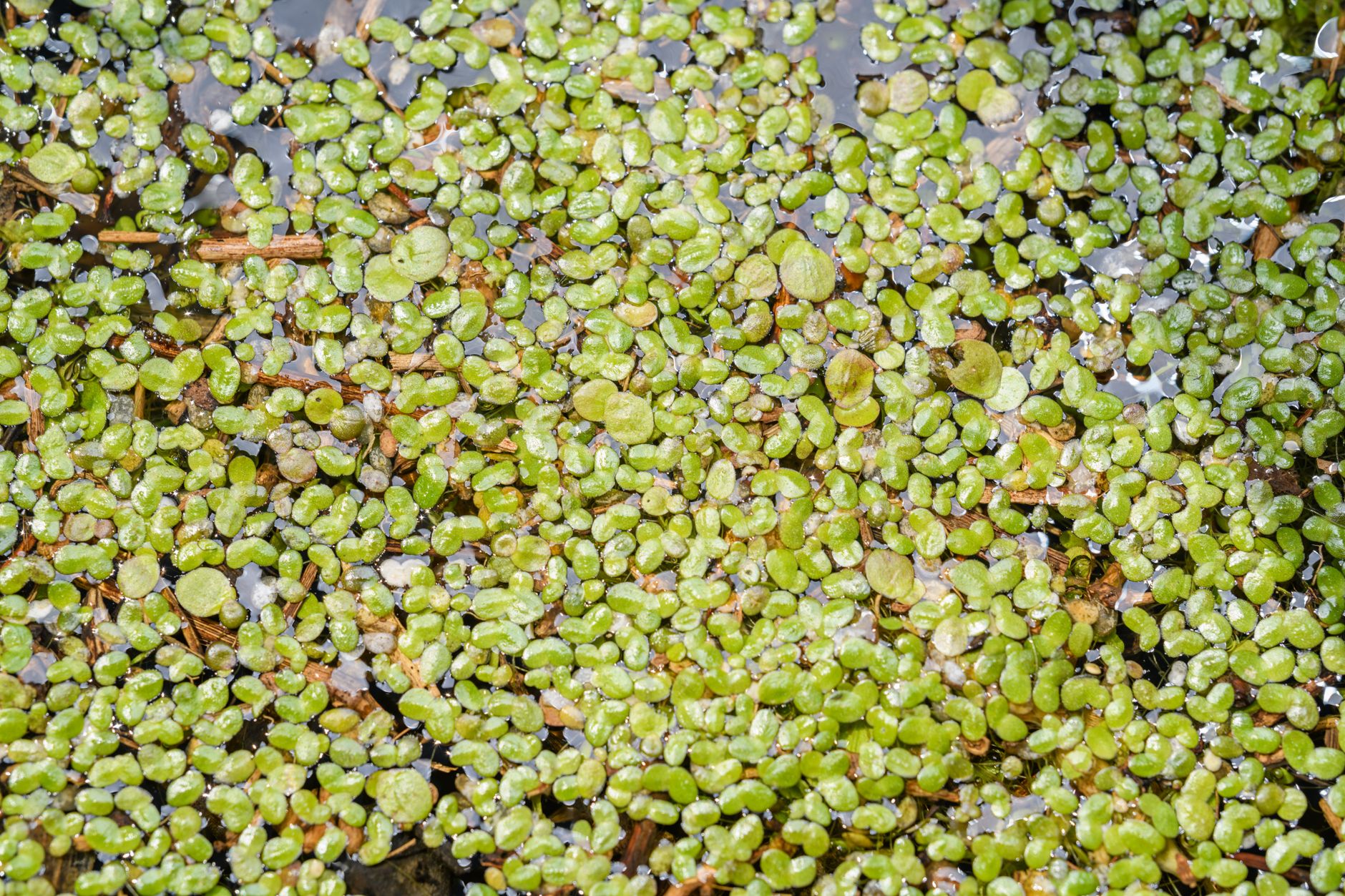
Duckweed, often dismissed as a mere pond scum, is rapidly gaining recognition as a superfood and a promising solution to global food security challenges. Its rapid growth rate, high protein content, and minimal land requirements make it an attractive alternative to traditional crops. But what exactly is duckweed, and why should humans eat duckweed?

What is the GREY African clawed frog?
Is distilled water good for goldfish?
What colours are fish most attracted to?
Can you put your finger in a trout's mouth?
Background: What is Duckweed?

Duckweed refers to a family of small, free-floating aquatic plants belonging to the Lemnaceae family. These tiny plants reproduce primarily vegetatively, allowing for incredibly rapid growth and biomass production.
- They thrive in diverse aquatic environments, from ponds to wastewater treatment facilities.
- Various species exist, each with slight variations in nutrient composition and growth characteristics.
- Duckweed can double its biomass in as little as 16 hours under optimal conditions.
Nutritional Benefits: A Superfood Under Scrutiny
The nutritional profile of duckweed is remarkable, making it a compelling addition to a healthy diet.
- Protein: Duckweed boasts a protein content comparable to soybeans, ranging from 20% to 40% of its dry weight. It contains all nine essential amino acids, making it a complete protein source.
- Fiber: It’s a good source of dietary fiber, promoting digestive health.
- Vitamins and Minerals: Duckweed is rich in vitamins A, B vitamins (including B12 in certain strains), and C, as well as minerals like iron, calcium, and zinc.
- Omega-3 Fatty Acids: Some species contain significant amounts of omega-3 fatty acids, beneficial for heart health.
Here’s a comparison with some common protein sources:
| Nutrient | Duckweed (Dry Weight) | Soybeans (Dry Weight) | Beef (Cooked) |
|---|---|---|---|
| Protein (%) | 20-40 | 35-40 | 26-30 |
| Fiber (%) | 15-20 | 15 | 0 |
| Omega-3 Fatty Acids | Varies by species | Significant | Low |
Cultivation: Sustainable and Efficient
Duckweed cultivation is remarkably efficient, requiring minimal resources compared to traditional agriculture.
- Water: It thrives in water, reducing the need for irrigation.
- Land: It can be grown in small spaces, even indoors, minimizing land usage.
- Fertilizer: Duckweed can utilize nutrients from wastewater, contributing to water purification.
- Harvesting: Harvesting is simple, typically involving skimming the duckweed from the water surface.
Processing: From Pond to Plate
While duckweed can be consumed directly, processing enhances its palatability and digestibility.
- Washing: Thoroughly washing the duckweed is essential to remove any contaminants.
- Drying: Drying can improve shelf life and concentrate nutrients.
- Blending: Duckweed can be blended into smoothies, soups, and other dishes.
- Protein Isolates: Advanced processing techniques can extract duckweed protein, creating protein isolates for various applications.
Culinary Applications: Versatile and Delicious
Duckweed’s mild flavor makes it a versatile ingredient in various culinary applications.
- Smoothies: Adds a nutrient boost to smoothies without altering the taste significantly.
- Salads: Sprinkled fresh duckweed on salads for added texture and nutrition.
- Soups and Stews: Blended into soups and stews for thickening and enriching.
- Baked Goods: Incorporated into bread, muffins, and other baked goods.
- Meat Substitute: Potential for developing duckweed-based meat alternatives.
Addressing Potential Concerns
Despite its numerous benefits, some potential concerns need addressing regarding duckweed consumption.
- Heavy Metals: Duckweed can absorb heavy metals from contaminated water. Cultivation in clean water is crucial.
- Allergies: Although rare, allergic reactions to duckweed are possible.
- Oxalates: Some species contain oxalates, which can interfere with calcium absorption. Cooking can reduce oxalate levels.
Frequently Asked Questions
Is duckweed safe to eat raw?
While technically edible raw, it’s generally recommended to cook or process duckweed before consumption to minimize the risk of contamination and improve digestibility. Proper washing is also crucial.
Where can I buy duckweed?
Duckweed is becoming increasingly available online and in specialty food stores. Look for reputable suppliers that ensure clean cultivation practices. You may also find it at local aquaponics farms.
Can I grow duckweed at home?
Yes, growing duckweed at home is relatively simple. You need a container of water, sunlight, and a starter culture. Ensure the water source is clean and free of contaminants.
Does duckweed taste good?
Duckweed has a mild, slightly grassy flavor that is often described as neutral. This makes it a versatile ingredient that can be easily incorporated into various dishes.
How much duckweed should I eat per day?
There is no officially established recommended daily intake of duckweed. However, starting with small amounts and gradually increasing consumption is advisable. Listen to your body and consult a healthcare professional if you have any concerns.
Is duckweed a sustainable food source?
Yes, duckweed is considered a highly sustainable food source due to its rapid growth rate, minimal land requirements, and ability to utilize wastewater nutrients. It offers a significantly lower environmental footprint compared to traditional agriculture.
Can duckweed be used as animal feed?
Yes, duckweed is an excellent animal feed, particularly for poultry and fish. Its high protein content and digestibility make it a valuable supplement.
Does duckweed contain Vitamin B12?
Some strains of duckweed, particularly Wolffia globosa, have been shown to contain Vitamin B12, a nutrient often lacking in plant-based diets.
How does duckweed compare to spirulina?
Both duckweed and spirulina are nutrient-rich aquatic plants, but they differ in several aspects. Spirulina is an algae, while duckweed is a higher plant. Duckweed generally has a milder flavor and can be easier to cultivate at home.
Is duckweed genetically modified?
Currently, the majority of duckweed available for consumption is not genetically modified. However, research is ongoing to explore genetic modifications for improved yields and nutrient content.
What are the potential health risks of eating duckweed?
The main potential health risks are related to heavy metal contamination and allergies. Sourcing duckweed from clean water and starting with small portions can mitigate these risks.
How can duckweed help with food security?
Duckweed’s rapid growth, high protein content, and minimal resource requirements make it a promising solution to food security challenges. It can be grown in diverse environments and provide a sustainable source of nutrition for a growing population.
Conclusion: Embracing the Future of Food
Should humans eat duckweed? Absolutely. With its exceptional nutritional profile, sustainable cultivation practices, and versatile culinary applications, duckweed holds tremendous potential to contribute to a healthier and more sustainable food system. As research continues and cultivation techniques improve, duckweed is poised to become a significant player in the future of food.