

Is There Any Part of a Lobster You Cannot Eat? A Comprehensive Guide
While most of a lobster is edible and delicious, some parts are not recommended for consumption due to potential health concerns or unpalatability. Understanding which sections to avoid is essential for a safe and enjoyable lobster feast.
Diving into the Delicious World of Lobster
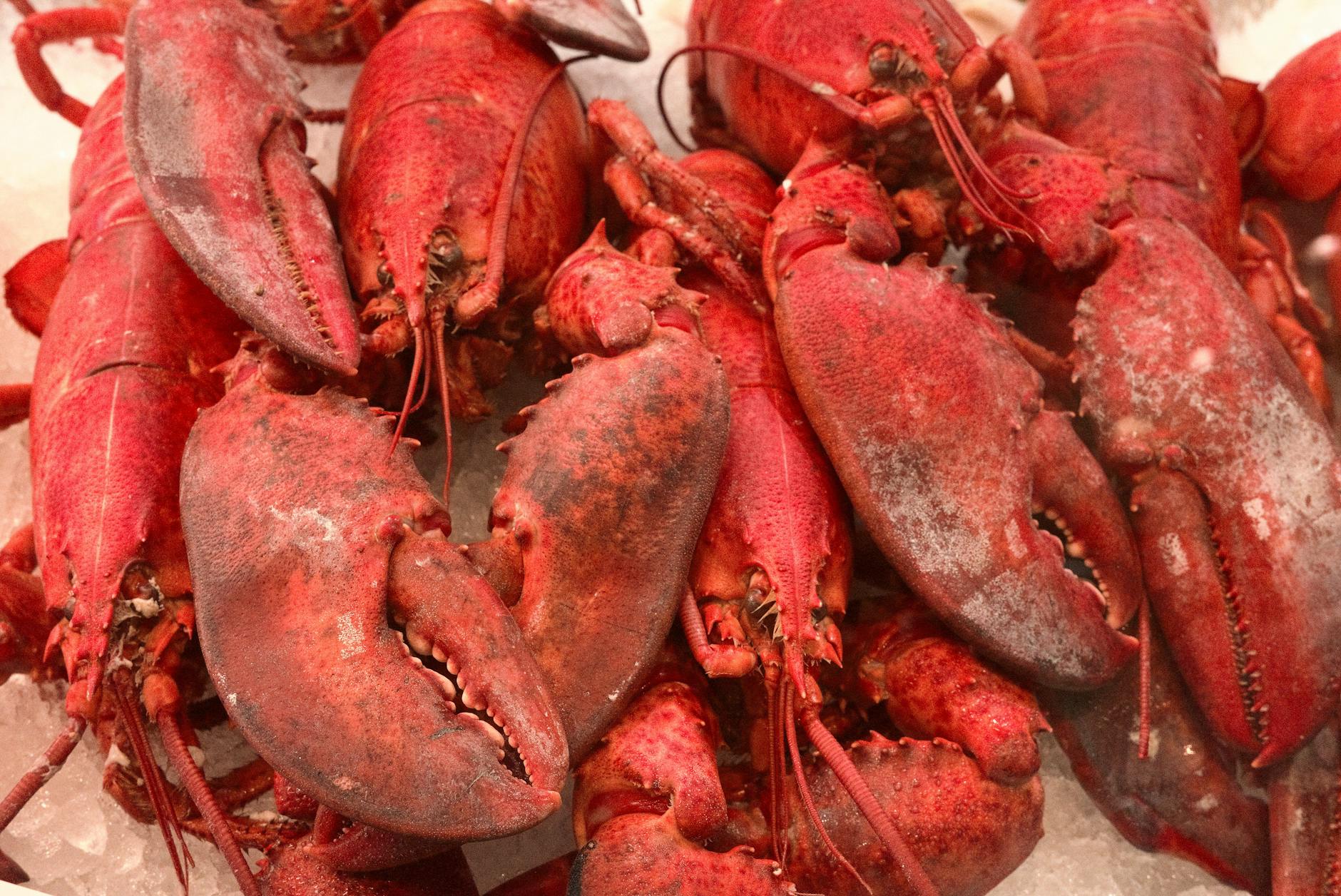
Lobster, a prized crustacean, is celebrated for its delicate flavor and luxurious texture. From succulent tail meat to the sweet claw meat, much of this underwater delicacy is considered a culinary treasure. However, knowing which parts of a lobster are safe and enjoyable to eat is crucial to maximizing your dining experience and avoiding potential health risks. Let’s explore the anatomy of a lobster and identify the edible and inedible components.

What is the GREY African clawed frog?
Is distilled water good for goldfish?
What colours are fish most attracted to?
Can you put your finger in a trout's mouth?
The Anatomy of a Lobster: Edible vs. Inedible

Understanding the lobster’s anatomy is key to knowing what to eat and what to avoid. The following breakdown details the primary edible and inedible parts:
- Edible Parts:
- Tail Meat: The most prized and substantial part, offering a firm, sweet flavor.
- Claw Meat: Another highly sought-after section, known for its delicate sweetness and tender texture.
- Knuckle Meat: Found in the joints connecting the claws to the body, this meat is flavorful but often requires more effort to extract.
- Body Meat: Located within the carapace (body shell), this meat can be more challenging to access but offers a distinct lobster flavor.
- Tomally (Liver): The lobster’s hepatopancreas, this is a greenish paste that many consider a delicacy. It has a rich, concentrated lobster flavor. (See cautions below).
- Coral (Roe): Found only in female lobsters, the coral is the unfertilized eggs. It turns bright red when cooked and is considered a delicacy by some.
- Inedible Parts (and Parts to Eat With Caution):
- Shell: Composed of chitin, the shell is indigestible and provides no nutritional value.
- Intestinal Vein: A dark vein running through the tail, also known as the “sand vein.” It contains waste and should be removed.
- Gills: Located under the carapace, the gills are not palatable and should be discarded.
- Stomach (Gastric Mill): Located near the head, the stomach contains undigested food and should be discarded.
- Tomally (Liver – Use Caution): While considered a delicacy, the tomally can potentially contain environmental contaminants such as PCBs and dioxins. Consumption should be moderate, especially for pregnant women, nursing mothers, and children.
- Cartilage and Membranes: These thin, translucent structures within the lobster’s body are not easily digestible and lack flavor.
Why Are Some Parts Inedible?
The primary reasons for avoiding certain lobster parts fall into a few categories:
- Waste Products: The intestinal vein and stomach contain waste materials that are unhygienic and unappetizing.
- Indigestible Material: The shell and cartilage are composed of chitin, which the human body cannot easily break down.
- Potential Contaminants: The tomally (liver) can accumulate environmental toxins from the lobster’s diet and environment.
- Unpalatable Texture/Flavor: Gills and other membranous tissues offer little to no flavor and an unpleasant texture.
Safe Lobster Consumption Guidelines
To ensure a safe and enjoyable lobster-eating experience, consider these guidelines:
- Purchase from reputable sources: Ensure the lobster is fresh and from a trusted supplier.
- Proper cooking: Cook the lobster thoroughly to kill any potential bacteria.
- Remove inedible parts: Carefully remove the intestinal vein and discard the stomach, gills, and shell.
- Moderate tomally consumption: If you choose to eat the tomally, do so in moderation, particularly if you are in a high-risk group.
- Be aware of allergies: Lobster is a shellfish and a common allergen. Be mindful of potential allergic reactions.
Frequently Asked Questions (FAQs)
Is there any part of a lobster you Cannot eat that poses a significant health risk?
Yes, the intestinal vein (sand vein) running through the tail is best avoided as it contains waste products. While not extremely dangerous, consuming it isn’t pleasant and can sometimes cause mild digestive upset. Furthermore, moderate consumption of the tomally (liver) is advised due to the potential accumulation of environmental toxins.
Can I eat the “coral” from a female lobster?
Yes, the coral, or unfertilized eggs found in female lobsters, is edible and considered a delicacy by many. It turns bright red when cooked and has a rich, briny flavor.
What is the green stuff inside a lobster? Is it safe to eat?
The green substance is called tomally, which functions as the lobster’s liver and pancreas. While many consider it a delicacy, its consumption should be moderate due to the potential for accumulating environmental contaminants like PCBs.
Why is the tomally sometimes considered unsafe?
The tomally filters out toxins from the lobster’s environment. These toxins, such as PCBs and dioxins, can accumulate in the tomally over time. While generally present in low levels, excessive consumption could pose a health risk, particularly for pregnant women, nursing mothers, and young children.
What should I do if I accidentally eat the intestinal vein?
Don’t panic! Accidentally consuming the intestinal vein is generally not dangerous. You might experience a slightly gritty or unpleasant taste. However, it’s best to remove it before eating the lobster.
How can I tell if a lobster is fresh?
Fresh lobsters should have a bright color, a fresh, sea-like smell, and lively movement. Avoid lobsters with a strong ammonia odor, a dull color, or that are sluggish or unresponsive. The tail should curl under when cooked.
Is lobster safe for people with shellfish allergies?
No, lobster is a shellfish, and people with shellfish allergies should avoid it entirely. Shellfish allergies can be severe and life-threatening. Cross-contamination can also be a risk.
How long can I store cooked lobster meat?
Cooked lobster meat should be stored in the refrigerator at or below 40°F (4°C) and consumed within 2-3 days. Ensure it is properly sealed in an airtight container to prevent spoilage.
Can I freeze cooked lobster meat?
Yes, cooked lobster meat can be frozen, but the texture may change slightly. Wrap it tightly in plastic wrap and then in a freezer bag. It can be stored in the freezer for up to 2-3 months. Thaw it in the refrigerator before using.
Are all lobsters the same when it comes to edible parts?
Generally, yes, the edible and inedible parts are consistent across different types of lobsters (e.g., American lobster, spiny lobster). However, the size and meat yield can vary. Also, the tommaly in some smaller lobsters may be so insignificant as not to even be noticeable.
Is there a difference in taste between the meat from different parts of the lobster?
Yes, the tail meat is generally considered the sweetest and firmest, while the claw meat is more delicate and tender. The knuckle meat offers a distinct lobster flavor but can be more challenging to extract. Body meat can vary.
How can I ensure I am cooking lobster safely?
Cook lobster until the internal temperature reaches 140°F (60°C). The shell should turn bright red, and the meat should be opaque. Use a food thermometer to ensure proper doneness. Overcooking can make the meat tough.