
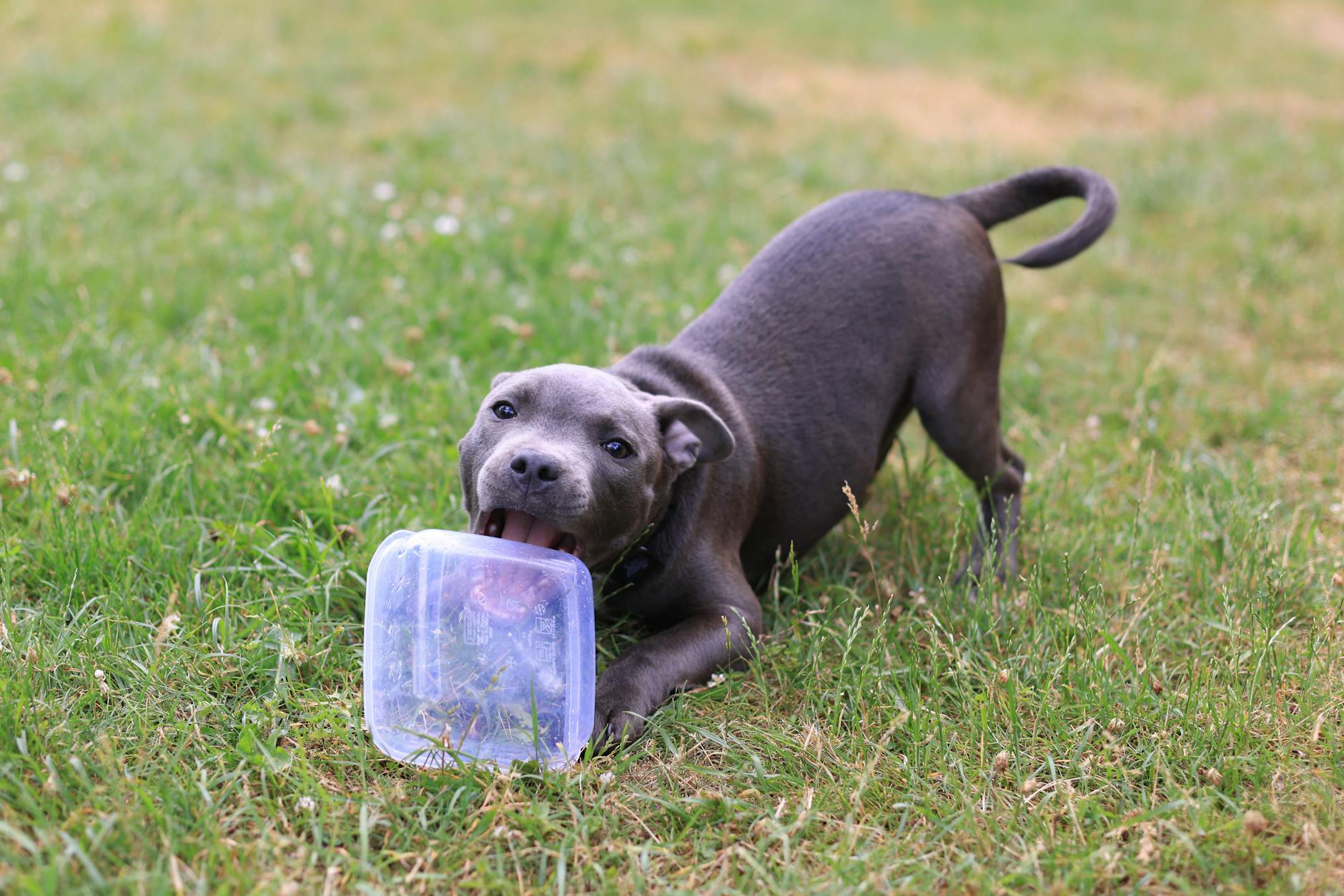
Is My Puppy Trying To Hurt Me?
Generally, the answer is no. Puppy nipping and play biting is normal developmental behavior, not an intentional act of aggression; however, understanding the difference is crucial for early intervention and a happy relationship with your new companion.

Decoding Puppy Behavior: Play Biting vs. Aggression
Bringing a new puppy into your home is an exciting experience, filled with cuddles, playtime, and the occasional “ouch!” While those tiny teeth may feel sharp, it’s important to understand the context behind puppy nipping and biting. Is my puppy trying to hurt me? In most cases, the answer is a resounding no. However, discerning playful behavior from potential aggression is vital for responsible pet ownership.
Is distilled water good for goldfish?
What colours are fish most attracted to?
Can you put your finger in a trout's mouth?
Is methylene blue anti bacterial?
The Why Behind the Nips: Understanding Puppy Development

Puppies explore the world with their mouths, much like human babies. This mouthing behavior is a natural part of their development and serves several purposes:
- Exploration: Puppies use their mouths to investigate textures, tastes, and objects.
- Teething: Teething puppies experience discomfort, and chewing provides relief.
- Play: Nipping and biting are common forms of play among puppies, simulating hunting and chasing behaviors.
- Communication: Puppies use nipping to communicate with littermates, establishing social boundaries and hierarchy.
Distinguishing Playful Nipping from Aggression
While nipping is common, true aggression is different. Here are some key differences to consider:
| Feature | Playful Nipping | Aggression |
|---|---|---|
| Body Language | Relaxed posture, playful bowing, tail wagging | Stiff posture, growling, snapping, bared teeth |
| Bite Intensity | Controlled, inhibited bite | Hard bite with intent to cause harm |
| Context | Occurs during play, often followed by licking | Occurs during resource guarding, fear, or pain |
| Recoverability | Easy to interrupt, puppy disengages easily | Difficult to interrupt, puppy may escalate behavior |
Addressing Puppy Nipping: Training and Management
While playful nipping is normal, it’s important to teach your puppy bite inhibition, meaning they learn to control the force of their bites. Here are some effective strategies:
- Yelping: When your puppy nips too hard, yelp loudly, mimicking a puppy in pain. This often startles them and teaches them that their bite is too strong.
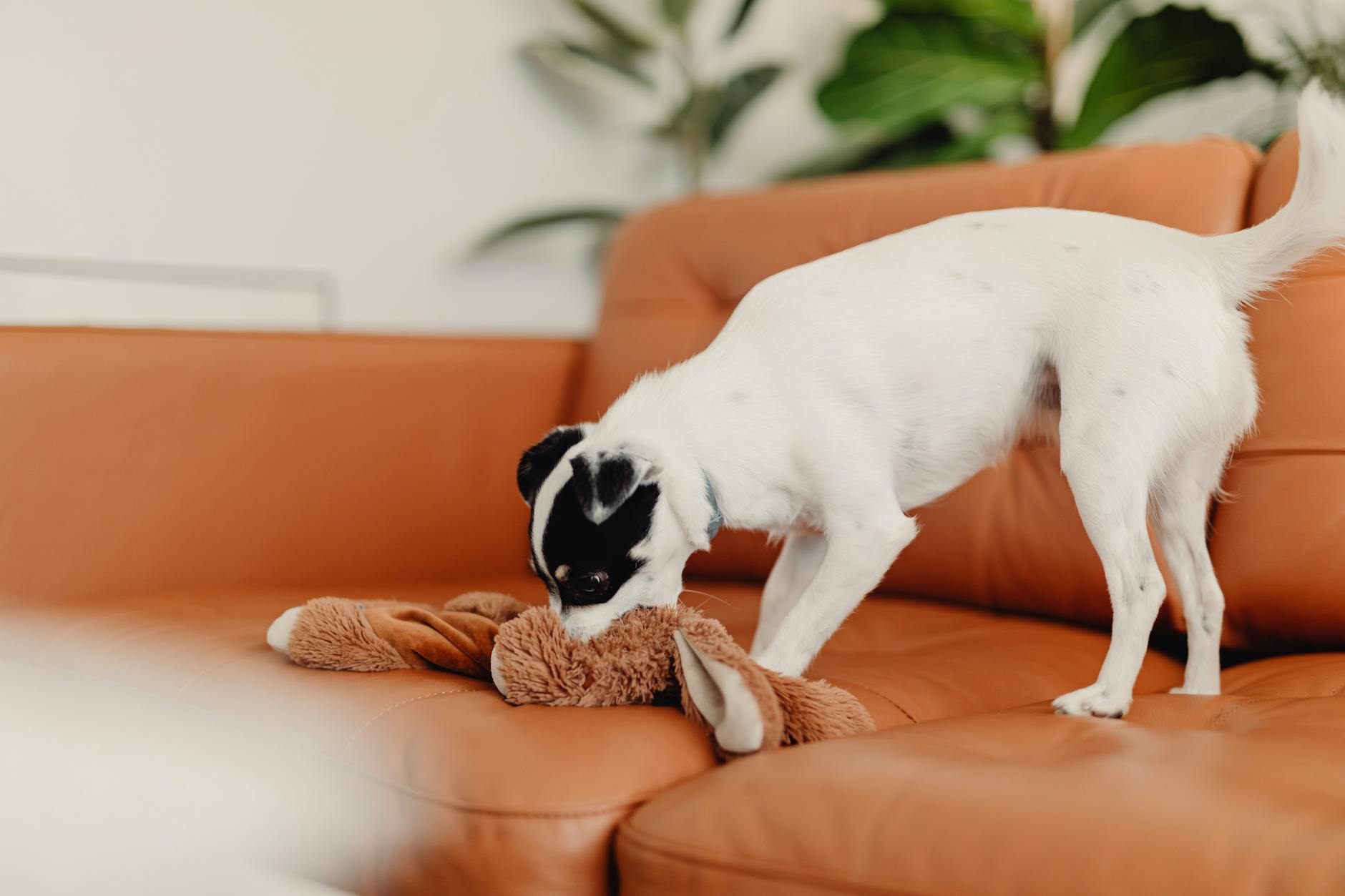
- Redirection: Offer your puppy an appropriate chew toy whenever they start nipping. This redirects their attention and provides a safe outlet for their chewing urges.
- Time-Outs: If yelping and redirection don’t work, briefly remove yourself from the play session. This teaches your puppy that nipping results in the end of fun. A short 15-20 second time out is sufficient.
- Positive Reinforcement: Reward your puppy with praise and treats when they play gently and refrain from nipping. This reinforces desirable behavior.
- Professional Help: If nipping persists or escalates despite your efforts, consult with a qualified dog trainer or behaviorist.
Common Mistakes to Avoid
- Encouraging Rough Play: Avoid wrestling or playing games that encourage your puppy to bite your hands.
- Punishment: Never punish your puppy for nipping. Punishment can create fear and anxiety, leading to aggression.
- Ignoring the Behavior: Letting your puppy nip without addressing it can lead to more serious biting problems later on.
Is my puppy trying to hurt me?: Seeking Professional Guidance
If you are concerned that is my puppy trying to hurt me?, it’s advisable to record the behaviors (preferably on video), and speak to your veterinarian or a professional dog trainer. They can evaluate your puppy’s behavior and create a tailored training plan. This is especially important if you see signs of aggression, such as:
- Growling or snapping
- Showing teeth
- Stiff body language
- Biting and not releasing
The Long-Term Benefits of Bite Inhibition
Teaching your puppy bite inhibition early on is crucial for their safety and well-being. A dog with good bite inhibition is less likely to cause serious injury if they ever bite, even in self-defense. This can protect them from potential legal issues and ensure a harmonious relationship with people and other animals.
The Importance of Socialization
Proper socialization is also a key factor in preventing aggression. Expose your puppy to a variety of people, places, and situations in a positive and controlled manner. This helps them develop confidence and reduce the likelihood of fear-based aggression.
Continued Management and Monitoring
Even after training, continue to monitor your puppy’s behavior and address any concerns promptly. Regularly practice bite inhibition exercises and provide plenty of opportunities for safe and appropriate play. Early intervention can prevent potential problems and foster a strong bond with your furry friend. Remember, asking yourself “Is my puppy trying to hurt me?” shows you’re taking the responsible steps to evaluate the situation.
Frequently Asked Questions (FAQs)
What if my puppy growls when I take away their food?
Resource guarding is a common behavior in puppies. Don’t punish your puppy for growling, as this can make them more likely to bite. Instead, work with a trainer to desensitize them to having their food bowl approached. Start by adding tasty treats to their bowl while they are eating, gradually progressing to touching the bowl and eventually picking it up briefly.
Is it normal for my puppy to bite my ankles?
Ankle biting is often a herding instinct in certain breeds. It’s important to redirect this behavior to an appropriate toy. Keep toys readily available and encourage your puppy to chase and bite them instead of your ankles. Avoid quick movements that trigger the behavior.
How do I know if my puppy is just playing or being aggressive?
Pay attention to your puppy’s body language. A playful puppy will have a relaxed posture, wagging tail, and may offer playful bows. An aggressive puppy will have a stiff posture, may growl or show teeth, and may have dilated pupils. Context matters too: playful biting occurs during fun, while aggressive biting happens when the puppy is feeling threatened, resource-guarded, or fearful.
What if my puppy bites my children?
Supervise all interactions between your puppy and children. Teach children how to interact safely with the puppy, avoiding teasing or rough play. If biting occurs, immediately separate the puppy and child and consult with a professional trainer. Never leave a puppy unattended with young children.
At what age should puppy biting stop?
Most puppies start to outgrow their excessive nipping around 6-9 months of age, as they mature and learn better bite inhibition. However, consistent training and management are crucial during this period.
Can I teach my puppy “no bite” command?
Yes! A “no bite” command can be helpful. Teach the command by pairing it with a consequence, such as a time-out or ending the play session, when your puppy nips too hard. Reward your puppy with praise and treats when they refrain from biting after hearing the command.
What are some safe chew toys for teething puppies?
Offer a variety of safe and appropriate chew toys, such as rubber toys, rope toys, and frozen washcloths. Avoid hard toys that can damage their teeth. Rotate the toys regularly to keep your puppy interested.
Is mouthing the same as biting?
Mouthing is a softer, gentler form of biting, often used for exploration and communication. It involves less pressure and is less likely to cause pain. Biting, on the other hand, involves more force and can break the skin.
What if I try everything, and my puppy still bites?
If you’ve tried various training methods and your puppy’s biting persists, seek professional help from a certified dog trainer or behaviorist. They can assess your puppy’s behavior and develop a tailored training plan.
How does socialization affect puppy biting behavior?
Well-socialized puppies are generally less likely to exhibit aggressive behavior, including biting. Expose your puppy to a variety of people, places, and situations in a positive and controlled manner.
Can certain breeds be more prone to biting?
While any breed can bite, some breeds are genetically predisposed to certain behaviors that may contribute to biting, such as herding or guarding instincts. However, training and socialization play a much larger role in shaping a puppy’s behavior.
If my puppy is nipping a lot, does it mean I made a mistake getting a puppy?
Not at all! Nipping is a common behavior in puppies. It simply means that you need to invest time and effort into training and management. With patience and consistency, you can teach your puppy appropriate bite inhibition and build a strong bond. Knowing how to respond when you ask, “Is my puppy trying to hurt me?” and taking the necessary steps to train and manage the puppy, will help you build a trusting bond.