
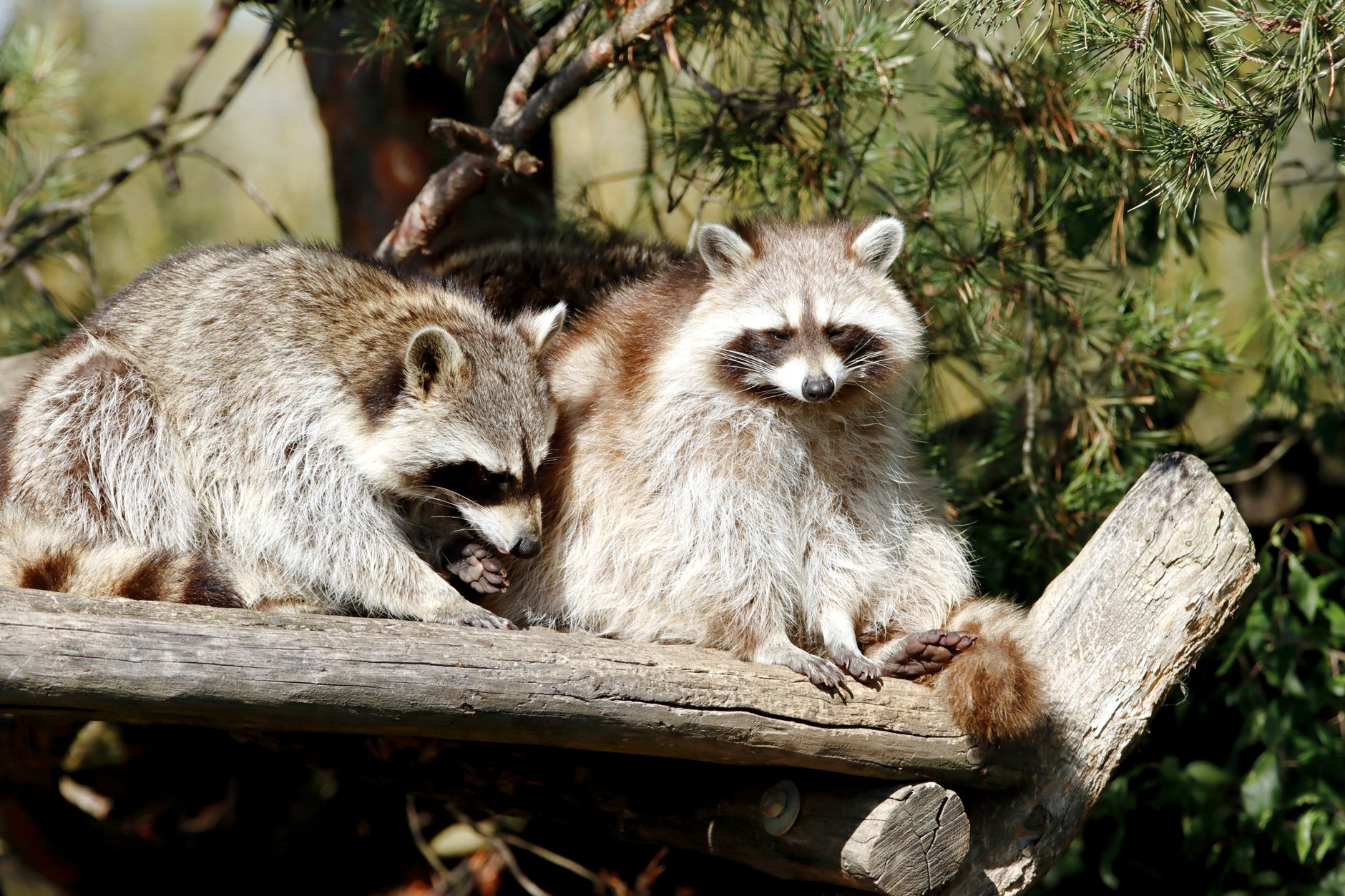
Is it Odd to See a Raccoon During the Day?
While seeing a raccoon during the day isn’t inherently alarming, it can sometimes indicate underlying issues such as food scarcity, illness, or habituation to human activity. Understanding raccoon behavior helps discern normal activity from potential problems.
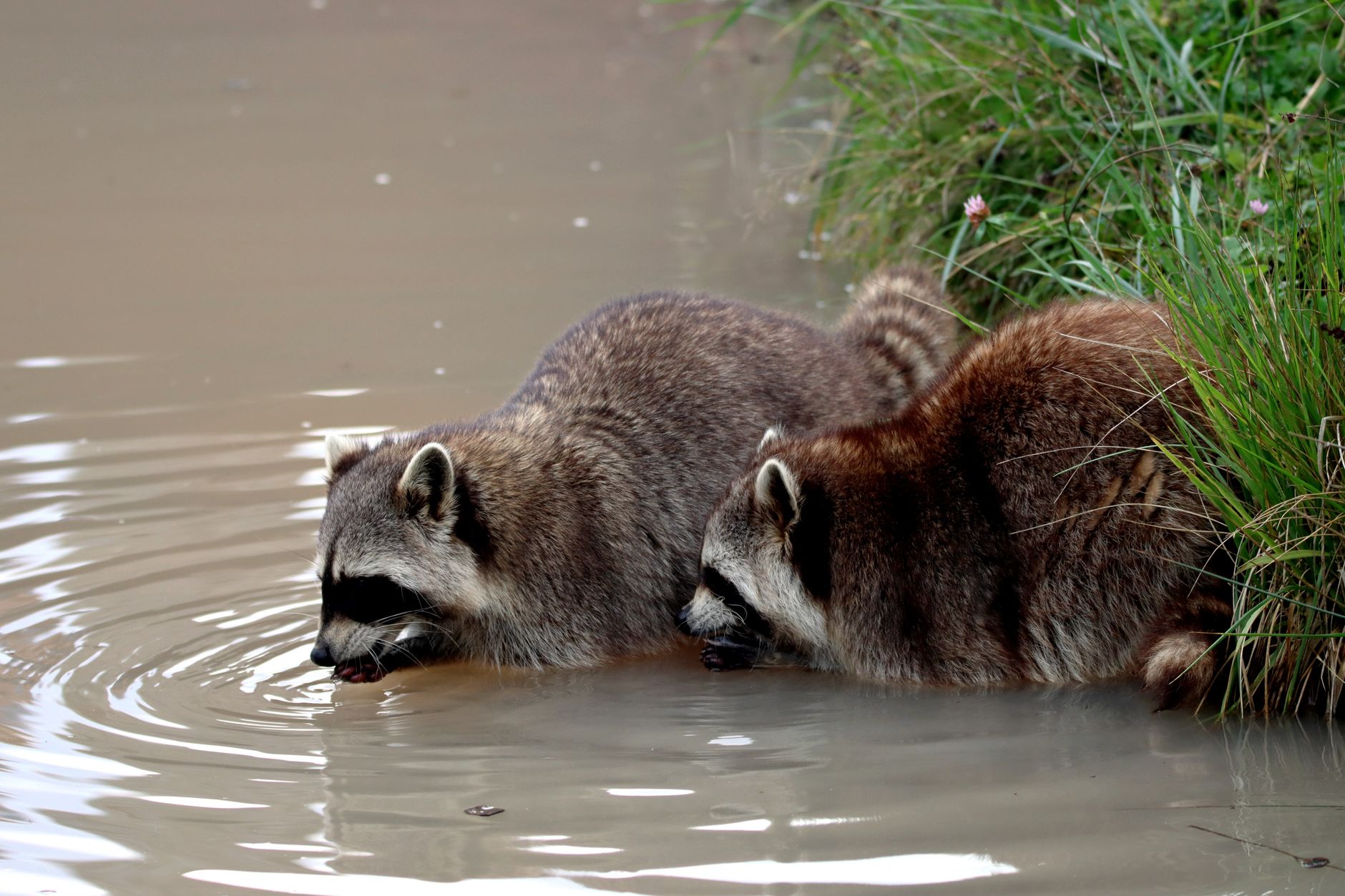
The Nocturnal Nature of Raccoons
Raccoons are primarily nocturnal animals, meaning they are most active during the night. This behavior is deeply ingrained due to evolutionary adaptations that optimize their foraging in low-light conditions and minimize competition with diurnal (daytime) predators. Their excellent night vision and sensitive paws are perfectly suited for navigating the darkness in search of food. Seeing one during the day, therefore, raises the initial question: Is it odd to see a raccoon during the day?

Is distilled water good for goldfish?
What colours are fish most attracted to?
Can you put your finger in a trout's mouth?
Is methylene blue anti bacterial?
Deviations from Nocturnal Behavior

While nocturnal by nature, raccoons are opportunistic creatures. Several factors can lead them to venture out during daylight hours.
- Food Scarcity: A raccoon struggling to find enough food at night might be forced to forage during the day, especially during lean seasons like late winter or early spring.
- Nursing Mothers: A mother raccoon with young kits may need to hunt during the day to meet her increased nutritional demands. The energy requirements of raising a litter can override their usual sleep schedule.
- Habituation to Human Activity: Raccoons living in urban or suburban areas may become accustomed to daytime activity and even associate it with a readily available food source, such as garbage cans or pet food left outdoors.
- Displacement: Sudden disturbances or changes in their habitat, like construction, might force a raccoon to relocate and seek refuge during the day.
When Daytime Sightings Are Cause for Concern
While daytime activity doesn’t automatically signal a problem, certain behaviors accompanying the sighting should raise a red flag.
- Apparent Illness: Signs like stumbling, disorientation, excessive drooling, or unprovoked aggression could indicate diseases like rabies or distemper.
- Unusual Tameness: A raccoon that approaches humans without fear or seems unnaturally docile might be suffering from a health issue or habituation that is unhealthy.
- Visible Injuries: Obvious wounds or difficulty moving could indicate an injury that requires intervention.
Understanding Rabies and Other Diseases
The primary concern associated with daytime raccoon sightings is the potential for rabies. Rabies is a viral disease that affects the central nervous system and is almost always fatal if left untreated. Although the prevalence of rabies in raccoons varies by region, it’s crucial to exercise caution and avoid contact with any animal exhibiting suspicious behavior.
Another concern is distemper, a highly contagious viral disease that affects many animal species, including raccoons. Symptoms can include fever, respiratory distress, neurological signs, and seizures. Distemper, while not transmissible to humans, can be debilitating and fatal to raccoons.
Mitigation and Prevention
If you encounter a raccoon during the day, here are some steps you can take:
- Observe from a Distance: Do not approach or attempt to interact with the raccoon.
- Secure Food Sources: Ensure that garbage cans are securely closed and pet food is not left outdoors.
- Contact Animal Control: If the raccoon exhibits signs of illness or aggression, contact your local animal control agency or wildlife rehabilitator.
- Educate Your Neighbors: Inform your neighbors about raccoon safety and the importance of preventing them from being attracted to your property.
Comparison Table: Normal vs. Concerning Daytime Raccoon Behavior
| Feature | Normal Daytime Behavior | Concerning Daytime Behavior |
|---|---|---|
| Activity Level | Foraging, moving with purpose | Stumbling, disorientation, circling |
| Fear of Humans | Wary, avoids close contact | Unusually tame, approaches humans without fear |
| Physical Appearance | Healthy coat, clear eyes | Matted fur, discharge from eyes or nose, excessive drooling |
| Time of Day | Late morning or early evening | Midday, especially in hot weather |
| Context | Mother with young, food-scarce environment | None apparent, exhibiting other signs of illness or injury |
Frequently Asked Questions (FAQs)
Is it odd to see a raccoon during the day, generally?
While not strictly abnormal, seeing a raccoon during the day warrants observation. Healthy raccoons prefer nighttime activity, so daytime appearances often suggest a reason, like hunger, motherhood, or environmental disturbance. Observing its behavior is key to determining if it is a cause for concern.
What are the most common reasons a raccoon might be active during the day?
The most common reasons include searching for food, particularly if resources are scarce at night; a nursing mother needing extra calories for her young; or habituation to human activity in urban environments.
How can I tell if a raccoon I see during the day is sick?
Look for signs such as stumbling, disorientation, excessive drooling, aggression, or a generally unkempt appearance. These symptoms can indicate rabies, distemper, or other illnesses.
Should I approach a raccoon I see during the day to try and help it?
Never approach a raccoon, especially one acting strangely. Even if you intend to help, approaching can be dangerous. Contact animal control or a wildlife rehabilitator instead.
What should I do if I suspect a raccoon has rabies?
Immediately contact your local animal control or public health department. Do not approach the animal. They will handle the situation safely and appropriately.
Is it safe to have pets outside if there are raccoons in my neighborhood?
It’s crucial to vaccinate your pets against rabies and distemper. Supervise them closely when they are outside, especially at dusk and dawn, when raccoons are most active. Secure pet food and water bowls to avoid attracting raccoons.
How can I prevent raccoons from coming onto my property?
Secure garbage cans with tight-fitting lids, remove potential food sources such as fallen fruit or pet food, and trim back overgrown vegetation that could provide shelter. Consider installing motion-activated lights or sprinklers.
Are raccoons dangerous to humans?
Raccoons can be dangerous, especially if they are sick or feel threatened. They can bite and scratch, potentially transmitting diseases. It’s best to maintain a safe distance and avoid direct contact.
What is the best way to humanely remove a raccoon from my attic or shed?
The best approach is to hire a professional wildlife removal service. They have the experience and equipment to safely and humanely trap and relocate the raccoon, and to seal off entry points to prevent future infestations.
Can I feed raccoons?
Feeding raccoons is strongly discouraged. It can lead to habituation, making them dependent on humans for food and increasing the risk of conflict. It can also contribute to the spread of diseases.
What diseases can raccoons carry and transmit to humans or pets?
Raccoons can carry rabies, raccoon roundworm, leptospirosis, and other diseases. Vaccinating pets and avoiding direct contact with raccoons are crucial for preventing transmission.
Is it illegal to trap and relocate raccoons myself?
Laws regarding trapping and relocating raccoons vary by state and local jurisdiction. In many areas, it’s illegal to relocate raccoons without a permit. Check with your local wildlife agency for specific regulations.